Welcome to my blog all about the things I love to grow and cook. You'll find a collection of seasonal gluten-free, dairy-free and vegan-friendly recipe posts, as well as a round up of my gardening throughout the year. I wish you good reading, happy cooking and perfect planting!
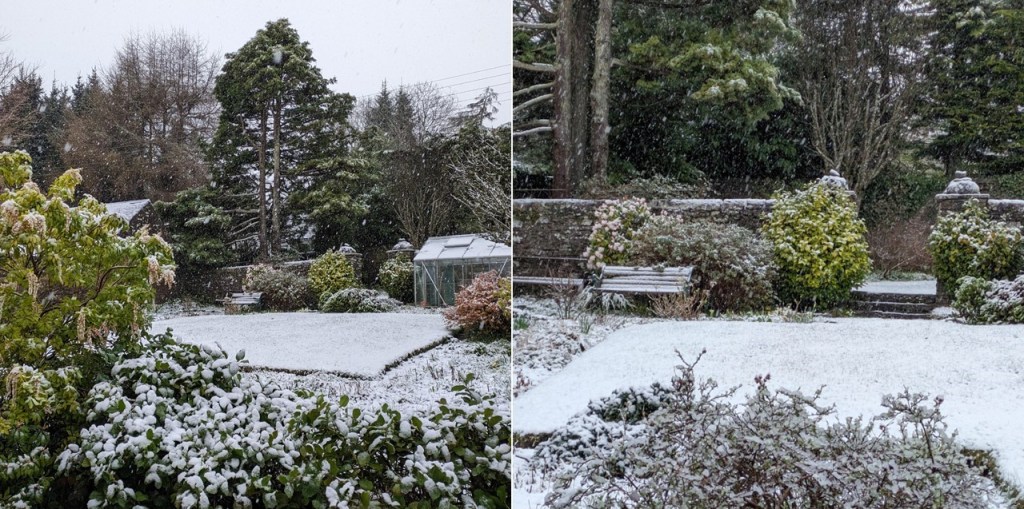
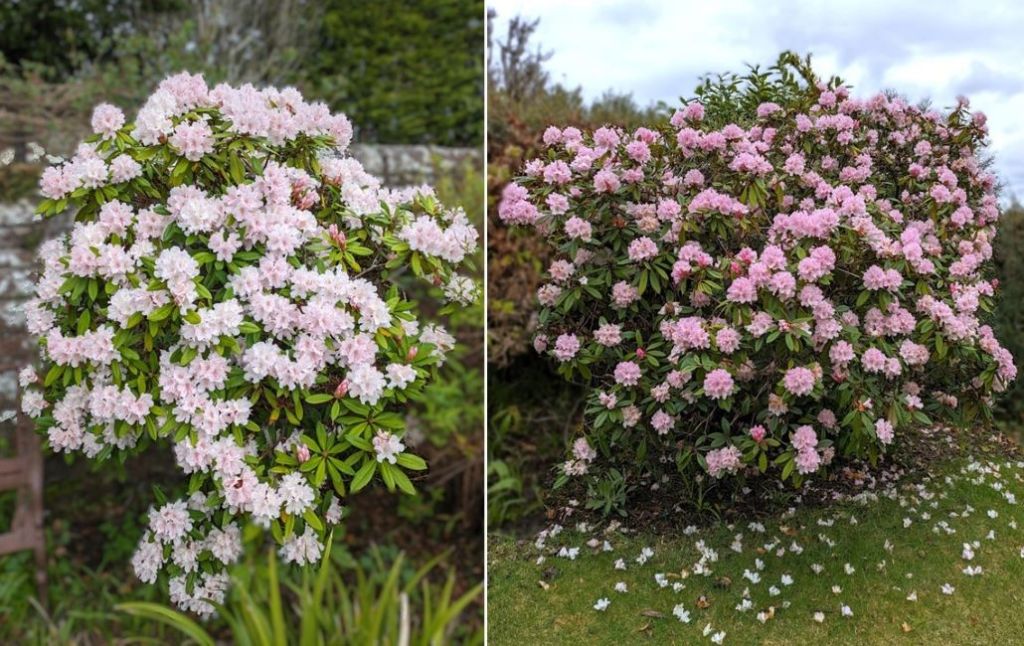
Hello again. This was the scene here at the beginning of the week. A bit of an unexpected start to the new month. I’m happy to report that the snow was quickly washed away by rain and none of the spring flowers appear to have been damaged by this wintry blast. You can just make out the pale pink Rhododendron behind the seat in the picture above, and below is the same plant taken yesterday, alongside a pinker variety from the front garden π
Rhododendrons in the pink. Images: Kathryn Hawkins
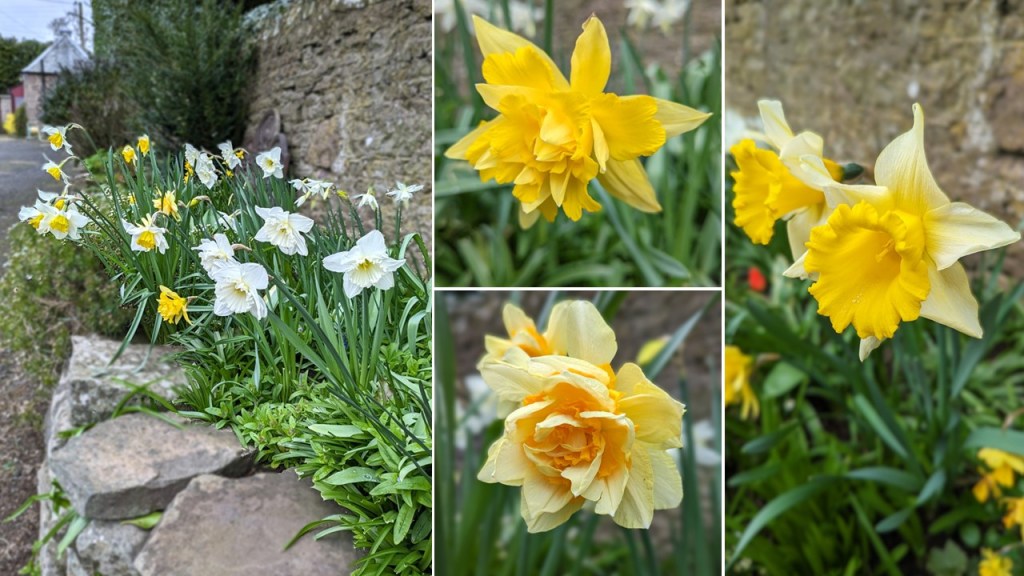
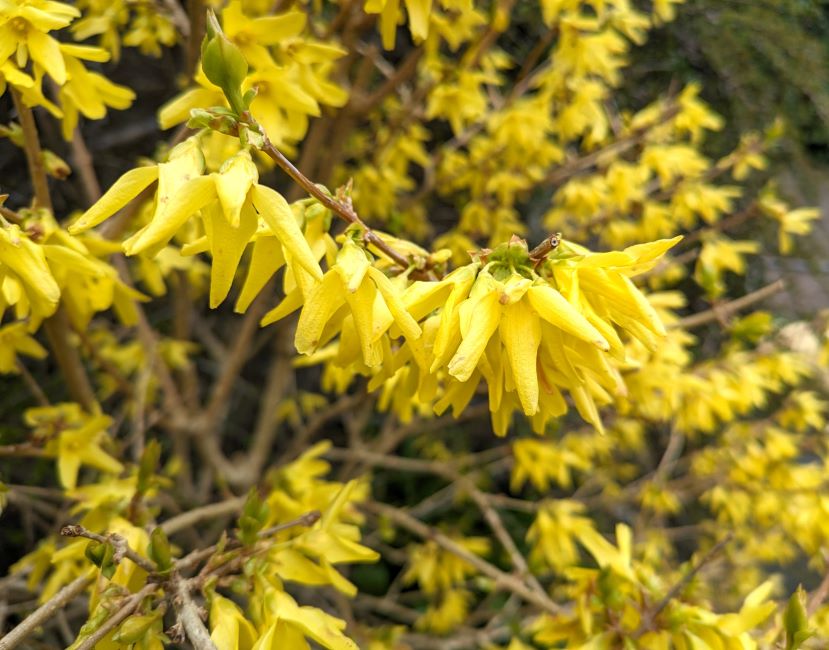
April and May are two of the most colourful months in the garden, and I never tire of the different flowers around at this time of the year. From the golden yellow Daffodils, Forsythias and Primroses, to the cool blue Muscari and Chionodoxa, with plenty of shades in between.
Delightful Daffodils. Images: Kathryn Hawkins
Golden Forsythia. Image: Kathryn Hawkins
New season garden primroses. Images: Kathryn Hawkins
Spring blues. Images: Kathryn Hawkins
One of my all time Spring favourites is the exotic looking Snakeshead Fritillary. There are a few dotted around the garden, and this is the first one to “hatch” its wonderous mottled petals.
My Spring favourite. Images: Kathryn Hawkins
The Camellia bushes don’t usually produce that many flowers and often get affected by the weather. I managed to capture these blooms before anything happens to them. I love their waxy-looking petals, and I hope they stay around for a while longer.
There are two plants in the garden that have the most delicious aromas at this time of the year. The first is Skimmia Japonica with its spicy, floral scent, and the other is Ribes Sanguineum which has a fruity and peppery fragrance. It is a real pleasure to work in the parts of the garden where these two grow.
Skimmia Japonica with its very fragrant flowers. Images: Kathryn Hawkins
More fragrant flowers in bloom. Images: Kathryn Hawkins
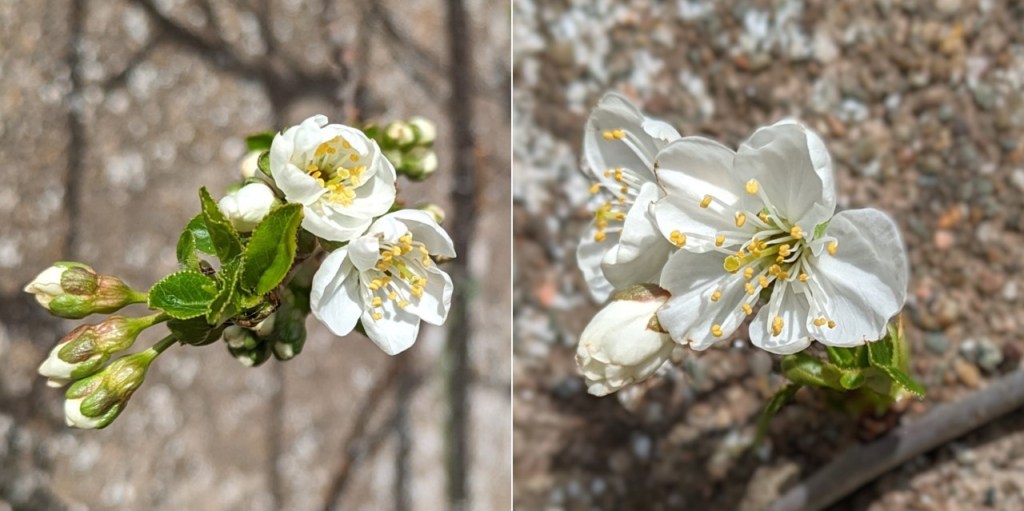
To round off my post this week, the first signs of garden produce are on the horizon with the bursting of a few buds from the Morello Cherry tree. I can see lots of buds on the pear and plum trees as well, so it looks like the bees will have plenty more pollen to collect very soon.
The first cherry blossoms. Images: Kathryn Hawkins
I’ll be back in the kitchen at the end of the month, so I look forward to seeing you again in a couple of weeks. Thanks for stopping by π
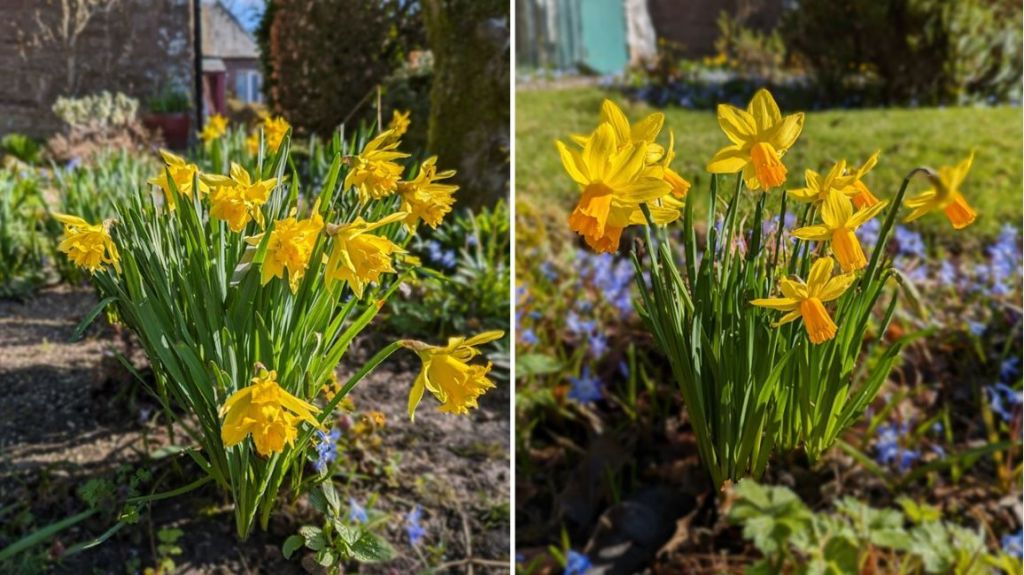
Hello again. It’s nearly Easter which is one of my favourite times of the year. Lots of wonderful spring flowers everywhere with longer days and (usually) warmer temperatures. The garden is full of spring bulbs at the moment, and on a rare sunny day last week, I managed to capture some of them in all their bright and bold glory.
Golden glow. Images: Kathryn Hawkins
My recipe this month is a bake, inspired by Easter and the season, it’s a no-fuss cake mix baked in a loaf tin, flavoured with Chai Masala mix and marzipan. You can use any regular spice mix but if you fancy the Chai blend, here’s a link to making your own from a previous Easter post of mine Chai masala biscuits for Easter (gluten-free, dairy-free,Β vegan)
Key ingredients and flavours. Images: Kathryn Hawkins
I used a white gluten-free bread flour for this recipe but you can use a standard blend and either add your own Xanthan gum or leave it out altogether. The raising agent is baking soda and the liquid is buttermilk which is quick and easy to make at the beginning of the recipe along with a flax egg.
Marzipan centre. Image: Kathryn Hawkins
I have put a layer of grated golden marzipan running through the cake which you can leave out or replace with extra dried fruit pieces if you prefer. The flowers on top are also made from marzipan, but use coloured ready to roll icing if you prefer.
Easter baking in one slice. Image: Kathryn Hawkins
Serves: 8
Ingredients
5tsp fresh lemon juice
185ml plant milk (I used oat milk)
1tbsp ground flax seed (linseed)
200g golden marzipan
115g lightly salted plant butter, softened
150g light soft brown sugar
250g gluten-free white bread flour
ΒΎtsp bicarbonate of soda
1Β½tsp Chai Masala or other ground spice mix
75g sultanas
Orange food colour gel
75g icing sugar
1. For the buttermilk, mix 2Β½tsp lemon juice into the plant milk and leave to stand for 15 minutes until thickened slightly. For the flax egg, mix the ground flax seed with 3tbsp water and leave for a few minutes to thicken.
2. Grate half the marzipan and set aside. Grease and line a 1kg loaf tin. Preheat the oven to 180Β°C, 160Β°C fan oven, gas 4.
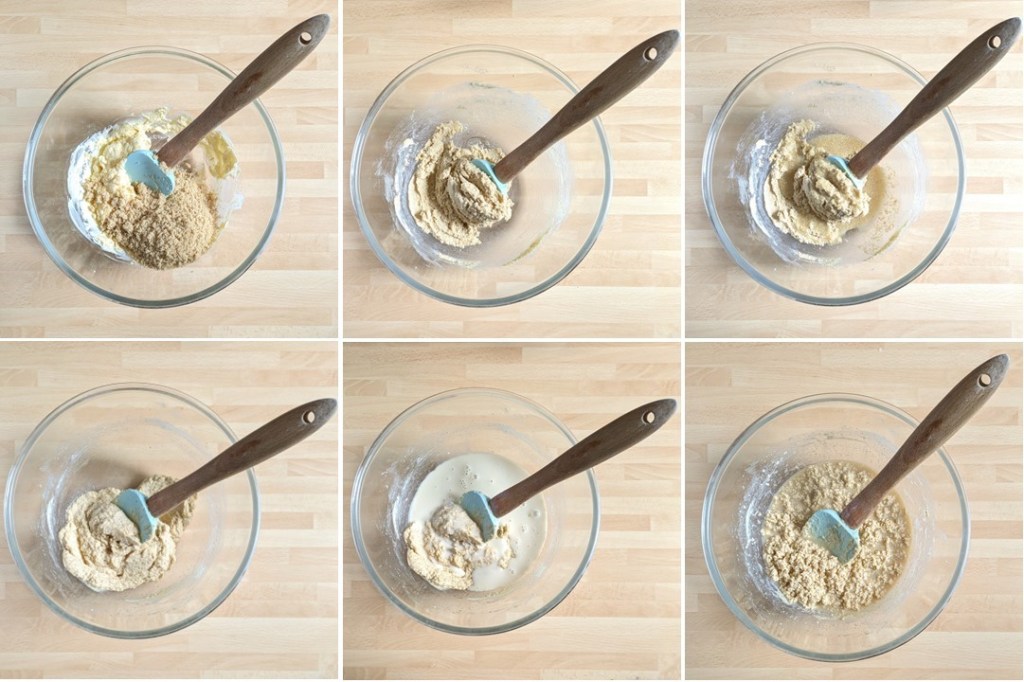
3. Put the butter and sugar in a bowl and mix together until thick and creamy. Stir in the flax egg and then mix in the buttermilk – it will look a bit lumpy and separated at this stage.
Making the batter. Images: Kathryn Hawkins
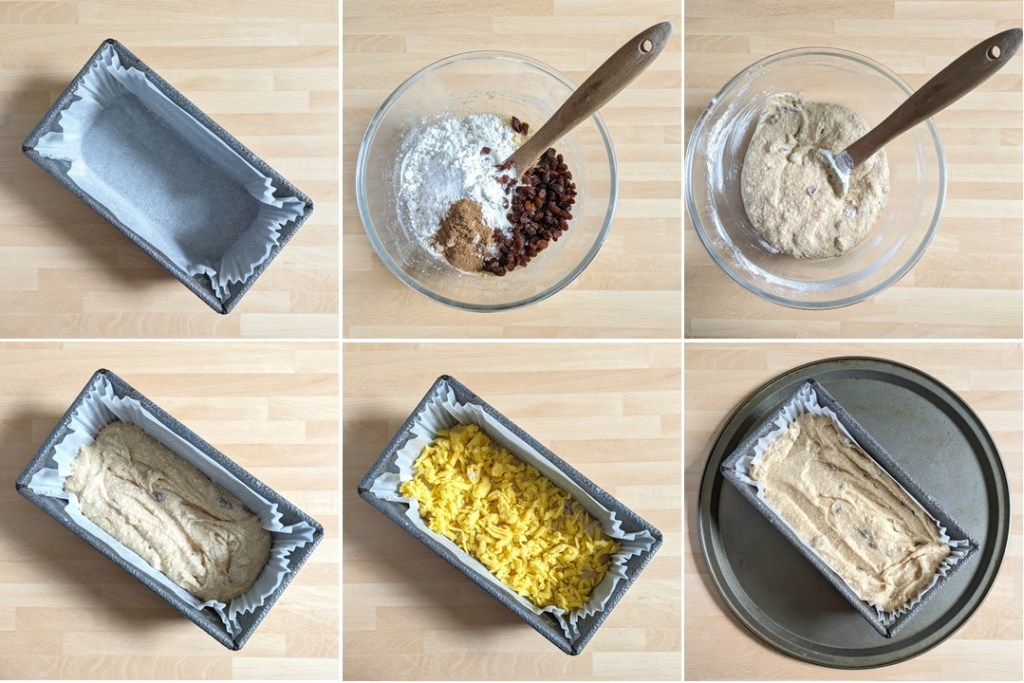
4. Stir in the flour, bicarbonate of soda, spice and sultanas and mix until everything is well blended and smooth.
5. Spoon half of the cake batter into the tin and smooth the surface. Sprinkle over the grated marzipan and spread the rest of the batter on top. Stand the tin on a baking tray and bake for about 1 hour 15 minutes until risen and firm to the touch – test the centre with a skewer to make sure it completely cooked. Cool in the tin for 30 minutes before removing and placing on a wire rack to cool completely.
Easter loaf ready for baking. Images: Kathryn Hawkins
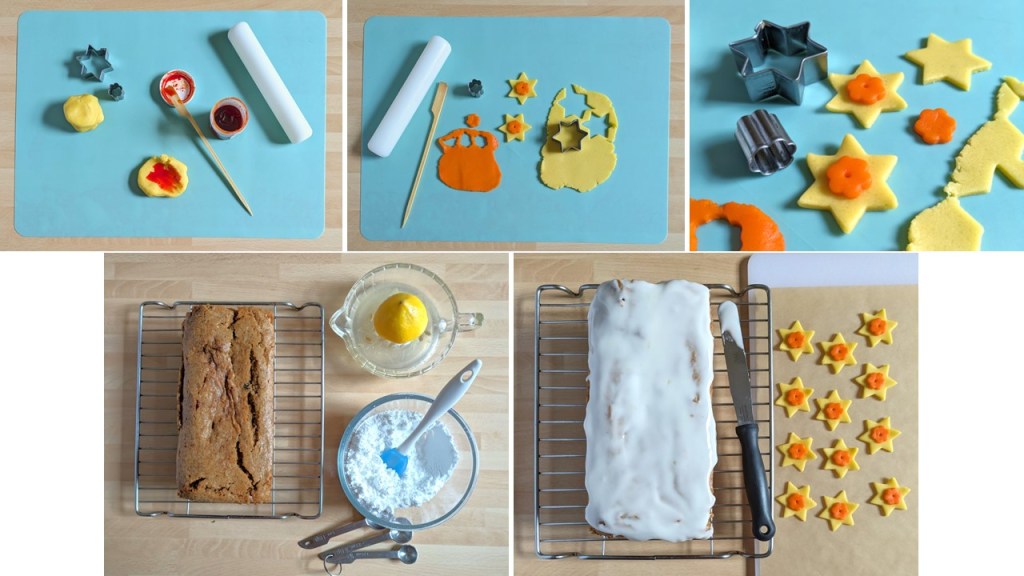
5. While the loaf is cooling, make the decorations. Break off a small piece of the remaining marzipan and blend in a little orange food colour gel. I used a 4cm star cutter to make the outer yellow petals of the Daffodils, and a 1Β½cm flower shaped cutter to make the central orange petals.
6. Roll out the marzipan thinly and cut out stars and flower shapes. You should be able to make 12 of each. Transfer to a lined board until ready to decorate the cake.
7. For the icing, sift the icing sugar into a bowl. Add 2-2Β½tsp of the remaining lemon juice to make a spreadable consistency, then spread over the top of the cake, allowing it to drip down the sides. Arrange the marzipan flowers on top.
Ready for slicing. Image: Kathryn Hawkins
The cake keeps well, and improves in flavour and texture if you make it at least 24 hours before decorating and serving. Store in an airtight container once decorated.
I hope you have a good Easter weekend and enjoy some spring sunshine whatever you are doing. Until next time, thanks for stopping by π
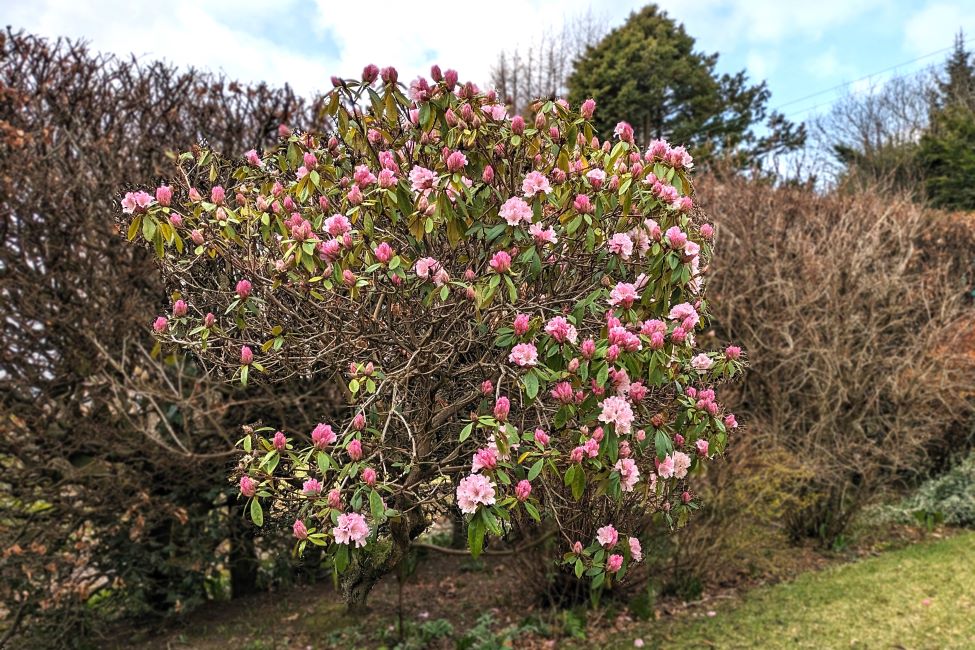
March flowering Rhododendron. Image: Kathryn Hawkins
Happy March everyone! I hope you are keeping well and enjoying some better weather than we are here in the UK. It’s been a dull, damp start to the month so you’ll see little blue sky in my images from the garden this month. However, even though the temperatures have been chilly, the spring flowers are beginning to bloom and the garden is slowly coming to life.
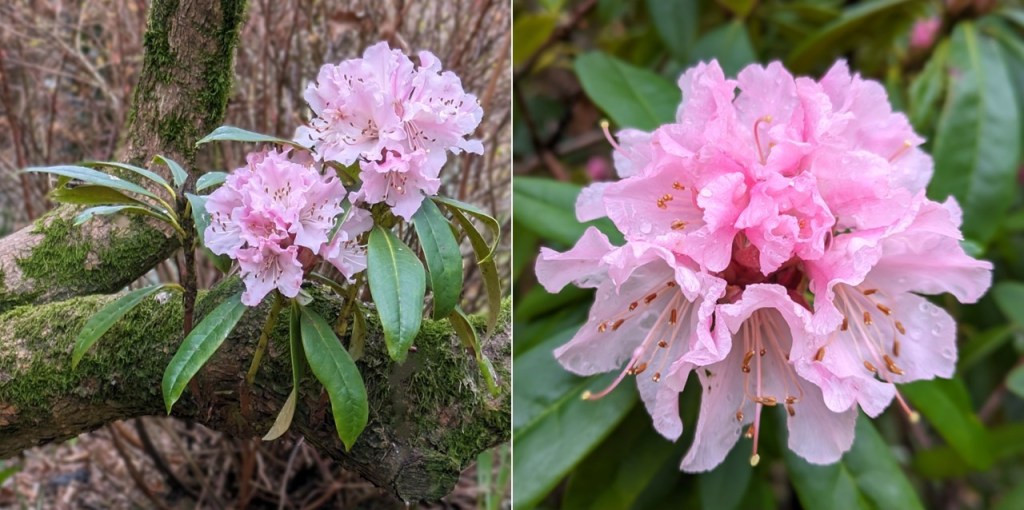
Candy floss-like blooms. Images: Kathryn Hawkins
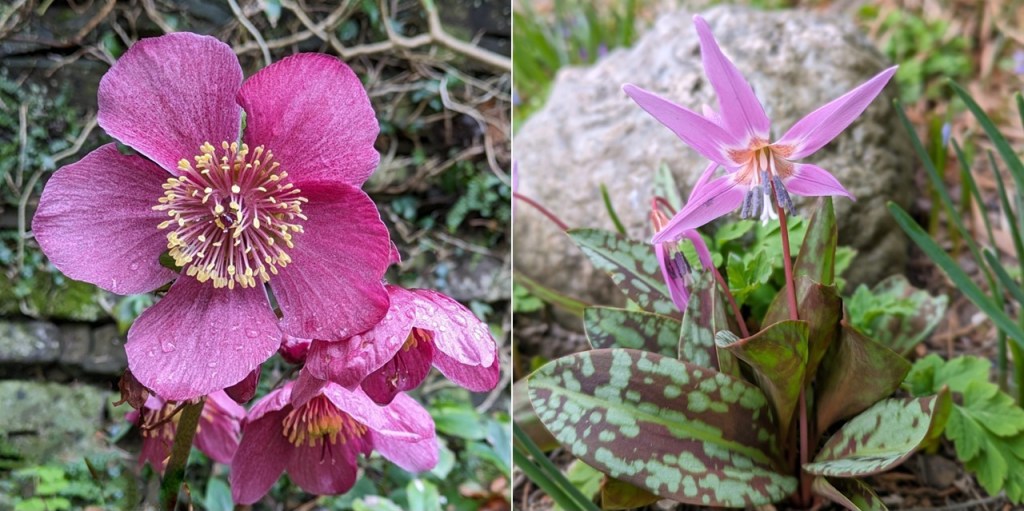
The Hellebores are taking shape and there are one or two clusters of Erythroniums in the rockery sprouting now.
Hellebore and Erythronium. Images: Kathryn Hawkins
The first of the tiny brilliant blue Chionodoxa are popping up in the paths and in the nooks and crannies of the stone steps, and I found this clump of Muscari just taking shape when I was clearing some leaves in the flower bed. They remind me of little blue toadstools at this stage, perhaps something a little fairy or pixie might sit on or under π
The first of the spring blues. Images: Kathryn Hawkins
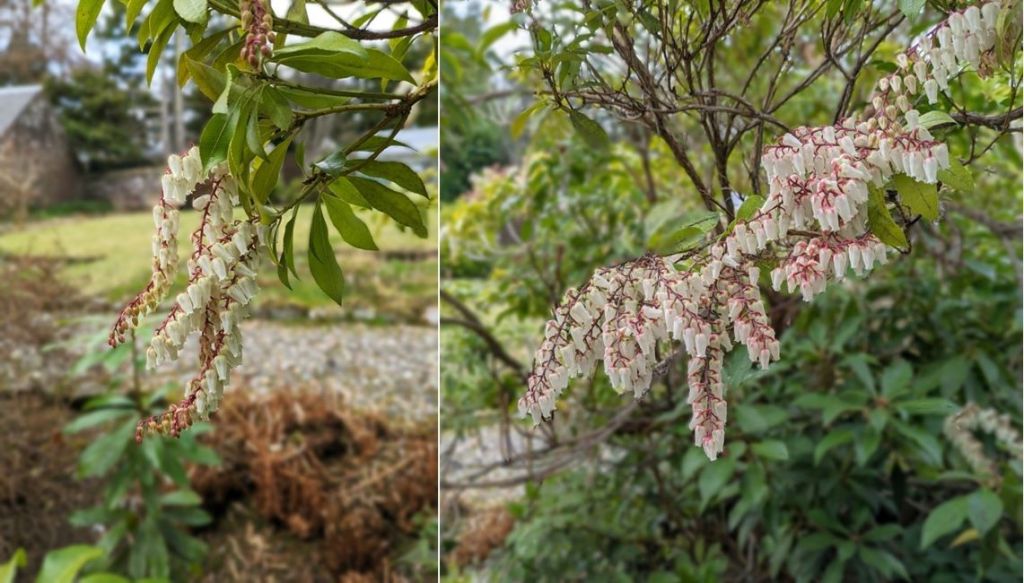
One of the first shrubs to flower in the garden each year is the Pieris, which always amazes me because it seems so dainty and delicate. Usually I am able to capture these bell-like flower clusters under a glorious blue sky, but sadly not this year.
Early spring clusters of the Pieris shrub. Images: Kathryn Hawkins
If you were looking at my blog a few weeks ago, you’ll perhaps remember the photo of a pheasant at the bird feeder. Phil, as he is known, is now a regular in the garden and is becoming less timid. There have also been a lot of young deer visiting as well. At the moment, they only seem to be eating the heather, but no doubt it will only be a question of time before they find tasty new buds to eat.
March visitors. Images: Kathryn Hawkins
That wraps up my post for this week. I’ll have an Easter recipe to share with you in a couple of weeks, so until then, enjoy the new season. Thanks for stopping by π
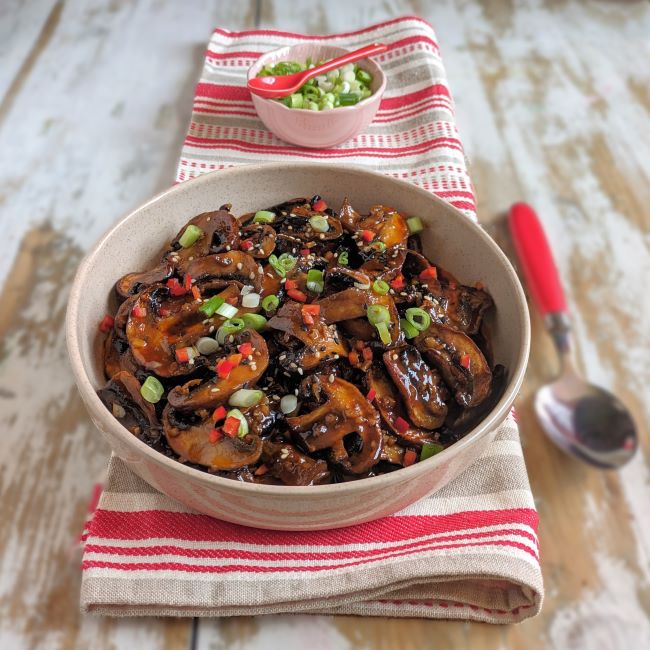
Hello there. I’ve been back in the kitchen for my post this month and I have a very tasty recipe to share, perfect for this time of year when it’s still a bit on the chilly side.
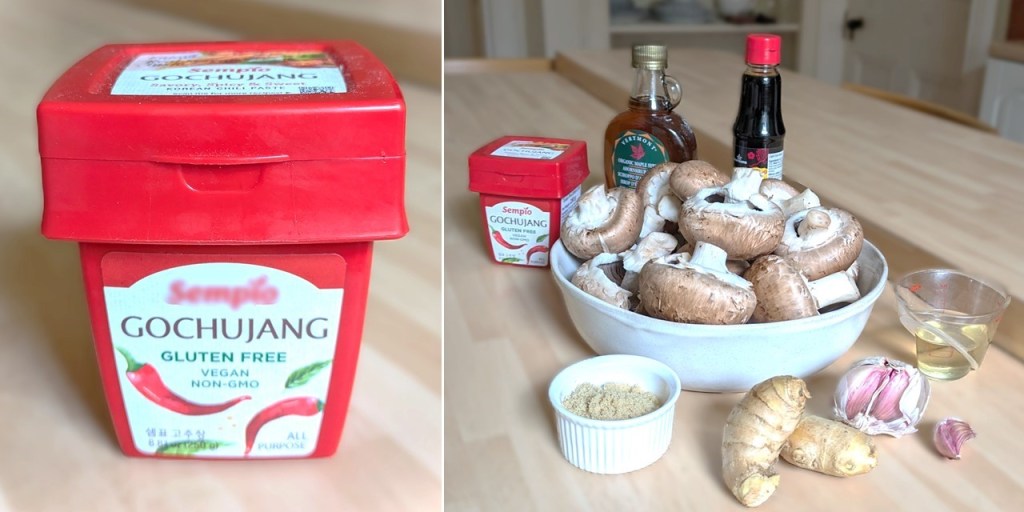
If you’re a regular reader of my recipes you’ll know that I’m not a huge fan of fiery food. However, I discovered this Korean paste a while ago and really enjoy it’s rich umami flavour and spicy chilli heat. I’m sure there are brands on the market which are very hot but this blend is just right for me, and it’s gluten-free and vegan as well π
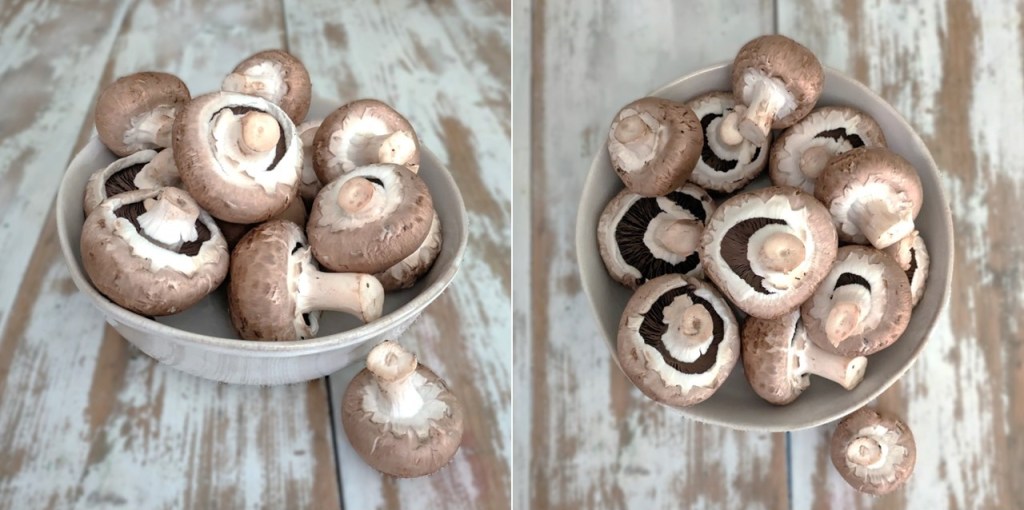
A bowl of chestnut mushrooms. Images: Kathryn Hawkins
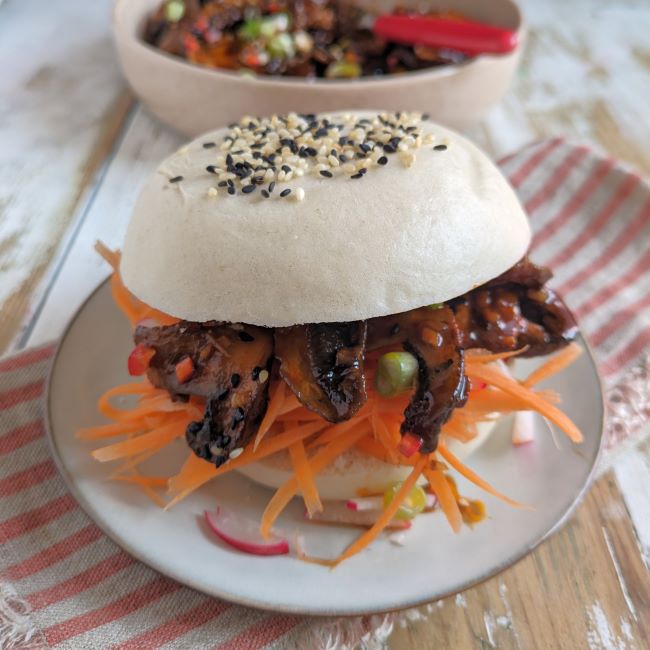
I chose chestnut (or brown) mushrooms for this recipe because they have a “meaty” texture but large flat or Portobello mushrooms will work just as well I’m sure. Prepare the ingredients the day before you want to serve the mushrooms. This will allow the marinade time to draw out some of the moisture from the mushrooms. Serve them as a side dish for 4 people or as a main course for 2-3. They also make a delicious filling for steamed sesame buns – see my recipe here Steamed sesame buns (gluten-free; dairy-free;Β vegan)
Sesame seeds, chopped red chilli and spring onion to serv
1.Peel and finely chop the garlic and ginger. Place in a large bowl and mix in all the ingredients except the mushrooms.
2. Slice the mushrooms thickly, and add to the bowl in batches, mixing with the marinade ingredients to make sure all the slices are coated. Cover and chill overnight.
Making the marinade. Images: Kathryn Hawkins
3. The next day, drain the mushrooms, reserving the marinade and pouring into a small saucepan. Put the mushrooms into a shallow roasting tin and place in the oven. I don’t preheat my oven for recipes like this, I just set it to 200Β°C, 180Β°C fan oven, gas 6 and leave the mushrooms for 30 minutes until tender and cooked through.
Ready to roast. Images: Kathryn Hawkins
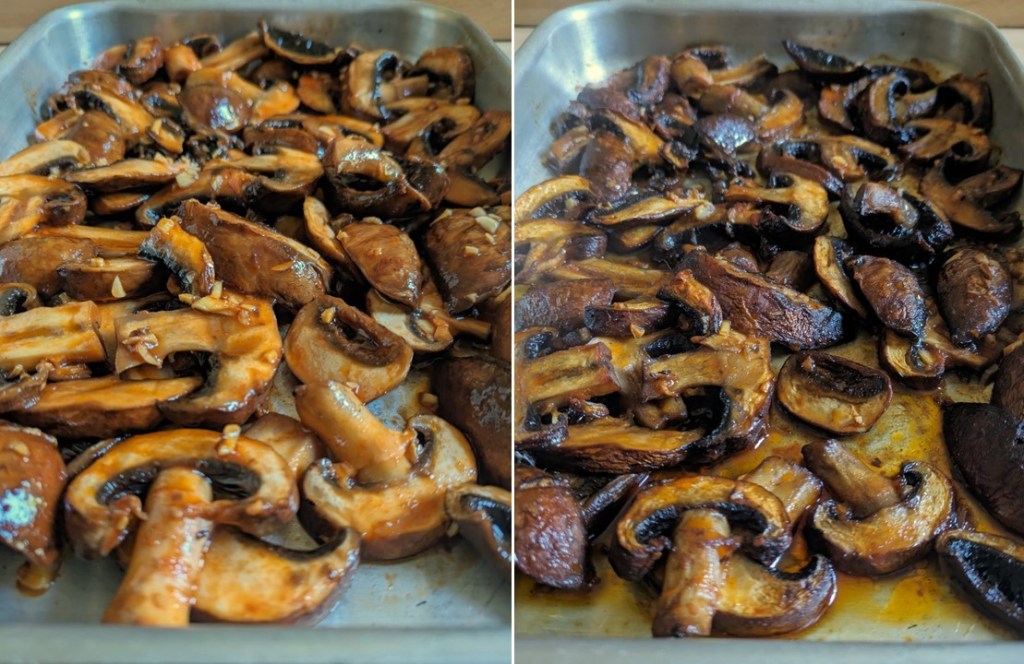
Before and after roasting. Images: Kathryn Hawkins
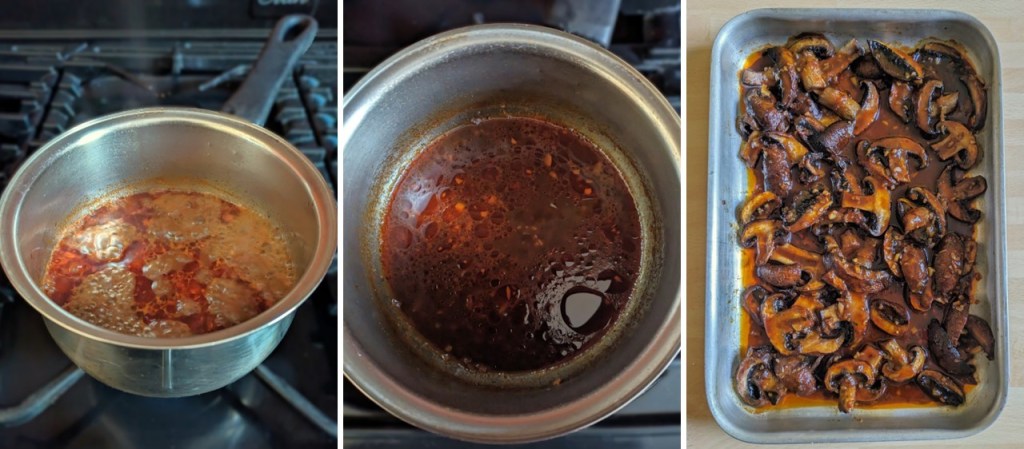
4. While the mushrooms are cooking, bring the marinade to the boil and simmer for about 10 minutes until reduced by half. When the mushrooms are ready, pour the reduced mixture over them and mix well.
Reducing the marinating juices. Images: Kathryn Hawkins
5. Serve the mushrooms with sesame seeds, chopped chilli and spring onion. Great spooned over rice, pasta or noodles. I hope you enjoy this recipe as much as I do. I hope to see you again next month and thanks as always for stopping by π
Warming, spicy and very, very tasty. Image: Kathryn Hawkins
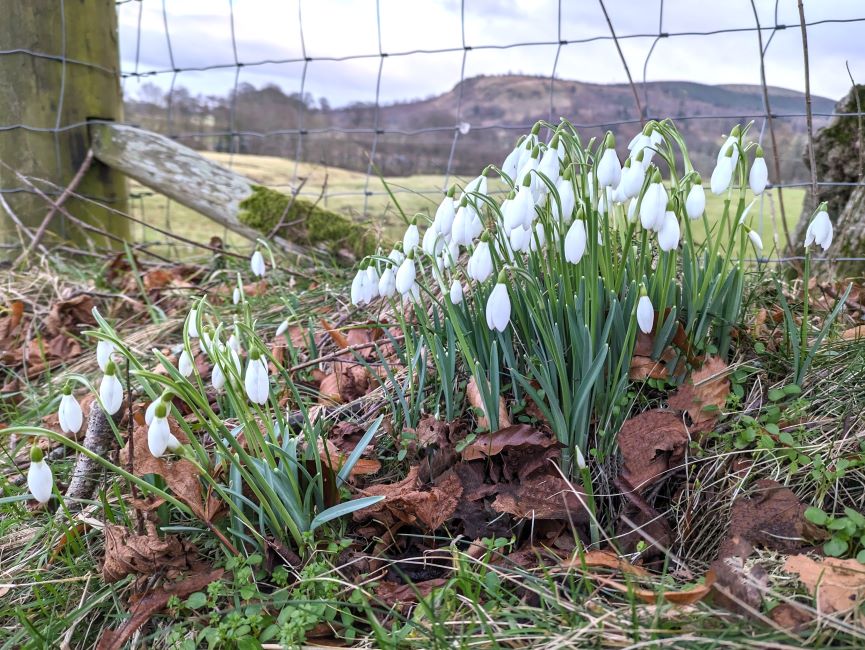
Hello again. It’s good to see that the garden and surrounding countryside are slowly coming to life here in central Scotland after some wild and wintry weather these past few weeks. I took a short trip out to my favourite local spot in search of snowdrops on one of the brighter days this month and am happy to report that there is an abundance of these pretty little white flowers all along the roadside and verges, a little earlier than recent years.
Roadside snowdrops. Image: Kathryn Hawkins
In the garden as well, right on cue, on the first day of the month, the first snowdrops opened up in the weak, wintry sunshine.
The first of this year’s garden snowdrops. Images: Kathryn Hawkins
We’ve had some heavy frosts, a little snow and plenty of wind and rain since then, and subsequently some of the other flowers in the garden have become a bit bedraggled.
Light dust of early February snow. Image: Kathryn Hawkins
Rain-soaked February flowers. Images: Kathryn Hawkins
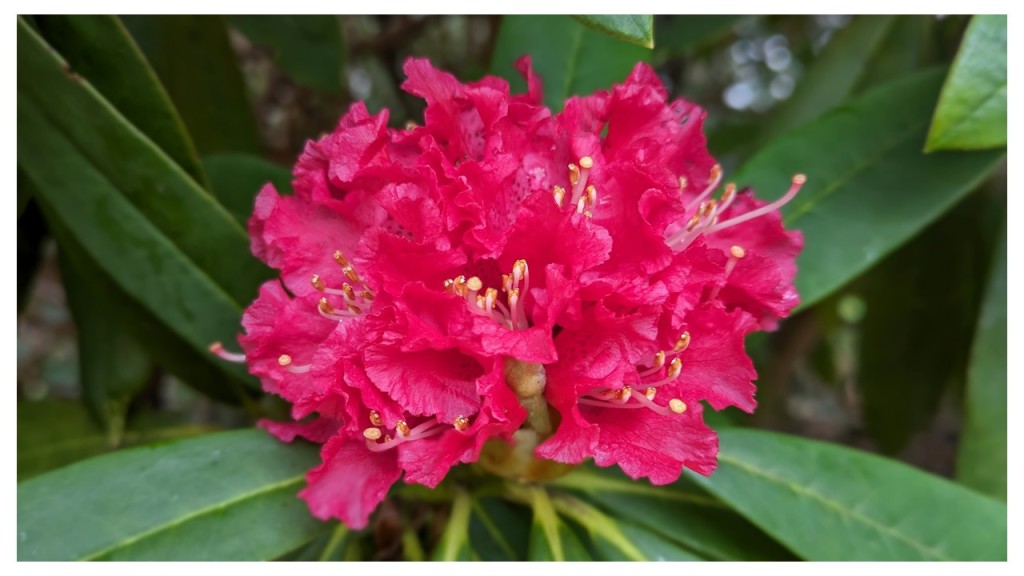
I took this photo of the glorious red Rhododendron in the garden when it first opened at the beginning of the month. Sadly it looks a bit less radiant now it has been rained on and frosted all over.
Red Beauty. Image: Kathryn Hawkins
There have been survivors of all this bad weather I’m pleased to say. The first Hellebore is up and open, and this little Periwinkle was a surprising find last week. The rhubarb is looking healthy as well.
The first flowerings. Images: Kathryn Hawkins
This year’s rhubarb is on its way. Image: Kathryn Hawkins
To brighten up this gloomy month, I recently acquired a new houseplant, a Mimosa, and in the last week it has opened up it’s tiny tight buds into fluffy, bright yellow balls of sunshine. I have everything crossed that it is hardy enough to survive until the temperature and sunshine levels increase later in the year.
Indoor sunshine. Image: Kathryn Hawkins
I’ll see you again at the end of the month when I will be back in the kitchen. Thanks for stopping by π
Hello again. I don’t know about you, but I’m always looking for ways to cut back on the amount of energy I use especially in the kitchen. I have certainly changed the way I cook my everyday meals and only put the oven on if I can fill it.
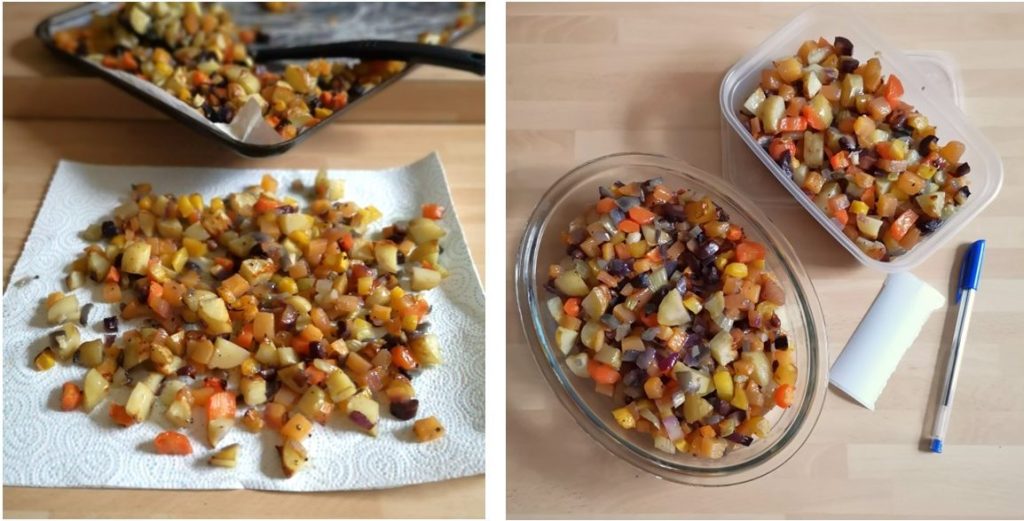
One of the things I do every now and then is have a big bake up of all the bits and pieces of vegetable I have in the veg rack or fridge and I have taken a few images over the past few months of the combinations I have cooked depending on what I have to hand.
Veg prep for roasting. Images: Kathryn Hawkins
Most vegetables require only simple prep, just peeling and cutting into uniform pieces so that they all bake evenly. The only vegetable I par-cook is turnip (swede) because it is denser than other vegetables. Just a quick cook of 10 minutes in boiling water, then drain and cool before mixing into the other prepared veg.
For best results, choose vegetables that take roughly the same amount of time to cook, or add quicker-cooking vegetables later on once the other have had a bit of a head start.
Seasoned diced roots, ready for roasting. Images: Kathryn Hawkins
Use what ever oil you prefer too cook your vegetables with. Toss a generous amount into the prepared veg, season with plenty of salt and ground black pepper and mix well. Add herbs and spices to taste. Spread out evenly on lined baking trays and put the trays in a cold oven – no need to waste energy on preheating the oven for this type of cooking. Set the dial to 200Β°C, 180Β°C fan oven, Gas 6. After about 25 minutes, turn the vegetables and cook for a further 15-25 minutes depending on how finely you have chopped them, until they are tender.
Roasted and ready for freezing. Images: Kathryn Hawkins
When they are cooked, drain off the excess oil, blot with kitchen paper and they are ready to serve straightaway. Alternatively, leave them to cool after draining and pack into containers for later use. In the fridge, the cooked vegetables will keep for 3-4 days, or freeze them for up to 6 months. Most vegetables freeze fine and can be added to soups, sauces and stews at a later date (usually I add them still frozen directly to hot stock or sauce and just heat them through).
Tray-roast peppers, onion, celery, garlic and herbs. Images: Kathryn Hawkins
Tray-roast carrots, onion, celery, garlic and herbs. Images: Kathryn Hawkins
Potatoes, mushrooms, garlic and herbs. Images: Kathryn Hawkins
Until next time, have a good rest of the month and I hope that I will see you again in February. Thanks for stopping by π
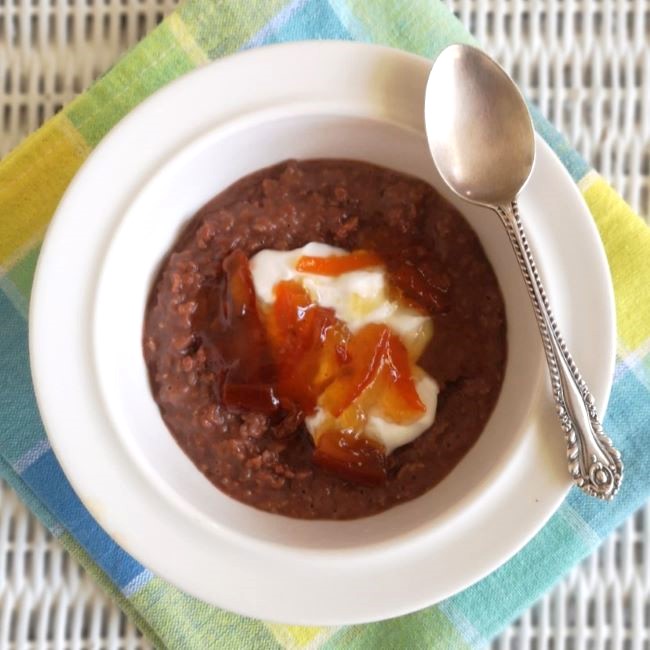
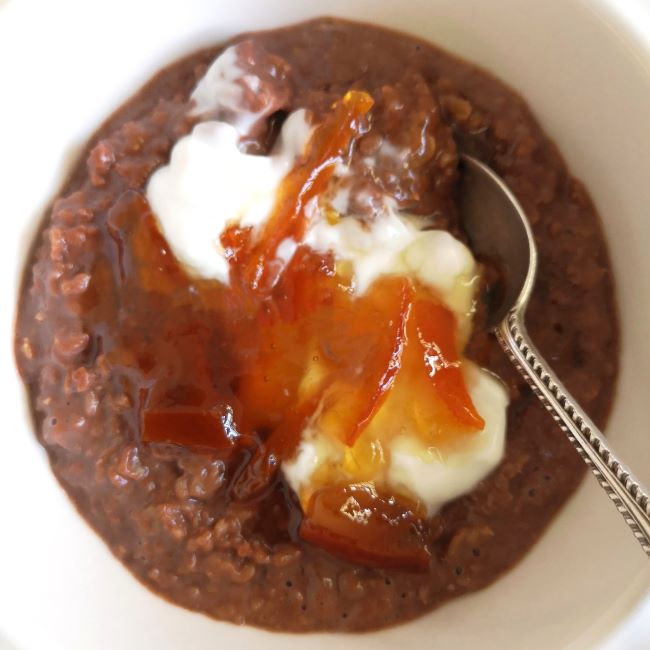
Chocolate and marmalade porridge. Image: Kathryn Hawkins
Happy new year to you! 2024 has begun with chilly, frosty weather here in central Scotland and elsewhere in the UK. But it’s that time of year when the Seville oranges are in the shops, marmalade-making is underway and the sweet smell of citrus wafting round the kitchen makes me think of sunnier climes and warmer days.
Even with the best planning, I always have leftover preserve once I have filled the jam jars I have cleaned and got ready. However, it does mean that I get to taste what I’ve made straight away without feeling guilty about opening a jar of freshly made preserve too soon. I call the surplus “The Cook’s Privilege”, after all the effort, you deserve the first pickings π
Marmalade leftovers for the cook. Images: Kathryn Hawkins
My recipe this week is a simple way to enjoy such spoils for your breakfast the day after your toils. The ingredients below make enough for one portion. I cook my porridge in the microwave, but you can just as easily pop everything in a saucepan and cook it on the stove top.
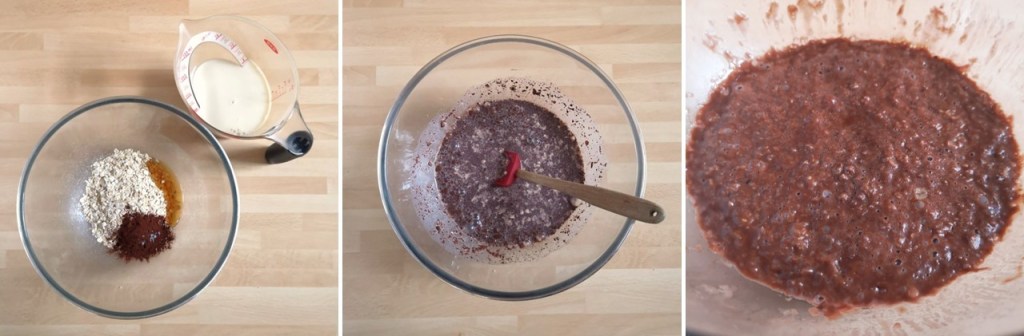
Chocolate porridge: put 40g gluten-free porridge oats in a large microwave-proof bowl. Sift 1Β½ teaspoons of cocoa on top and stir in 2 teaspoons maple syrup and a pinch of salt. Mix in 200ml plant-based milk. Cover and microwave on High for 2Β½ minutes (my microwave is 900W so adjust the cooking time accordingly if necessary). Stir well then cook for a further 1 minute on High. To serve, stir in extra plant milk (or plant cream for extra indulgence) if you prefer a thinner consistency and top with plant-based yogurt and a generous dollop of your leftover marmalade. Delish π
New year’s eve morning 2023. Image: Kathryn Hawkins
It’s the last day of the year, and a time both for reflection and looking forward to whatever the next year has in wait. It’s been a busy month and now I have a little time to rest and relax before 2024 begins. We had our first proper snow of the winter yesterday. Once more the garden was transformed into Narnia for a few hours before the rain washed most of it away.
Snowfall 30th December 2023. Images: Kathryn Hawkins
There have been a few frosty mornings this December but on the whole, it’s been reasonably mild with lots of rain and some strong stormy winds.
Frosty garden, windows, flowers and seeds. Images: Kathryn Hawkins
When the sky has been clear enough, there have been some lovely sunrises and sunsets again this month.
Sunrise on the shortest day of the year. Images: Kathryn Hawkins
The garden has recently welcomed another new visitor. This magnificent pheasant (christened Phil) has been strutting his stuff along the garden wall to get his lunch at one of the bird feeders. He has become a garden regular and seems to making himself well and truly at home.
Plucky Mr Pheasant. Images: Kathryn Hawkins
I hope you have a good time however you are celebrating this new year’s eve. I’ll be keeping cosy, with my feet up, having a slice of fruity ginger cake and a raising a glass of ginger wine to welcome in 2024. My best wishes to you all. Happy New Year:)
Toasting Hogmanay with ginger cake and wine. Images: Kathryn Hawkins
Well the festive season is almost upon us, and it’s time to share a suitably Christmassy recipe with you. I’ve turned to an old favourite as the base for my edible holly garland: shortbread π
Simple enough to make, shortbread is much loved by many and a staple bake at this time of year. I’ve flavoured my shortbread with cocoa powder and iced it with peppermint flavoured icing, which make these cute little nibbles a perfect treat to serve as an after dinner alternative to accompany coffee and liqueurs. If you don’t fancy peppermint, try adding orange or lime zest, or enhance the cocoa flavour by adding some cinnamon or vanilla.
After dinner coffee and nibbles. Images: Kathryn Hawkins
If you are going to display the leaves as a garland you’ll need to bake a good number, so my recipe makes 40, but cut the quantities in half if you just want a few nibbles to serve with coffee. The shortbread leaves can be made a couple of days in advance of serving, but I’d advise not to ice them more than a day before serving as the icing often softens the shortbread.
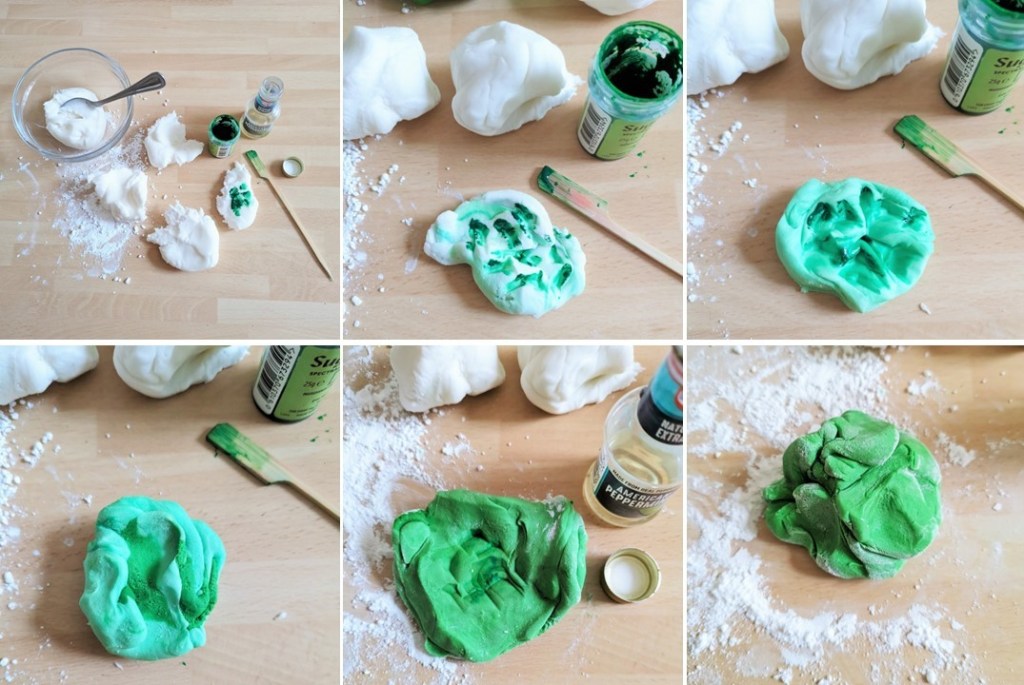
By the way, I couldn’t find the right shade of green for my biscuits, so I am including instructions for colouring white icing. If you do have ready prepared green icing, all you need do is add some flavour.
Makes: 40
Ingredients
100g lightly salted plant or dairy butter
50g caster sugar
20g cocoa powder
175g gluten-free plain flour blend plus extra for dusting
225g white ready to roll icing
Green food colour gel
Icing sugar to dust
A few drops peppermint extract
75g readymade royal icing or similar white pipeable icing
Red sugar balls or icing to decorate
1. Beat the butter and sugar together until light and creamy. Sift the cocoa powder and flour on top and mix well, then bring everything together with your hands to make a firm dough.
2. Lightly flour the surface and roll out the dough to a thickness of about Β½cm. Use a 6cm holly-shaped cutter to stamp out shapes, re-rolling the dough as necessary, to make around 40 leaves.
3. Arrange on lined baking trays, prick the tops with a fork and chill for at least 30 minutes before baking.
4. Preheat the oven to 180Β°C, 160Β°C fan oven, gas 4. Bake the shortbread leaves for about 15 minutes until firm to the touch. Leave to cool on the trays.
Just out of the oven. Image: Kathryn Hawkins
5. For the icing, knead the white ready to roll icing to make it more pliable. Break it into smaller pieces and add a little green colouring to each piece. Work each batch of colouring into the icing before adding a little bit more. When you have a few pieces of the same colour, blend them altogether into one piece. Although this takes a bit of time, it is much easier than trying to colour a big piece of icing in one go. If things get a bit sticky, add a little icing sugar.
6. To add flavouring, flatten the icing and sprinkle with a few drops of peppermint extract, then work into the icing. Repeat until you have the desired amount of flavouring, adding a little icing sugar if the mixture becomes sticky.
Making the icing. Images: Kathryn Hawkins
7. Add some colour and flavour to the royal icing and mix well to achieve an even colour. Now you are ready to decorate.
8. Dust the work surface with a little icing sugar and roll out the green icing thinly. Cut out holly shapes using the same cutter.
9. Spread a little smear of the green royal icing over each biscuit and fit a holly icing shape on top.
10. Spoon the remaining royal icing into a small piping bag fitted with a plain writing nozzle and pipe leaf detail. If piping is not your forte, you can score a leaf pattern on the icing using the blade of a small knife.
11. Pipe a little extra icing at the stalk end of the leaves and attach sugar balls or red icing berries. Leave for at least an hour to set before arranging.
Christmas decorating. Images: Kathryn Hawkins
12. To serve as a garland, choose a large board or flat serving plate and arrange a layer of the shortbread leaves at different angles in a circle, and arrange more shortbreads on top. Add a ribbon bow as a finishing touch just before serving.
This is my last recipe post of 2023. Thank you for stopping by and for all your nice comments over the past 12 months. I hope you have a lovely Christmas and I look forward to posting more throughout the new year ahead. Merry Christmas!
It has turned much colder here since my last post. Frosty mornings and an increasing number of sub-zero nights. Back in late August, I planted a few Arran Pilot seed potatoes in the green house. With the wintry feel in the air and knowing potatoes are not frost-hardy, I decided it was time to dig them up.
Late season greenhouse-grown potatoes. Images: Kathryn Hawkins
The foliage had all but withered away over the month, but under ground a few little potatoes had formed. I was a couple of weeks later planting them than usual and subsequently, the plants hadn’t had time to develop properly before the days got shorter and the temperature lower. No matter, there were enough to make one of my favourite potato dishes, and they tasted just as delicious as the potatoes grown earlier in the year.
Smashed new potatoes sprinkled with chives. Image: Kathryn Hawkins
I took a few images of the preparation of this potato dish back in the late summer when I had some pink fir potatoes. Choose a waxy or floury textured potato for best results. Scrub the potatoes and boil them in their skins until tender, then drain well and cool for about 10 minutes. Transfer them to a board and squish them with a masher or large fork.
Smashed pink fir potatoes. Images: Kathryn Hawkins
I usually melt butter with some olive oil in a pan and heat until bubbling – either will work on their own, it’s personal taste which you use. Add the potatoes and seasoning and cook over a fairly high heat, turning them until they are crispy. Towards the end of cooking, I add chopped garlic and cook it for a couple of minutes until just cooked through. Serve straight from the pan, sprinkled with chopped parsley or chives.
Smashed pink fir potatoes with garlic and parsley. Image: Kathryn Hawkins
Well there’s just one more post before Christmas – I can’t believe it will all be over by this time next month. Until then, take care and thanks for stopping by π