Early autumn garden

Multi-blooms_of_white_Japanese_Anemones
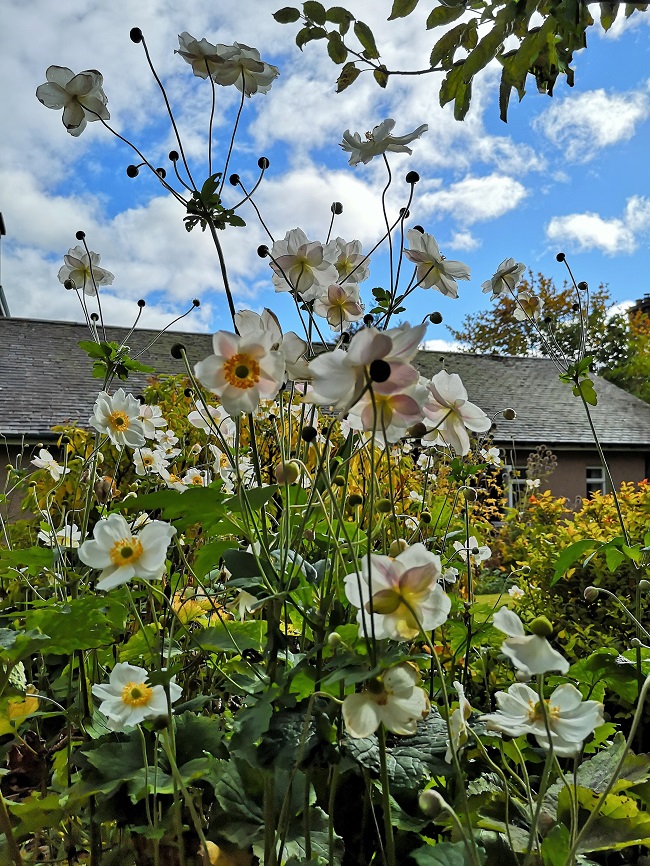
Still blooming, white Japanese anemones. Image: Kathryn Hawkins

When I posted my last garden round-up back on August 9th, only one or two of these beautiful white Japanese anemones were in bloom. Here we are some eight weeks later, and they are looking magnificent in the flower-beds. Having survived the storm of last week, and the breezy weather we have had recently, they continue to flower when most plants around them are dying back.

Sunny_border_with_late_flowering_meadow_cranesbill
Meadow cranesbill enjoying the afternoon sunshine. Image: Kathryn Hawkins

I have a lot of meadow cranesbill (hardy geranium) in the garden. I love the fragrant bright green foliage which trails over just about every wall. I cut back the first flowers when they started dying back a few weeks ago, and now there are new fresh pink blooms about the flower-beds to keep summery thoughts alive.

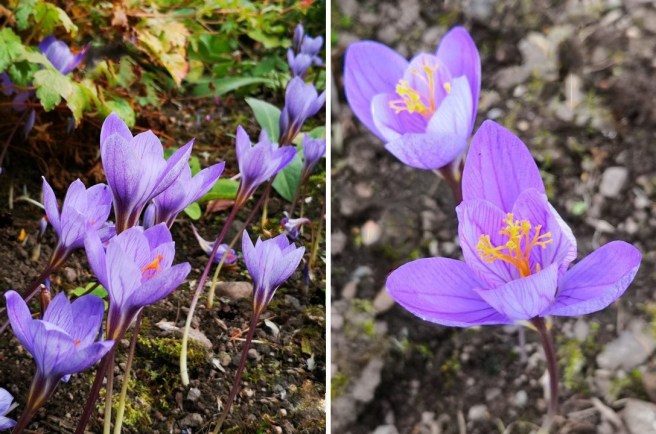
However, it is autumn, and these lilac crocus are popping up all over the place to remind me of the change of season. I love these strange, top-heavy flowers that poke out of the bare soil with no leaves and long mauve stalks. The rich, golden stamens smell of saffron, and on a warm day, the aroma is truly delicious.
Lilac_petalled_with_saffron_aromatic_stamens_Autumn_crocus
Fragrant Autumn crocus. Images: Kathryn Hawkins
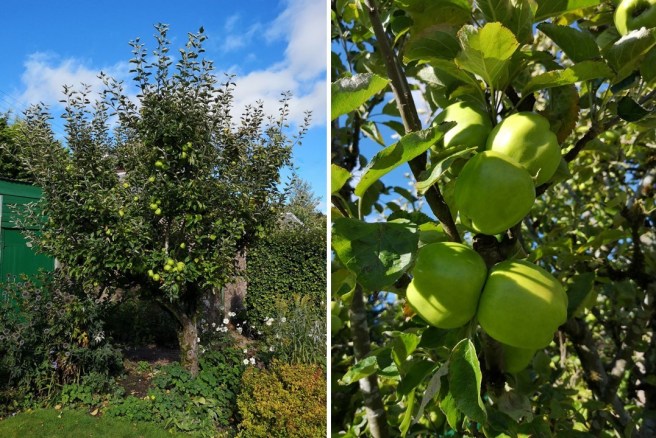
Lord_Derby_apple_tree_and_close-up_of_apples_on_tree
Old fruiting Lord Derby apple tree. Images: Kathryn Hawkins

It’s been a fantastic year for fruit. The old cooking apple tree is laden. I’ve been busy cooking up the wind-falls while the main crop still remains on the tree. I have two miniature eating apple trees in another part of the garden. These rarely produce more than half a dozen apples, but this year, I have enough to fill a large fruit-bowl,

Red_and_yellow_skinned_mini_eating_apples
Mini eating apple harvest. Image: Kathryn Hawkins

I am particularly pleased with the crop of Concorde pears on a small tree at the top of the garden. I have had the tree for about a decade, and it hasn’t fruited very well until this year. The pears keep very well, so I will be able to enjoy them over the next few weeks. I’m sure there will be a pear recipe posted from me in the next few weeks.

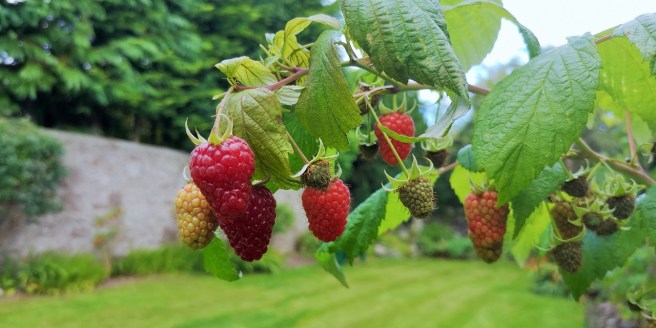
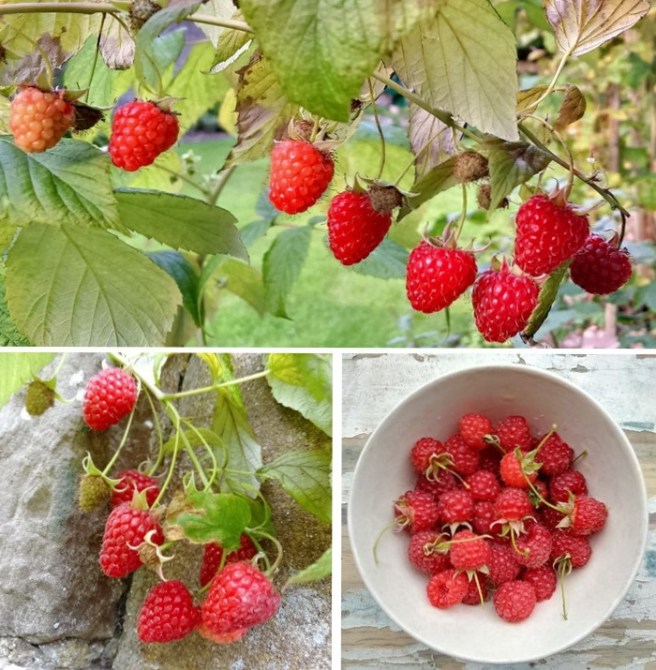
In the same part of the garden, the Autumn-fruiting raspberries are ripening. I never have very many at a time, but a few berries ripen every two to three days, and are just enough to occasionally scatter over my morning granola.
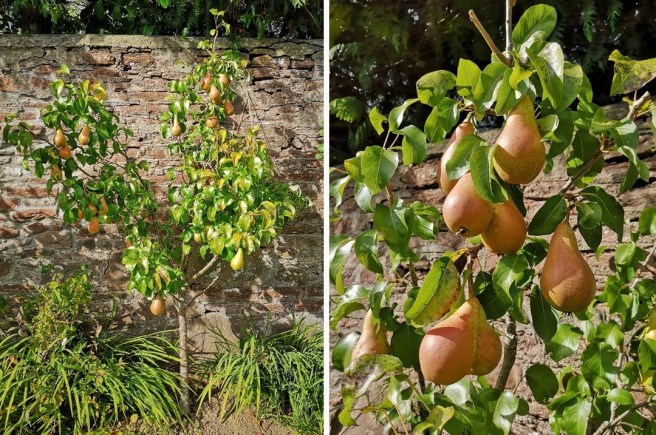
Small_garden_Concorde_pear_tree_in_fruit
Concorde pear tree laden with fruit. Images: Kathryn Hawkins
Branch_of_ripe_Autumn_raspberries
Early Autumn-fruiting raspberries. Image: Kathryn Hawkins

It’s not been a good year for the roses in the garden. Too dry I think. However, there are a few second buds forming now, so if the sunny weather continues a while longer, I may get a few more blooms like this beauty. Until next week, my best wishes to you.
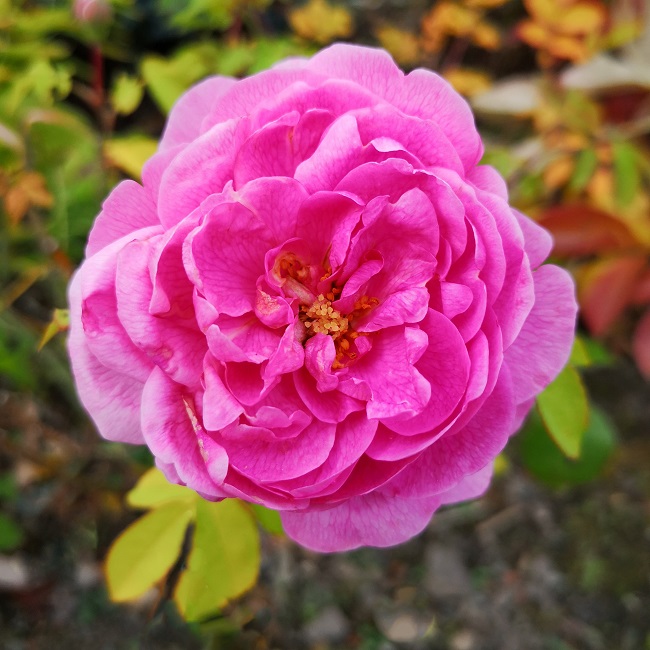
Gertrude_jekyl_deep_pink_rose_in_bloom
Second time around, Gertrude Jekyl rose. Image: Kathryn Hawkins


Windfall apple jelly (gluten-free; dairy-free; vegan)


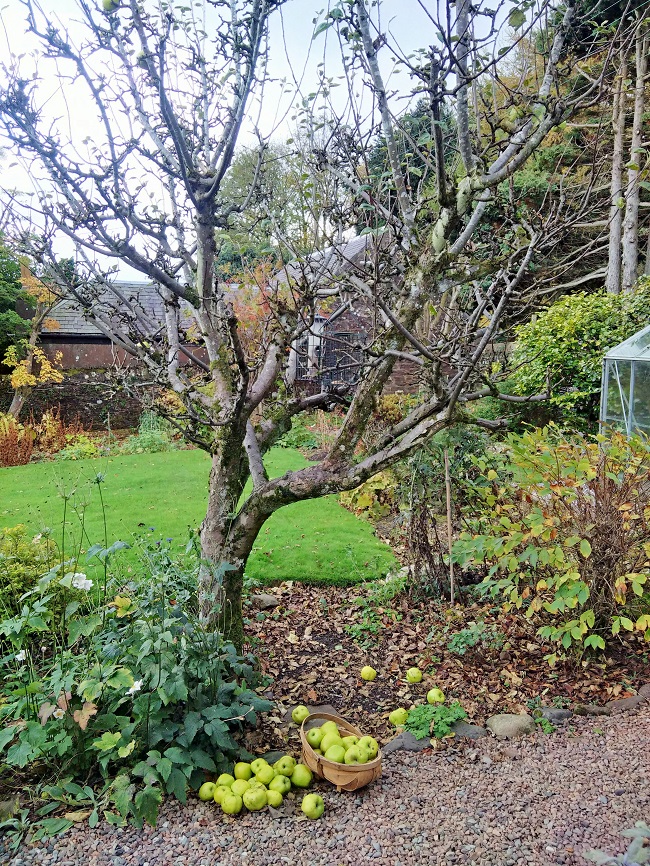
Autumnal_garden_collecting_windfall_apples
Collecting windfall cooking apples. Image: Kathryn Hawkins

Last weekend, I finally got round to gathering the last of the windfall apples from underneath and around the old apple tree in the garden. There were quite a few; some badly bruised, others almost entirely unscathed. I had picked a good harvest from the tree a couple of weeks previously and have these apples safely stored away in an old fridge for later use. In my kitchen, windfalls are destined for the cooking pot and for making preserves.

Lord_Derby_cooking_apples_growing
Lord Derby apples, just before picking earlier in October. Image: Kathryn Hawkins

I find it very satisfying making chutneys, jams and jellies, although jelly making does take a bit of planning and time, and can not be rushed. However, the finished result is very rewarding and worth the wait. This apple variety (Lord Derby) isn’t particularly flavoursome (it is reminiscent of a very large Granny Smith apple), but it is a great cooking apple as it holds its shape and some texture when baked or stewed. It’s not the juiciest for jam making, but as I had so many to use up this year, I decided to get all the jelly making stuff out of the cupboard and get preserving.

Recycling_jam_jars_and_lids_with_Jelly_strainer
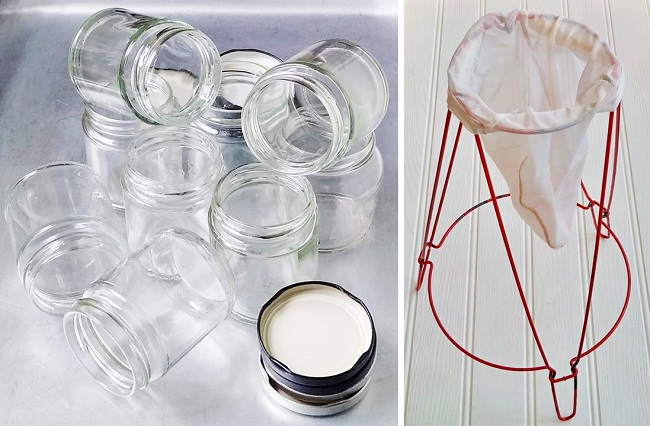
Jelly making kit. Images: Kathryn Hawkins

I always keep a good supply of glass jars on stand-by throughout the year, ready for filling as different fruit and veg comes into season. I give them a good rinse with hot soapy water and then sterilise them along with the lids – I gave up boiling jars to sterilise them, I now use a sterilizing fluid followed by a thorough rinse. I haven’t had any problems with any preserves spoiling since I switched to this less time-consuming method.

The jelly strainer is a piece of kit I’ve had for a few years. The whole contraption stands over a bowl or jug to catch the juice. If you don’t have a purpose-made jelly bag, line a large nylon sieve or strainer with some muslin and suspend over a deep bowl. Make sure you thoroughly clean all the equipment that comes into contact with the fruit or vegetable juice to maximise the keeping qualities for your preserves.

Lord_Derby_cooking_apple_with_jar_of_herb_apple_jelly
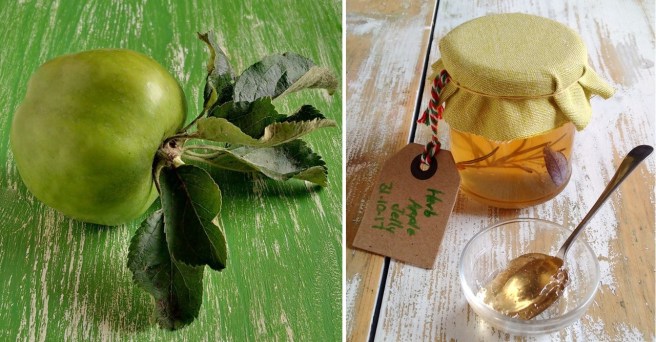
Homemade herb apple jelly. Images: Kathryn Hawkins

I’ve written a couple of savoury variations on a basic apple jelly recipe I made with my windfalls during the week. Both jellies are delicious with cheeses, barbecue food or roast meats and cold cuts. If you want a plain, sweet apple jelly (the best choice if you have a really tasty apple variety), just follow the recipe for the herb jelly below, and leave out the herbs.

Herb apple jelly

Makes: 1kg

Ingredients

  • 1.5kg prepared cooking apples, roughly chopped  – this is the overall weight once they have been thoroughly washed and all the bad bits taken out
  • Approx. 825g granulated sugar
  • A few sprigs of fresh rosemary and sage
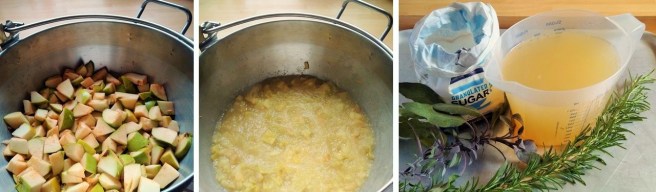
  1. Put the chopped apples (unpeeled, pips and stalks attached!) in a large saucepan. Pour over 1l cold water, bring to the boil, cover and simmer for about 10 minutes, mashing occasionally, until tender.
  2. Carefully ladle into a suspended jelly bag and leave to drip into a clean bowl or jug, in a cool place, lightly covered, overnight. Don’t be tempted to squeeze the bag, just let it drip through naturally. Jelly making is an excellent test of the patience!
  3. The next day, remove the juice bowl, and cover and chill it. Scoop the pulp back into a large saucepan and add a further 500ml water. Bring to the boil, then strain again as above, for a few hours – there won’t be so much juice the second time around, so 5-6 hours should be long enough.
  4. Measure both juice yield together and calculate the amount of sugar required as 450g per 600ml juice. My yield was 1.1l which needs 825g sugar, but if you have a juicy apple variety you will capture more juice.

    Making_herb_apple_jelly
    Herb apple jelly preparation in pictures. Images: Kathryn Hawkins
  5. Rinse and pat dry a large sprig of rosemary and sage. Pour the juice into a preserving pan or large saucepan, add the herbs, and heat until steaming. Stir in the sugar until it is dissolved, then raise the heat and boil rapidly until the temperature reaches 105°C on a sugar thermometer – this will take several minutes.
  6. Meanwhile, prepare the jars by adding a small sprig of washed rosemary and a sage leaf in each. Remove the jelly from the heat and let the bubbles subside. Skim away any surface residue from the top and discard the cooked herbs. This jelly begins to set quite quickly so ladle it into the jars and seal them while the jelly is piping hot. Leave to cool, then label and store in a cool, dark place for up to 12 months. The jelly is ready for eating right away if you can’t wait! Once opened, store in the fridge for up to a month.

    Small_tin_of_hot_smoked_paprika_spice_with_2_jars_of_homemade_apple_and_hot_red_pepper_jelly
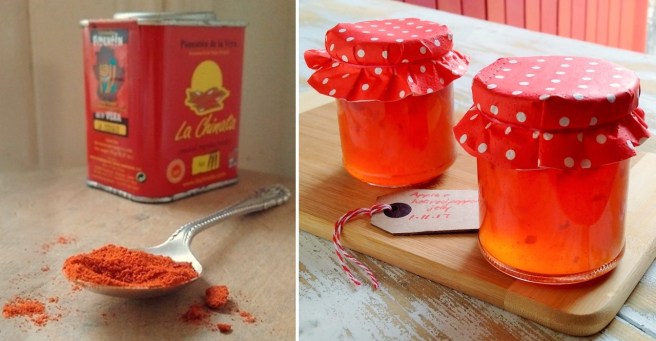
    Apple and hot red pepper jelly flavoured with hot smoked paprika. Images: Kathryn Hawkins

Apple and hot red pepper jelly

Makes: 900g

Ingredients

  • 1.25g prepared, chopped cooking apples (see above)
  • 500g prepared weight chopped red peppers (capsicum) (approx. 4 medium peppers), seeds and stalks removed
  • 6 garlic cloves, peeled and roughly chopped
  • 60ml cider or white wine vinegar
  • Approx. 675g granulated sugar
  • 2 bay leaves
  • 1 tsp salt
  • 1 tsp hot smoked paprika
  1. Put the chopped apples, peppers and garlic in a large saucepan and pour over 1l cold water. Bring to the boil, cover and simmer for about 20 minutes, mashing occasionally, until tender.
  2. Carefully ladle into a suspended jelly bag and let the mixture drip into a bowl or jug underneath. Leave in a cool place, covered lightly, overnight.
  3. The next day, put the pulp to on side and measure the collected juice. You will need 450g sugar per 600ml juice. Pour the juice into a preserving pan or large saucepan and add the vinegar and bay leaves. Heat until steaming hot and then stir in the sugar until dissolved.
    Preparation_steps_for_making_apple_and_hot_red_pepper_jelly
    Making apple and hot red pepper jelly. Images: Kathryn Hawkins


  4. Bring the juice to the boil and boil rapidly until the temperature reaches 105°C on a sugar thermometer. While the juice is boiling, pick out 50g of the cooked pepper and garlic, rinse, pat dry and chop finely – discard the rest of the pulp. Divide the chopped vegetables between your prepared jam jars.
  5. Once the jelly has reached the correct temperature, turn off the heat, discard the bay leaves and stir in the salt and smoked paprika. Divide between the jars – for even distribution of the vegetable pieces, wait for about 10 minutes before sealing the jars, then give them a quick stir with a teaspoon to suspend the vegetable pieces throughout the jelly before putting the lids on tightly. Cool, label and store as above. Best left for a month to mature before eating.

I’m a bit of a wimp when it comes to spicy heat in my food, so, although I call this “hot”, it’s pretty mild. However, if you can stand the heat, this is a good recipe to add as much chopped red chilli to suit your taste. Just cook the prepared chilli with the apples and peppers at the beginning of the recipe – leave the chilli seeds in as well if you like!


Baked coconut apples (gluten-free, dairy-free, vegan)

Cooking_apple_harvest
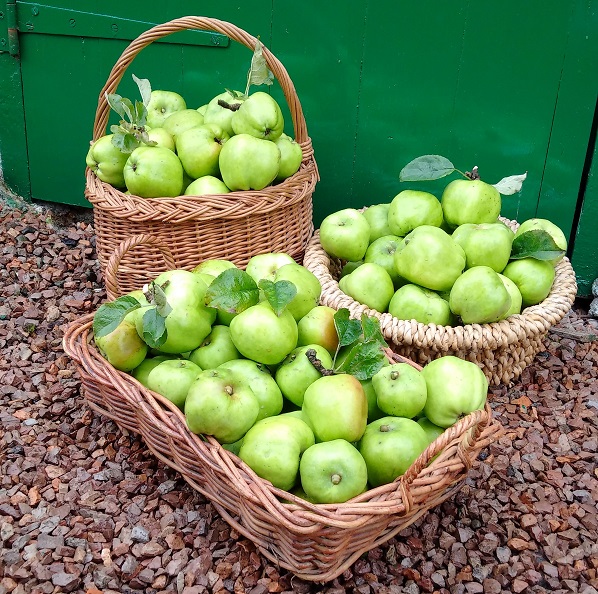
Late September harvest Lord Derby cooking apples. Image: Kathryn Hawkins

It seems like a long time ago since I picked all these apples from the aged tree in my garden. I still have plenty, stored in a fridge in the back kitchen, and every now and then I bake something suitably fruity. My apple store makes the perfect “turn-to” choice when the fruit bowl is running low, and cooked apple is so very comforting when it’s cold outside.

This variety of cooking apple, Lord Derby, is not particularly tart or exceptionally flavoursome but it retains texture when cooked which makes it the perfect choice for baking. I have often eaten the smaller ones like a crisp eating apple and they taste rather like a Granny Smith.

My recipe this week is a very simple dessert which tastes as good warm as it does at room temperature. I often bake a batch to have for breakfast accompanied with coconut milk yogurt. Delish 🙂 Add ground cinnamon or cardamom for a more seasonal flavour. If you don’t like or can’t eat coconut, vegetable margarine (or butter) is fine to use, and replace the coconut flakes with your favourite nuts or seeds, or use dried cranberries for a fruitier alternative.

Makes 6 – 8 servings

  • Juice of 1 lemon
  • 750g cooking apples
  • 75g coconut oil, melted (if you are not dairy-free, unsalted butter works well)
  • 50g Demerara sugar
  • ½ – 1 tsp ground vanilla pod (use a clean, old pepper mill/grinder and put chopped up dry vanilla pods inside – it works so well ground over fruit for baking)
  • A handful of raw coconut flakes
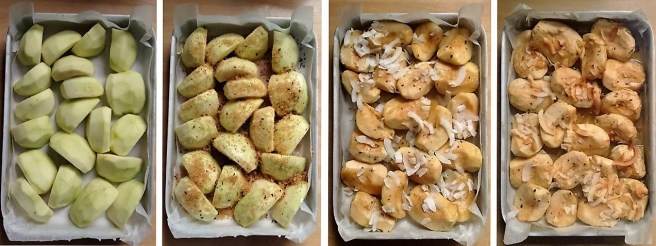
  1. Preheat the oven to 180°C (160°C fan oven, gas mark 4). Line a large shallow baking dish with baking parchment. Pour the lemon juice into a mixing bowl and half fill with cold water.
  2. Peel and core the apples. Cut into thick wedges. Put the prepared apple wedges in the lemony water and mix well – this will help keep the apples from discolouring too much. Drain the apples and blot dry with absorbent kitchen paper.
  3. Arrange the apple wedges on the baking tray and brush all over with the coconut oil. Sprinkle with the sugar and vanilla.
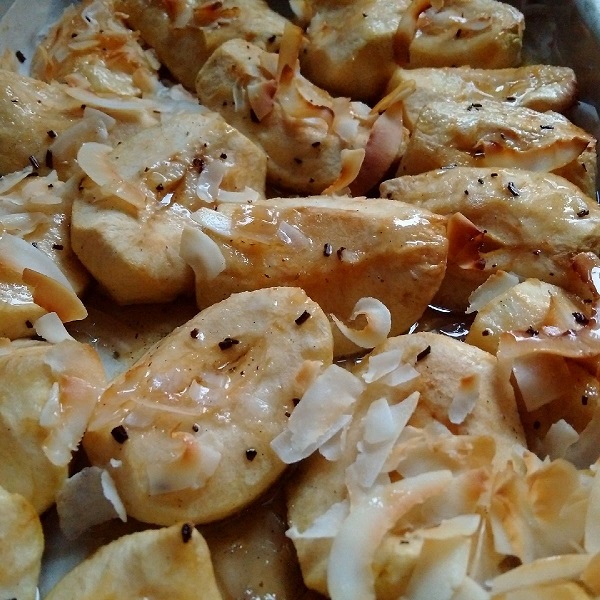
  4. Bake for 20 minutes, turning halfway through. Sprinkle with coconut flakes and continue to bake for a further 20 minutes or until tender and lightly golden. Best served warm with the cooking juices spooned over.
Coconut_baked_apples_step_by_step
Steps to making baked coconut apples. Images: Kathryn Hawkins
Baked_apple_wedges_with_coconut_and_vanilla
Freshly baked coconut apple wedges with vanilla. Image: Kathryn Hawkins


Apple crumble cake (gluten-free, dairy-free, vegan)

Old_Scottish_apple_tree
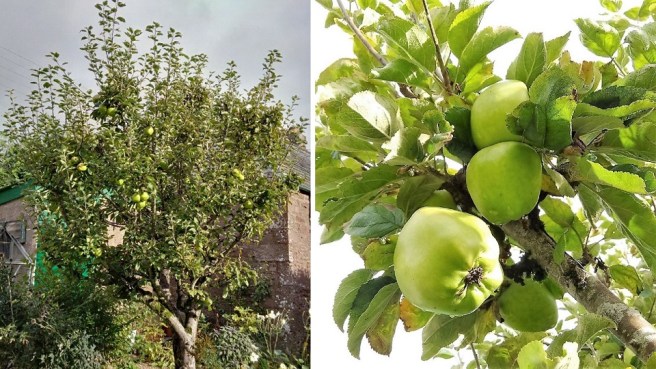
Lord Derby cooking apples. Images by Kathryn Hawkins

A couple of weeks ago, I picked a bumper crop of cooking apples from the old tree in my garden. I have no idea how old the tree is, but it’s gnarly and interesting to look at, and each year produces large, bright green apples with a slightly tart taste. The variety is called Lord Derby. The apples keep their texture when cooked and are perfect for thinly slicing and layering in a deep filled apple pie or peeled and quartered for a tart tatin. Kept in the cool and dark, this variety of apple stores for about 3 months – until about Christmas-time.

This is one of my favourite apple recipes. It keeps well if you can leave it alone, and becomes more cake-like as time goes on. Serve the cake hot or cold, for pudding or with coffee. I guarantee you’ll love it!

Serves: 10-12

  • 225g vegan margarine ( or lightly salted butter if you prefer),  softened
  • 165g + 2 tbsp Demerara sugar
  • 1 tsp natural vanilla extract
  • 350g gluten-free plain flour (such as Dove’s Farm)
  • 10g gluten-free baking powder (such as Dr Oetker)
  • 500g cooking apples
  • Juice 1 small lemon
  • 1 tbsp cornflour
  • 1 tsp ground cinnamon
  • 50g thick milled oats
  • 1 tsp icing sugar
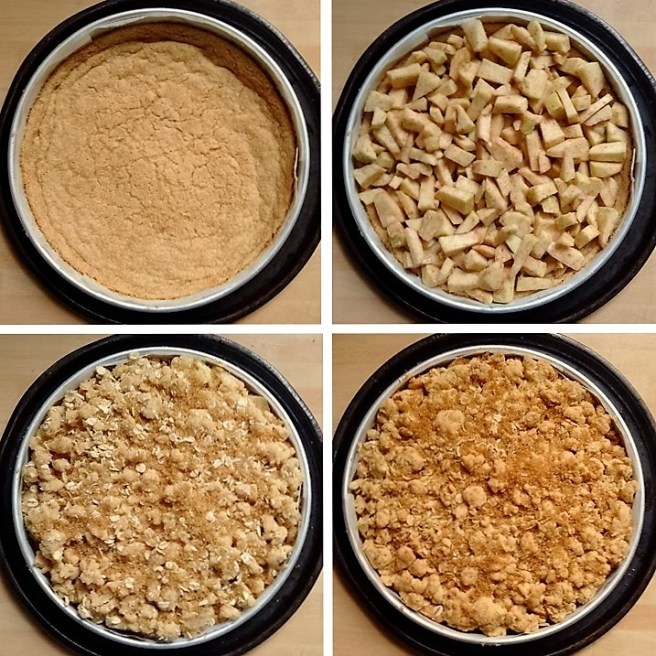
  1. Preheat the oven to 180°C (160°C fan oven, gas mark 4). Grease and line a 5cm deep x 23cm round, cake tin. In a mixing bowl, beat the margarine with 165g sugar and the vanilla, until well blended and creamy.
  2. Sift the flour and baking powder on top and bring together to form a crumbly mixture. Press about two-thirds evenly into the base of the tin to make a smooth, thick base. Prick all over with a fork and bake for 20 minutes until lightly golden and slightly crusty.
  3. Meanwhile, prepare the filling. Put the lemon juice in a bowl. Thinly peel and core the apples, and chop into small pieces. Toss in the lemon juice to help prevent browning. Drain away the excess juice and toss in the cornflour and cinnamon.
  4. Spread the apple evenly over the baked base. Mix the oats into the remaining crumble and spoon on top, making sure all the apple is covered. Sprinkle over the remaining Demerara sugar. Bake in the oven for about 40 minutes until golden brown and firm to the touch.

    Step_by_step_preparation_for_apple_crumble_cake
    Preparation of apple crumble cake. Images: Kathryn Hawkins

If you want to serve the cake as a pudding, leave it to firm up for 15 minutes before removing from the tin; otherwise leave it to cool completely and enjoy cold. Dust lightly with icing sugar just before serving. Enjoy!

Freshly_baked_gluten_free_apple_crumble_cake
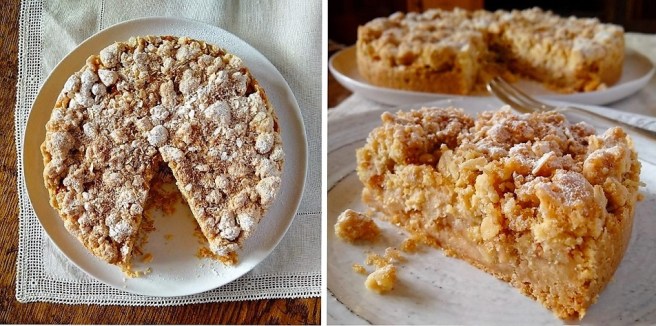
Homemade gluten-free apple crumble cake. Images by Kathryn Hawkins


My harvest festival

Homegrown_apples_pears_raspberries
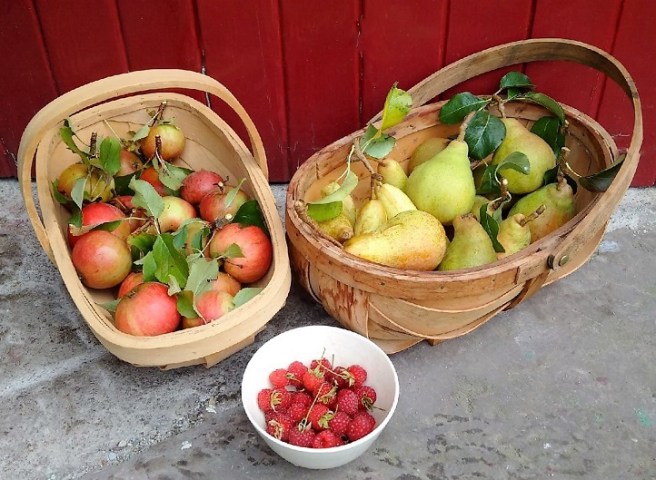
Today’s harvest of homegrown apples, pears and raspberries. Image by Kathryn Hawkins

Today has been my first opportunity to get into the garden for a while. Work has got in the way, and the weather has been pretty grim, so I seized the opportunity this morning and spent a couple of hours getting some fresh air and taking stock.

I was delighted to pick a bowl of late ripening raspberries – a delicious breakfast treat for tomorrow morning. I had expected that the birds would have been tucking in during my absence, but they are obviously feeding elsewhere.

Scottish_raspberries
Autumn Bliss – late fruiting raspberries. Image by Kathryn Hawkins

We have had an unusually mild September, and it’s really only been these past couple of weeks that the temperature has gone down a few degrees, but we have yet to have a frost. As a result, my runner beans flowered again, and tonight I will be enjoying freshly picked, homegrown beans with my supper – a first for me at this time of year.

Homegrown_Autumn_runner_beans
Second time around, October runner beans. Image by Kathryn Hawkins

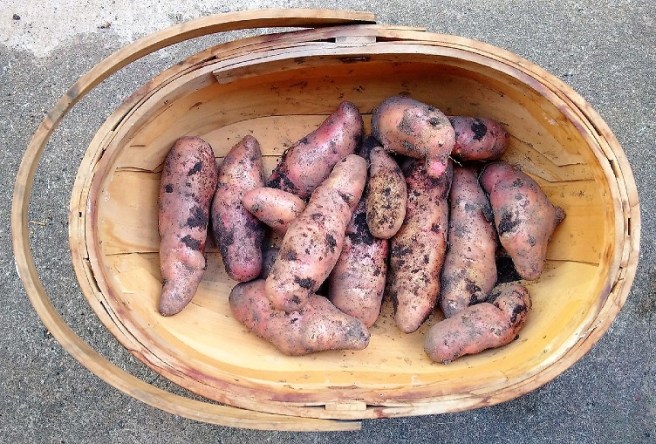
Scotland has an ideal climate for growing potatoes, and the Pink Fir variety I planted this year have done very well. Not usually a high yielding potato, I have been pleasantly surprised by how many potatoes the plants have produced so far, and I have plenty more to dig. Their cream coloured flesh is flaky and dry, and the pink, knobbly skin adds nuttiness to the flavour; they boil and roast well.

Homegrown_Pink_Fir_potatoes
Trug of freshly dug pink fir potatoes. Image by Kathryn Hawkins

Last year, I didn’t get the chance to try any eating apples from the garden. One of my trees produced no fruit at all, and the apples from on other tree were enjoyed by the birds before I got a look in! I have victory over my feathered friends this year, although I did leave a few of the really wee ones on the tree for the colder weather, when the birds do finally get peckish. I am looking forward to trying the apples; they are quite small but look very enticing with their shiny scarlet blush.

Homegrown_red-skinned_eating_apples
Cute little eating apples – variety unknown. Image by Kathryn Hawkins