Calcium-rich pesto bean salad (gluten-free; dairy-free; vegan)

Bean_and_pesto_salad_rich_in_calcium
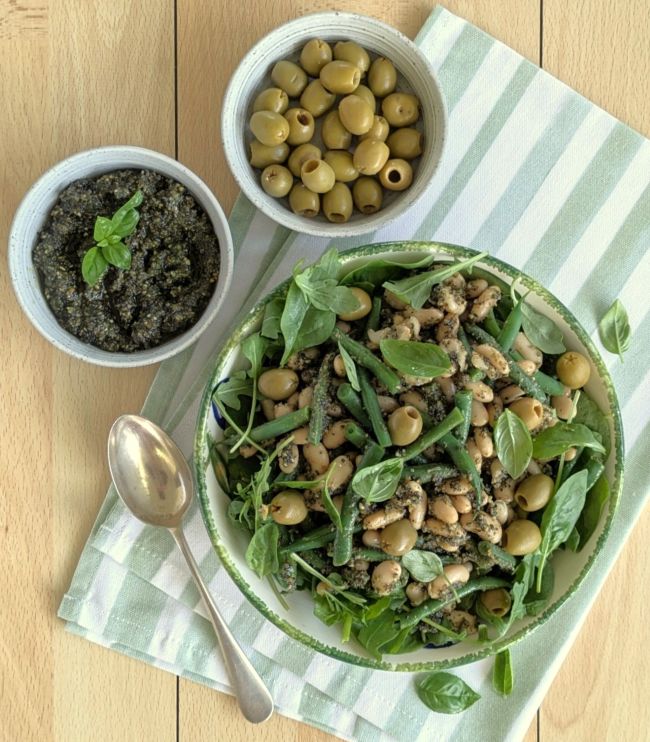
Bean salad flavoured with almond and poppy seed pesto. Image: Kathryn Hawkins

Hello there. I hope you are enjoying some good weather this season. It’s been very hot here in the UK again, and so salads are very much still on my daily menu. To follow on from my post last month which you can read here , I have another recipe which can help towards increasing your calcium levels if you are on a gluten-free, dairy-free and/or vegan diet.
Scottish_greenhouse_green_beans_Cobra_variety
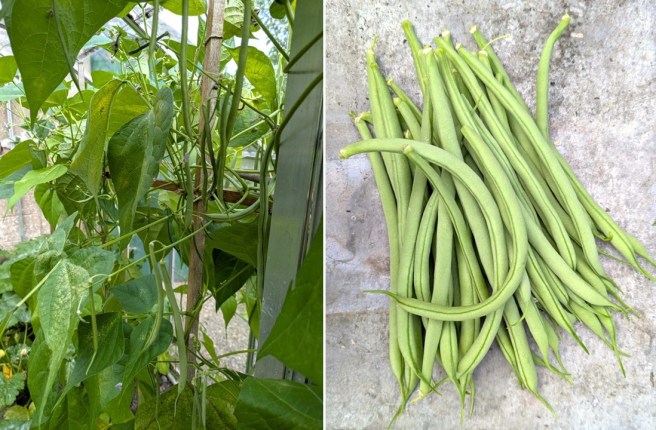
Gorgeous greenhouse green beans. Images: Kathryn Hawkins
Homegrown_Scottish_greenhouse_basil
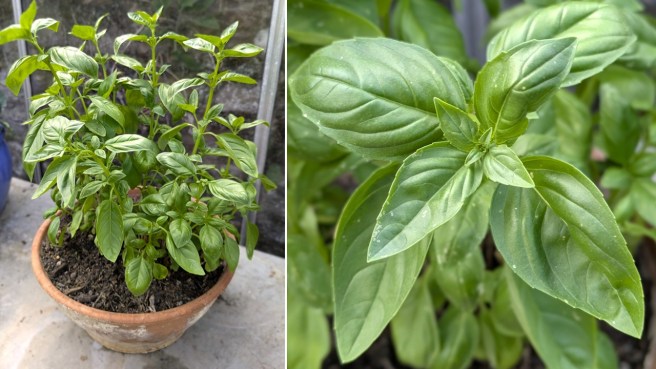
Summery greenhouse basil. Images: Kathryn Hawkins

It’s been a bumper season for the green (French) beans (Cobra variety) in my greenhouse. The vines have been producing an abundance of beans for several weeks now, and the basil plant loves all the heat and sunshine as well. To my delight, I discovered that both green beans and basil offer useful amounts of calcium, and that’s how my recipe this month began.
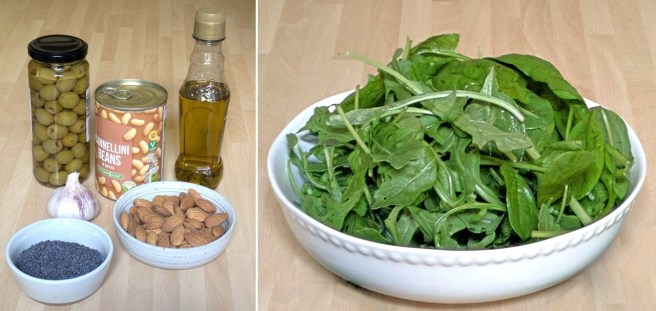
Gluten-free_dairy-free_vegan_calcium-rich_salad_ingredients
Calcium-rich salad ingredients. Images: Kathryn Hawkins

Combined with some other calcium-rich ingredients, this tasty salad is delicious on its own or as a side dish. The table below gives you a breakdown of which ingredients contain the most calcium so that you can make up your own combinations.

Rocket216mg calcium/100g
Baby spinach119mg calcium/100g
Cooked cannellini beans93mg calcium/100g
Cooked green beans61mg calcium/100g
Green olives61mg calcium/100g
Fresh basil250mg calcium/100g
Whole almonds269mg calcium/100g
Poppy seeds1580mg calcium/100g
Garlic19mg calcium/100g

Source: McCance and Widdowson’s The Composition of Foods

For the pesto, put 20g fresh basil in a food processor with a peeled garlic clove and add 50g roughly chopped whole almonds, 20g poppy seeds and some salt. Pour over 60ml extra virgin olive oil and blitz until smooth.
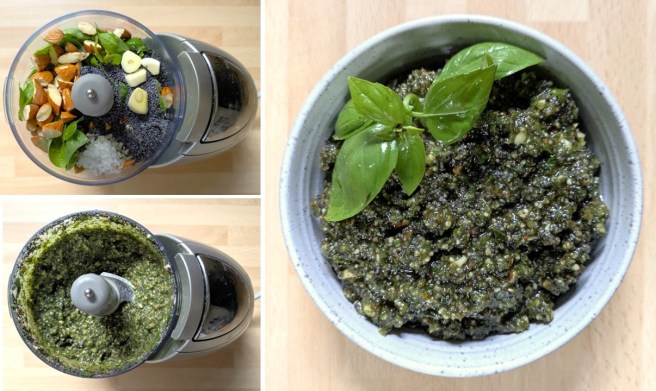
Vegan_Almond_and_poppy_seed_pesto
Making almond and poppy seed pesto. Images: Kathryn Hawkins

For the salad, I combined 240g canned cannellini beans with 100g chopped cooked green beans and half the pesto sauce above. I lined a salad bowl with 40g wild rocket and 20g baby spinach and piled the bean mixture on top. Serve with 100g pitted green olives and extra basil leaves, with the remaining pesto on the side.

Steps_to_making_calcium-rich_bean_salads_for_gluten-free_dairy-free_vegan_diets
Assembling the salad. Images: Kathryn Hawkins

The salad serves 4, and each portion will provide 238mg calcium and 330 calories.

That’s me for another month. Hope to see you again soon. Thanks for stopping by 🙂
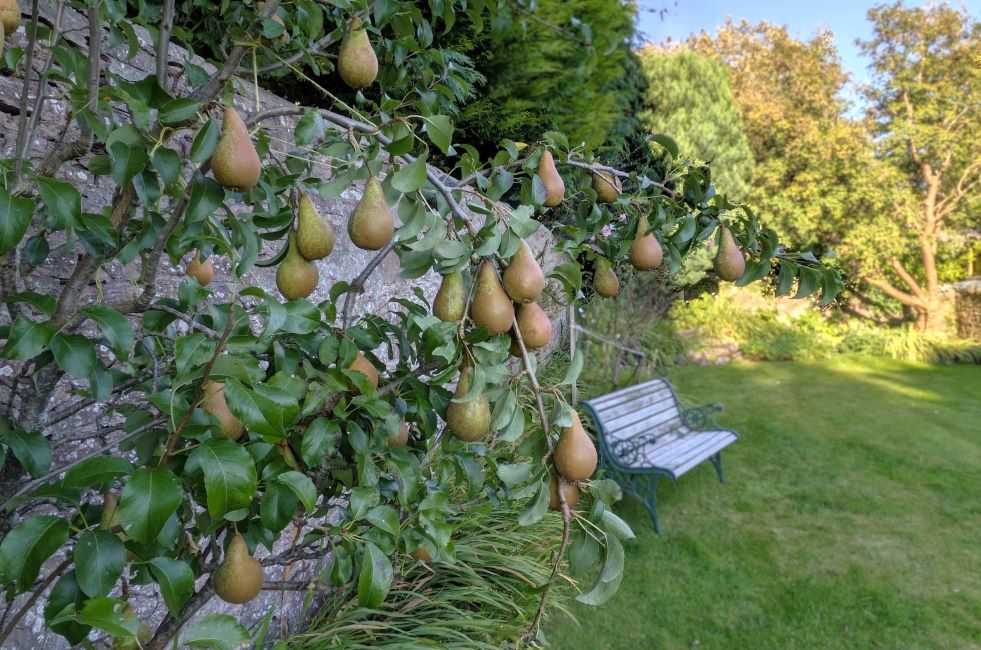
A September garden tale

Concorde_pear_tree_Scotland_September_2024
End of September and the pears are almost ready for harvest. Image: Kathryn Hawkins

Hello there. It’s nearly the beginning of a new month, and Autumn will soon be in full swing. September has been a pretty dry month here in central Scotland, unlike other parts of the UK. So dry in fact that the water butt is almost empty which is almost unheard of at this time of year. But no doubt Mother Nature will make up for it next month and you’ll be reading about it in my next garden post!

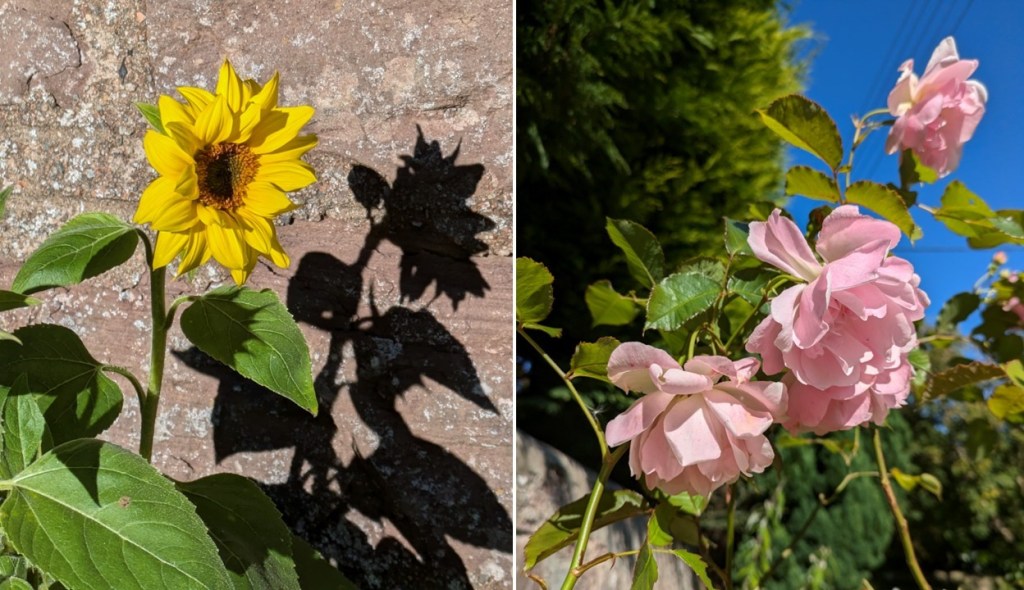
The day and night temperatures have lowered as the month has gone on. A few days ago, it was gloriously sunny and warm, and the sunflowers and rose opened up in response.

Sunflower_and_pink_roses
Sunshiny flowers. Images: Kathryn Hawkins

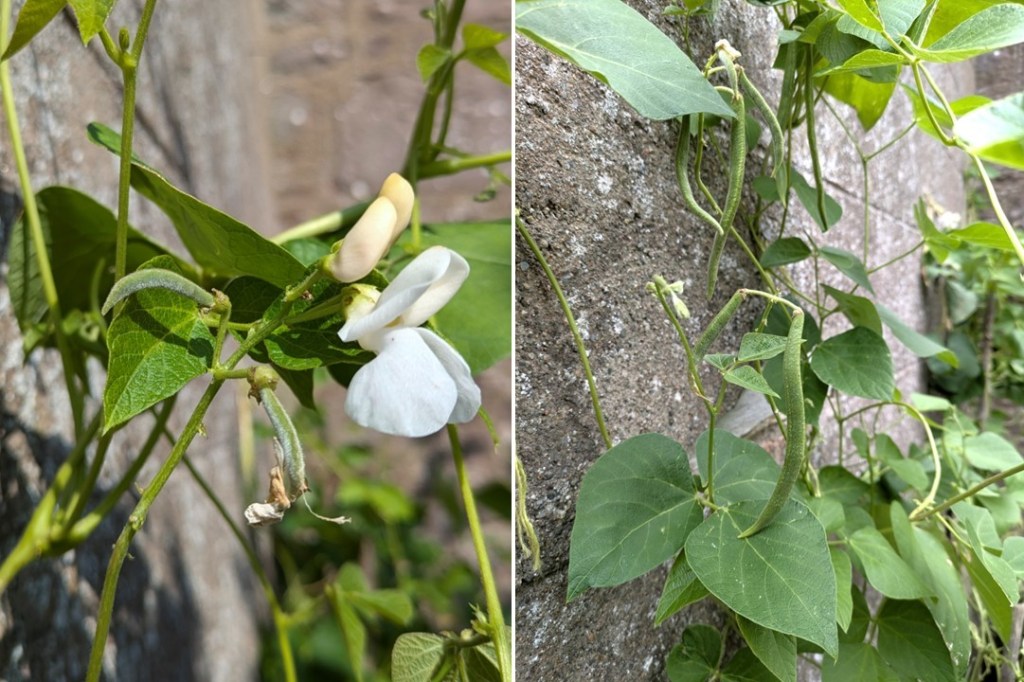
In the greenhouse, the Cobra French beans are still producing flowers and juicy green beans. Such a tasty treat.

Cobra_French_beans_growing_in_late_September
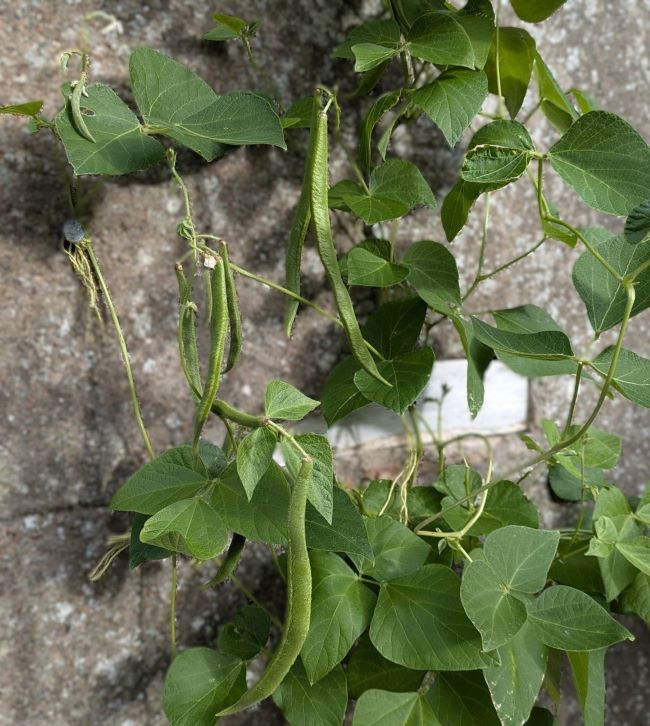
A very beany harvest. Images: Kathryn Hawkins

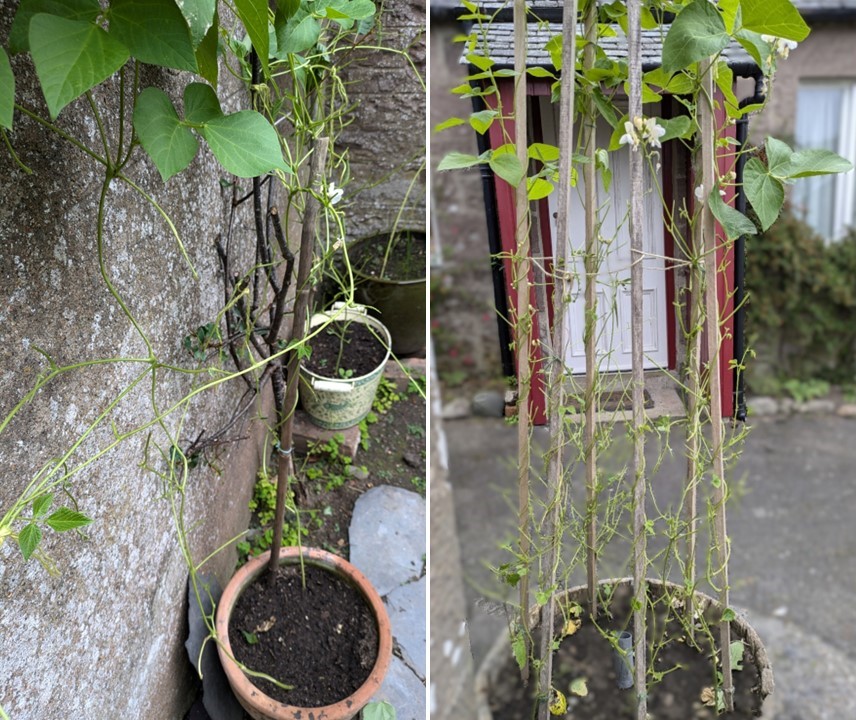
And so to my tale. I was late planting runner beans this year and ended up leaving them in the greenhouse in large pots for quite some time. In mid August, the beans were failing to pollinate behind glass, I carefully moved them outside. After a few days of warm sunshine, regular watering and some feed, the beans started to form and began to develop very quickly. So pleased was I, I had a whole post planned on how to successfully grown runner beans late into the season.

Early and mid-September_runner_beans_developing
Late starting runner beans. Images: Kathryn Hawkins

Then, early one morning in the middle of this month………

Deer_damage_to_homegrown_Scottish_runner_beans
Deer oh deer! Images: Kathryn Hawkins

……this is what I woke up to! And here’s the culprit. Now a frequent visitor, he/she has also taken a liking to Salal berries (amongst many other plants!). I’m not too bothered about the berries as they are very hardy, but, the beans, I could have cried!

Young_deer_in_Scottish_garden
Bean and berry eating Bambi. Images: Kathryn Hawkins
September_runner_beans_fleeced_for_protection
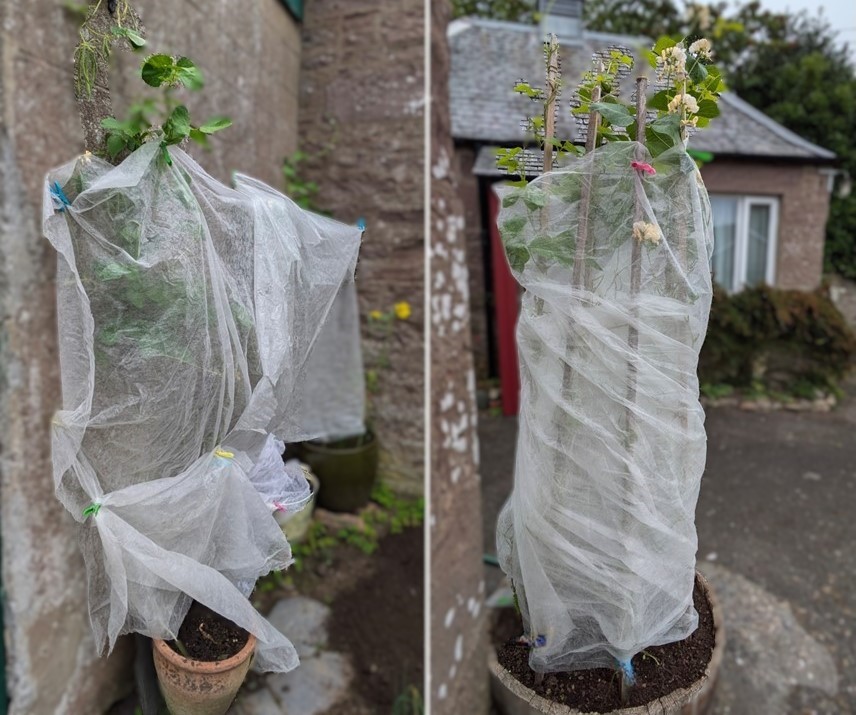
Bambi-proof, fleeced beans. Images: Kathryn Hawkins

After some hasty fleece wrapping, a few days on, the beans seem to be thriving again. The foliage and beans further up the stems were undamaged, and this is how they look this weekend; I may get to taste homegrown runner beans after all this year 🙂

End of September_Runner_beans
Beans in recovery. Image: Kathryn Hawkins

Another garden visitor who does no damage, is this delightful Robin who has started singing his heart out most days in the holly tree. Not the greatest of photos, but his song is an absolute delight to hear, and it is so loud!

Singing_garden_robin_September_2024
Singing his heart out. Images: Kathryn Hawkins

I’m ending my post this week with an image of a radiant September sunset I captured this week. No sooner had I taken this picture, than the colours faded and it became dark very quickly. It was a glorious sight for a few short minutes at the end of a busy day. Until next month, thanks for reading my post. Best wishes 🙂

End_of_September_sunset_2024
Scottish September sunset. Image: Kathryn Hawkins

French (Green) beans – tips and serving suggestions

Freshly_picked_homegrown_French_beans
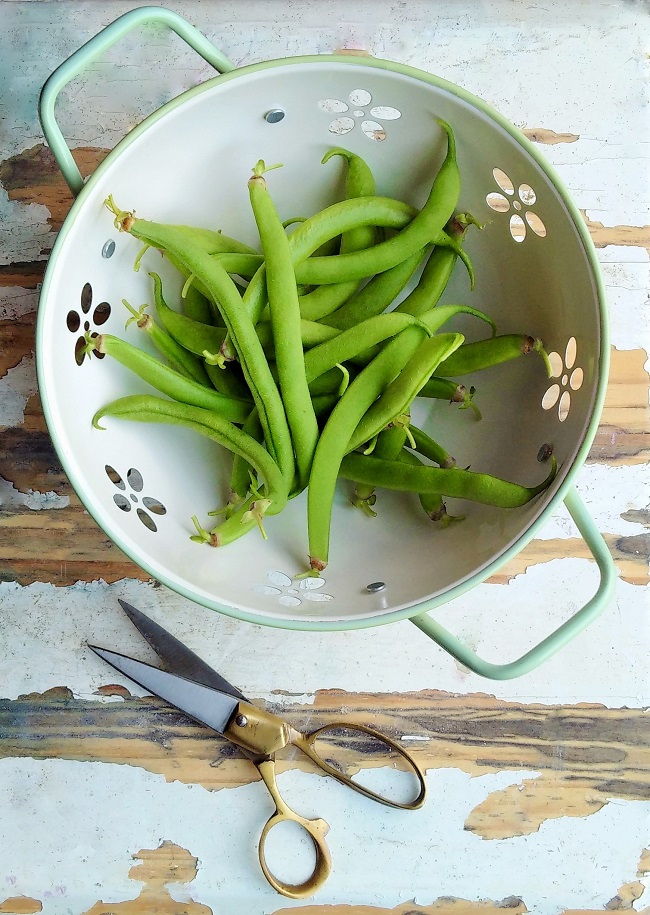
My first French beans of the season. Image: Kathryn Hawkins

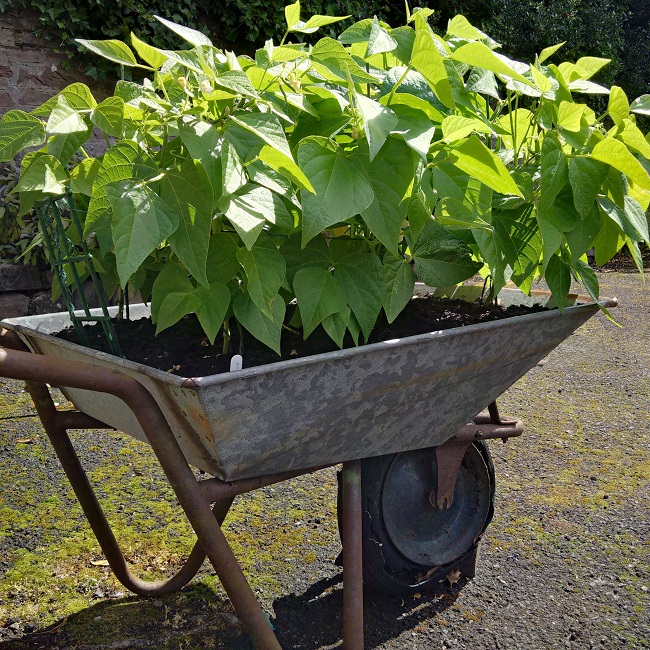
I haven’t grown French beans for a few years. I like the vegetable very much but have preferred to grow runner beans instead. This year I fancied a change. I decided to make holes in the bottom of an old wheelbarrow, fill it with compost and raised a few plants from seed. Much to my delight, my first harvest was ready to pick this week, and there are plenty more to come. I had my doubts about the barrow; we have had so much rain on and off over the past few weeks, I was convinced it would become water-logged and the beans would drown. In fact,  I have been fussing around them like an old mother hen for weeks. But all to the good, the plants seem very healthy and my efforts have paid off.

French_beans_growing_in_a_wheelbarrow
My barrowful of beans. Image: Kathryn Hawkins

I grew a dwarf variety, which doesn’t usually require support. However, I did tie each plant to a thin cane as the barrow is quite shallow and the plants were beginning to sway around in the wind. Ideally, French beans thrive at their best in a sheltered spot; they love the sunshine, plenty of feeding, and whilst they like a lot of water, they need a free-draining soil – hence my worry over the barrow becoming water-logged.

French_bean_flowers_and_beans_on_the_vine
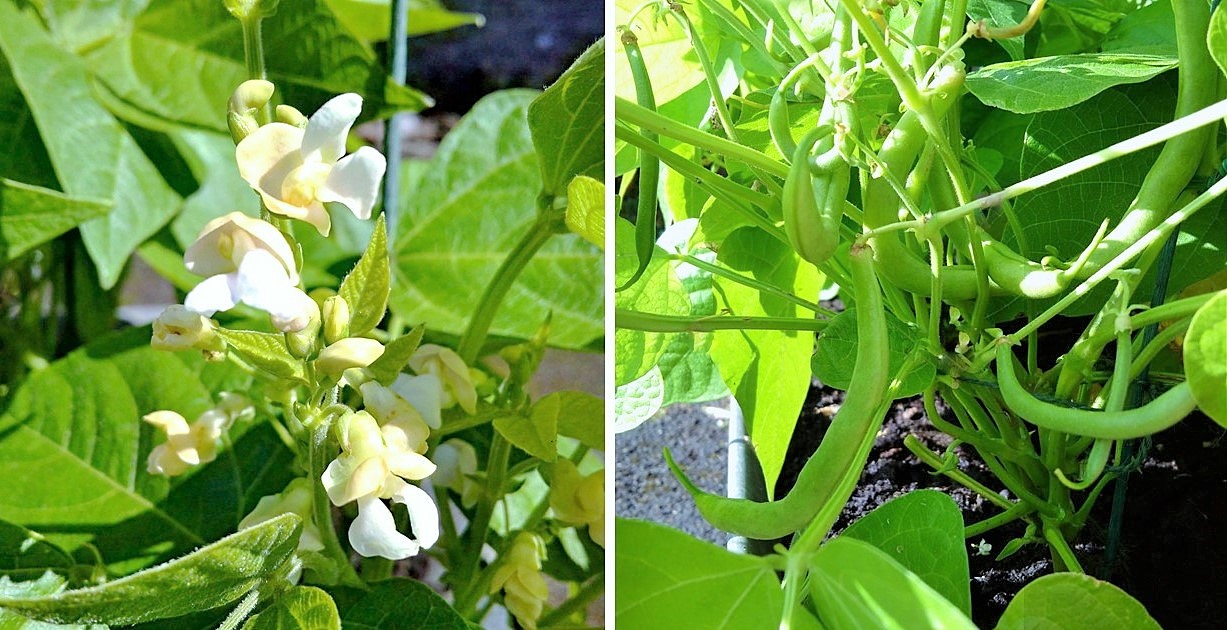
French bean plant in flower and in bean! Images: Kathryn Hawkins

Once the dainty, cream-white flowers have formed, the young beans develop quite quickly, and the full-grown beans are ready for picking in 4 to 6 weeks – the perfect bean for the impatient gardener! Pick the beans young to enjoy the super-tender texture, and also to encourage the other beans on the plant to grow. In spite of their name, it appears the beans originated in South America, although they have long been associated with the cooking of France. If you leave the bean pods on the plants, they will form beans inside the pods which can be picked, shelled and eaten as flageolet beans (another French delicacy and favourite of mine). Leave them longer still, and you’ll have your own haricot beans for drying and storing. Sadly, I don’t have the climate for haricots, or for that matter, the ability to resist picking the pods!

French_bean_preparation
Preparing French beans. Image: Kathryn Hawkins

Preparation is simple, just nip off the stalk end and cook the beans whole, either steaming them for 6-8 minutes, or cooking in a little boiling water for 4-5 minutes. They freeze well: just blanch them in boiling water for barely a minute and then refresh, dry and pack as for any other freezer-destined vegetable.

Serving suggestions:

  • All beans are best picked, cooked and served as fresh as possible. Dress with a knob of butter or a drizzle of olive oil, a pinch of salt and pepper and a few freshly chopped, soft-leaved herbs sprinkled over the top – basil, mint, parsley, coriander, tarragon and chives are great flavours for all beans.
  • Once cooked, chop French beans into short lengths and mix with lightly cooked and mashed butter beans. Season and mix in lots of chopped parsley, then dress with a lemon and honey vinaigrette. Perfect served on freshly toasted bread.
  • Add chopped, cooked French beans to a frittata, omelette or scrambled egg, and flavour with chopped chives.
  • Dress a plate of freshly cooked warm beans with a few shakes of balsamic vinegar and a light dusting of brown sugar.
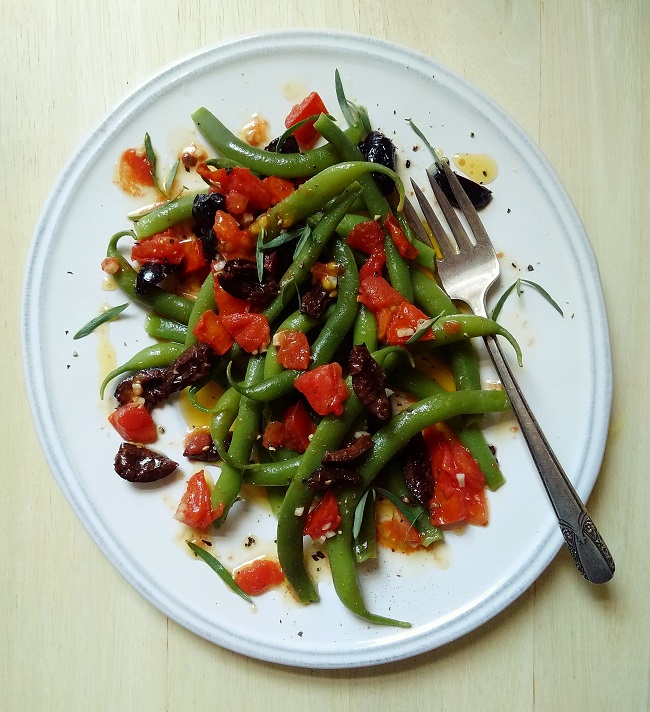
  • This is one of my favourite French bean recipes: heat 2 tbsp. olive oil with a finely chopped garlic clove for 1 minute over a low heat. Add a chopped ripe tomato and a few chopped, pitted dry-pack black olives. Season with a pinch of salt and a pinch of sugar. Heat through gently for 2-3 minutes. Pour over freshly cooked warm French beans, and serve sprinkled with freshly ground black pepper and a few tarragon leaves. Bon appétit!

    Plate_of_freshly_cooked_warm_French_beans_with_garlic_and_tomato_ressing
    A favourite warm French bean salad. Image: Kathryn Hawkins

    Freshly_picked_homegrown_French_beans_still-life
    Home-grown French beans. Image: Kathryn Hawkins