Welcome to my blog all about the things I love to grow and cook. You'll find a collection of seasonal gluten-free, dairy-free and vegan-friendly recipe posts, as well as a round up of my gardening throughout the year. I wish you good reading, happy cooking and perfect planting!
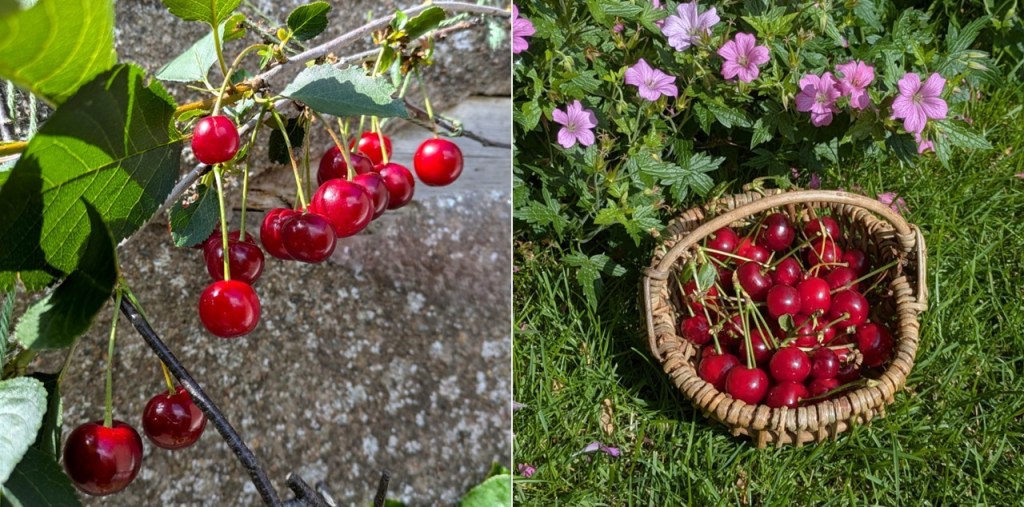
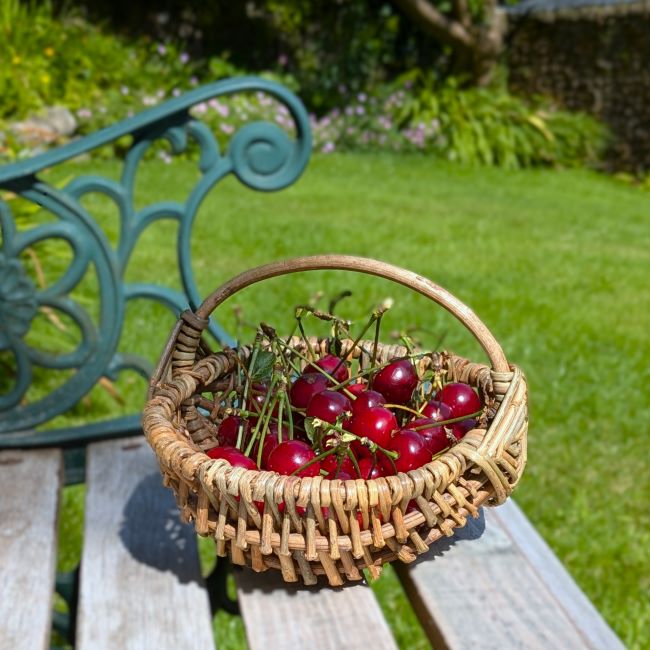
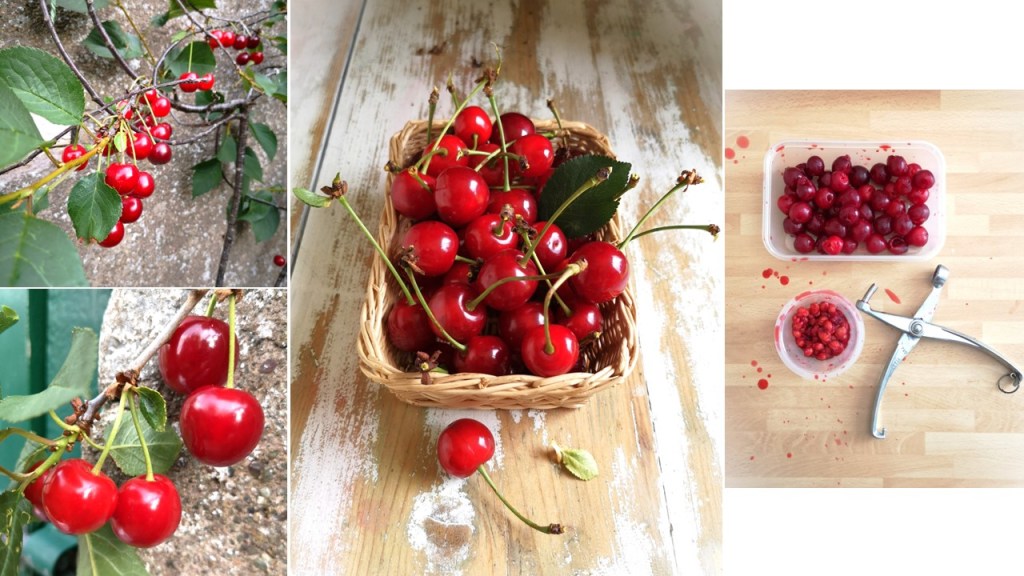
Hello again. I thought I’d take a look back at the month and post a few pics of what’s been happening in the garden. This is the time of year when the soft fruit is ready. The cherries were picked a few days ago. The Morello tree is only very small, but I picked enough for a pie and managed to keep them protected from our feathered friends.
Ripe and juicy pickings. Image: Kathryn Hawkins
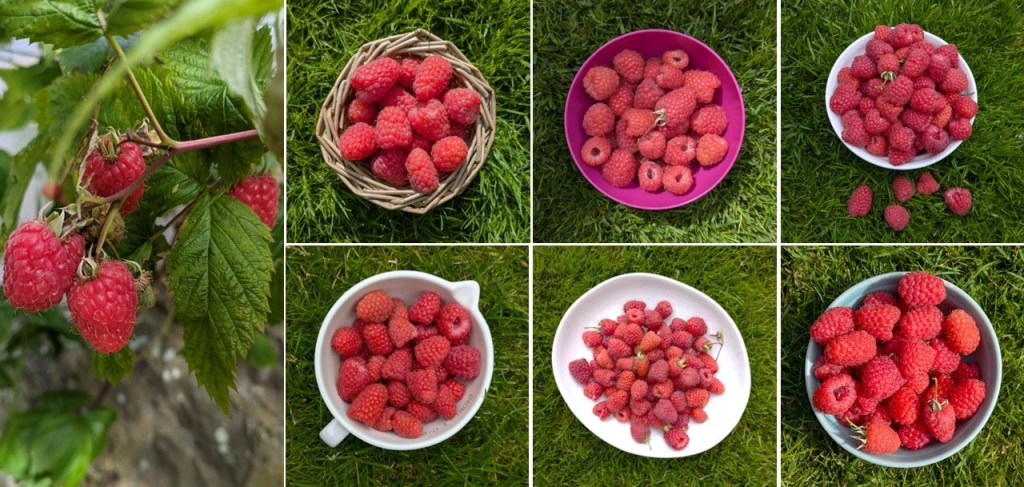
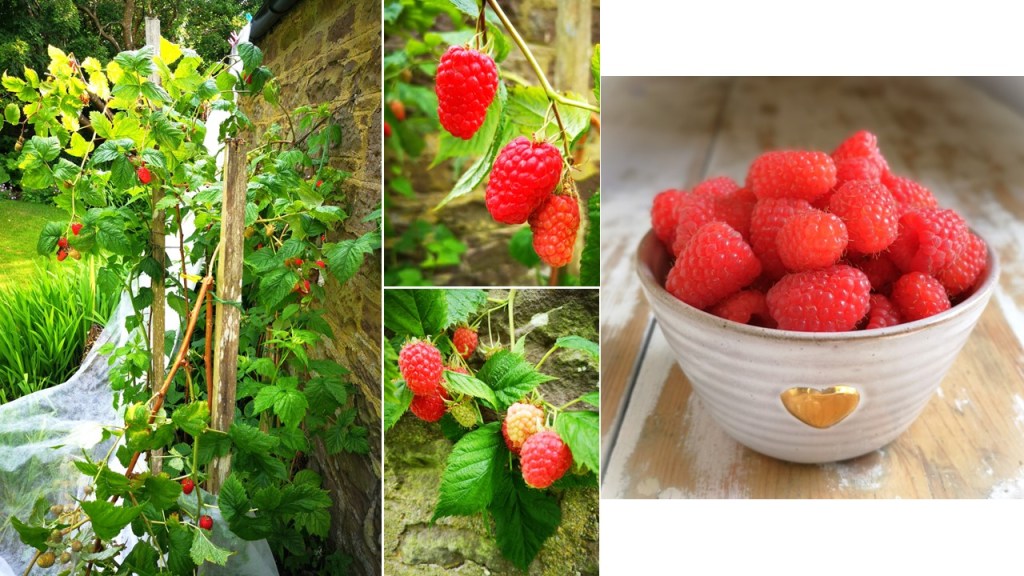
Only a few of the original canes of raspberries remain in the garden now. PLanted about 18 years ago, they still produce a fair few berries over the month. There are still a few left to ripen.
This year’s raspberry haul so far. Images: Kathryn Hawkins
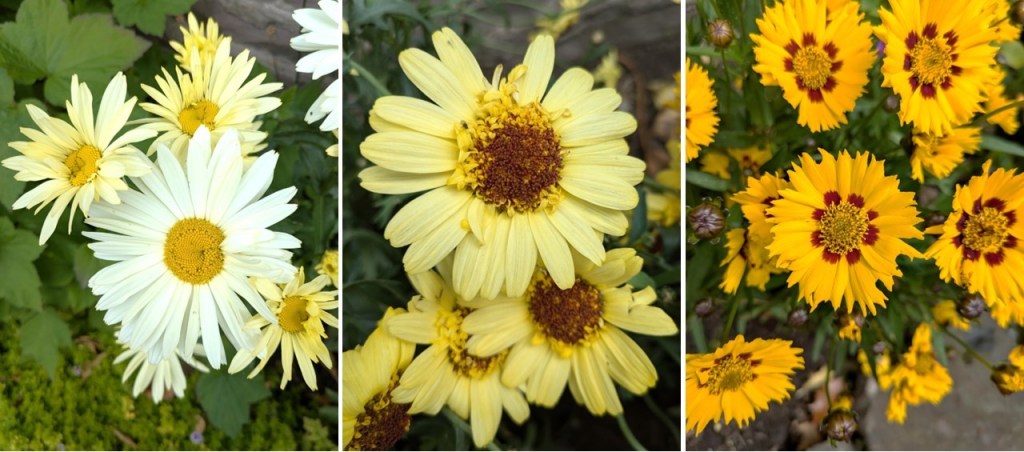
Brightening up what continues to be a very up and down summer season this year, are some very colourful blooms. These 3 golden beauties produce new flowers right through until early Autumn.
Left to right: Bananas cream Leucanthemum, Argyranthemum, and Sunfire Coreopsis. Images: Kathryn Hawkins
All the lavenders and bellflowers (Campanulas) in the garden have done very well this year – they obviously appreciate the mix of sunshine and showers we’ve been having for the past few weeks. Very popular with our little winged, buzzing friends as well.
Lovely lavender and beautiful Bellflowers. Images: Kathryn Hawkins
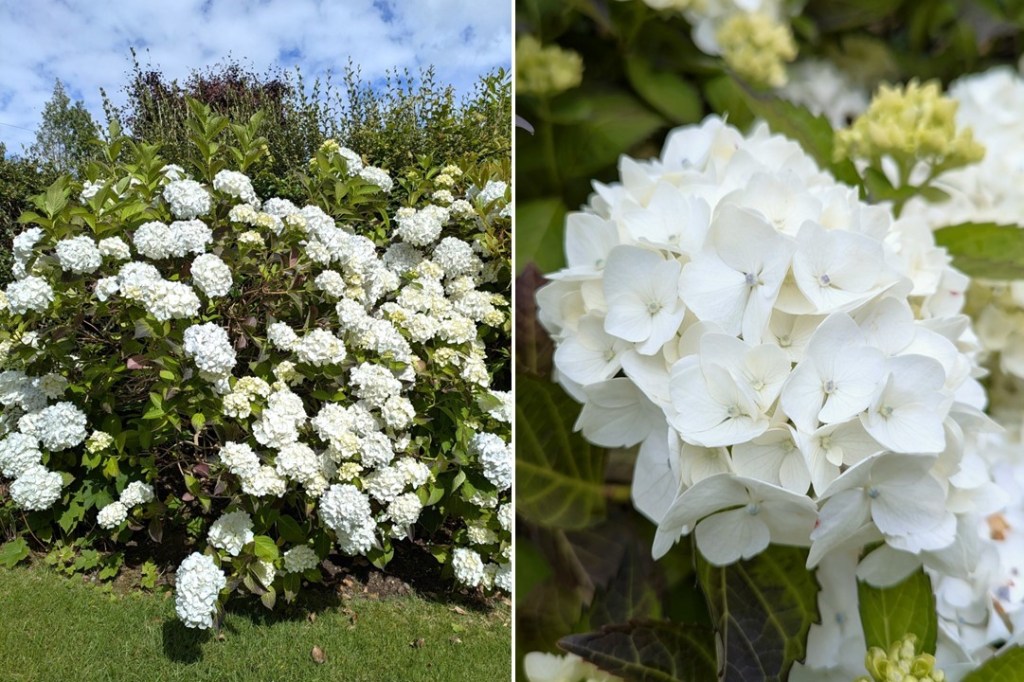
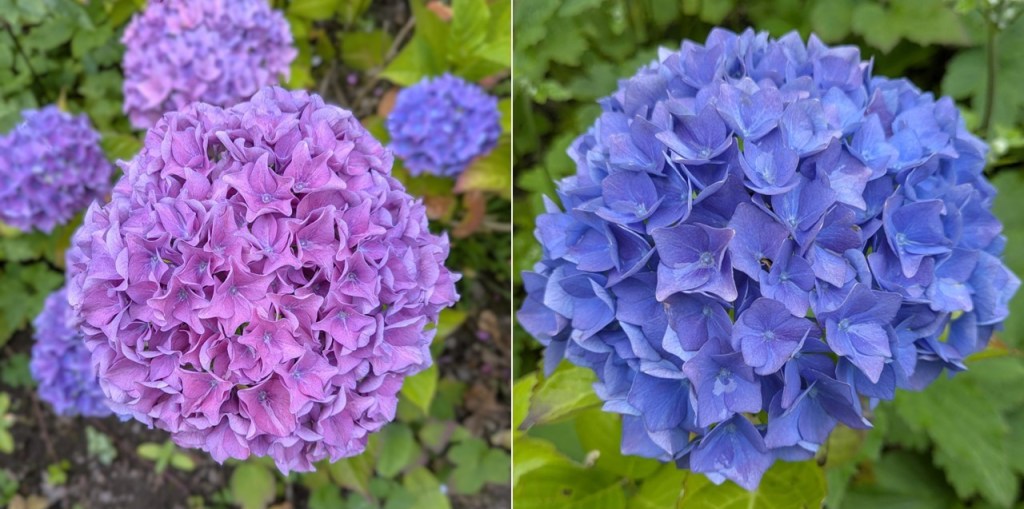
The old white Hydrangea bush is putting on a great display of blooms this year. Elsewhere in the garden, these more recently planted mauve and blue varieties are also thriving. The colours are at their most vivid at the moment.
Gloriously white Hydrangea blooms. Images: Kathryn Hawkins
Cool coloured Hydrangeas. Images: Kathryn Hawkins
Last year a white Delphinium was added to this flowerbed which did so well, another one was planted a few weeks ago. The tall stems add great height to the beds and make the Hydrangeas look even bolder in colour.
Bold and bright Summer shades. Images: Kathryn Hawkins
And that’s me for another post. Looking forward to the month ahead, I’ll be back in the kitchen for my next post. Until then, thanks for taking the time to stop by 🙂
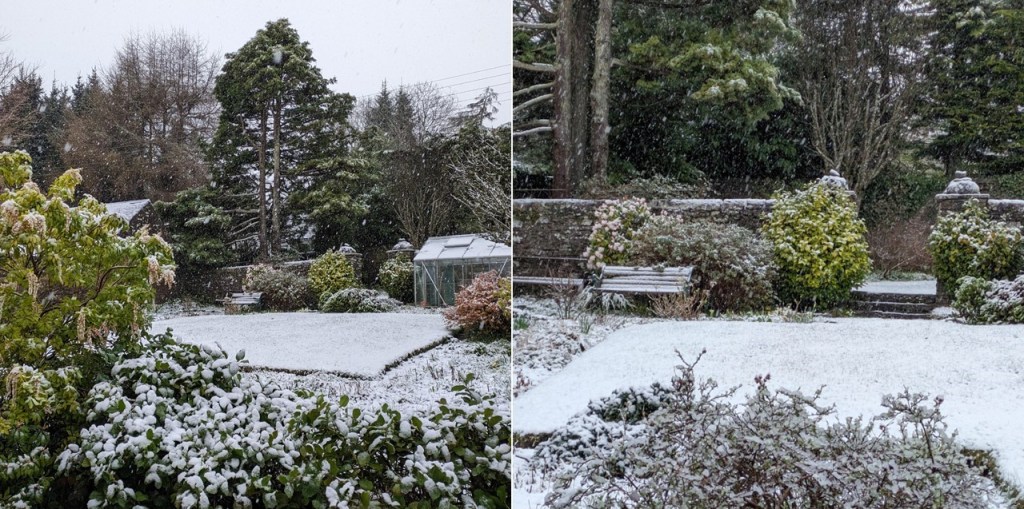
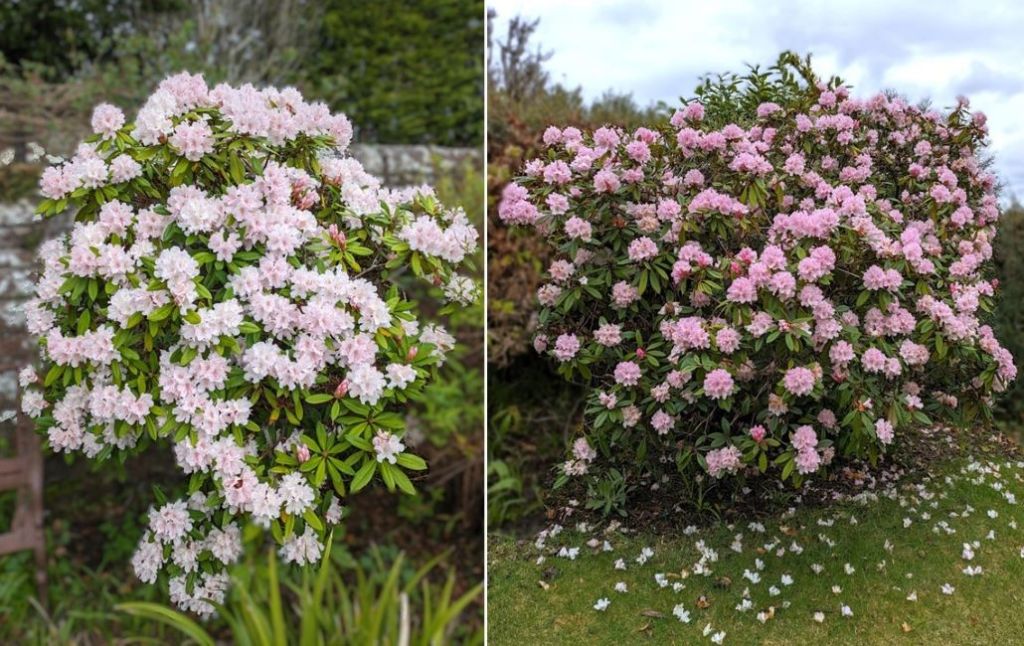
Hello again. This was the scene here at the beginning of the week. A bit of an unexpected start to the new month. I’m happy to report that the snow was quickly washed away by rain and none of the spring flowers appear to have been damaged by this wintry blast. You can just make out the pale pink Rhododendron behind the seat in the picture above, and below is the same plant taken yesterday, alongside a pinker variety from the front garden 🙂
Rhododendrons in the pink. Images: Kathryn Hawkins
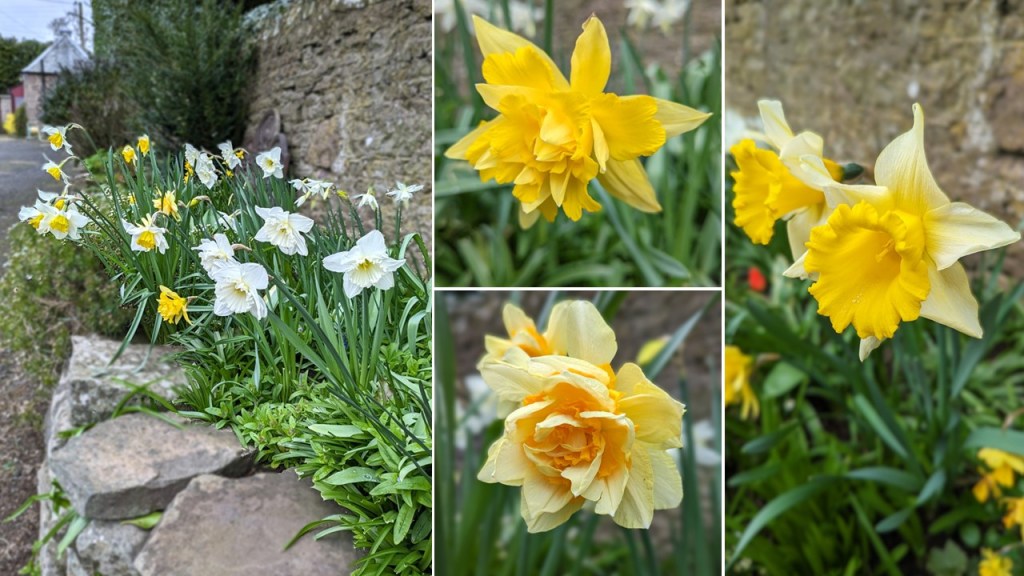
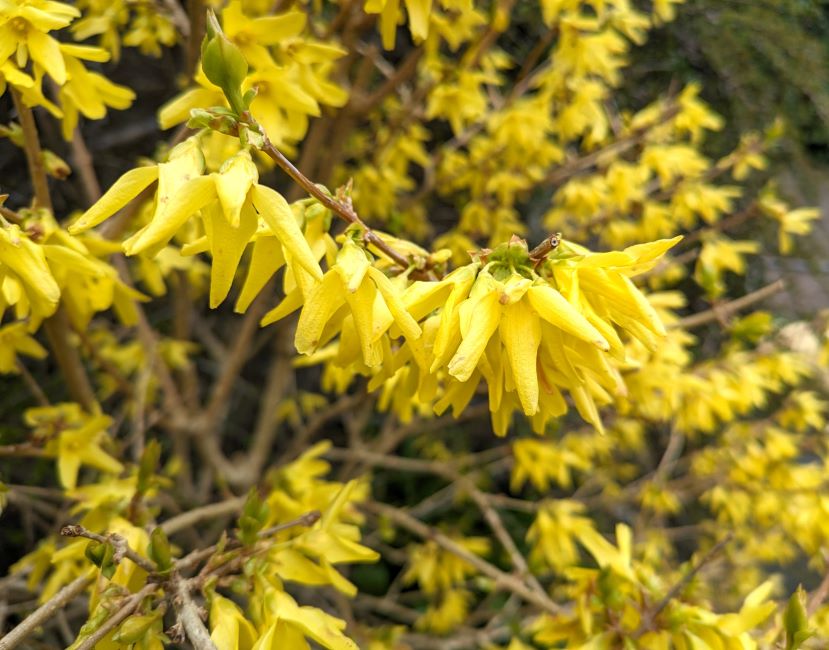
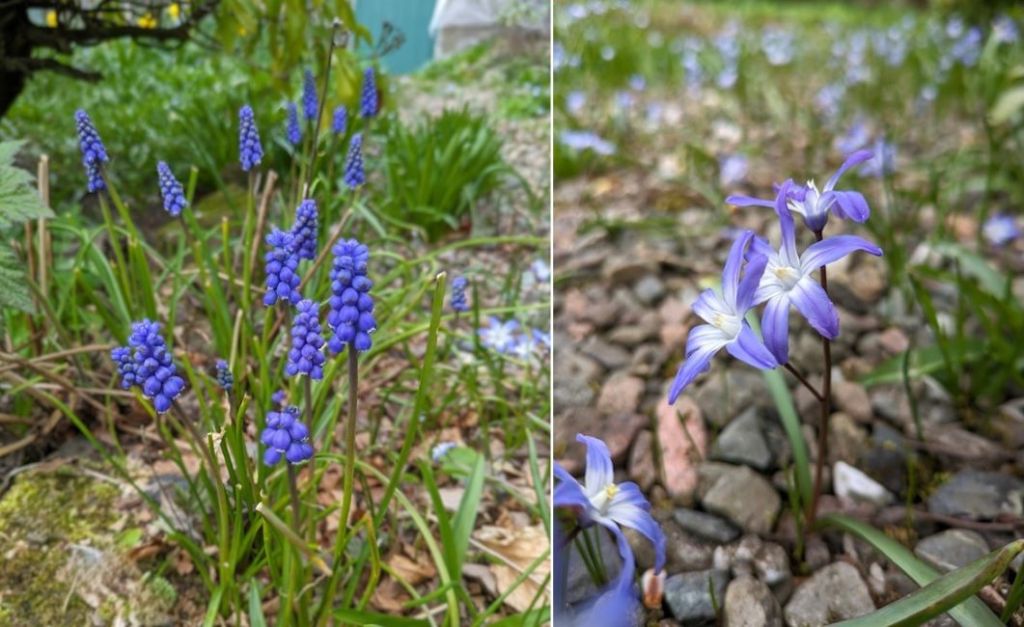
April and May are two of the most colourful months in the garden, and I never tire of the different flowers around at this time of the year. From the golden yellow Daffodils, Forsythias and Primroses, to the cool blue Muscari and Chionodoxa, with plenty of shades in between.
Delightful Daffodils. Images: Kathryn Hawkins
Golden Forsythia. Image: Kathryn Hawkins
New season garden primroses. Images: Kathryn Hawkins
Spring blues. Images: Kathryn Hawkins
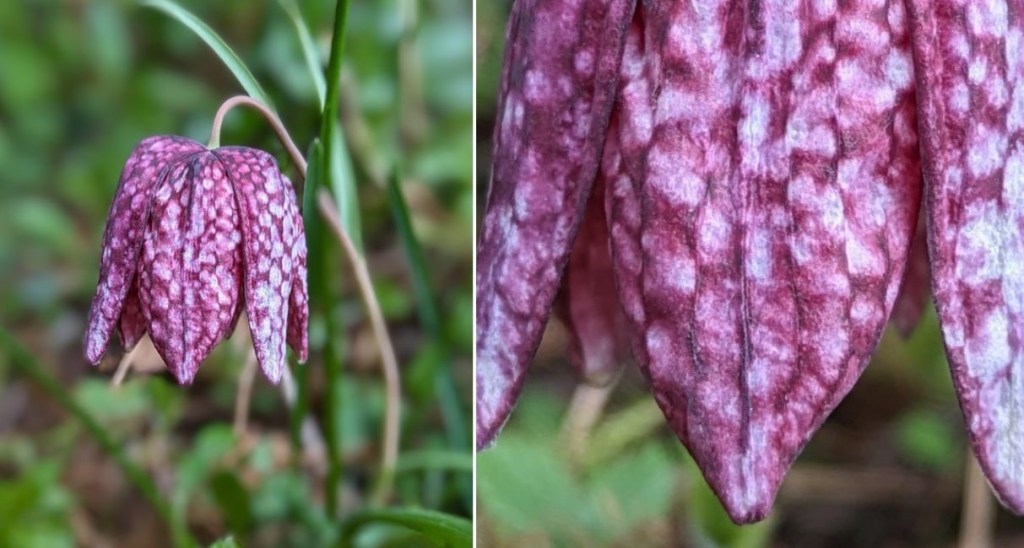
One of my all time Spring favourites is the exotic looking Snakeshead Fritillary. There are a few dotted around the garden, and this is the first one to “hatch” its wonderous mottled petals.
My Spring favourite. Images: Kathryn Hawkins
The Camellia bushes don’t usually produce that many flowers and often get affected by the weather. I managed to capture these blooms before anything happens to them. I love their waxy-looking petals, and I hope they stay around for a while longer.
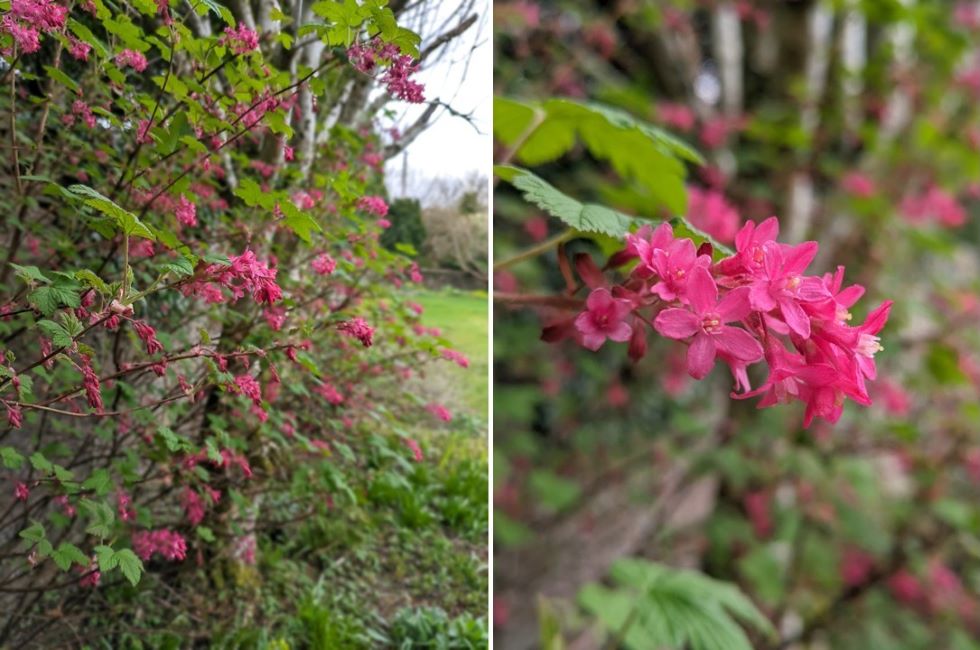
There are two plants in the garden that have the most delicious aromas at this time of the year. The first is Skimmia Japonica with its spicy, floral scent, and the other is Ribes Sanguineum which has a fruity and peppery fragrance. It is a real pleasure to work in the parts of the garden where these two grow.
Skimmia Japonica with its very fragrant flowers. Images: Kathryn Hawkins
More fragrant flowers in bloom. Images: Kathryn Hawkins
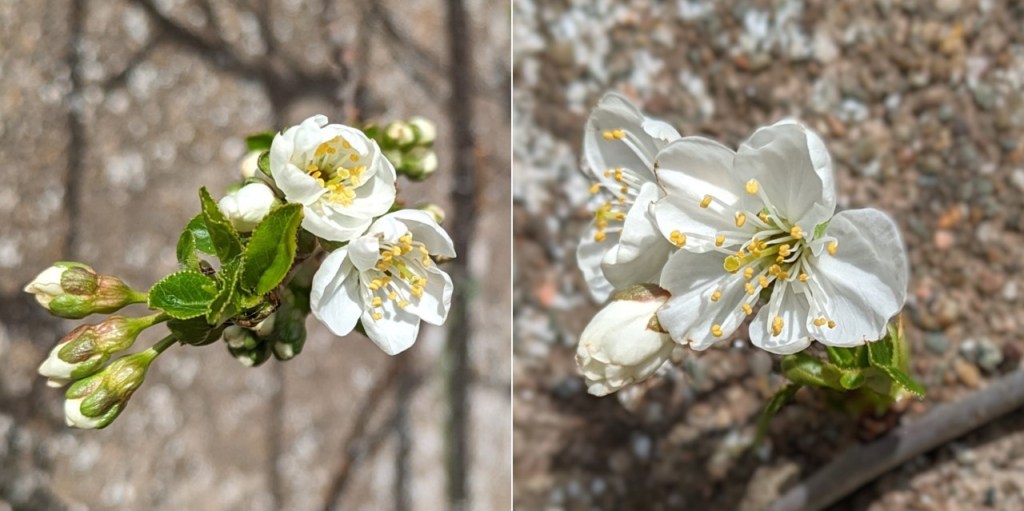
To round off my post this week, the first signs of garden produce are on the horizon with the bursting of a few buds from the Morello Cherry tree. I can see lots of buds on the pear and plum trees as well, so it looks like the bees will have plenty more pollen to collect very soon.
The first cherry blossoms. Images: Kathryn Hawkins
I’ll be back in the kitchen at the end of the month, so I look forward to seeing you again in a couple of weeks. Thanks for stopping by 🙂
Hello again. July has been a busy month in the garden and greenhouse. The weather’s been cooler than usual, with a mix of bright days and rain showers, but the plants have really been growing very well and yielding lots of goodies throughout the month.
July here in central Scotland is the month for raspberries and cherries. I have been training some new raspberry canes for a couple of years and the rewards are starting to show. Sadly the older canes suffered storm damage earlier in the month, so this may be their last season. Not bad going really, they were planted some 18 years ago! Berries are still ripening on the new canes, so it looks like I’ll be picking for a couple more weeks yet.
Broken canes but still a good harvest. Images: Kathryn Hawkins
The small espalier Morello tree didn’t produce quite as many cherries this year, but I did manage to get the fleece on earlier enough to stop the birds having a lovely feast. I have enough for a pie later in the year, and that’s good enough for me 🙂
2023 Morello harvest. Images: Kathryn Hawkins
In the greenhouse, I’ve been picking mini cucumbers throughout the month. The tomatoes have started to turn colour, and the aubergine (eggplant) plants have a few flowers on them now – I hope they form fruit.
A plentiful greenhouse. Images: Kathryn Hawkins
The greenhouse yielded a few surprises earlier in the year when small seedlings started appearing in the soil. I realised after a while that they were sunflower seedlings. I think a mouse must have stashed some of the bird seed in the soil and perhaps had forgotten to retrieve it. Anyway, I ended up with several seedlings which I planted outside back in May, and this month they have started flowering. Not the biggest sunflowers you’ll ever see, but a quirky addition to the garden nonetheless.
Mini sunflowers. Images: Kathryn Hawkins
None of my garden produce would be possible without the help of the gardener’s best friend, the bees. They have clearly been busy since the spring blossom was out, and now they have all the garden flowers to feast on.
Bees at work in July. Images: Kathryn Hawkins
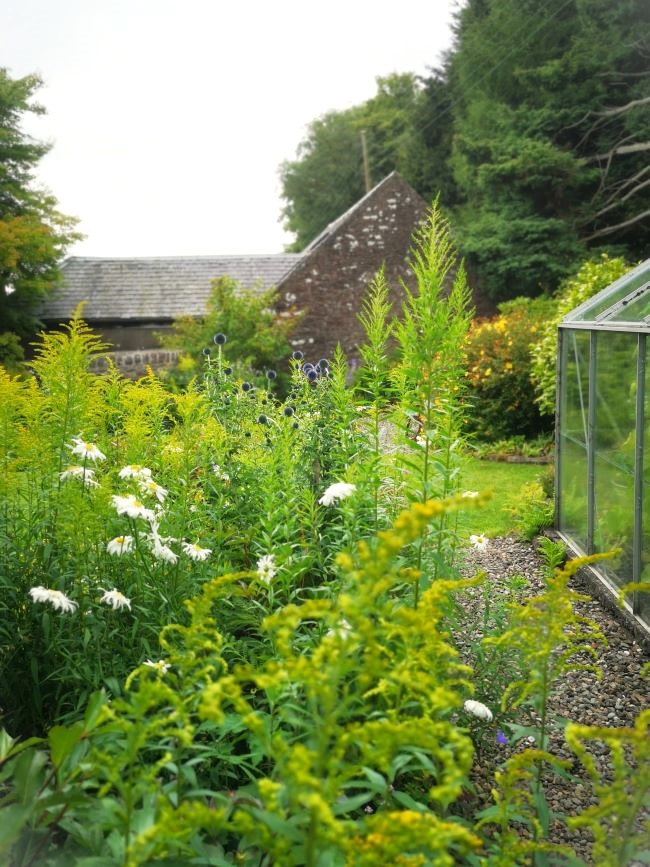
My last image for this post is another view of the garden. It’s been cool and mostly cloudy this past week, and at times it has felt a little bit autumnal. I think this image captures the mood, especially as the globe thistles (Echinops) are beginning to open up and the later summer flowers are coming into bloom. Until next time, thanks for stopping by and I hope to be posting again soon.
Hello there. I hope you are keeping well and managing to stay cool in this very hot summer. The temperatures have been exceptional here in the UK and all over Europe which is great if you’re on holiday but not so good if you’re working. The garden is looking quite different this year due to the heat; many of the flowers are fading much more quickly than in previous years.
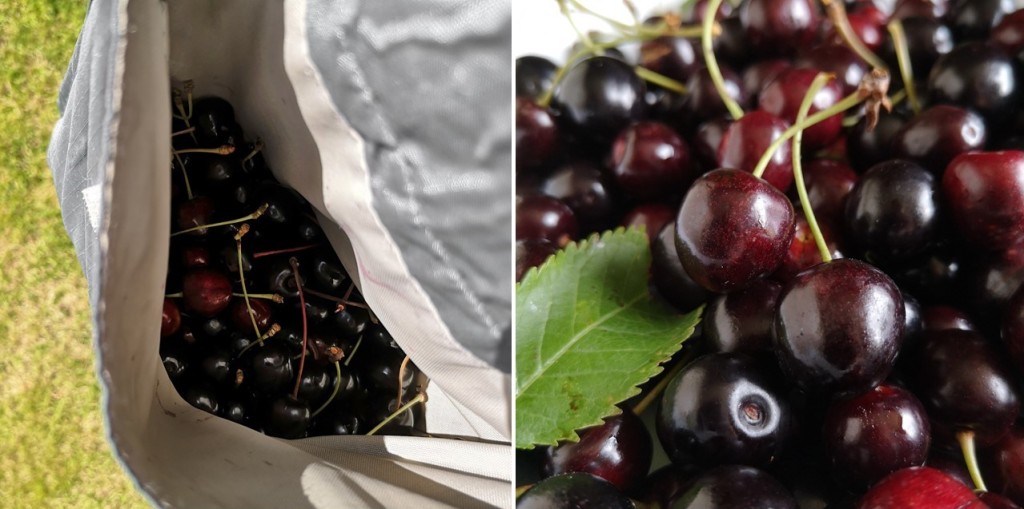
Last weekend, in an effort to stay cool and enjoy the outdoors at the same time, I went for a walk in some local woodland. I was looking to see how long it would be before the hedgerow blackberries (brambles) would be ripe enough to pick – I don’t think it’s going to be a good year for brambling sadly. Quite unexpectedly, I came across several wild cherries trees, completely untouched by birds, and laden with fruit as far as the eye could see.
Wild cherry picking. Images: Kathryn Hawkins
I was completely unprepared for foraging. I had no bag other than the small holster bag I was using to carry a water bottle. Cherry trees are enormous in the wild, but there were quite a few fruits on the lowest branches and I was able to fill my bag with just under 1kg of fruit. The cherries were the sweetest, juiciest I have ever tasted. Such an unexpected treat. Apparently, it has been a bumper year for cherries because of the hot weather, but I am still amazed that the birds hadn’t been interested in them. If only I had gone walking with a ladder! 🙂
Pitting ripe cherries. Image: Kathryn Hawkins
Back at home, I pitted the cherries. The firmer ones were easier to pit using my faithful old Italian cherry pitter, but the ripe ones I sliced and pitted using the tip of a sharp knife. Some went in the freezer, others were cooked in a crumble for tea, and the rest went into this week’s recipe.
Easy to make, just a bit of advanced prep – you need to line a cake tin and make up a flax seed egg replacement mixture. Then, you are good to go. The brownies keep well but in this warmth, I kept them in the fridge to stop them going too soft and sticky. They also freeze perfectly. Eat them as a sweet treat but they are also good served with more fresh cherries or compote and ice cream for dessert.
175g dairy-free dark chocolate (I used 54% cocoa – if you use darker chocolate, omit the cocoa powder and add an extra 25g flour)
150g lightly salted plant butter, cut into pieces
25g ground flax seed
200g caster sugar
1 tsp vanilla bean paste
75g gluten-free plain flour
25g cocoa powder
140g pitted cherries, halved (approx. 170g whole)
1. Preheat the oven to 170°C, 150°C fan oven, gas 5. Line an 18cm square cake tin with baking parchment.
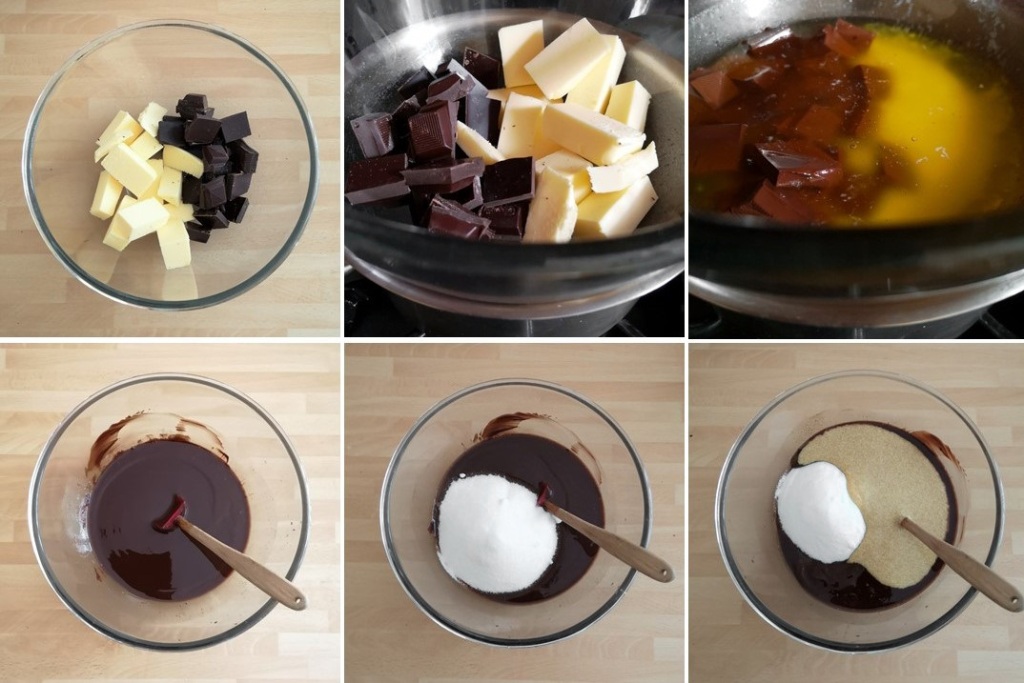
2. Put 150g chocolate in a heatproof bowl with the butter and melt gently over a saucepan of barely simmering water. Remove from the water and cool for 10 minutes.
3. Make up the flax egg by mixing the flax seed with 110ml cold water and leave to stand for 5 minutes until thickened.
4. Mix the sugar and flax egg into the melted chocolate along with the vanilla paste, then add the flour and cocoa powder and stir well until everything is well blended.
5. Pour into the prepared tin and scatter the cherries on top. Bake for about 1 hour until the mixture is set in the middle – initially the mixture rises round the edges leaving the centre molten but after a longer time in the oven, the centre firms up. Leave to cool in the tin.
Baking brownie batter. Images: Kathryn Hawkins
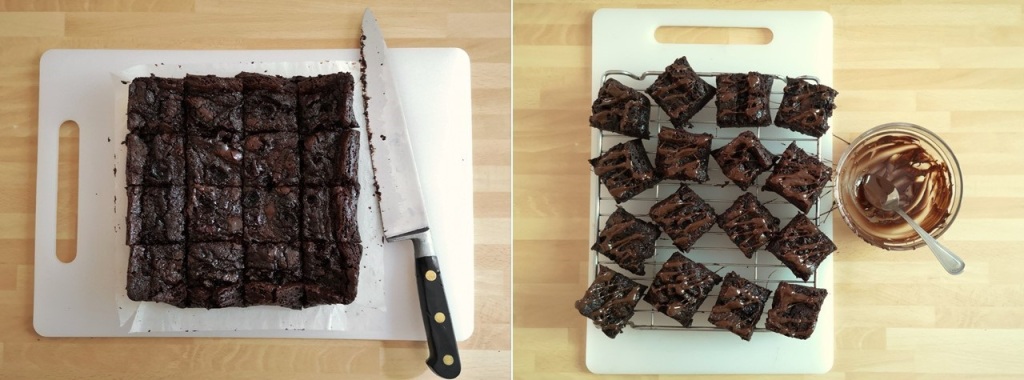
6. Remove from the tin and peel away the lining paper. Cut into 16 squares – you may find it easier to chill the brownie before you cut it as the texture is quite soft at room temperature.
7. Melt the remaining chocolate. Put the brownie squares on a board and drizzle each piece with a little chocolate. Leave to set before serving. Best stored in the fridge.
Adding a chocolate drizzle. Images: Kathryn Hawkins
I’m off to enjoy another slice now. I’ll see you again towards the end of the month. Until then, keep well and stay cool 🙂
As I sit down to write my post this week, I am looking out on a sunny garden, with blue sky and fluffy white clouds. This has been a rare sight this month. Here we are in the third week of May and the season feels like it is hardly shifting forward. In fact, at times it has felt that things were moving in retrograde with chilly strong winds, rain and grey skies.
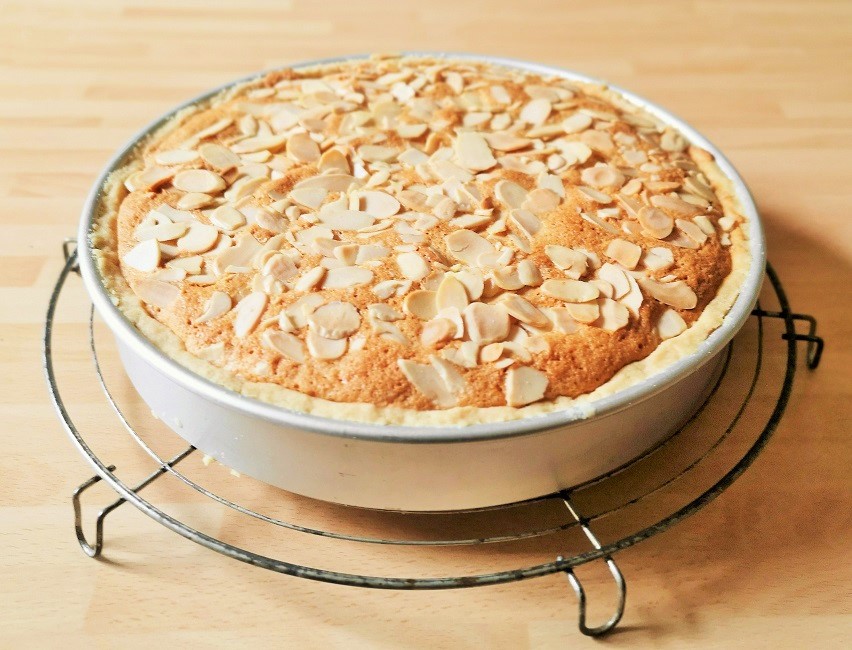
Classic almond-topped Bakewell tart. Image: Kathryn Hawkins
Time to cheer myself up with a spot of baking, and a Bakewell tart always hits the spot. I was spurred on by the sight of newly set cherries on the espaliered Morello cherry tree in the garden. After another bumper blossoming, I was very happy to see lots of fruits forming. All my fussing around with fleece last month to protect the blossom from frost has paid off. Fingers crossed.
This year’s blossom and newly formed fruit. Images: Kathryn Hawkins
I still have some of last year’s precious harvest in the freezer. Morello cherries have a tart, tangy flavour and make an ideal companion for the sweet, rich almondy sponge in a Bakewell tart. This time I kept the tart plain and simple with a classic topping of flaked almonds for a bit of crunch. A few weeks ago I made a slightly more indulgent version with extra cherries and pistachio nuts – options for either version below.
2020 Morello harvest on ice. Images: Kathryn Hawkins
Use whatever cherries you have for this recipe; fresh, canned or frozen will work fine. Other berry fruits will work as well such as blueberries, blackberries or raspberries, or try a layer of cooked apple and pear. The classic version is to spread the pastry base with jam; I find this a little too sweet nowadays, but it’s down to personal taste. If you find almond extract too overpowering, replace it with vanilla for a more subtle flavour. If you don’t want the bother of making your own pastry, use 325g ready-made gluten-free shortcrust.
Serves: 8
Ingredients
For the pastry:
60g white vegetable fat, softened
55g dairy-free margarine, softened
50g caster sugar
230g gluten-free plain flour blend such as Dove’s Farm
1/4 tsp xanthan gum (not essential but it does make the pastry easier to work with and slightly crisper)
1/4 tsp salt
1/2 tsp vanilla extract
For the filling and topping:
30g ground linseeds (flax seeds)
125g dairy-free margarine, softened
125g caster sugar
125g ground almonds
25g gluten-free plain flour
1 tsp almond extract (use vanilla for a less almondy flavour)
225g – 300g pitted cherries, thawed if frozen (or other prepared berries)
Flaked almonds or chopped pistachios to sprinkle
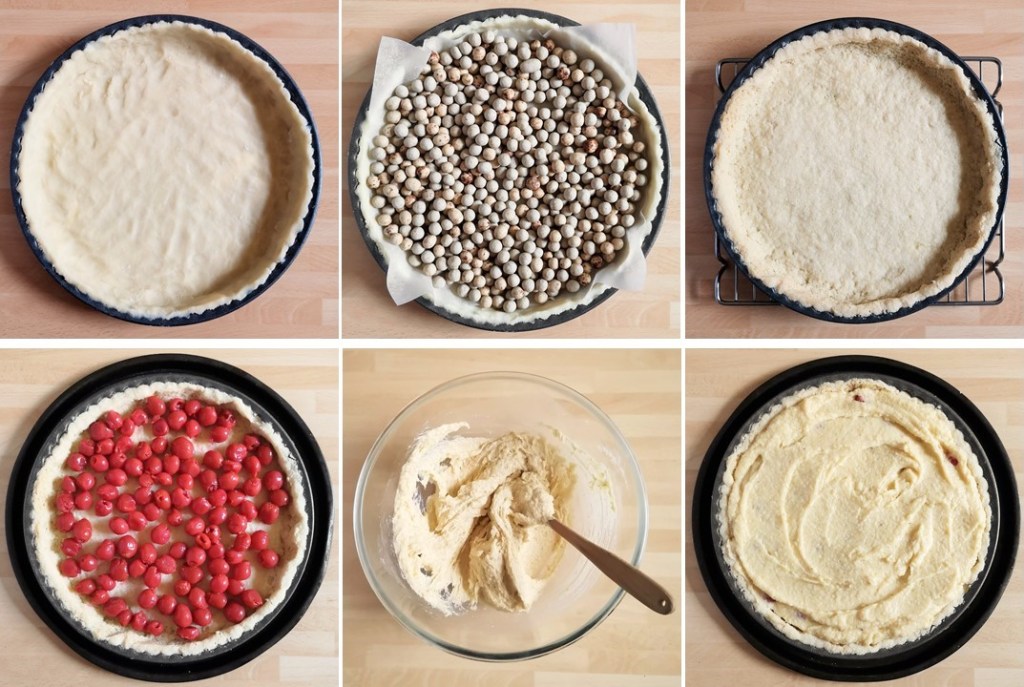
First make the pastry. Beat together the fats until smooth and creamy, then whisk in the sugar until well blended. Add the remaining pastry ingredients and carefully stir everything together to make a crumbly mixture.
Bring the crumble together with your hands and knead gently to make a smooth, firm ball of dough. Wrap and chill for at least 1 hour. This pastry doesn’t firm up very much but it is easier to handle if you do refrigerate it before rolling out.
Lightly dust the work surface with more flour and roll out the pastry to a thickness of 1/2 cm – any thinner and the pastry tears easily. Transfer the pastry to a lightly greased 23cm loose-based fluted or plain flan tin, 3-4cm deep. You may find it easier to transfer the pastry in pieces and patch it together in the tin.
Trim the edge to neaten the edge and then chill the pastry for 30 minutes.
Preheat the oven to 190°C, 170°C fan, Gas 5. Line the pastry case with baking parchment and fill with baking beans or raw rice (or dry pulses). Bake for 15 minutes. Stand for 5 minutes, then carefully remove the beans and peel away the paper. Prick the base and return to the oven for a further 15 minutes to set the pastry all over. Reduce the oven temperature to 180°C, 160°C fan, Gas 4.
While the pastry is cooking, make up the filling. Put the ground linseeds in a bowl and stir in 90ml cold water. Leave to stand for about 10 minutes until thickened. Mix together the margarine, sugar, almonds, flour and almond extract until well blended, then stir in the linseed paste, to make a smooth, creamy mixture.
Spread 225g cherries over the base of the pastry case and smooth the almond mixture on top. For a very cherry version, gently push another 75g cherries into the almond mixture. Sprinkle with generously flaked almonds or pistachios and put the tin on a baking tray. Bake for about 1hr until golden and firm to the touch. Leave to cool in the tin before removing.
Making Cherry Bakewell tart. Images: Kathryn Hawkins
Bakewell tart with extra cherries and chopped pistachios. Images: Kathryn Hawkins
Classic Bakewell tart topped with crispy flaked almonds. Image: Kathryn Hawkins
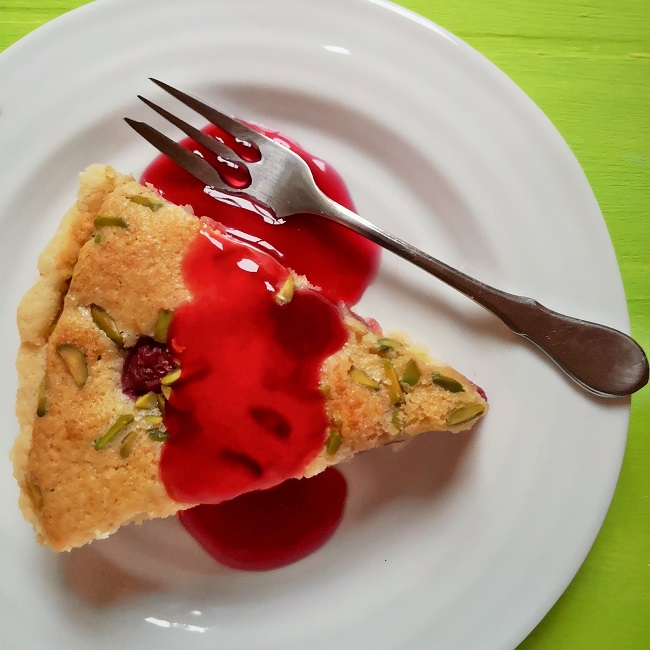
I prefer to serve the tart at room temperature because I think it has more flavour, but it can be served warm as a pudding with cream or custard. I made a cherry sauce with the juices from the thawed cherries and a little fruit juice. Simply heated and thickened with cornflour. Any which way, this is bake is in my top 10 all-time favourite sweet treats.
Bakewell tart with cherry sauce. Image: Kathryn Hawkins
All the best for now. See you again in a couple of weeks. Take care and keep safe 🙂
Morello cherries just picked today. Image: Kathryn Hawkins
Hello again. I hope you are well and enjoying some fine weather. It’s been a busy few days since my last post. The garden is thriving thanks to a mixture of sunshine and showers. There’s lots to do, and at last the soft fruit is ripe. I picked these cherries from the small espalier tree in the garden today. Just under 800g. Not bad at all 🙂
Glen Ample raspberries. Image: Kathryn Hawkins
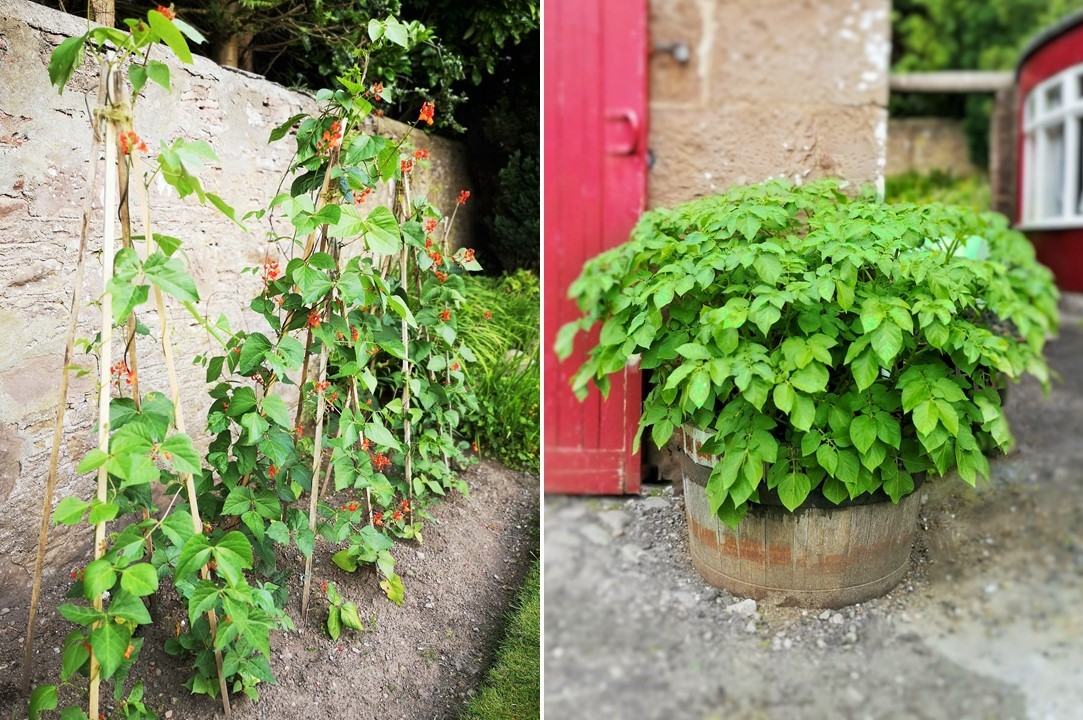
The raspberries have been coming thick and fast since my last post too, and there are still lots more to come. As well as the cherries and berries, my runner beans and potatoes are coming along nicely.
Runner beans and my tub of tatties. Images: Kathryn Hawkins
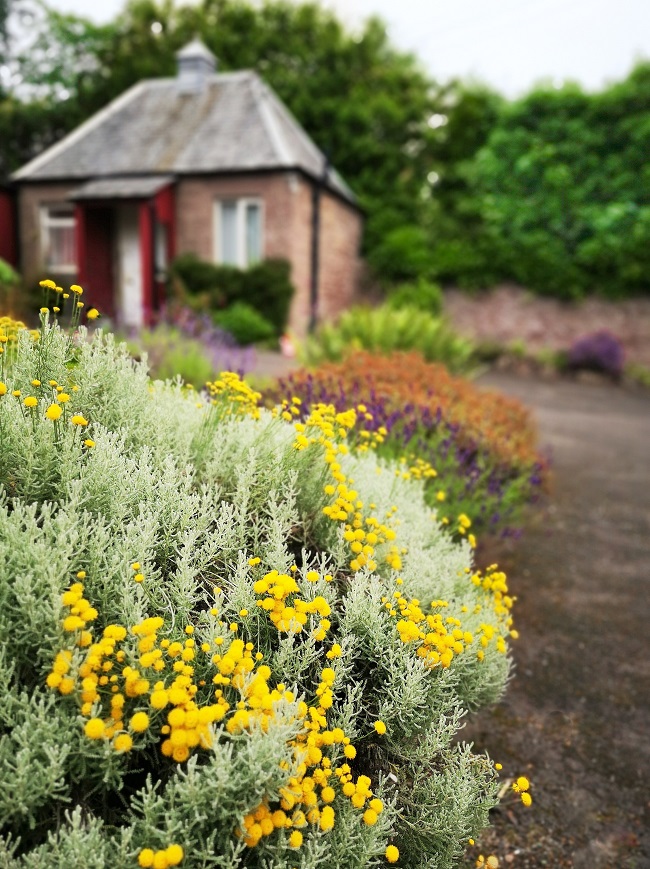
In the flower borders, there is a predominance of yellow interspersed with shades of pink and lilac. The lavender season is in full swing here at the moment. I love the yellow cotton lavender with its silvery foliage which grows alongside the purple and lilac varieties. This is a very fragrant part of the garden.
The lavenders. Image: Kathryn Hawkins
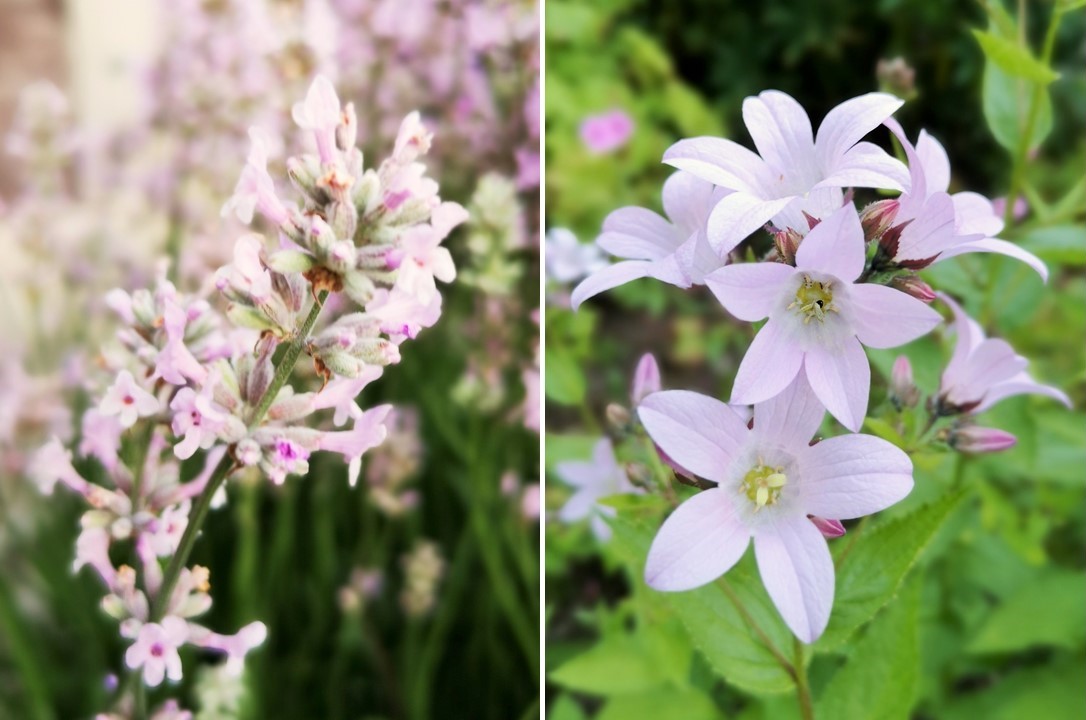
The palest coloured lavender is at the front of the house. It is full of blooms this year and the bees love it. This pale pink Campanula has just come out this past week. It was new in the garden last year and I am very pleased to see that it is blooming again and seems to have doubled in size.
Lavender and Campanula. Images: Kathryn Hawkins
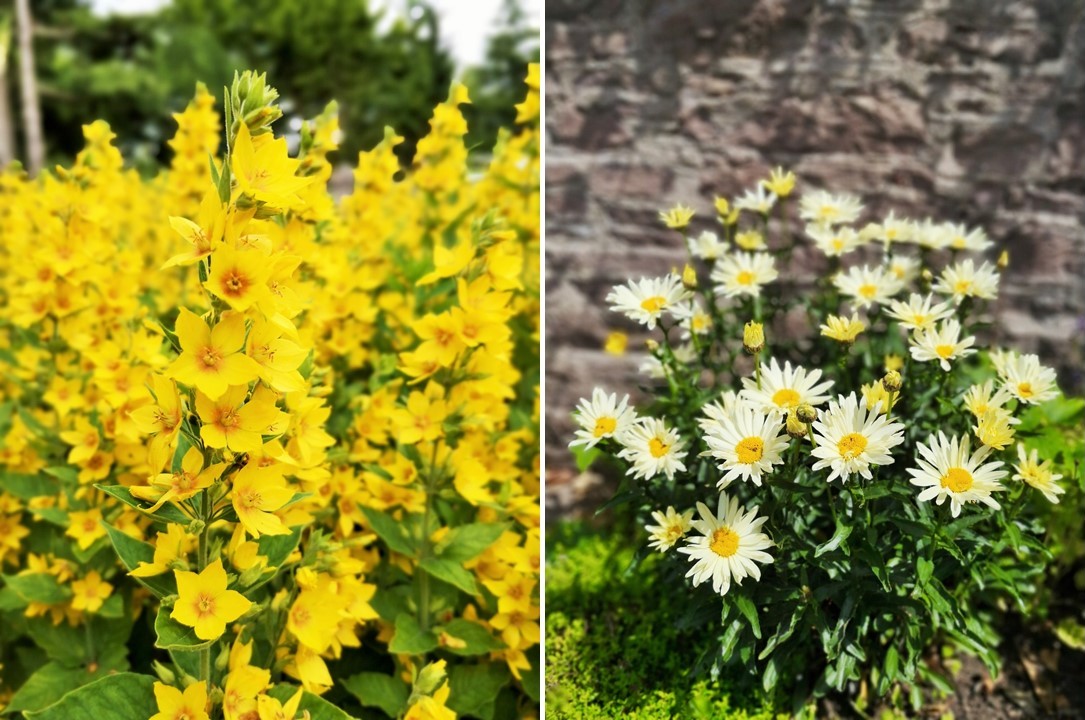
More splashes of vibrant colour from the Lysimachia which has run a bit wild down one border but it does provide colour for several weeks; and the delightfully named “Banana Cream” Leusanthemum which sounds good enough to eat!
Lysimachia and Leusanthemum. Images: Kathryn Hawkins
Happy to see so many bees in the garden again this year. My recent gardening activity has been accompanied by the sound of gentle buzzing; they are always busy gathering pollen and enjoying the summer flowers no matter which part of the garden I am in.
Busy bees on Scabious, Salvia and Geranium flowers. Images: Kathryn Hawkins
As well as the bees, the garden attracts many feathered friends too. Blackbirds and robins are by far the friendliest and really do seem to make themselves at home in amongst the plants and flowers.
Baby blackbird and robin, and a sunbathing adult blackbird. Images: Kathryn Hawkins
That’s it from me this week. I hope you enjoyed the post and pictures. I will be back in the kitchen before the end of the month. See you then. Best wishes and take care 🙂
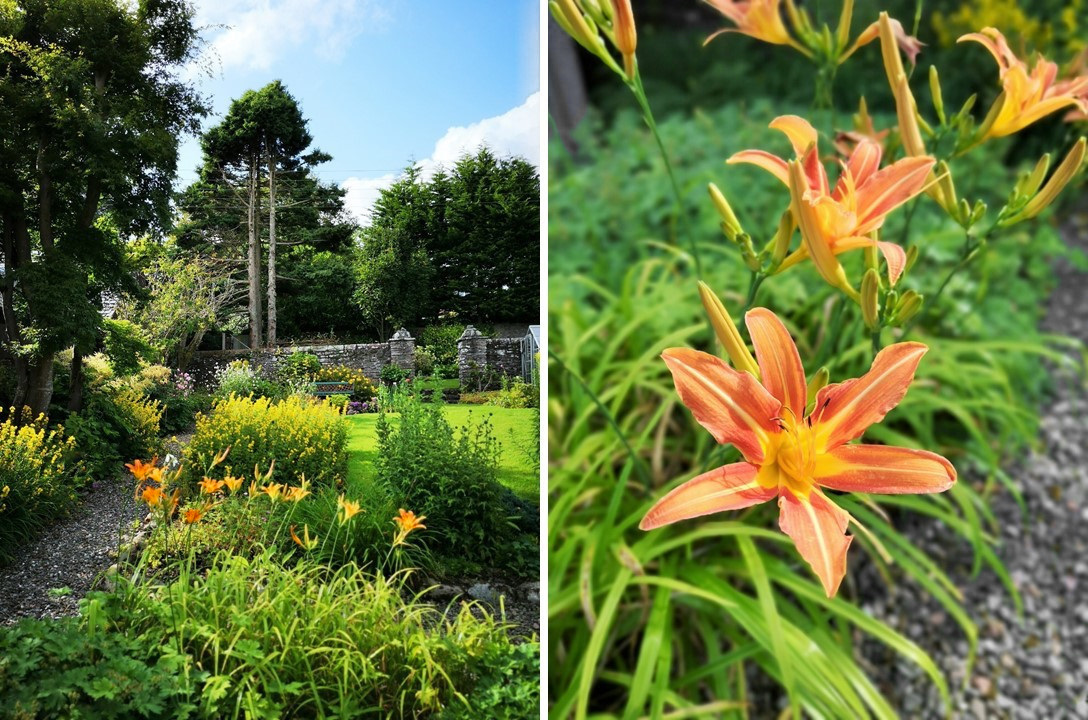
End of July in the garden. Images: Kathryn Hawkins
Hello everyone. We’re almost at the end of another month; how time flies. I’ve been taking some time off work and my blog this month but I found some time to capture some of the flowery and fruity delights that have come and gone these past 4 weeks.
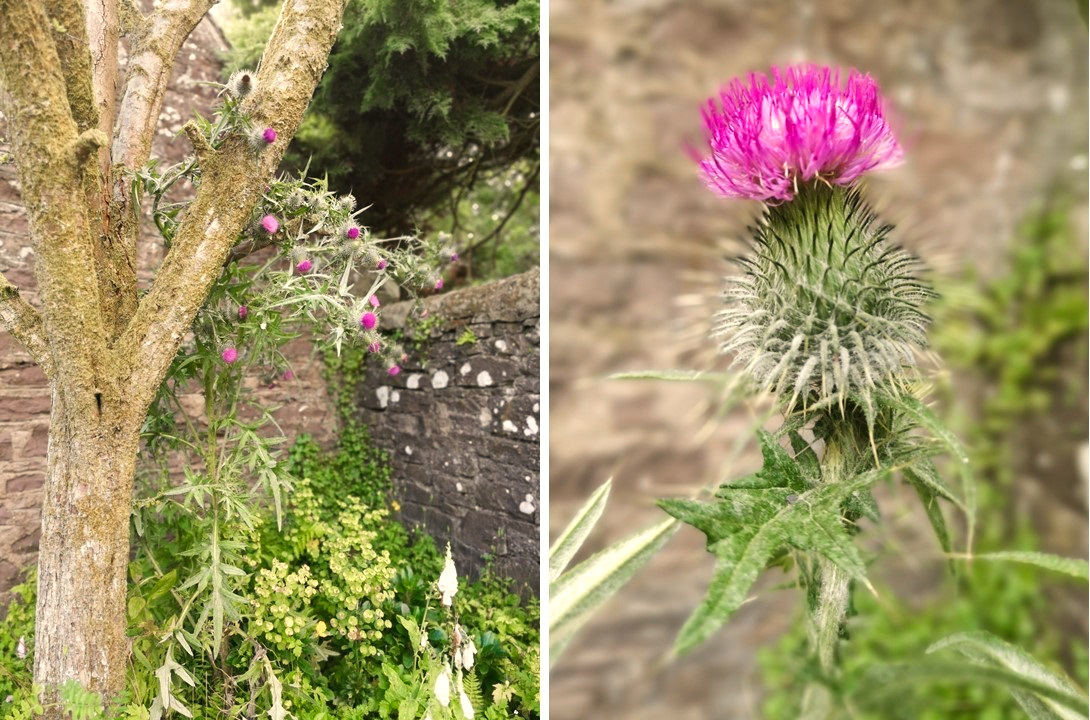
The wonderfully prickly specimen below appeared in the garden last year courtesy of the birds. It didn’t flower, but produced some magnificent spiky leaves. This year it has gone from strength to strength and this month it really took off. Sadly it was a victim of its own success and toppled over under its own weight. Most of the blooms are growing at all angles but upwards apart from this one.
Wild thistle. Images: Kathryn Hawkins
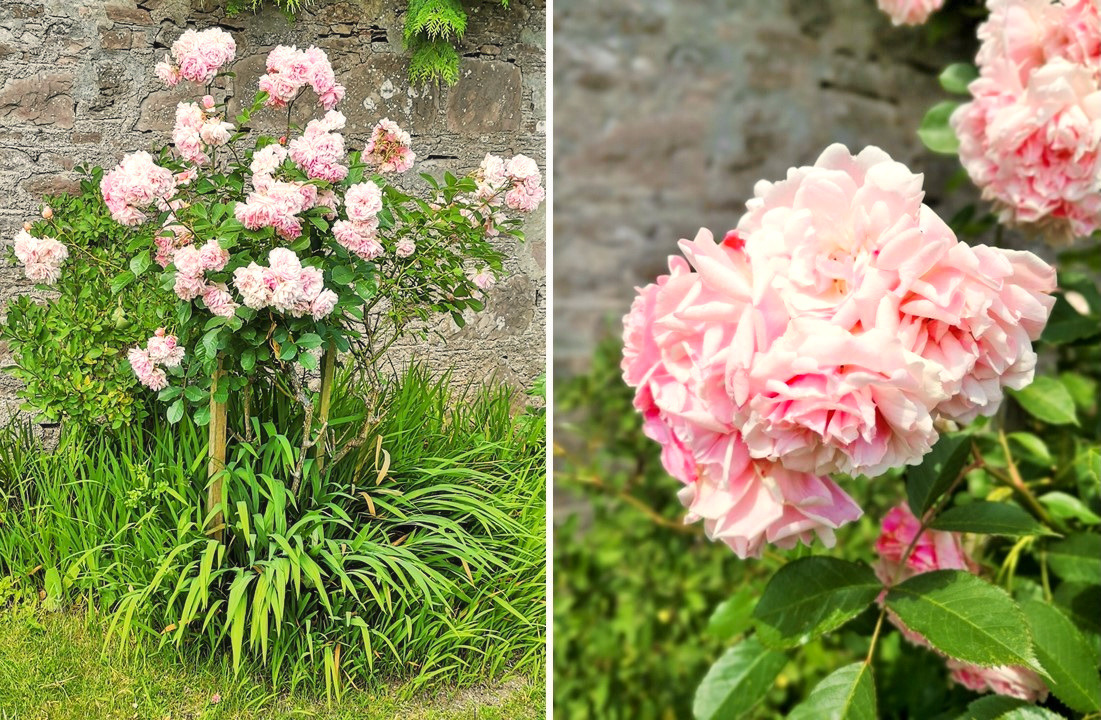
Something a little bit more delicate are the charming and dainty Campanulas which flower at the beginning and middle of the month. The flower-heads seemed a lot bigger this year. And in the picture below them, my beautiful, very fragrant and very old rose bush. It did me proud again this year and was laden with blooms. Sadly now finished, but I am ever hopeful for a second blooming later in the year.
Early July Campanulas. Images: Kathryn Hawkins
Old fashioned, highly scented rose. Images: Kathryn Hawkins
The garden has been alive with bees and butterflies this summer. Lots of different varieties of bees all over the tiny petals of the Scabious (or Pincushion) flowers, it seems to be one of their favourite blooms. And here is a Scarlet Lady butterfly bathing on a very fragrant sun-bed of lavender.
Scabious and lavender with bumblebee and butterfly. Images: Kathryn Hawkins
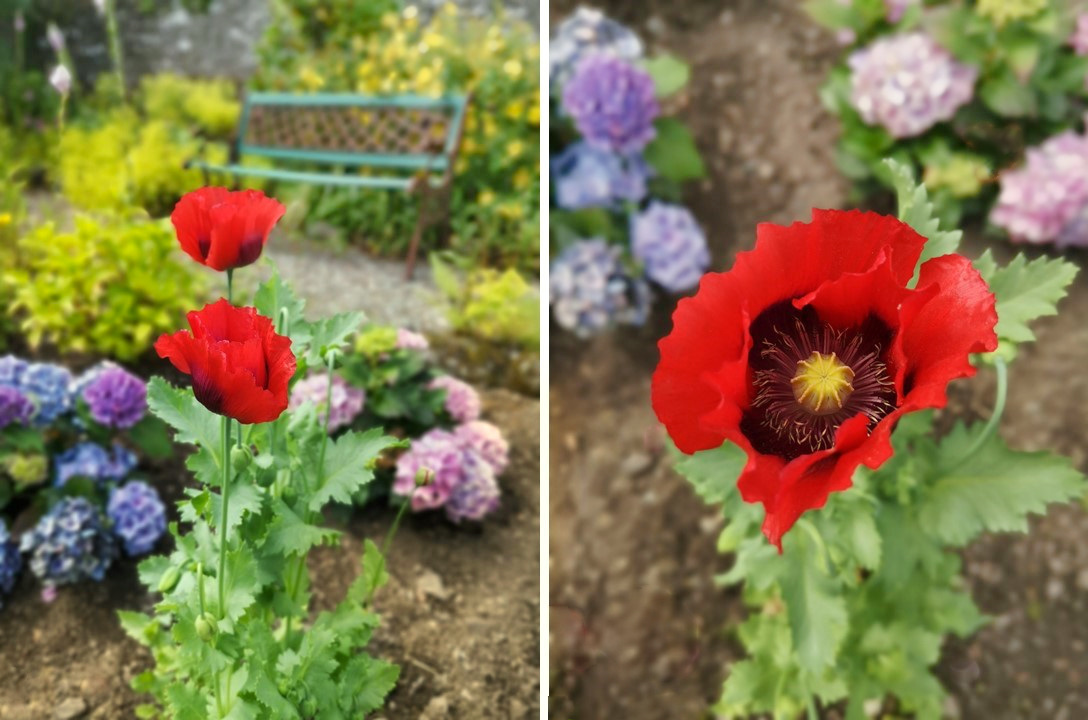
Aside from the delicate and fragrant, the brash and bold flowers have also been abundant. The Hydrangeas seem more colourful than ever this year, and the poppies are springing up everywhere to add bright splashes of colour to the borders and beds.
Tall red poppies and small bush Hydrangeas. Images: Kathryn Hawkins
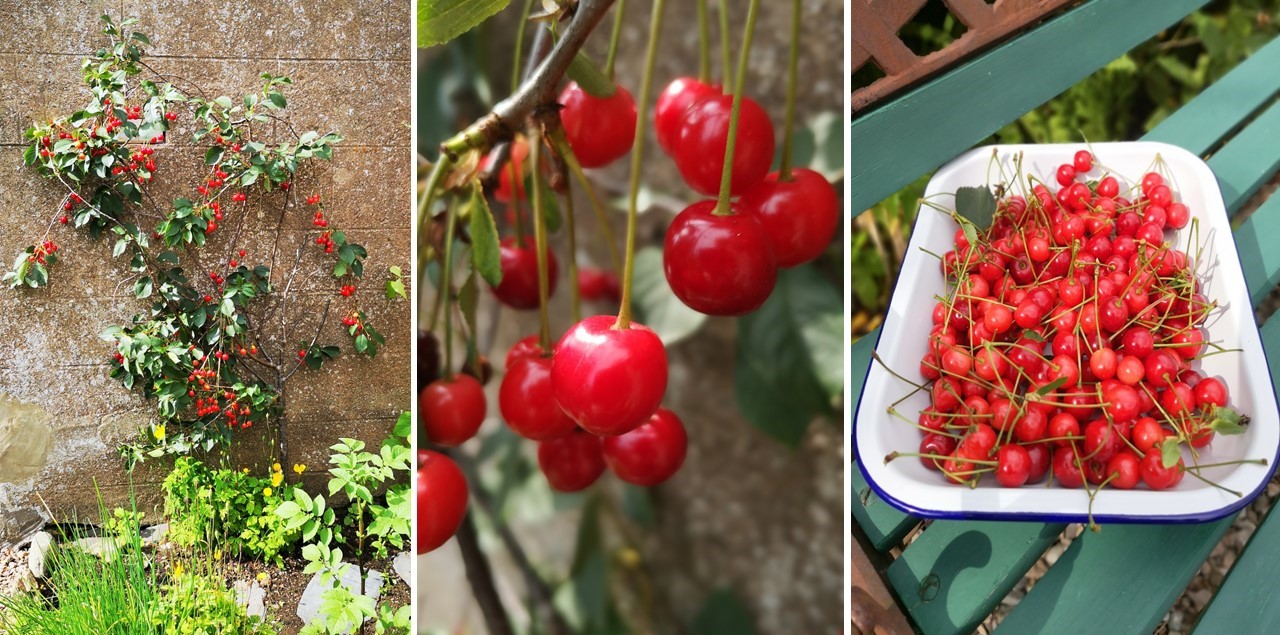
It’s also been another good year for the outdoor soft fruit. The small espalier Morello cherry produced ¾kg cherries (all bottled and stored) and the raspberry bushes, now in their 14th year, have produced another mega-harvest of berries which I have frozen for making into jam later in the year. The dishful of berries in the picture were cooked with freshly picked rhubarb and made into a “crump”, one of my favourite desserts from my blog a couple of years ago. Here’s the link: Rhubarb, raspberry and custard crump (gluten-free, dairy-free, vegan)Very tasty it was too 🙂
All the fabulous sunshine we’ve been having has done wonders for the fruit this year in the garden, although it has meant a lot of watering.
I picked my precious harvest of Morello cherries last weekend. I had had the tree netted for several weeks and successfully managed to fend off the birds. One small espalier tree produced just under one kilo of cherries 🙂
So what to do with such a precious harvest. Decisions, decisions. Last year I made my usual compote and with the remainder I made cherry jam. Sadly, I over-cooked the mixture and ended up with cherry toffee! This year, I was determined not to be so fool-hardy. I got my old-fashioned cookery books out and bottled a jar for a treat later in the year. With the rest, I made this rice dish, based on the Iranian recipe for Alo-balo polo or sour cherry rice. Traditionally chicken is added and the dish is served at a celebration. I made my meat-free version to serve as a side dish. It is only mildly spiced so will go with anything.
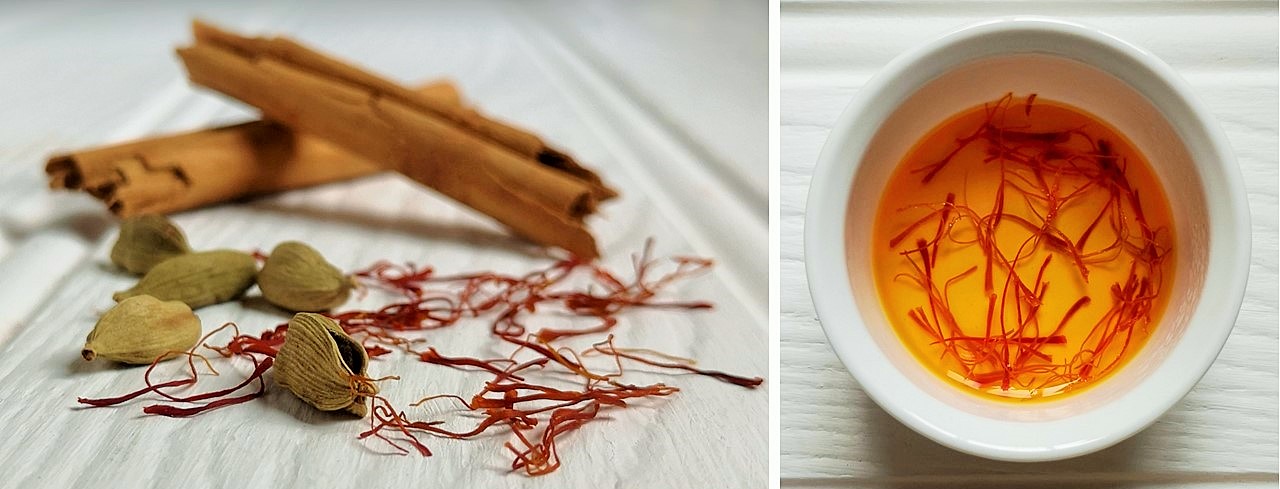
Fragrant spices for cooking with basmati rice. Images: Kathryn Hawkins
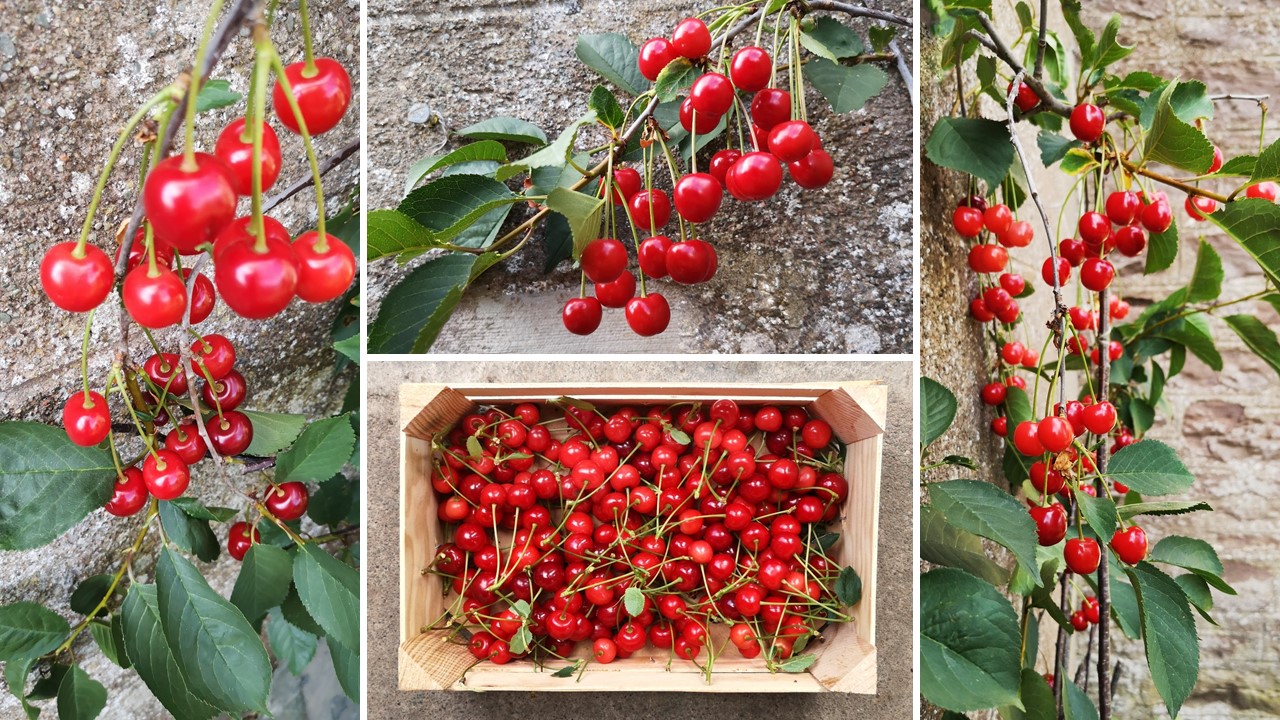
Bowl of home-grown Morellos ready for pitting. Image: Kathryn Hawkins
I appreciate that not everyone will have access to fresh Morello cherries, but dried sour cherries are readily available, and cranberries will work well as an alternative. Just stir dried cherries or cranberries into the rice towards the end of cooking time – use about 150g dried. If you have fresh or frozen cranberries, you can follow the recipe below exactly, using 250g berries.
Serves: 4 as a side dish
Ingredients
250g basmati rice
Generous pinch of saffron strands
300g fresh whole sour cherries
65g caster sugar
1 tsp salt
5 cardamom pods
1 cinnamon stick, broken
3 tbsp. olive oil
1 large red onion, peeled and sliced
Handful of chopped pistachio nuts
Put the rice in a bowl and cover with cold water. Leave to soak for 2 hours, then drain and rinse well. Meanwhile, put the saffron in a small bowl and spoon over 1 tbsp. very hot water. Leave to infuse and cool.
Stone the cherries and place in a saucepan with the sugar. Heat gently, stirring carefully, until the sugar dissolves, then bring to simmering point and cook gently for 2-3 minutes until tender and juicy. Leave to cool.
Bring a large saucepan of water to the boil. Add the salt, and gradually sprinkle in the rice so as to keep the water boiling. Cook in the boiling water for 3-4 minutes until slightly opaque, then drain, rinse well and shake off the excess water.
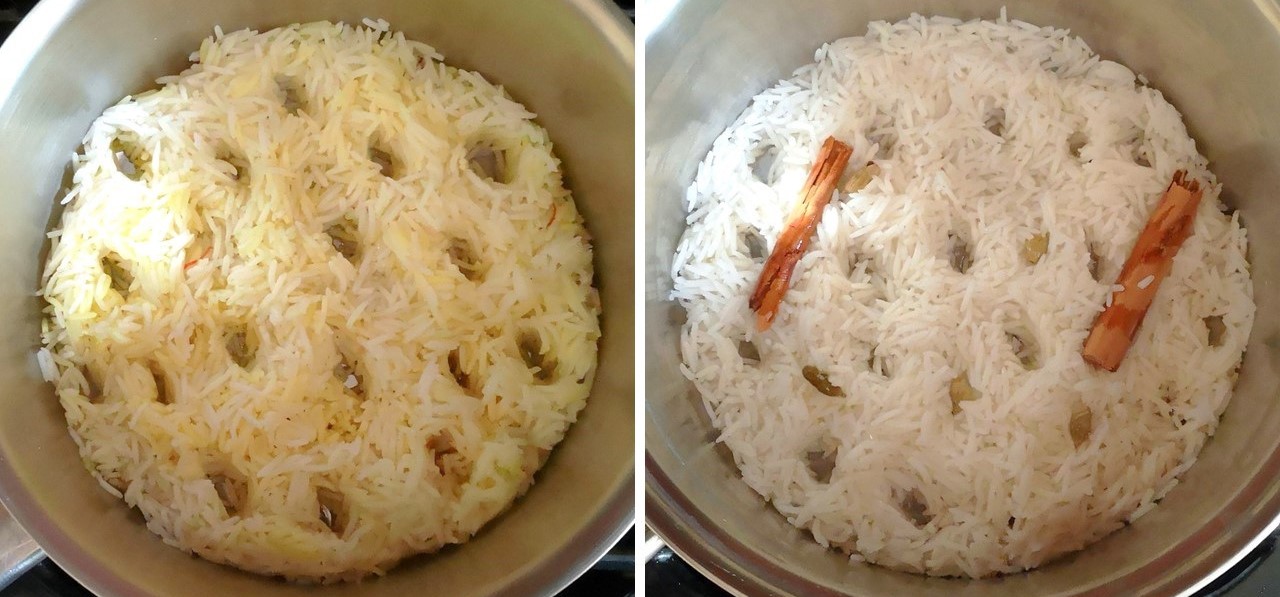
Divide the rice equally between 2 saucepans. Stir the saffron water into one portion and level off the surface of the rice. Mix the cardamoms and cinnamon into the other and level off the surface. With the end of a wooden spoon, make indents in the rice and drizzle 1 tbsp. oil into each saucepan.
Preparing saffron and spiced basmati rice for steaming. Images: Kathryn Hawkins
Cover each with a layer of foil across the top of the saucepan; put the lid on top, and cook over a very low heat, undisturbed, for 30 minutes. After this time the grains of rice will be tender and slightly crisp on the bottom of the saucepan. Fork through the rice in each saucepan to mix well. Discard the spices.
While the rice is cooking, heat the remaining oil in a frying pan and gently fry the onion, covered, for about 15 minutes until very tender.
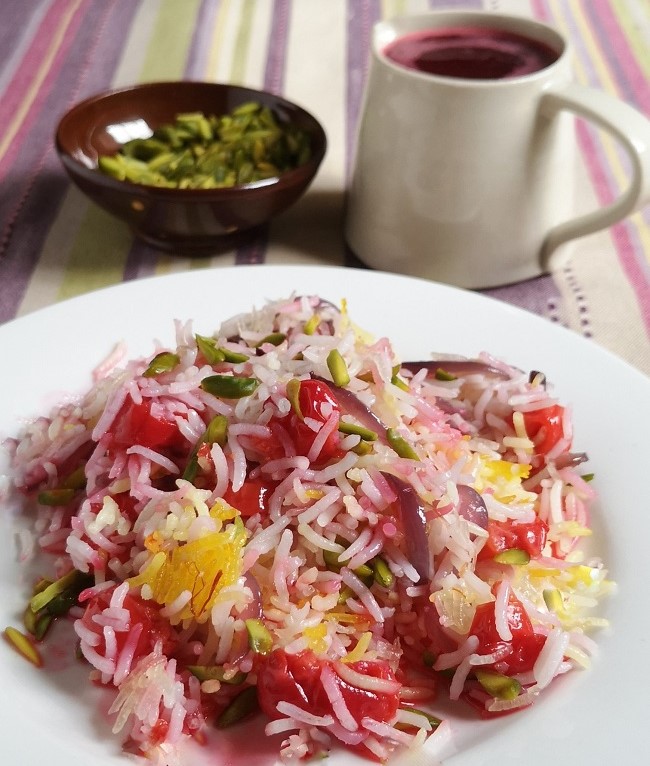
To serve, drain the cherries, reserving the juice, and mix the cherries into the spiced rice along with the onion. Pile into a warmed serving dish. Spoon the saffron rice on top and gently mix the two rices together. Sprinkle with pistachio nuts and serve immediately with the cherry juice to pour over – reheat this if preferred.
Ready to serve, Persian-inspired sour cherry rice. Image: Kathryn Hawkins
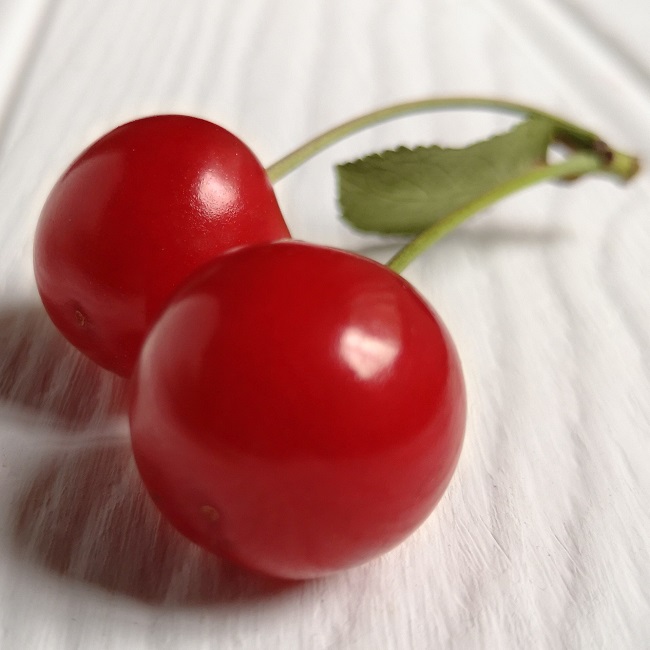
Morello cherries, ripe and ready for picking. Image: Kathryn Hawkins
Picking the cherries from my espalier Morello cherry tree is one of the highlights of my fruit growing calendar. Having had such a mild Scottish spring this year, all the fruit in the garden seems to be ripening a bit earlier than in other years. The cherries are no exception. Usually I pick them in the middle of August, but this week, they were ripe and ready. The harvest was pretty good too: from one small tree, I picked ¾kg.
This year’s Morello cherry harvest. Image: Kathryn Hawkins
I’m not that adventurous when it comes to cooking with cherries. I suppose it’s because I never have that many to play with, therefore, I want to make sure I enjoy what I cook. Morellos are a sour cherry and are too tart to eat as a fresh fruit. This year I made a large pot of jam and, my favourite, a compote flavoured with vanilla and lemon – recipe below.
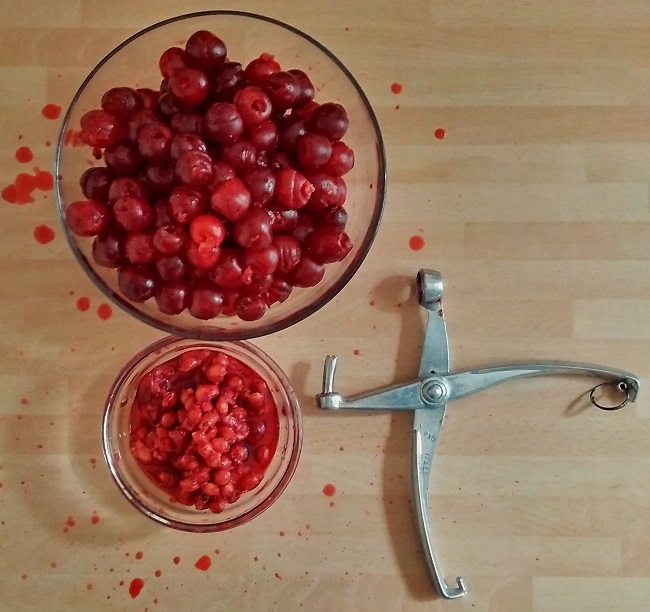
I use a cherry stoner to remove the pits; I’ve had it for years, and it does the job perfectly. This years cherries were so ripe, the pit just plopped out without any effort. Wash the cherries first and then prepare them over a bowl to catch the stones and the juice that falls; you can then easily drain off the stones, keeping the juice. If you don’t have a specialist stoner, a small knife with a pointed blade should enable you to prise out the stones with ease. After preparation, the final weight of the cherries I picked this year, along with the juice from the bowl, was around 650g.
Vital piece of kit: my cherry stoner. Image: Kathryn Hawkins
Pitting cherries. Image: Kathryn Hawkins
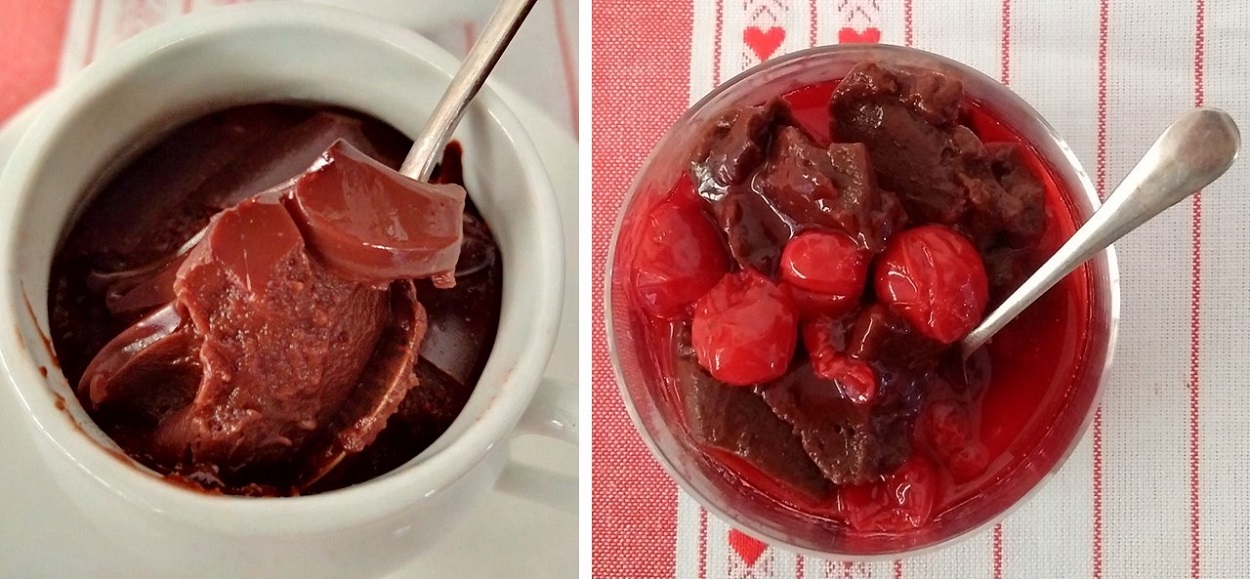
Flavours that go well with cherries are: almond (especially marzipan); citrus fruit; vanilla; cinnamon (just a pinch); coconut, and chocolate. I often make something chocolatey to go along side the compote, and this year, it was a nostalgic chocolate blancmange, deliciously velvety and thick. A perfect combination. So here are my recipes for both compote and blancmange. By the way, if you are using sweet cherries for the compote, you’ll need to reduce the quantity of sugar you add to the compote by at least half.
300g prepared ripe Morello cherries (about 350g with stones)
100g caster sugar
2 level teasp cornflour
½ vanilla pod, split
Juice of ½ small lemon or half a lime
For the blancmange:
50g cornflour
25g cocoa powder
50g vanilla sugar (use plain caster if preferred)
500ml non-dairy milk (I used soya milk)
1. To make the compote, put the cherries in a saucepan and gently mix in the caster sugar and 3 tbsp. water. Heat gently, stirring until the sugar dissolves, then bring to the boil, reduce to a gentle simmer, and cook for about 3 minutes until just tender – take care not to over-cook, ripe cherries need very little cooking.
2. Blend the cornflour with 2 tbsp. water to make a paste, then stir into the cherries. Bring back to the boil, stirring, and cook for a further 1 minute until slightly thickened. Remove from the heat, push in the vanilla pod and leave to cool completely. Remove the pod and stir in the lemon juice. Chill lightly before serving – about 30 minutes.
3. For the blancmange, mix the cornflour, cocoa and sugar in a saucepan, and gradually stir in the milk, making sure it is thoroughly blended – I find a balloon whisk is good for mixing powders into liquids.
4. Keep stirring the mixture over the heat, until it reaches boiling point and becomes very thick. Continue to cook for 1 minute to make sure the cornflour is completely cooked then spoon into small individual heat-proof dishes – there is enough to fill 6 x pot au chocolat dishes (it is quite rich, so these little dishes are the perfect size for me). Leave to cool completely, then chill for an hour until ready to serve.
Chocolate blancmange and Morello cherry compote. Images: Kathryn Hawkins
My espalier Morello cherry tree with spring blossom, and in fruit earlier this week. Images: Kathryn Hawkins
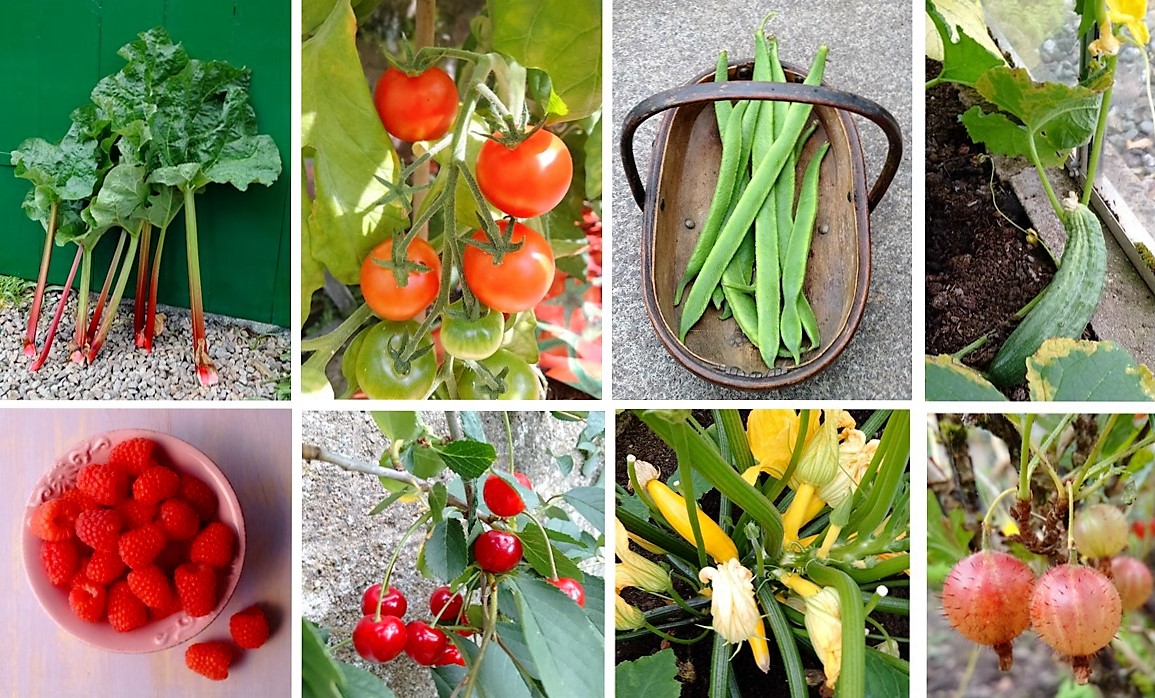
Home-grown rhubarb, tomatoes, runner beans, cucumber, raspberries, Morello cherries, yellow courgettes and red gooseberries, all harvested in the past fortnight.
Time for a recap on what’s been happening in my fruit and veg garden. It’s been a mixed bag of weather this month, although it doesn’t seem to have affected anything I’ve been growing for the kitchen. In fact, even though the sun hasn’t been shining as often as I’d have liked, I have never had tomatoes ripen so early in the year – it’s usually September before I get my first taste!
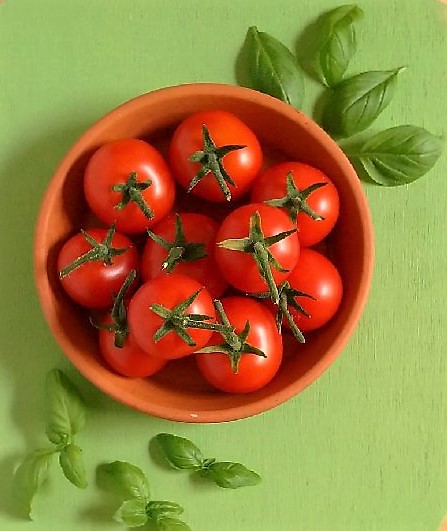
Home-grown tomatoes, above all else, are the best produce to grow for flavour and sweetness, and remain unrivalled by any tomatoes you can buy. I grow them in my unheated greenhouse, planted in grow-bags. I never put the picked fruit in the fridge, I store them in a cool part of the kitchen and eat them as soon as possible after picking. Served simply with some fresh pot basil, a little salt and pepper, and drizzle of balsamic vinegar, this is one of my greatest foodie pleasures.
My first harvest of Gardener’s Delight tomatoes with fresh pot basil leaves. Image copyright: Kathryn Hawkins
I have been picking runner beans for a couple of weeks now and, with lots of flowers still blooming, I hope to be enjoying them for a few weeks longer. I don’t usually do much with them, other than chop them up, cook them lightly, and enjoy them as a vegetable in their own right. Occasionally, I make a frittata with any leftover cooked veg and combine runner beans with cooked potato, onion – sometimes a little bacon if I have any – some seasoning and chopped fresh thyme. Delicious served warm or cold with salad.
Most of the fruit I grow gets made into jams and jellies, or I freeze it for cooking later in the year. The cherries were made into a compote – I didn’t have enough for jam this year. Rhubarb is cooked in muffins, stewed as a simple dessert, or cooked as pie filling. I have just made rhubarb and custard ice lollies for the first time, so it will be interesting to see how they turn out.
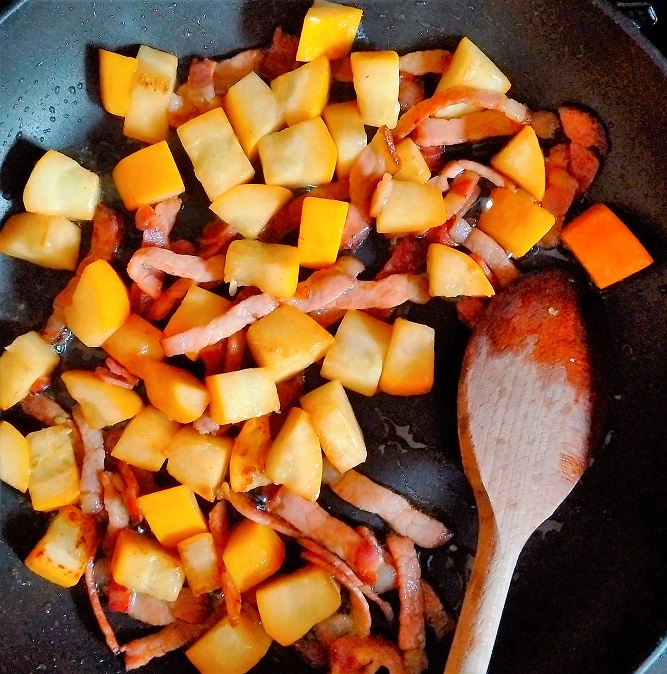
The yellow courgette plants are growing like triffids in the greenhouse. Thank goodness I only planted 2! They are both producing heavily, so it looks like I will have to get creative with my courgette cookery. I prefer the yellow variety as I find the flesh firmer and there is slightly more of an earthy flavour to them. I also love the colour. I have been chopping them and simply frying them in butter with smoked bacon and black pepper, and then stirring in a little bit of maple syrup before serving. Very tasty with just about anything.
Pan-cooked yellow courgette with bacon and maple syrup (gluten and dairy free). Image copyright: Kathryn Hawkins



































 My Virtually Free-from Kitchen