Welcome to my blog all about the things I love to grow and cook. You'll find a collection of seasonal gluten-free, dairy-free and vegan-friendly recipe posts, as well as a round up of my gardening throughout the year. I wish you good reading, happy cooking and perfect planting!
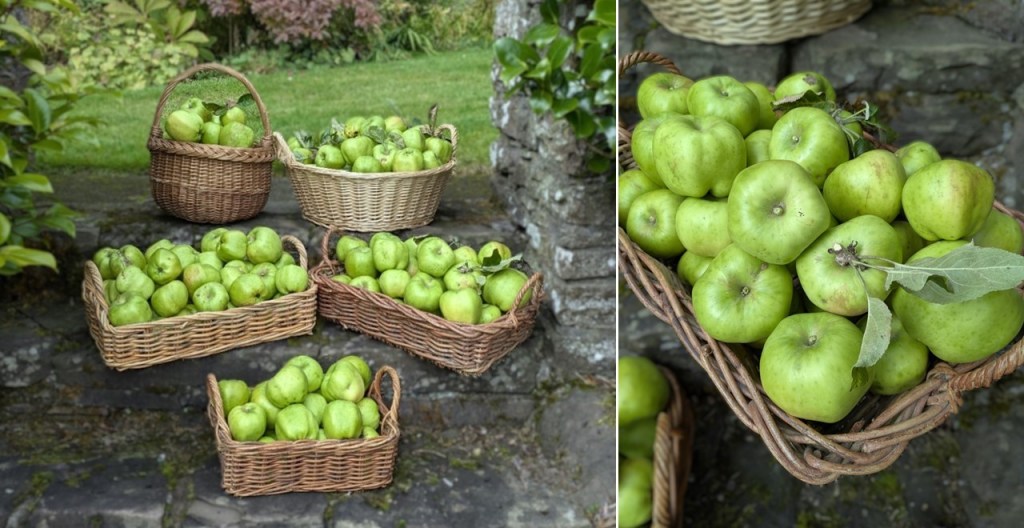
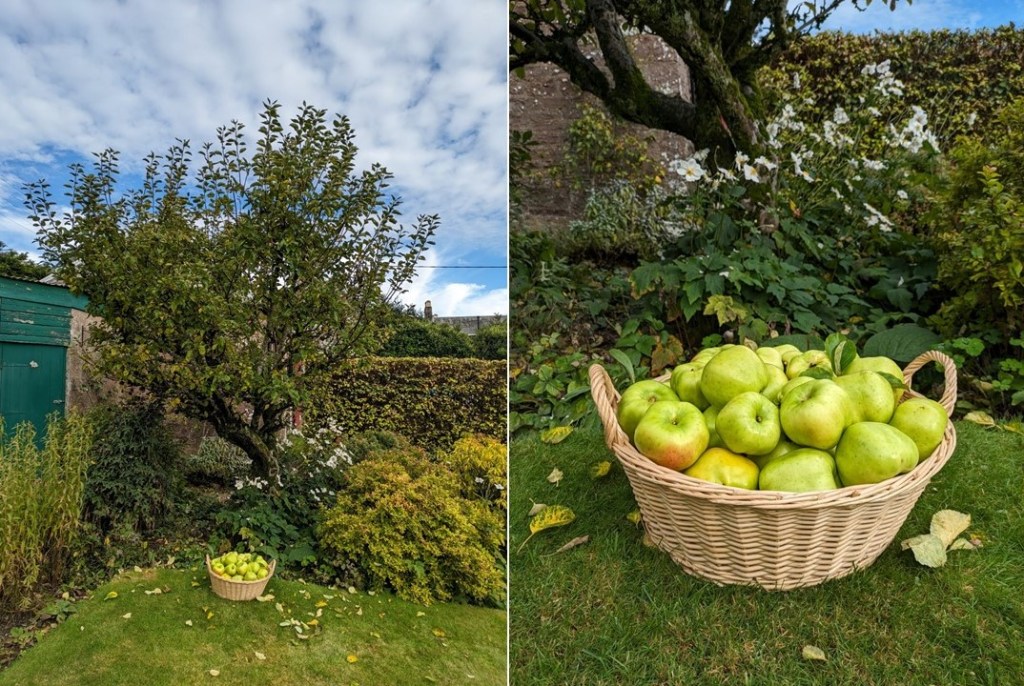
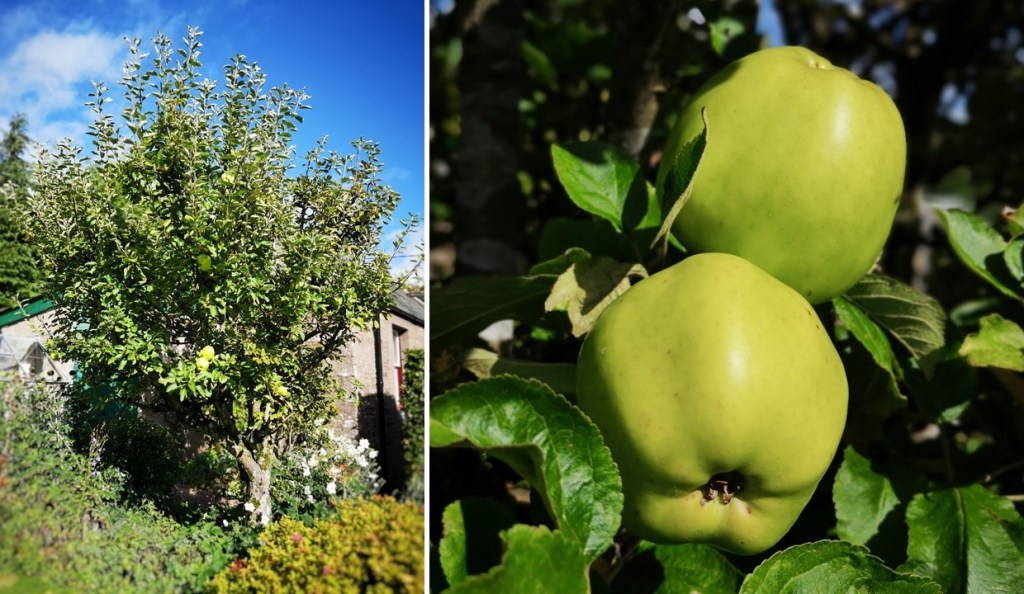
Another bumper year from the old apple tree. Images: Kathryn Hawkins
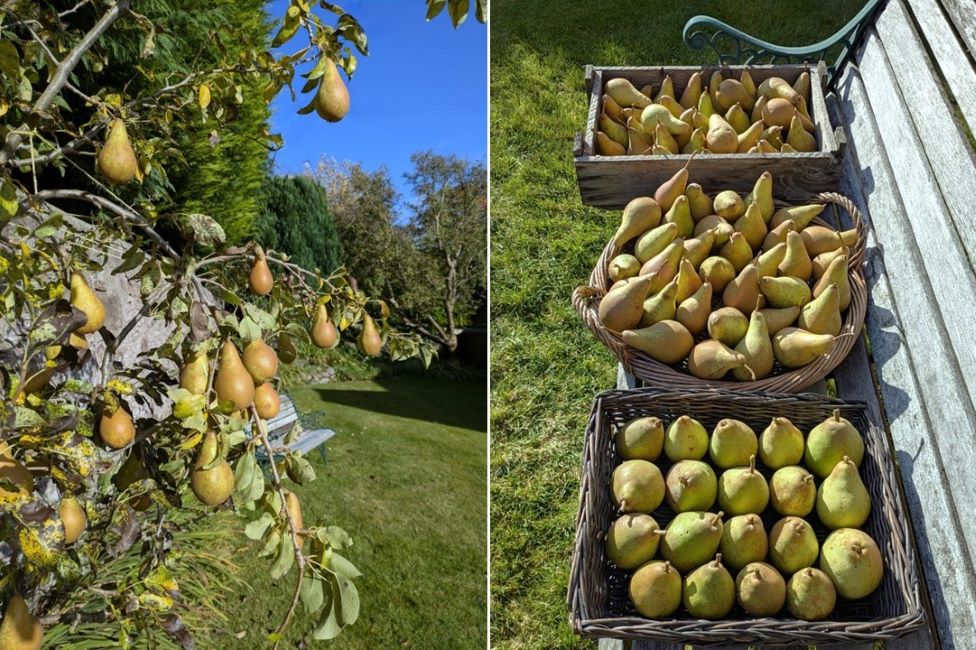
Hello again. Well, that’s just about everything edible in from the garden for another year. It was a fine bright day yesterday, perfect weather for apple and pear picking. What a bumper harvest this year: 35kg apples and 10kg pears – woo hoo!
This year’s Concorde and Comice pear harvest. Images: Kathryn Hawkins
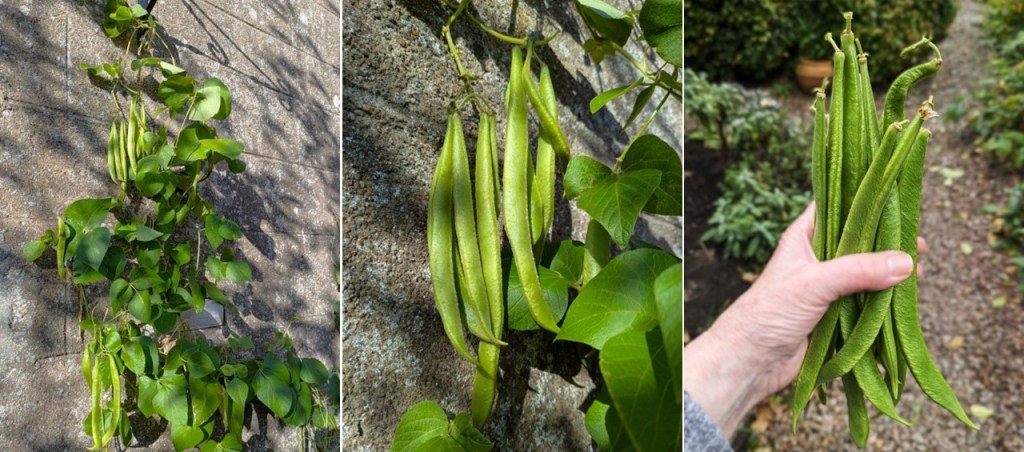
I’m glad to report on the back of last month’s post, there have been runner beans to enjoy at last. I picked off the last of them yesterday and took the plants down. As I type, the weather has become very stormy and I am pretty sure that the beans wouldn’t have survived a pounding from gale force winds.
Runner beans at last! Images: Kathryn Hawkins
In the greenhouse, some plants are shutting down like the French beans, cucumber and tomatoes. There are a few tomatoes left on the vines to ripen, but I was pleased with this basket full. The baby sweetcorn I planted (almost too) late is also about ready to pick.
Last of the runner beans. Image: Kathryn Hawkins
The sweetcorn fairies are coming. Image: Kathryn Hawkins
Looking forward to next spring, the potted mimosa plant is doing well in the greenhouse and has set lots of flower buds. Now all I need to do is keep it from the harm of a potentially very cold Scottish winter.
A hint of spring. Mimosa flower buds. Images: Kathryn Hawkins
Outside the garden is alive with beautiful colours of the Japanese maple and Autumn crocuses.
Glorious Autumnal shades. Images: Kathryn Hawkins
Sunny Autumn crocus. Images: Kathryn Hawkins
The deliciously scented pink rose is out flowering again. Such a heady aroma when you catch the scent in the air.
In the pink in October. Images: Kathryn Hawkins
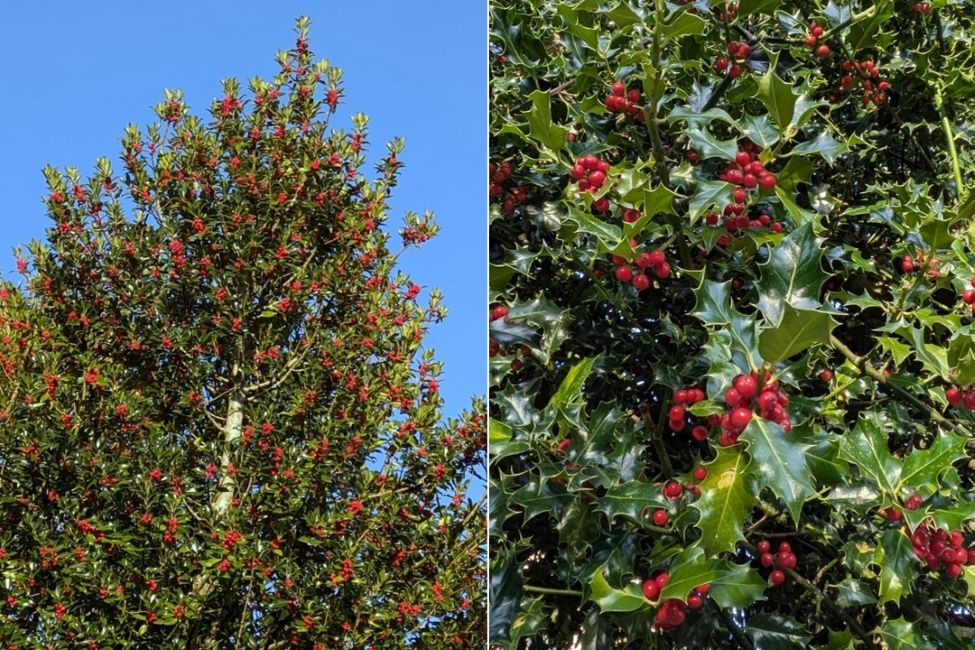
I’ll end my post with a nod to the next season. I’ve been working on Christmas projects for a few weeks already but in the garden the holly trees are bursting with berries this year. Some would say that this means we’re in for a cold winter, but I’d prefer to believe that it simply means that this year has given the trees just the right growing conditions to produce a huge amount of fruit. We’ll see…..fingers crossed I’m right.
Bursting with berries. Images: Kathryn Hawkins
I’ll be back recipe posting in a few days, something suitably spooky for Hallowe’en. Until then, thanks for stopping by.
A promising harvest awaits. Image: Kathryn Hawkins
Hello again. It certainly feels like the season is beginning to change here in central Scotland. The daylight hours are shortening and there is a distinct nip in the early morning and late evening air.
Ripening orchard fruit. Images: Kathryn Hawkins
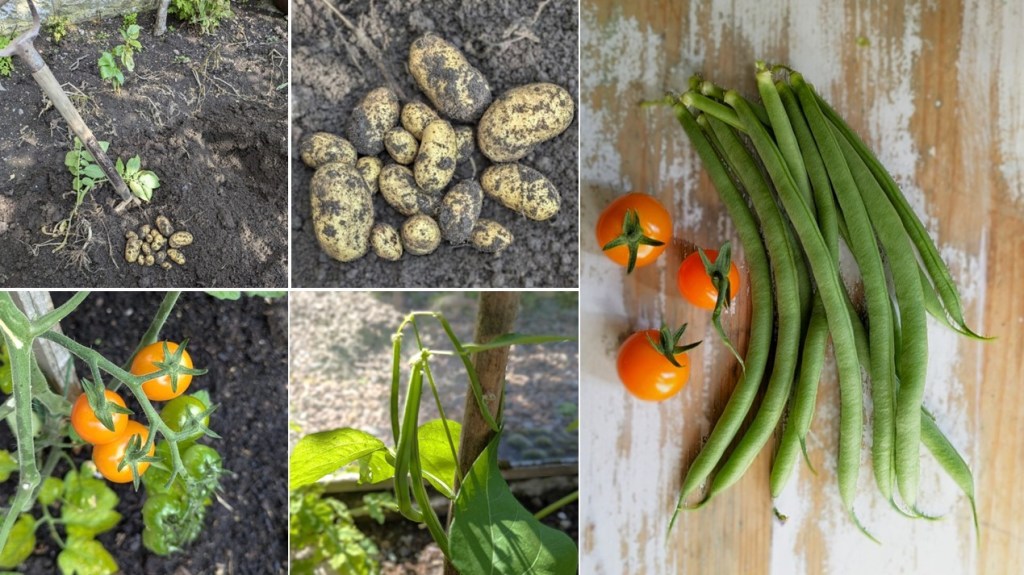
Really happy to see so much fruit on the pear, apple and plum trees this year. It must have been all the rain we have had. Not long to wait until the picking starts 🙂 I have already harvested a few potatoes, and a few greenhouse tomatoes and French beans. Such a treat, and there is plenty more to come.
Garden and greenhouse treasures. Images: Kathryn Hawkins
Around the garden, there are still some signs of Summer like the orange lupin flowering for the third time, and such a large bloom. Usually the second and third flowers are small, but this one is a real beauty.
Late Summer flowering Crocosmia and a late blooming Lupin. Images: Kathryn Hawkins
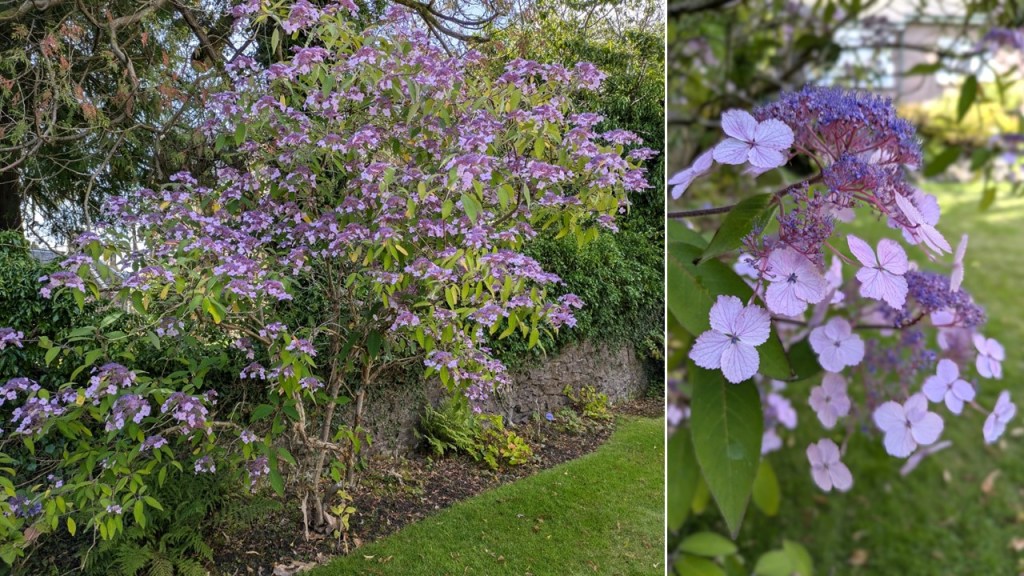
Lovely Lacecap Hydrangea. Images: Kathryn Hawkins
And the bees are still very busy, especially around the Echinops and Golden Rod.
Busy bees in the sunshine. Images: Kathryn Hawkins
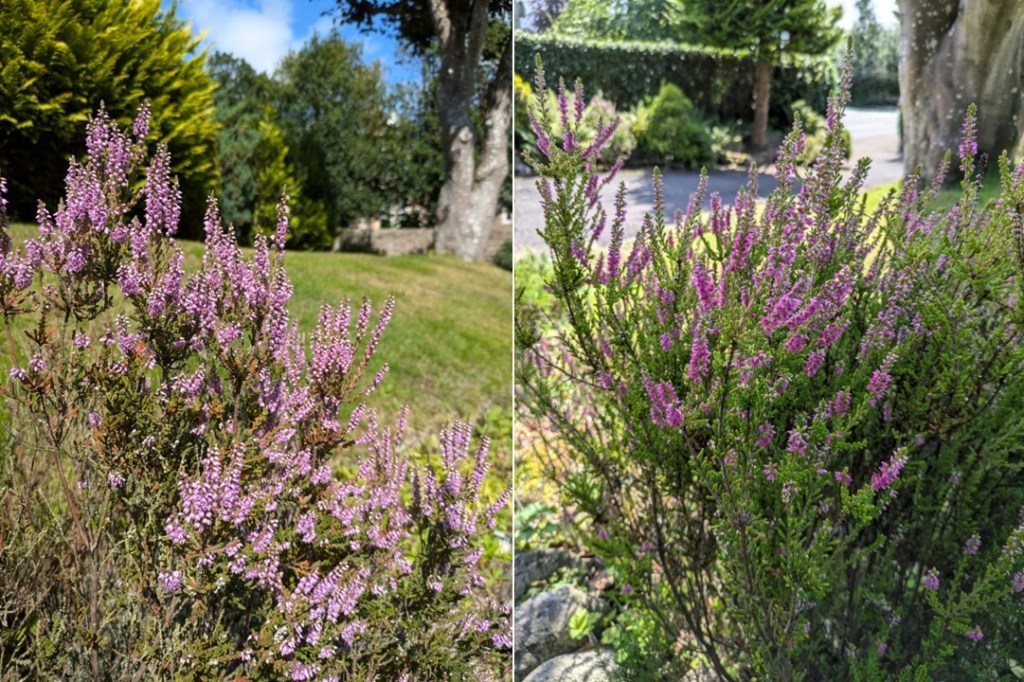
But you know the season is changing when the first Autumn crocus emerges in a darker corner of the garden, and the late flowering heathers are in full flower.
A few nights ago, as the daylight was fading, a new visitor came up the driveway and started tucking into the fallen sunflower seeds from the bird feeder. He/she stood on their hindlegs to reach a few seeds caught on the stone wall. You’ll see it is quite a chunky fellow, and is obviously finding enough food to keep its strength up:) The other image is of a magnificent Peacock butterfly absorbing the warmth from the sandstone wall outside my office the other day. What a beauty.
Night and day time visitors. Images: Kathryn Hawkins
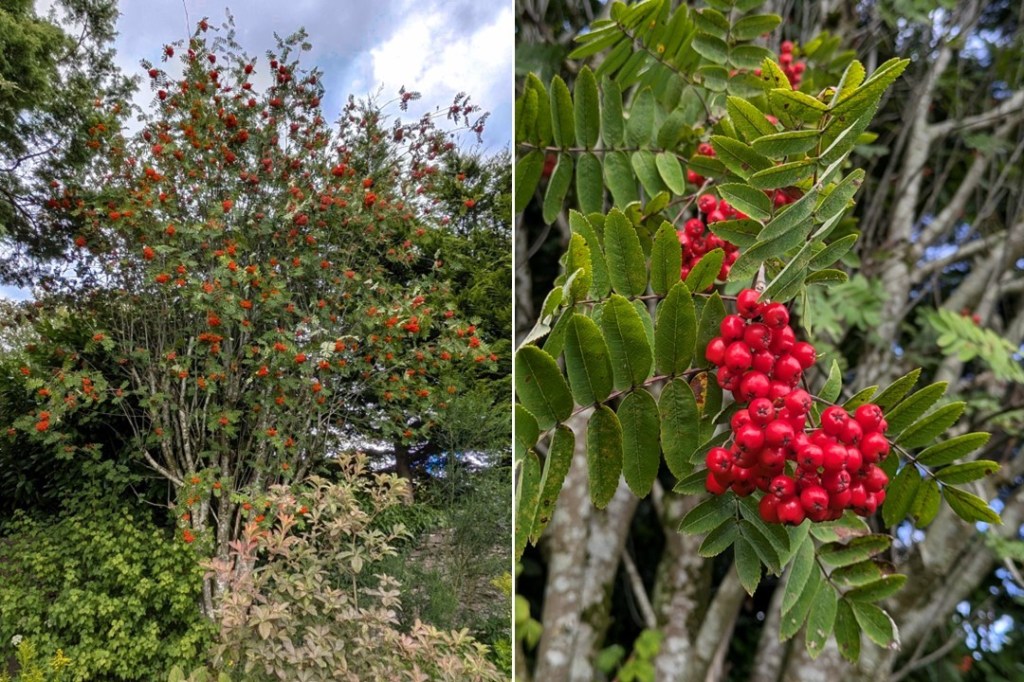
My final images this month are of the Rowan tree in the back garden which has been quite bereft of berries for several years. This year it is laden, and so much so that they are beginning to fall to the ground before the birds have started to eat them!
Ripe Rowan berries. Images: Kathryn Hawkins
That’s me for another month. See you in September! Thanks and best wishes until then.
This year’s cooking apple harvest. Images: Kathryn Hawkins
Hello there. It’s been a very varied weather picture here in central Scotland this October. It was mild and kind at the beginning of the month, which presented perfect conditions for bringing in this year’s harvest of apples and pears. Compared to last year, the yield from the old apple tree and 2 small pear trees was small, but there was still enough to enjoy, and now the trees are having a well earned rest.
Homegrown pears. Image: Kathryn Hawkins
After the harvest. Image: Kathryn Hawkins
The morning following the fruit picking, the first frost of the season fell, and a few days later, there was another one. A subtle reminder that winter is not too far away.
First October frost. Image: Kathryn Hawkins
Frosted Autumn plants. Image: Kathryn Hawkins
Having had a late spell of very warm weather last month, the trees held on to their leaves longer than usual. The Autumn colours have been really showing in all their glory since the middle of the month. The Japanese maple in the back garden looks as spectacular as ever this year.
Fiery leaves. Image: Kathryn Hawkins
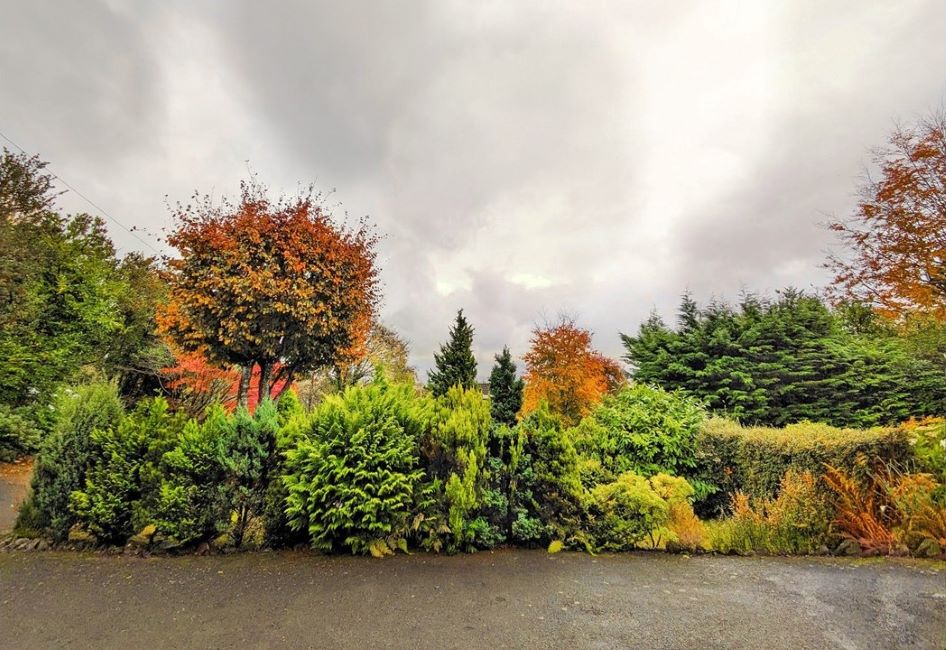
The second half of the month has seen strong winds, a named storm (Babet) and heavy rain hitting this part of the country. Little damage here thank goodness, but lots of flooding around the area. The rain has washed plenty of leaves to the ground, and there are piles to be swept up all over the garden.
Autumn on a grey, wet day. Image: Kathryn Hawkins
Just leaves. Image: Kathryn Hawkins
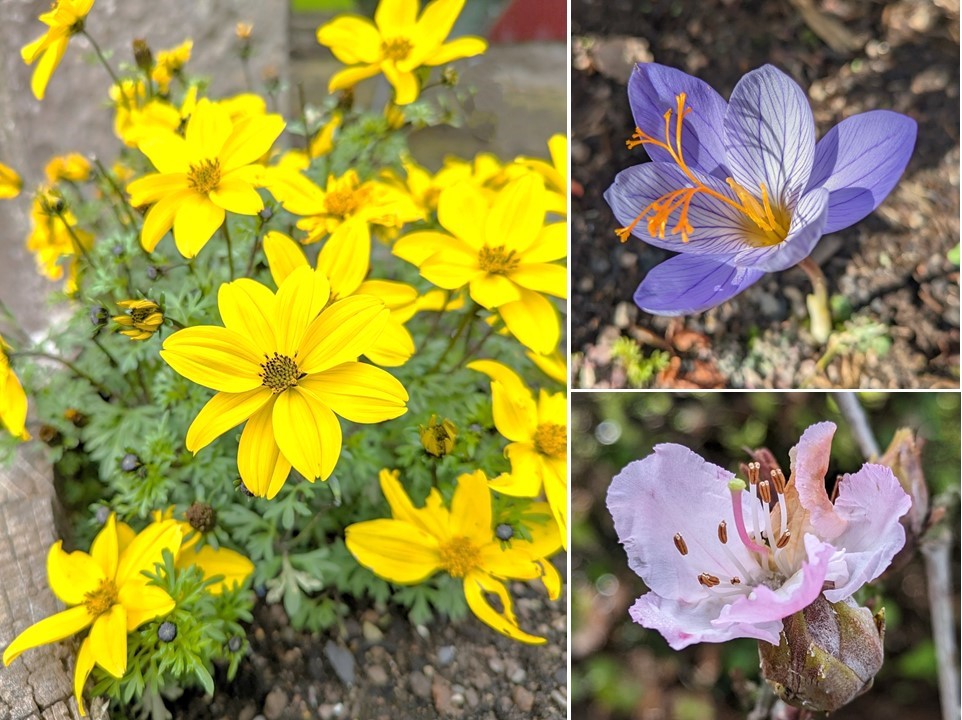
There aren’t so many flowers in the garden at the moment. But these Bidens, usually a summer annual here in Scotland, seeded themselves and only started flowering last month. The Autumn crocus suffered in the frost and then the heavy rain, and the poor pink rhododendron is very confused by the weather. It produced a solitary flower last week which sadly didn’t last more than a couple of days.
Bidens, Autumn crocus and solitary rhododendron flower. Images: Kathryn Hawkins
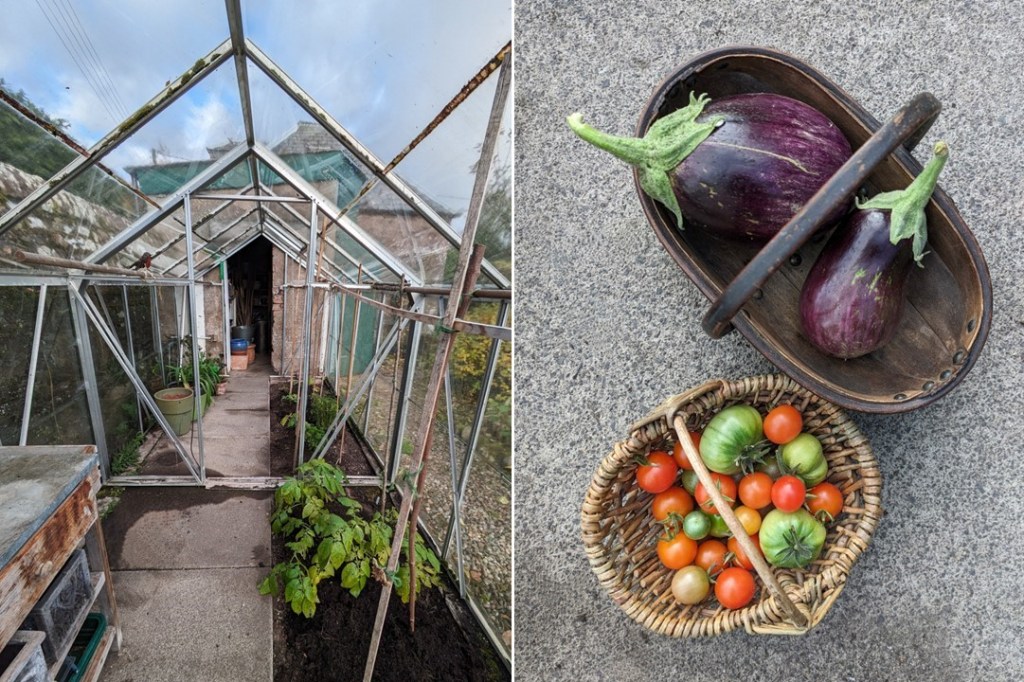
I put the greenhouse to bed this weekend. The tomato plants had just about finished and the last of the aubergines (egg plant) were ready for picking. All that remains are some late season potatoes. I’m not sure how well they are doing but I guess that I will find out in another month or so when I dig them up.
End of season in the greenhouse. Images: Kathryn Hawkins
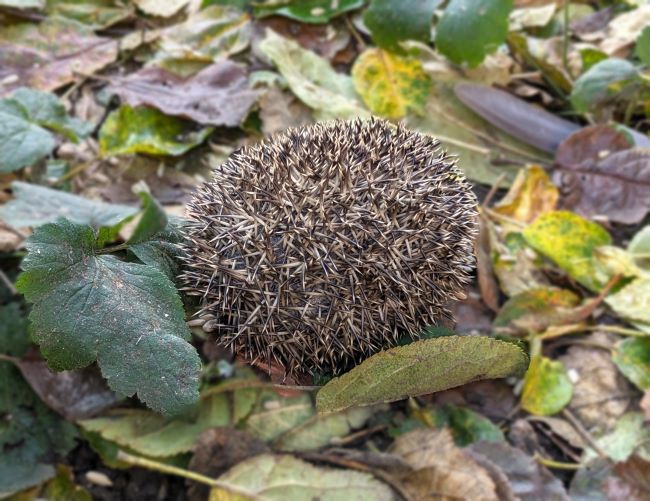
There was a new visitor in the garden this week. A little hedgehog made its way to the apple tree. I think he/she was in search of dropped bird seed from the feeder above. The prickly visitor rolled into a ball as soon as it heard us approaching. There are plenty of leaves around in the garden so hopefully this little fellow will make a comfy bed in one of the hedges for the coming winter.
Garden hedgehog. Image: Kathryn Hawkins
That’s all for this week. Thanks for stopping by. I hope you enjoy the changing season. Until my next post, take care and my best wishes to you 🙂
Happy New Year! I hope you have had a good holiday. We find ourselves at the beginning of a brand new year, wondering what 2023 has instore for us all. Let’s hope it’s a good one.
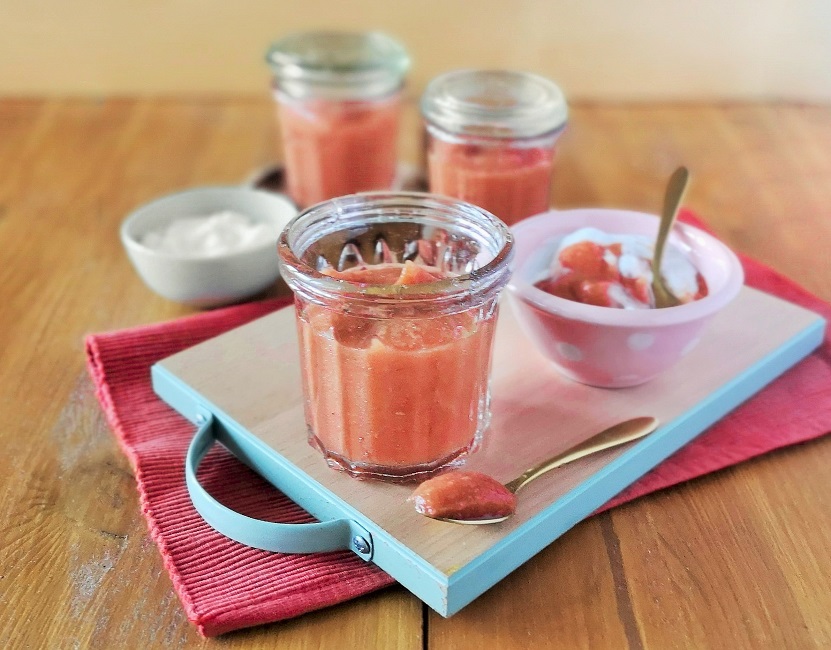
It’s been a chilly, frosty and snowy end of year here in central Scotland. I didn’t venture very far. I have been in the kitchen keeping cosy and have been trying new ways of using up what remains of the stored fruit from last Autumn. This week’s post is the result of one of my experiments, slow-cooked fruit butter. It keeps for about a week in the fridge but can be frozen for use later in the year.
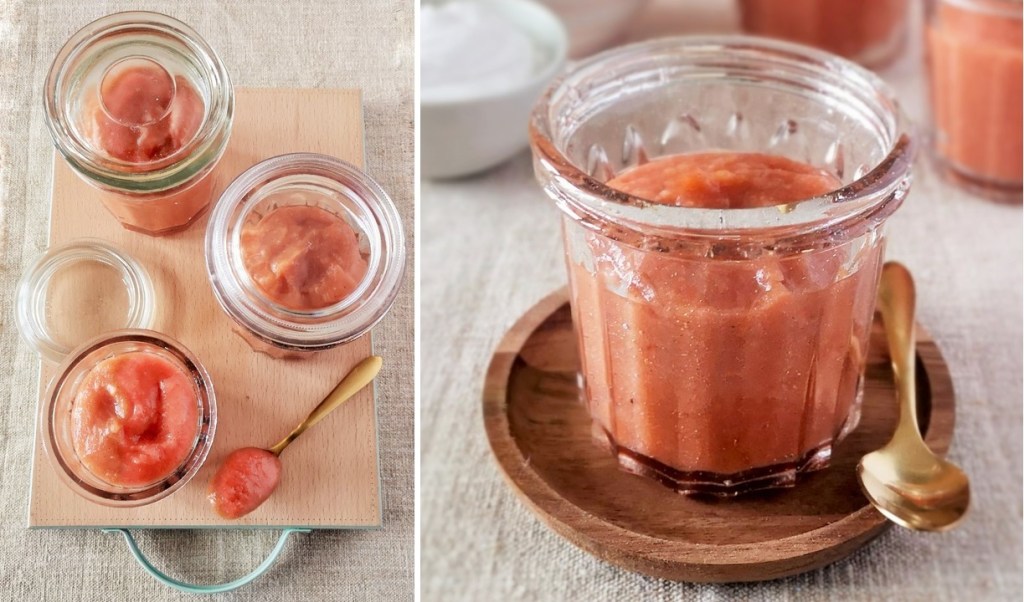
In the jar. Images: Kathryn Hawkins
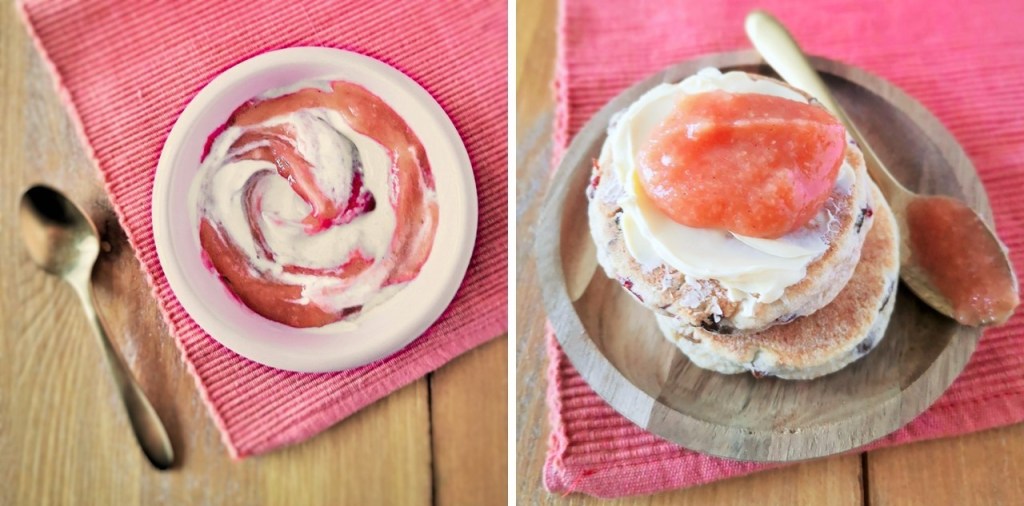
Fruit butter has nothing to do with dairy butter. In fact, it is completely fat free. I guess it gets its name from the fact that it is silky smooth in texture. It tastes delicious and is very easy (and moreish!) to eat. You can use it like jam, spread on toast, or as a filling for pancakes, pastry cases and sponge cakes, or as a dessert with yogurt. It is delicious served with rice pudding, granola, porridge or as a topping for a cheesecake.
Fruit butter with coconut yogurt and on griddle scones. Images: Kathryn Hawkins
The sugar content is much lower than jam so you do need to keep it in the fridge. It freezes very well with no alteration in texture, colour or flavour. If you portion the butter up in small containers, it will defrost quickly and can be used up in a few days.
Ripe fruit and flavourings. Images: Kathryn Hawkins
I used a combination of quince, cooking pears and small cooking apples, but you can use the same method for a single fruit butter, although you may need to adjust the sugar content. And when it comes to flavouring, you can use whatever you fancy. For speed, ground spices are the easiest option because it saves time at the end of cooking. You can simply blitz the fruit and store. I prefer whole spices along with lemon rind, and as long as you know how many pieces you have added, then you know how many bits you need to fish out before your start blending. Cinnamon, allspice, cloves, ginger and orange would all work very nicely, it’s just personal preference.
On with the recipe. All the work is in the preparation of the fruit, then it’s a case of letting the slow-cooker do the rest of the work.
Makes:approx. 1.6kg
Ingredients
1 unwaxed lemon
2kg quince, cooking or firm pears, and cooking apples (dessert apples will also work, just adjust the sugar quantity accordingly)
125g caster sugar
1 vanilla pod, split
6 to 8 cadamom pods, split
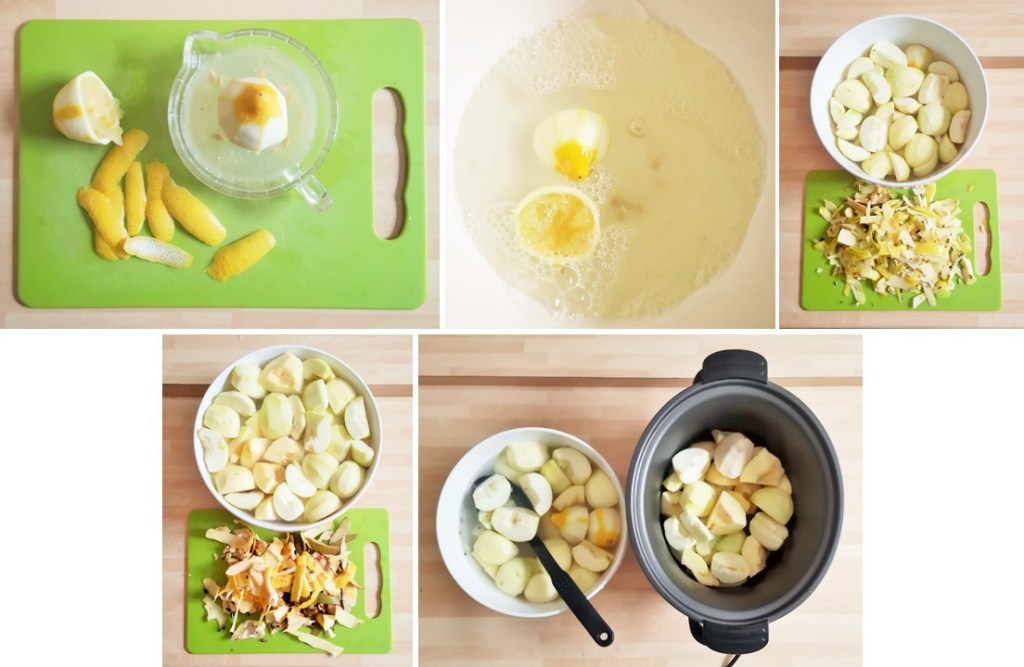
1. Pare the lemon rind in thick strips using a vegetable peeler, and extract the juice. Put the spent lemon shells in a large bowl, pour over the juice and top up with cold water to half fill the bowl. Keep the pared rind for the slow cooker.
2. Peel and core all the fruit, and cut into pieces – apple and pear will cook more quickly than quince if you are using a combination. Simply cut the quince (or any firmer pieces of fruit) into small pieces for even cooking. As you prepare the fruit, put it in the lemony water to reduce the deterioration of colour.
3. When you have prepared all the fruit, use a draining spoon to ladle it into your slow cooker. There is no need to drain the fruit too much as a little of the lemony water will help create steam as the fruit cooks. Discard the lemon shells.
Preparing fruit for slow cooking. Images: Kathryn Hawkins
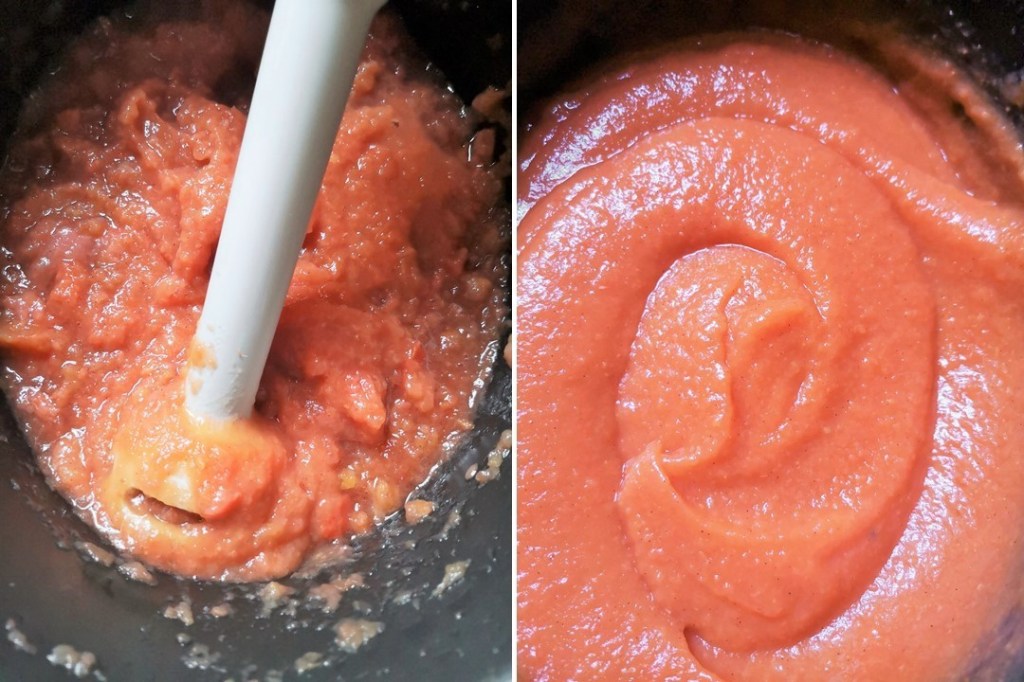
4. Add the sugar, pared lemon rind and your other chosen flavourings and mix everything together, then cover with the lid and set the cooker to High for 5 to 6 hours, or Low for 10-12 hours. The exact cooking time will depend on how ripe the fruit is. After a couple of hours, give the fruit a stir then re-cover, and stir again after a further 2 hours. Continue cooking until the fruit is very soft.
Before and after cooking. Images: Kathryn Hawkins
5. Switch off the cooker and leave the fruit, covered with the lid, to go cold. Remove the rind and whole spices if using and either use a stick blender to blitz the fruit or transfer to a standing blender. The fruit butter should be thick and beautifully smooth.
The final step to perfect fruit butter. Images: Kathryn Hawkins
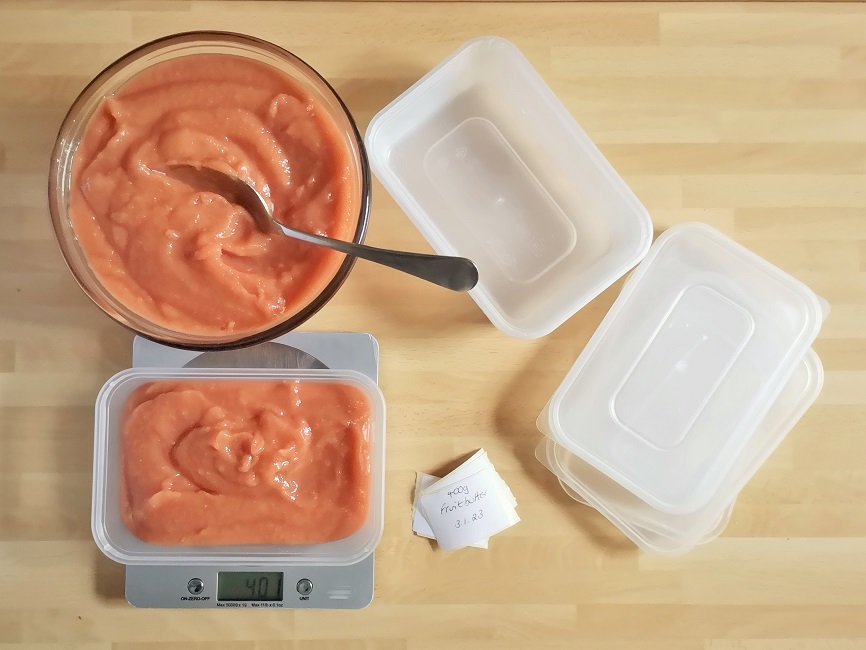
6. Once you have your butter, either spoon it into clean, sealable jars or containers for keeping in the fridge, or pack it into cartons for freezing.
Ready for freezing. Image: Kathryn Hawkins
I hope you have enjoyed my post this week. I will be back with another recipe in a couple of weeks. Until then, take care and keep well. I will see you again soon 🙂
Hello there. So here we are at the end of another month. I hope you have had a good couple of weeks since my last post. I had been intending to show you round my garden at this point in time, but to be honest, there is not a lot to see. Most things are looking rather soggy and bedraggled after recent heavy rain . It feels like Autumn has been cut short this year by the rain washing the leaves from the trees.
No matter, I have some cheery images of my apple and pear harvests earlier in the month. I was able to capture the images under mostly blue skies which should make for better viewing. I hope you enjoy them 🙂
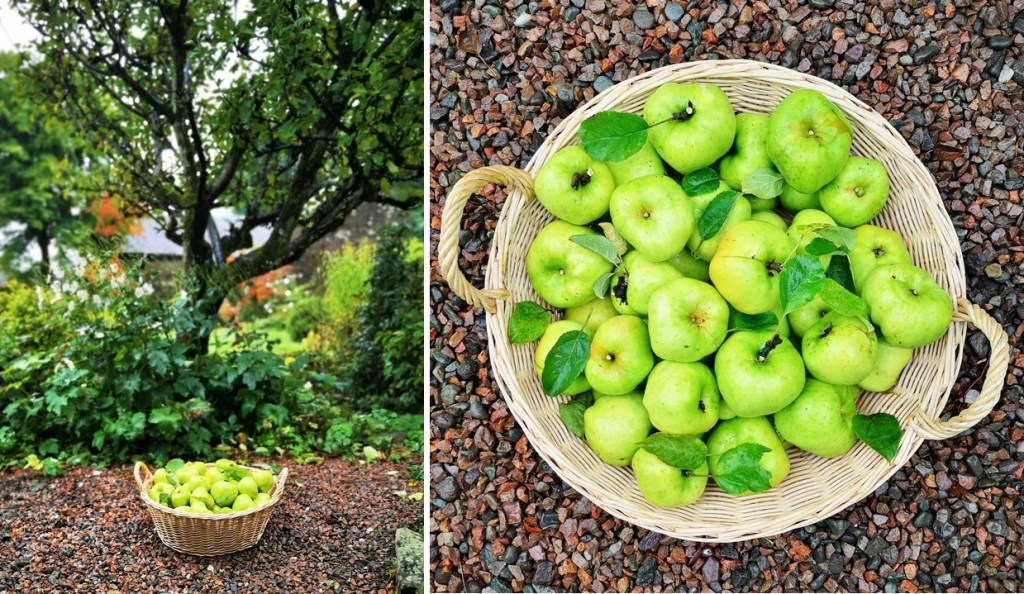
Lord Derby cooking apple harvest 2021. Images: Kathryn Hawkins
The old apple tree in the garden produced a fraction of the apples it provided last year. In 2020, I had at least 4 times the amount. However, I still have a good basketful and have started cooking them down. I think they will last a few weeks yet.
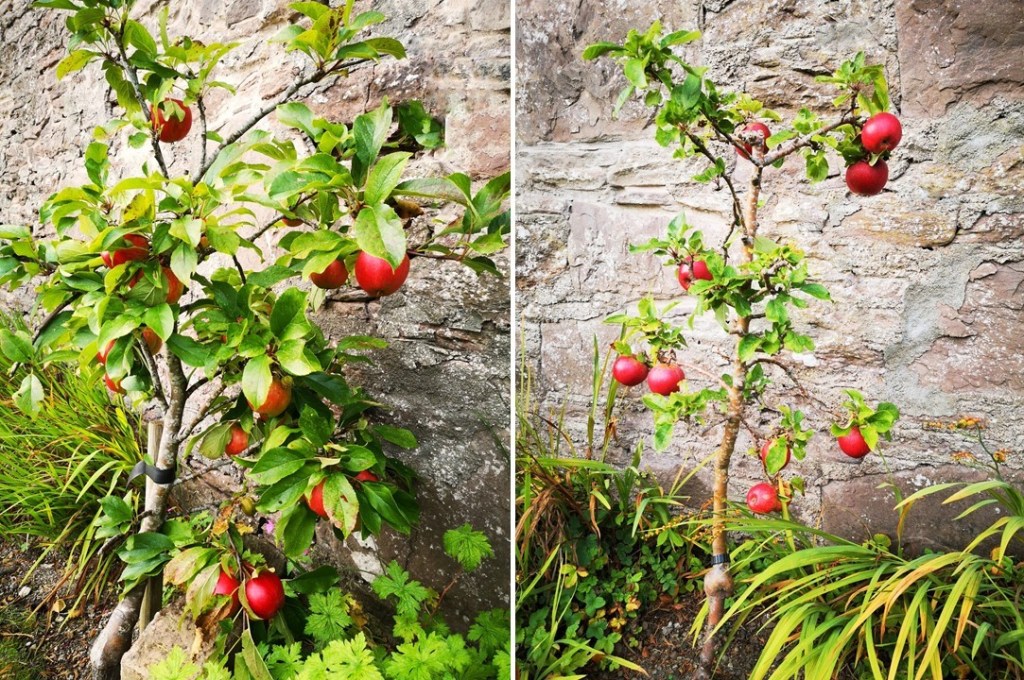
Miniature eating apple trees. Images: Kathryn Hawkins
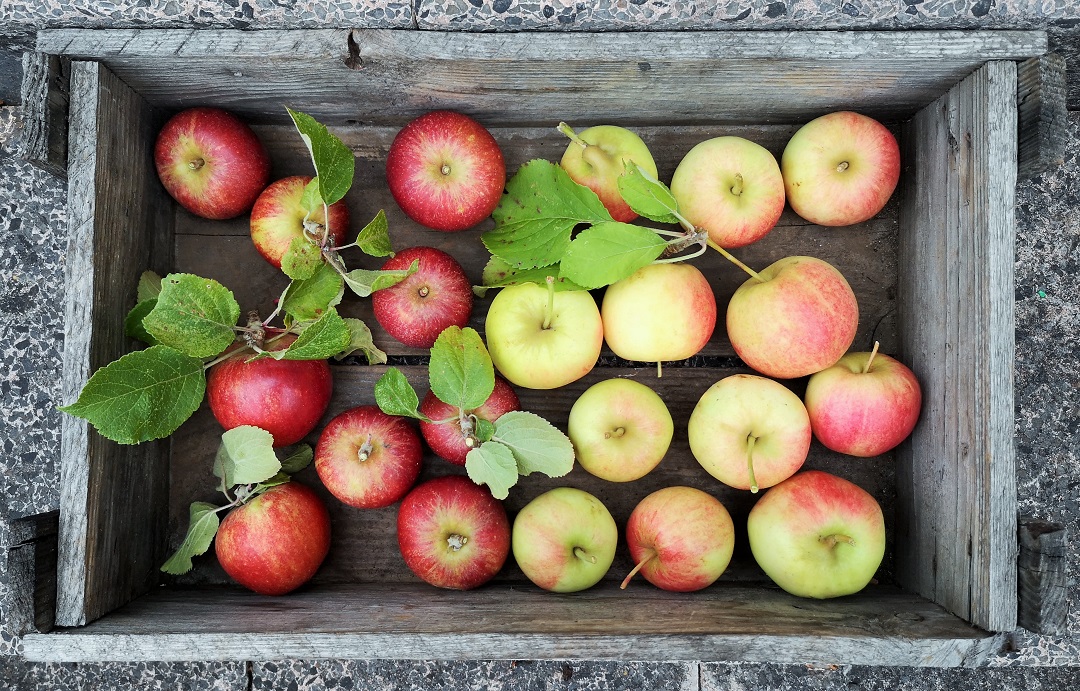
Harvested eating apples. Images: Kathryn Hawkins
It’s been a bumper year for eating apples. Only a handful from one tree last year and nothing from the other, but this year I have been rewarded with a huge crop by comparison. The very red apples are called Katy but sadly I can’t remember the other variety now, however both varieties are sweet, juicy and very delicious, and they keep well.
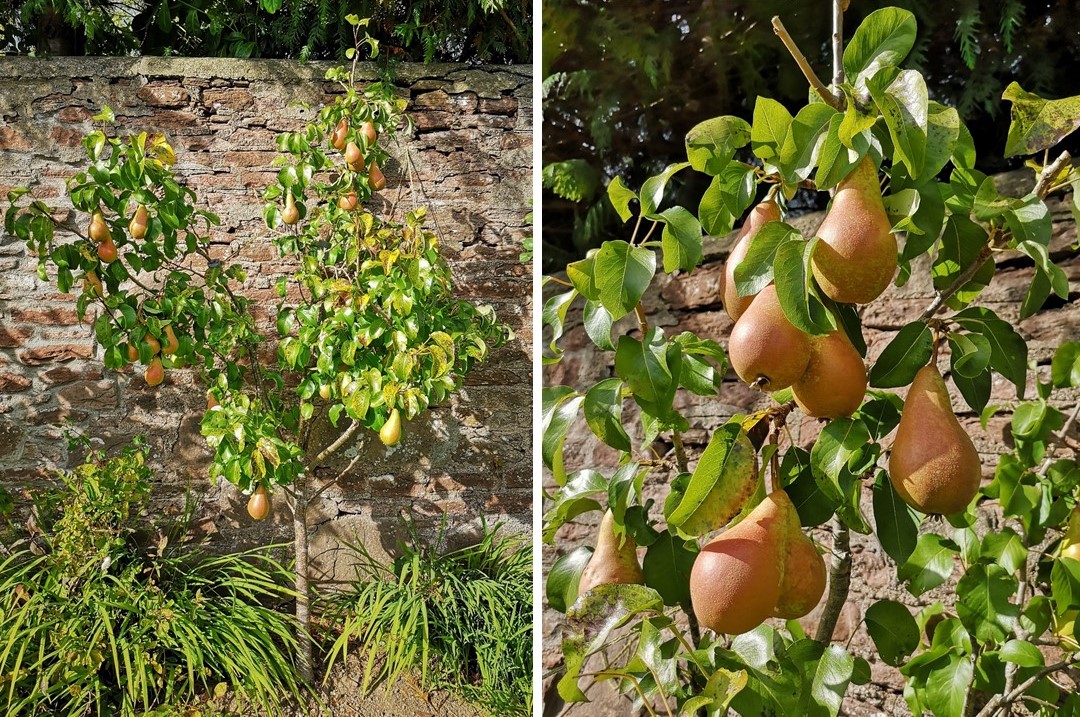
Concorde pear tree and fruit. Images: Kathryn Hawkins
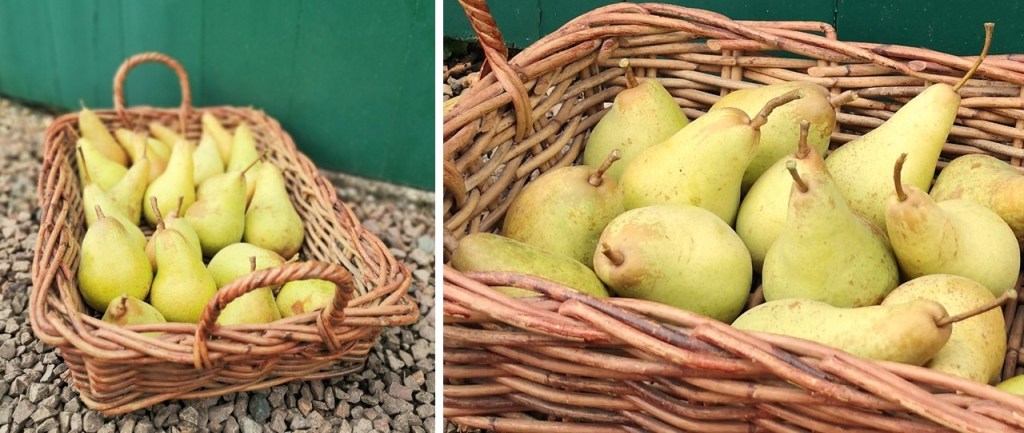
And so to the pears trees. They have also had a good year, providing a generous basketful after a very poor crop last year. Both trees are still small although they have been planted in the garden for about a decade now. The pears store well so there will be fruit to enjoy for a while yet.
Homegrown Concorde and Comice pears. Images: Kathryn Hawkins
I have posted many apple and pear recipes over the years, but these are my top 3 which you might like to try – just click on the links for the recipes:
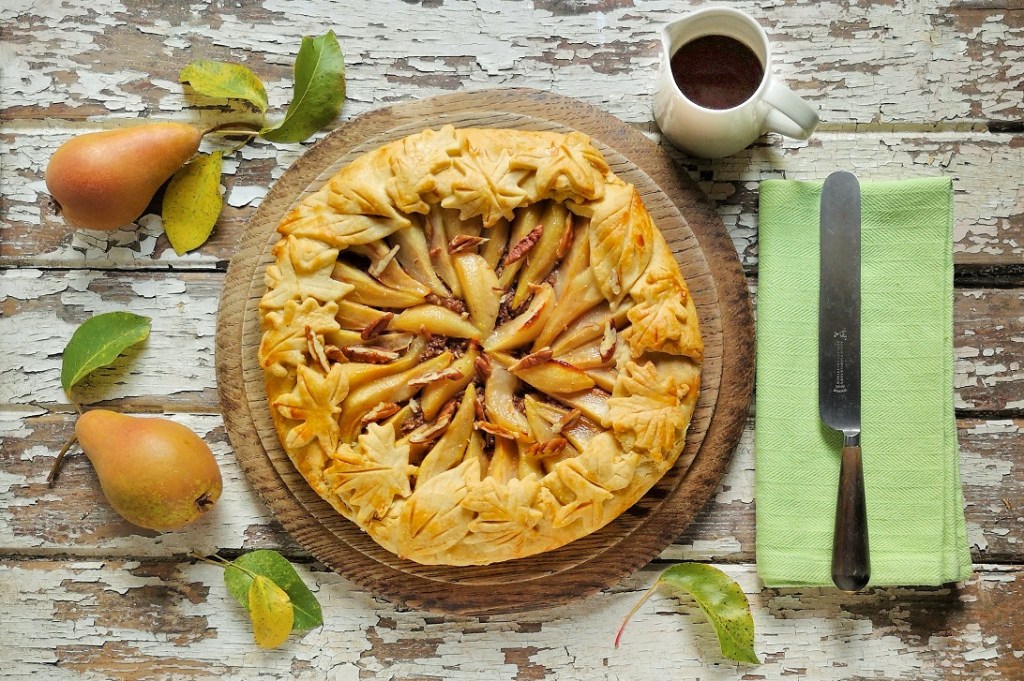
Pear, pecan and maple crostata. Image: Kathryn Hawkins
I hope you are enjoying Autumn/The Fall wherever you are and I look forward to sharing some more recipes and images with you in my next post. My best wishes to you until then.
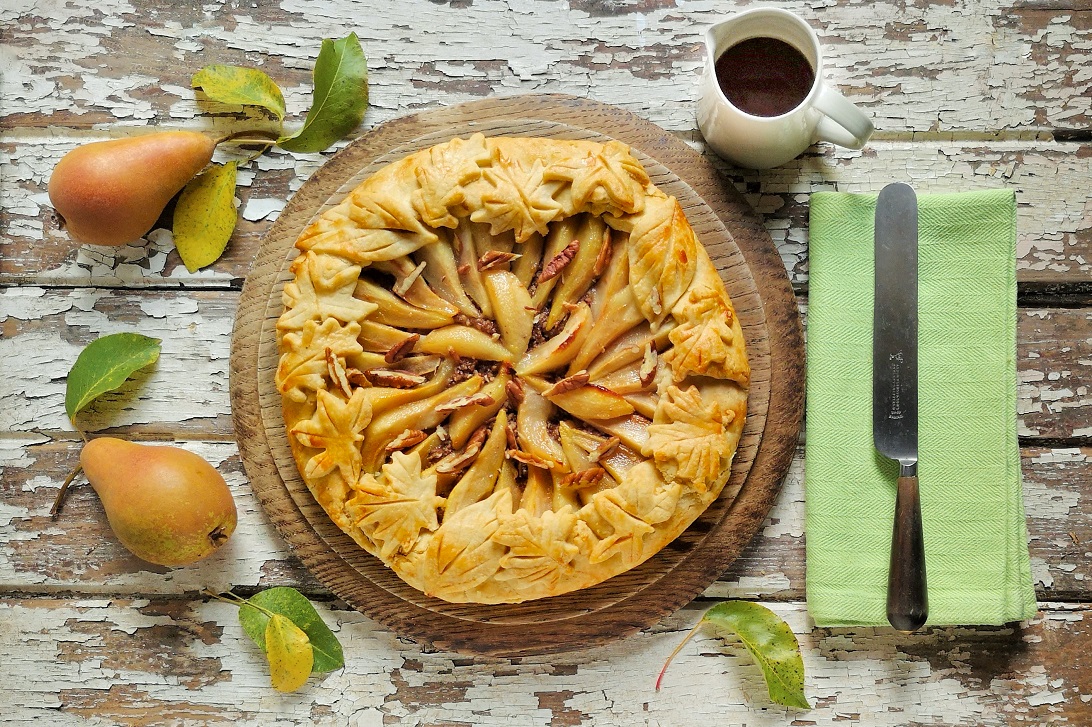
Pear, pecan and maple crostata. Image: Kathryn Hawkins
A few weeks ago, I promised a new pear recipe, and now I have harvested all the pears from the garden, I have been back in the kitchen, cooking up something suitably fruity for this week’s post.
Pastry leaf border. Image: Kathryn Hawkins
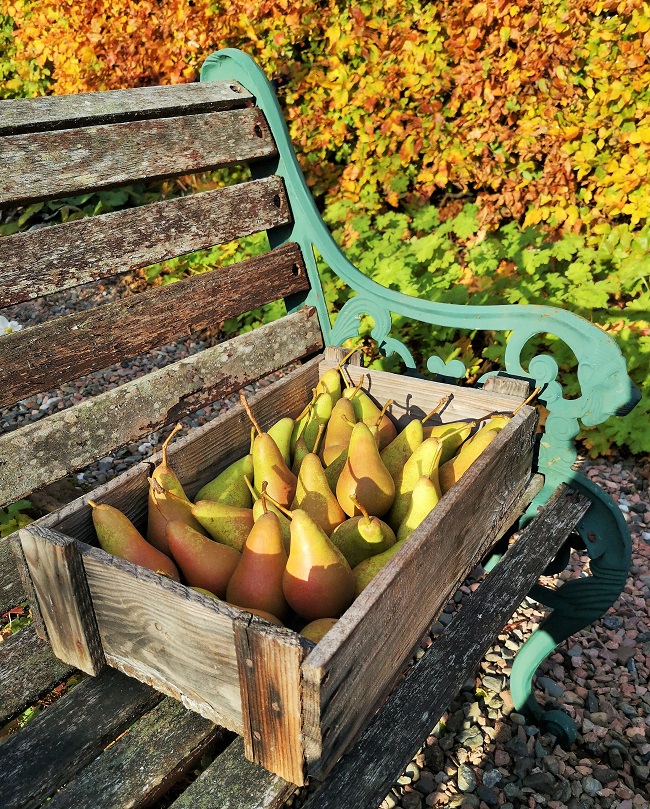
My small Concorde pear tree produced a bumper crop this year. I picked all the fruit at the end of last month, just before a cold snap. It was a beautiful warm and sunny Autumn day and the colours in the garden looked rich and golden.
Autumn pear harvest. Image: Kathryn Hawkins
I put most of the pears in storage, apart from the few smaller ones which were ready to eat. Unlike apples, pears don’t need to be wrapped for storing; just pack them, not touching, in a tray or crate, and keep them in a cool place. When you want to ripen them off, bring them in to room temperature and, in about 3 days, they should be ripe and ready to eat – you can tell if a pear is ripe by gently pressing the flesh at the stalk end, if it gives a little, then it is ripe.
Just before and after picking on a sunny Autumn day. Images: Kathryn Hawkins
On with the recipe. A crostata, one of the easiest forms of pie or tart you can make because you don’t need a tin and it doesn’t matter if you’re not very good at rolling pastry to a neat edge. I made a vegan pastry using white spelt flour, but any short-crust pastry will work – you’ll need about 500g ready-made pastry if you don’t have time to make your own. Pecans and maple syrup give the flavour and sweetness in my recipe – walnuts or hazelnuts would be good too – as would clear honey if you eat it. Choose pears that have some firmness to them for cooking – perfectly ripe pears are best for enjoying as they are 🙂
Serves: 8
Ingredients
450g small pears
1 unwaxed lemon
300g white spelt plain flour
½ tsp salt
85g white vegetable fat (I use Trex), cut into small pieces
100g dairy-free margarine, cut into small pieces
6 tbsp. + 1 tsp maple syrup + extra to serve
4 tsp dairy-free milk
100g chopped pecan nuts + extra to decorate
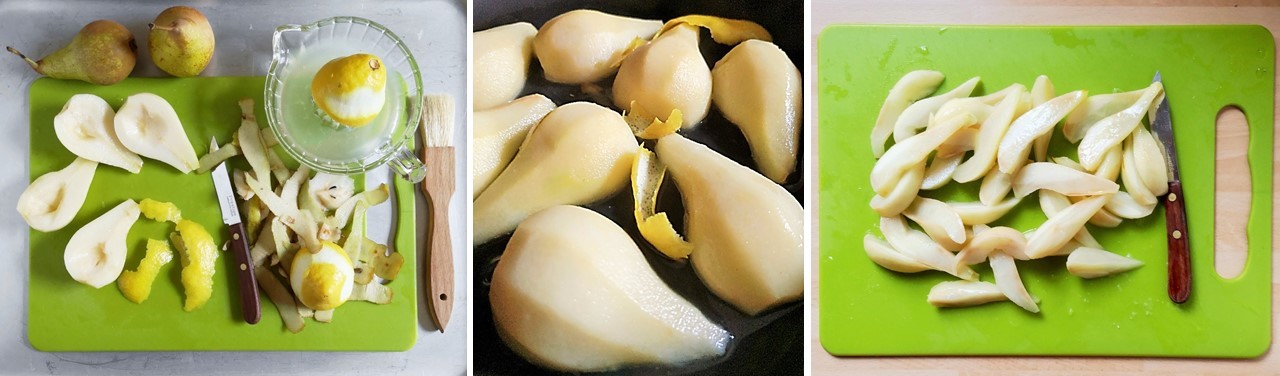
First cook the pears. Peel the pears, cut in half and remove the core. Pare a few strips of rind from the lemon using a vegetable peeler, and extract the juice. Brush the pears with lemon juice all over to help prevent discolouration.
Put the pears in a shallow pan with the remaining lemon juice, pared rind and 2 tbsp. water. Bring to simmering point, cover and cook gently for 5 -10 minutes, depending on ripeness, until just tender. Leave to cool in the lemony liquid, then drain well and cut each pear half into 4 slices. Cover and chill until required.
Preparing fresh pears for crostata. Images: Kathryn Hawkins
For the pastry, sieve the flour and salt into a bowl. Add the fat and 85g margarine, then rub the flour and fats together with your fingertips until well blended, and the mixture resembles a crumble topping.
Make a well in the centre, and add 2 tbsp maple syrup and 1 tbsp dairy-free milk. Stir with a round bladed knife to bind together, then turn on to the work surface and bring together with your hands to make a smooth, firm dough. Leave to rest for 10 minutes on the work surface.
Making vegan shortcrust pastry. Images: Kathryn Hawkins
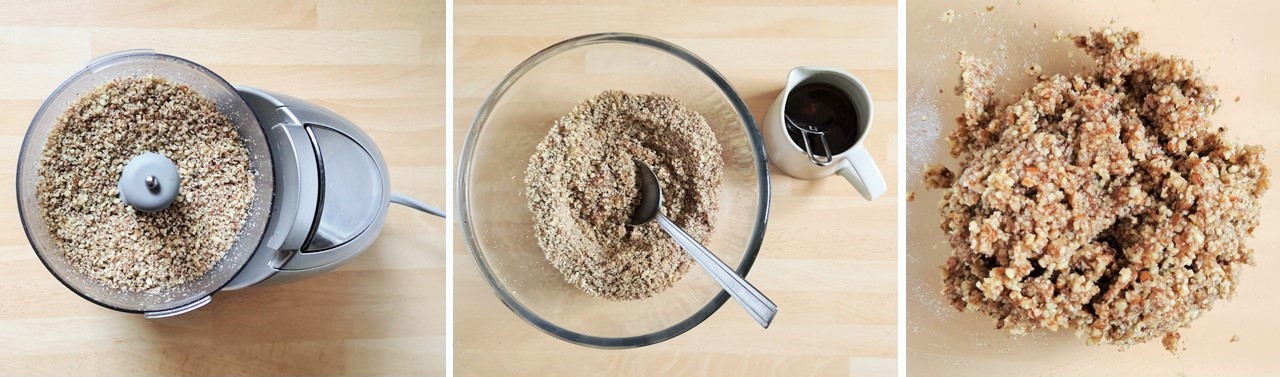
Meanwhile, put the pecan nuts in a blender or food processor and grind until fine. Mix in 2 tbsp. maple syrup to make a spreadable paste. Put to one side. Preheat the oven to 200°C, 180°C fan oven, gas 6.
Pecan paste preparation
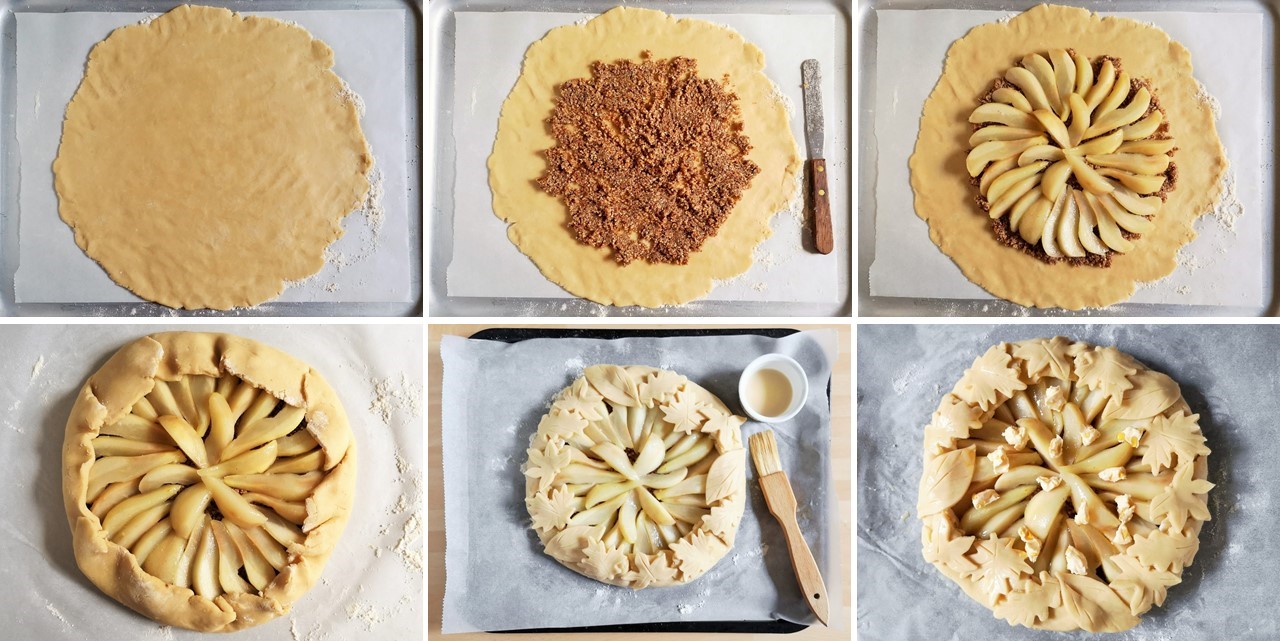
Place a large sheet of baking parchment on the work surface and dust lightly with flour. Cut off a 100g piece of pastry and set aside, then roll out the remaining pastry to make a round approx. 30cm diameter.
Spread over the pecan paste, leaving a 3cm space round the edge of the pastry circle. Arrange the pear slices on top of the pecan filling.
Carefully fold up the pastry edge to cover the edge of the pears – I find a small palette knife useful to help flip the pastry over the fruit. Transfer the crostata on the parchment to a large baking tray, and trim the parchment as necessary to fit the tray. Roll out the reserved pastry on a lightly floured surface and cut out leaves to decorate the edge.
Mix 1 tsp maple syrup with the remaining dairy-free milk and brush over the pastry edge. Arrange the leaves on top and brush with the maple/milk glaze. Dot the pears with the remaining margarine and drizzle with remaining maple syrup.
Assembling the crostata. Images: Kathryn Hawkins
Bake for about 50 minutes until lightly golden and cooked through. Best served warm, sprinkled with chopped pecans and accompanied with extra maple syrup.
The weather has been perfect for spending time in the garden this past week. Fresh and breezy, with the sun shining most days. There are leaves everywhere, and plenty of tidying up to do before the weather changes.
This time last year, I had 3 beautiful Nerine bulbs in bloom. Sadly the snails ate the shoots from the other 2 a few weeks ago, but this beauty survived. It looks like a plant that should be out in late spring or early summer, but at this time of year, it is very welcome and a stunning splash of colour.
Another favourite with the slugs and snails is the Perennial primrose, which also looks out-of-place in Autumn. I was lucky to capture such a perfect bloom for my photograph before the beasties started their lunch.
On the whole, there is not much going on in the garden in Autumn, just leaves tumbling everywhere. However, there are a few plants having one last hoorah before the winter weather begins. All round the walls of the garden, creeping Campanula grows from spring and throughout the summer. This little patch of greenery on a sunny part of wall has just burst into flower again this past week.
Creeping Campanula. Images: Kathryn Hawkins
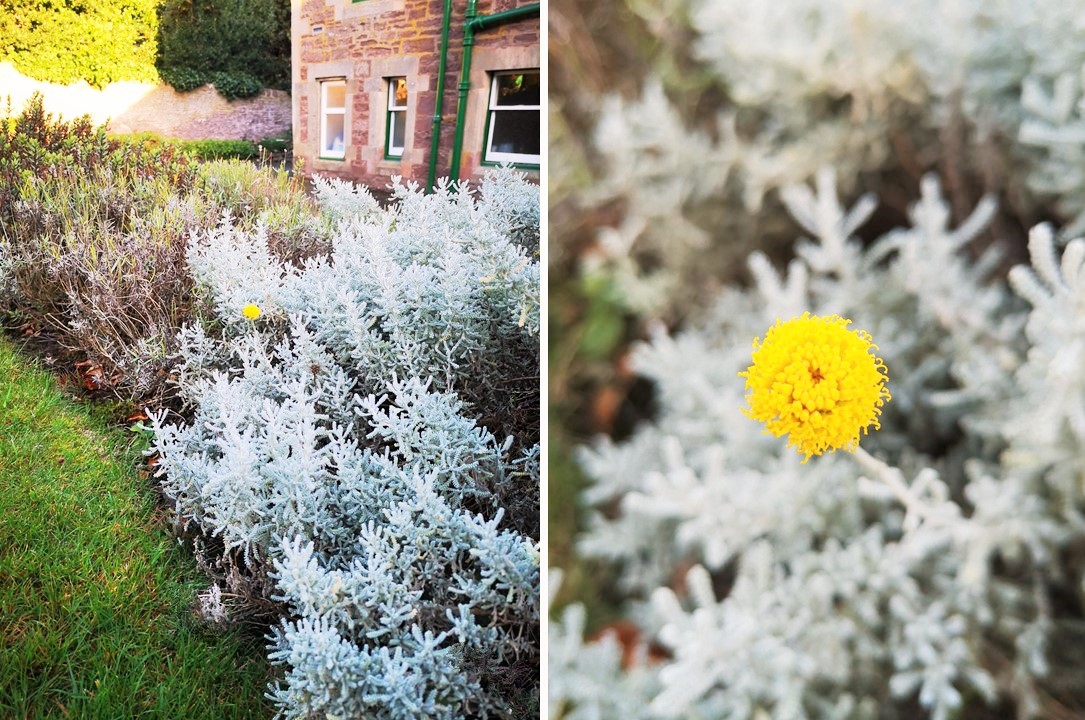
Back in July, the cotton lavender was ablaze with tufty yellow flowers. After cutting it back to remove the dead heads at the end of summer, there is still plenty of fragrant, silvery foliage to enjoy when the sun shines on it. Here we are a few weeks later, and the plant has bloomed again, but this time, with just one solitary flower.
Cotton Lavender bloom. Image: Kathryn Hawkins
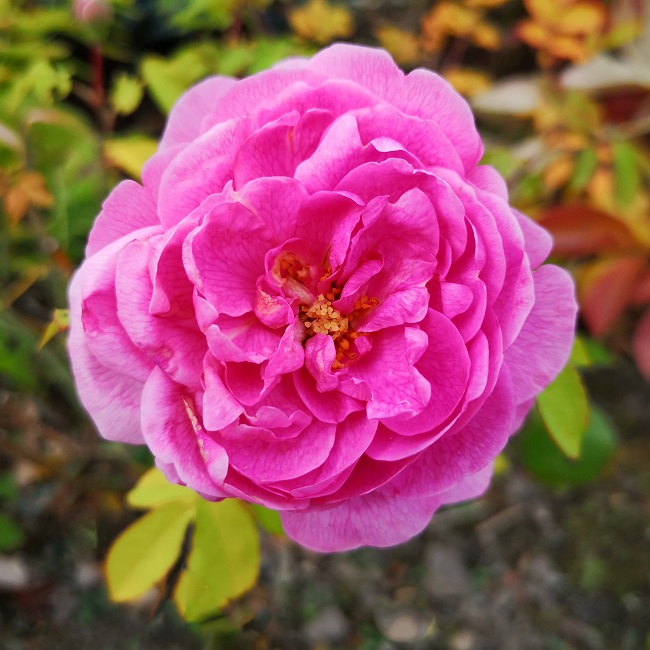
I think I mentioned in my last garden round-up that I was hoping for more rose blooms this Autumn. The heat and the dry weather didn’t seem to suit them earlier in the year and the petals faded very quickly. I was delighted to see fresh buds on my very fragrant favourite rose, and now the blooms are fully open, the garden around them is smelling sweet and aromatic again.
Rosa Felicia. Image: Kathryn Hawkins
There are several Hebes around the garden. It was a good year for blooms, and like the cotton lavender, these 3 bushes have started flowering again this past week, each with only a few small clusters of flowers.
Blooming again, Hebes. Images: Kathryn Hawkins
These eye-catching seeds or berries are all that’s left of the native Iris (Iris foetidissima) apart from the green, spear-like foliage. I don’t recall that many flowers this year, but the seed pods develop and open out to form the exact same pattern of the Iris flower-heads. You can see that there are quite a few pods, so I must have missed a lot of flowers.
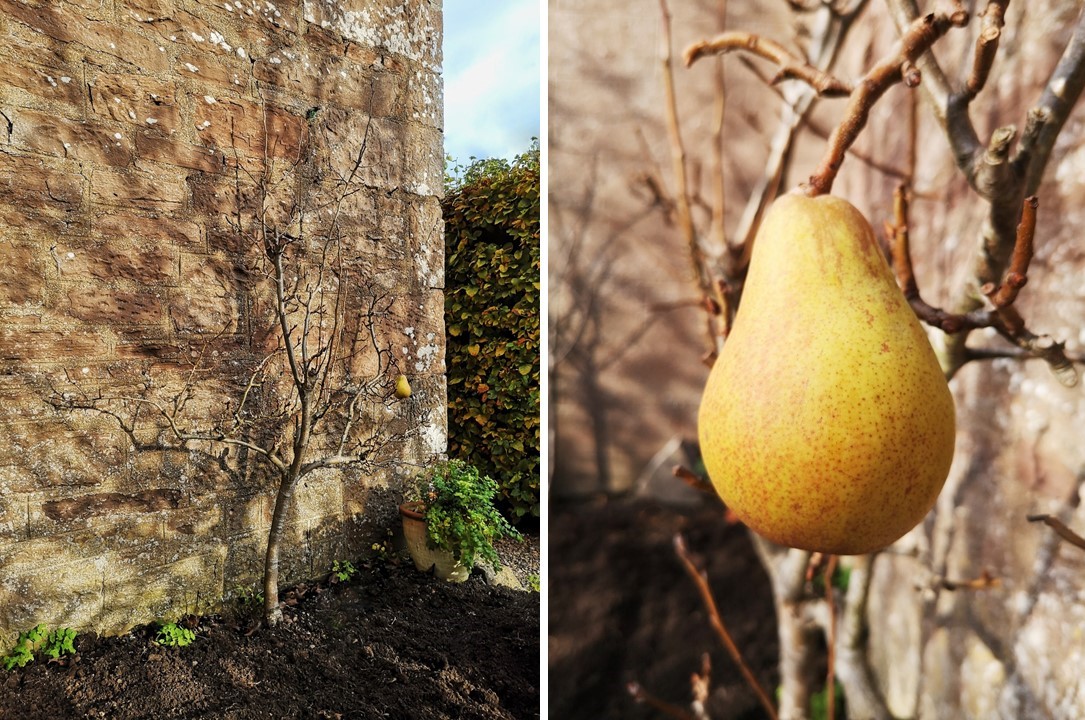
To round off my post this week, something suitably spooky for the end of October. With Hallowe’en just round the corner, this image fits the season perfectly. This small espalier Comice pear tree only produced 4 pears this year. The small ones fell off a couple of weeks ago, but the largest one has been clinging on ever since. Now all the leaves have blown away from the tree, the bare branches made an eerie shadow against the wall this sunny afternoon. Have a good week.
One Comice pear on a pear tree. Images: Kathryn Hawkins
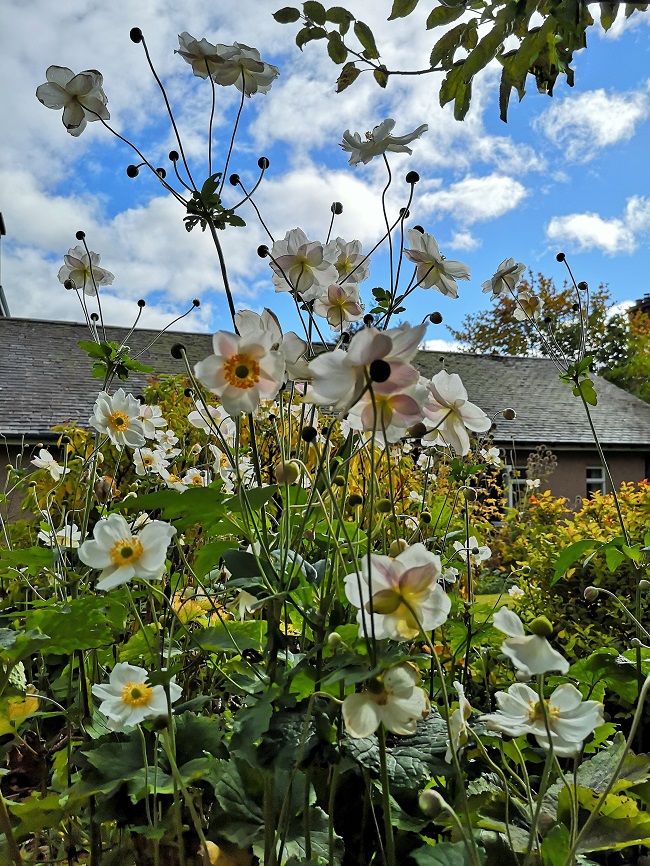
Still blooming, white Japanese anemones. Image: Kathryn Hawkins
When I posted my last garden round-up back on August 9th, only one or two of these beautiful white Japanese anemones were in bloom. Here we are some eight weeks later, and they are looking magnificent in the flower-beds. Having survived the storm of last week, and the breezy weather we have had recently, they continue to flower when most plants around them are dying back.
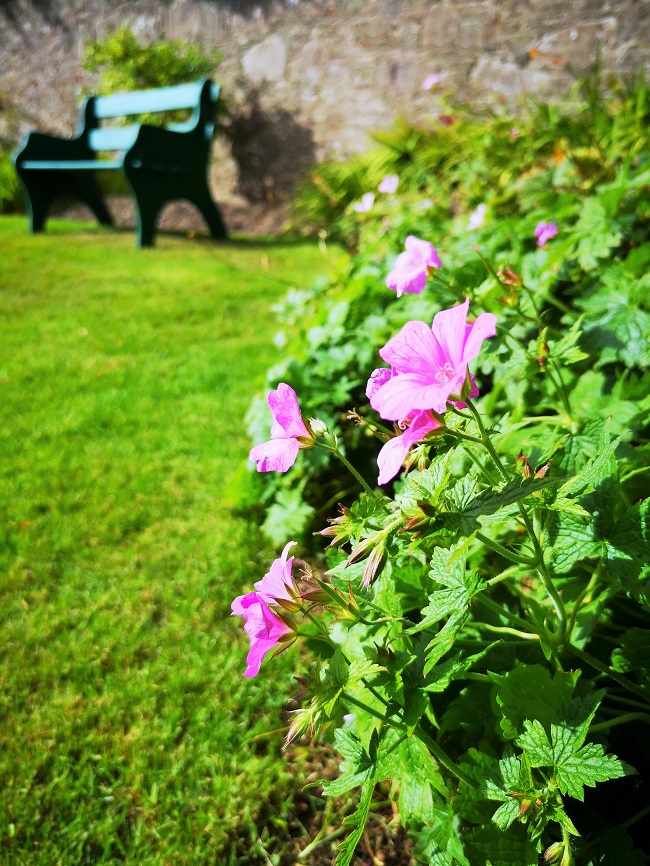
Meadow cranesbill enjoying the afternoon sunshine. Image: Kathryn Hawkins
I have a lot of meadow cranesbill (hardy geranium) in the garden. I love the fragrant bright green foliage which trails over just about every wall. I cut back the first flowers when they started dying back a few weeks ago, and now there are new fresh pink blooms about the flower-beds to keep summery thoughts alive.
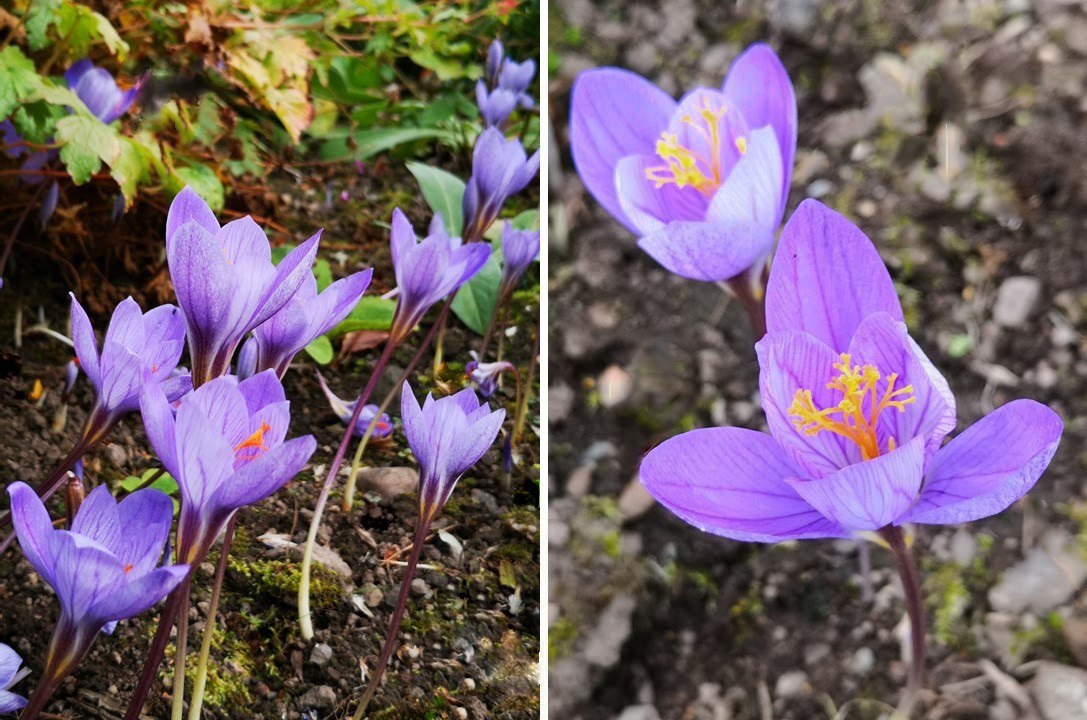
However, it is autumn, and these lilac crocus are popping up all over the place to remind me of the change of season. I love these strange, top-heavy flowers that poke out of the bare soil with no leaves and long mauve stalks. The rich, golden stamens smell of saffron, and on a warm day, the aroma is truly delicious.
Fragrant Autumn crocus. Images: Kathryn Hawkins
Old fruiting Lord Derby apple tree. Images: Kathryn Hawkins
It’s been a fantastic year for fruit. The old cooking apple tree is laden. I’ve been busy cooking up the wind-falls while the main crop still remains on the tree. I have two miniature eating apple trees in another part of the garden. These rarely produce more than half a dozen apples, but this year, I have enough to fill a large fruit-bowl,
Mini eating apple harvest. Image: Kathryn Hawkins
I am particularly pleased with the crop of Concorde pears on a small tree at the top of the garden. I have had the tree for about a decade, and it hasn’t fruited very well until this year. The pears keep very well, so I will be able to enjoy them over the next few weeks. I’m sure there will be a pear recipe posted from me in the next few weeks.
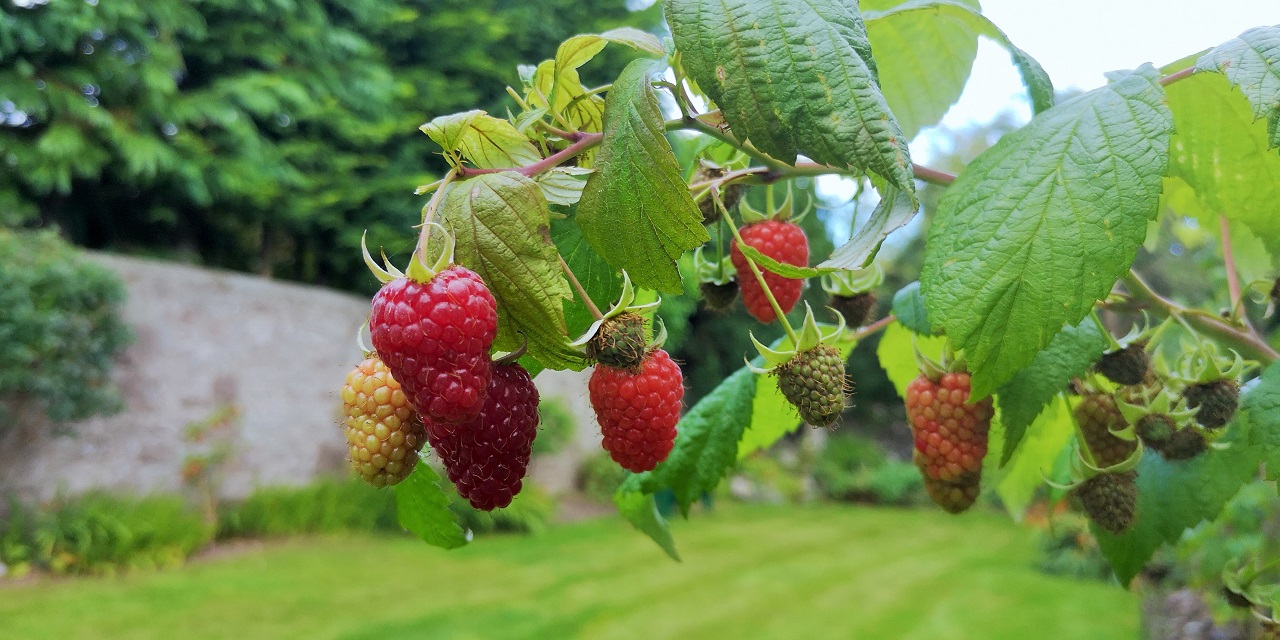
In the same part of the garden, the Autumn-fruiting raspberries are ripening. I never have very many at a time, but a few berries ripen every two to three days, and are just enough to occasionally scatter over my morning granola.
Concorde pear tree laden with fruit. Images: Kathryn Hawkins
Early Autumn-fruiting raspberries. Image: Kathryn Hawkins
It’s not been a good year for the roses in the garden. Too dry I think. However, there are a few second buds forming now, so if the sunny weather continues a while longer, I may get a few more blooms like this beauty. Until next week, my best wishes to you.
Second time around, Gertrude Jekyl rose. Image: Kathryn Hawkins
I’ve had a very “light” pear harvest this year. In fact, just 4 fruit developed on one tree and the other had no fruit at all. Not sure why, the spring was fine, there was so much blossom and plenty of bees around to pollinate it. Perhaps the pear trees decided to have a bit of a holiday this year.
Just before harvest. Image: Kathryn Hawkins
So with such a precious harvest, what to cook? I picked the pears a couple of weeks ago, and they have been ripening gently and slowly in a cool spot in the kitchen. They remained quite firm, so I decided I would cook them.
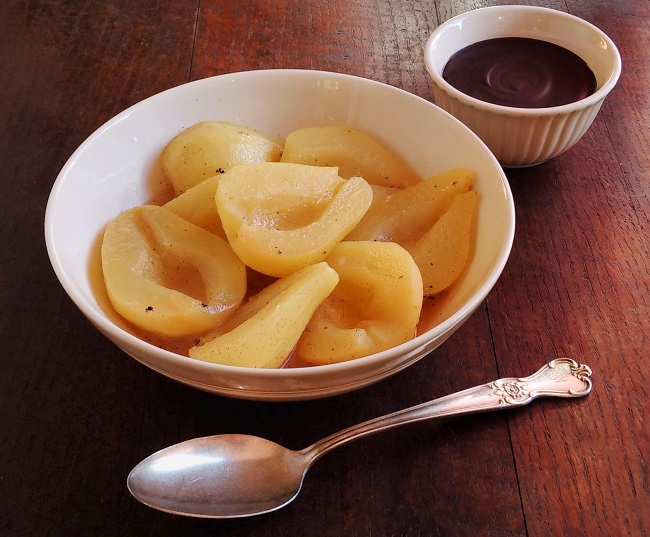
Vanilla baked pears with chocolate “butter”. Image: Kathryn Hawkins
Vanilla is one of my favourite spices, and it is a particularly delicious flavouring for pears. This is a very simple recipe, but it tastes a little bit more special because the pears are cooked in Moscatel de Valencia – the floral notes of this sweet Spanish wine are a perfect match for both pears and vanilla.
Chocolate is another “must have” with pears as far as I’m concerned, and this easy “butter” makes an interesting alternative to the usual chocolate sauce. Moscatel is one of the few wines I think goes well with chocolate, so this is a “win win” recipe for me. Serve the pears very slightly warm or at room temperature so that the cooking juices don’t begin to set, and avoid chilling the chocolate accompaniment (unless the room temperature is very warm) as it will become very hard to spoon.
Serves: 4
Ingredients
4 firm pears
Juice of ½ a lemon
1 vanilla pod
300ml Moscatel de Valencia wine (or white grape juice if preferred)
1 tbsp. agave syrup (or clear honey if you eat it)
40g dairy-free margarine (or unsalted butter)
100g dairy-free 85% cocoa chocolate
50g golden syrup
Preheat the oven to 180°C (160°C fan oven, gas 4). Peel and core the pears, and cut in half. Brush lightly with lemon juice and place cut-side up in a shallow baking dish.
Split the vanilla pod and scoop out some of the seeds using the tip of a sharp knife. Push the rest of the pod into the dish of pears, mix the scooped-out seeds with the wine and pour over the pears.
Dot the pears with 15g of the margarine and drizzle with agave syrup. Cover with foil and bake for 30 minutes. Remove the foil, turn the pears over, baste with the cooking juices, and return to the oven to bake, uncovered, for a further 20 minutes or until the pears are tender.
Cool for 30 minutes in the cooking juices, discard the vanilla pod, then lift out the pears using a slotted spoon and place in a heatproof dish. Pour the cooking juices into a small saucepan.
Bring the cooking juices to the boil and simmer for about 5 minutes until reduced by half. Pour over the pears and leave to cool.
Preparing baked pears with vanilla. Images: Kathryn Hawkins
For the chocolate “butter”, break the chocolate into pieces and put in a saucepan with the remaining margarine and the golden syrup. Heat very gently, stirring, until melted. Remove from the heat, mix well and pour into a small, heatproof dish. Leave to cool – the “butter” will solidify when it becomes cold.
Making chocolate “butter”. Images: Kathryn Hawkins
Serve the pears at room temperature accompanied with the chocolate “butter”. If you prefer, leave the chocolate mixture to cool for about 30 minutes and serve warm as a thick, glossy chocolate sauce.
Vanilla baked pears with chocolate “butter”. Image: Kathryn Hawkins
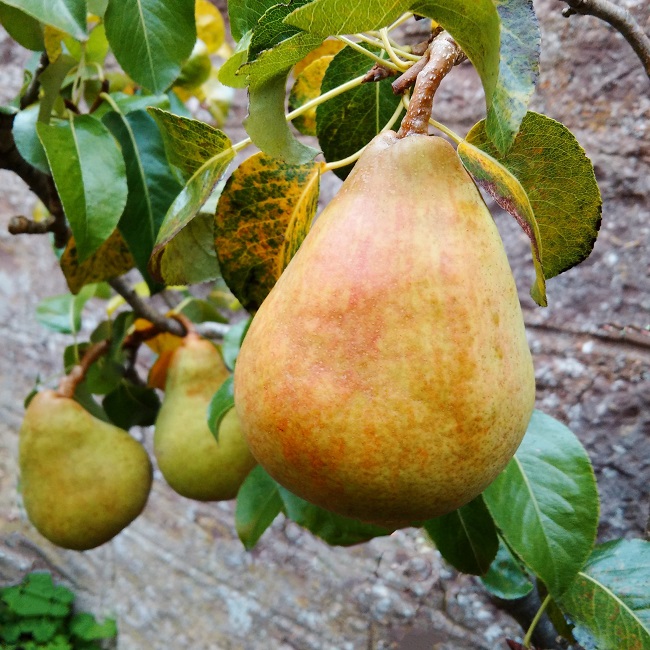
Homegrown Concorde pears. Image by Kathryn Hawkins
The pears I picked a couple of weeks ago are fully ripe now. Most usually, I enjoy them fresh, peeled or unpeeled; occasionally I use a few in cooking. One of my quick “comfort” desserts is to chop pears and mix them with grated marzipan to use as a filling for a gluten-free puff pastry jalousie or plait. Quite delicious.
Today, I’m sharing a recipe for what I call a “proper cake”. In other words, a dense textured cake, neither spongy nor light, but something substantial, and just right for this time of year. Keep it for at least a day after baking to allow the fruit juices to soak into the cake and for the flavours to develop. I use coconut oil and coconut milk a lot in my cookery because I love the flavour; but in this recipe it isn’t noticeable by taste, it simply adds to the richness of the texture. Use another vegetable oil or vegan margarine if you prefer, and a nut, rice or soya milk will work fine as an alternative to coconut milk.
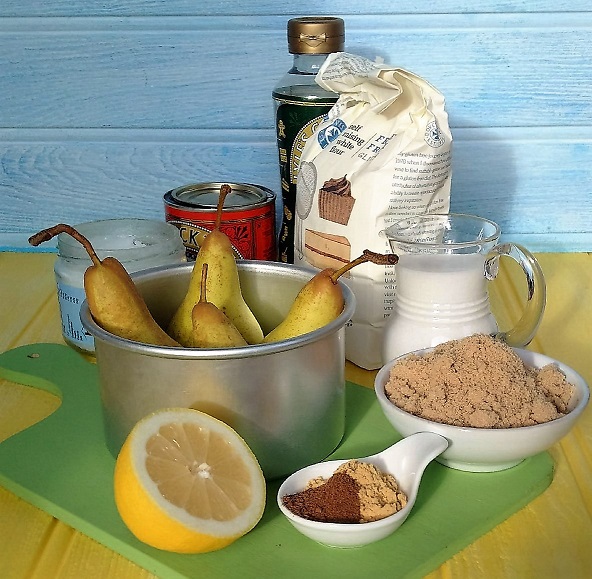
Ingredients for pear gingerbread cake. Image by Kathryn Hawkins
Serves: 6 to 8
75g coconut oil
75g light brown sugar
75g golden syrup
75g treacle
6 tbsp canned coconut milk
150g gluten-free, self raising flour (such as Dove’s Farm)
2 tbsp ground ginger
½ tsp ground allspice
4 small pears
Juice ½ lemon
Preheat the oven 170°C (150°C fan oven, gas mark 3). Grease and line a deep, 12cm round cake tine. Put the oil, sugar, syrup and treacle in a saucepan and heat very gently, until melted together. Remove from the heat and stir in the coconut milk. Cool for 10 minutes.
Meanwhile, sift the flour and spices into a bowl and make a well in the centre.
Thinly peel the pears, leaving them whole. Trim away a small slice from the base of each so that they sit upright, and arrange in the cake tin. Brush all over with lemon juice.
Pour the melted ingredients into the spiced flour and mix together to form a thick, smooth batter. Carefully pour into the tin.
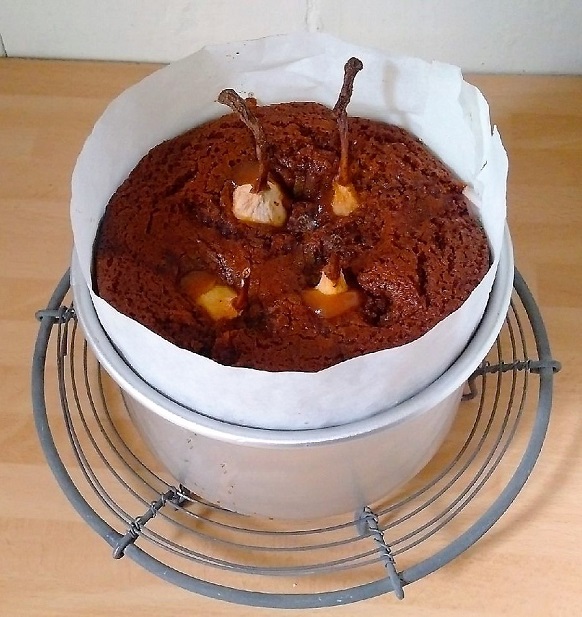
Cover the tops of the pears with small pieces of foil to prevent burning. Put the cake tin on a baking tray and bake in the oven for about 1 hour 40 minutes until a skewer inserted into the centre of the cake comes out clean. Discard the foil and leave the cake to cool in the tin completely.
Just out of the oven, freshly baked pear gingerbread cake. Image by Kathryn Hawkins
Remove from the tin. Wrap in foil and store in a cool place for 24 hours to allow the texture and flavours to develop. Enjoy cold as a cake or, warm slightly and serve as a pudding with dairy free custard.





























 My Virtually Free-from Kitchen