Aromatic and spiced, slow-cooker quince (naturally gluten-free; dairy-free; vegan)

Gold_serving_bowl_of_freshly_cooked_slow-cooker_spiced_quince
Slow-cooker spiced quince. Image: Kathryn Hawkins

Hello again. It’s officially the time of year when the slow-cooker is permanently on the work top in my kitchen. With daylight hours becoming fewer and the temperature getting lower and lower, in my mind, “comfort food” is an important aid to get me through the next few months.

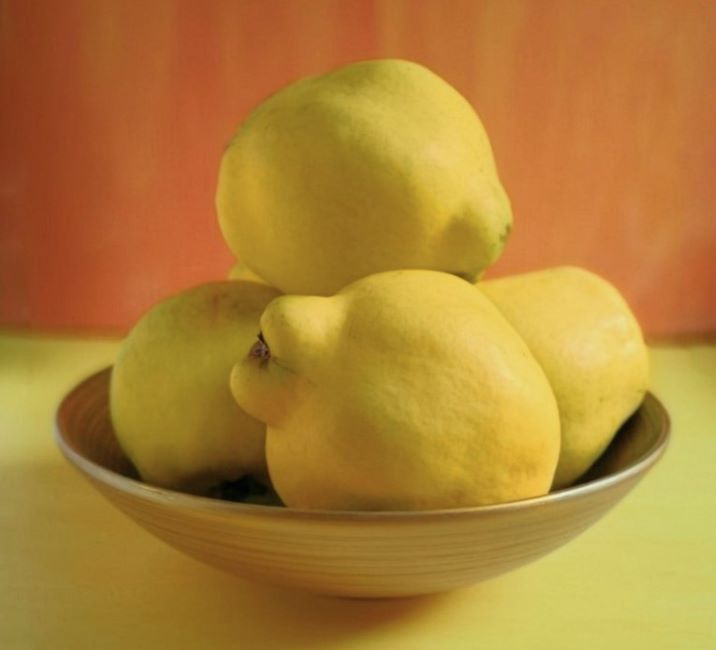
Fresh_quince_in_a_gold_bowl
Golden quince. Image: Kathryn Hawkins

I’ve been saving these beautiful quince for a few weeks, making sure they are perfectly ripe for maximum flavour and aroma before I cook them. I chose a selection of my favourite aromatics to add to a sugar syrup: rose water, lemon, vanilla and cinnamon, all perfect companions for this fabulous autumn fruit.

Fresh_quince_and_flavours_for_cooking
Fresh qunice and flavourings. Images: Kathryn Hawkins

This is a very straightforward recipe for the slow-cooker. Once the quince are prepared it’s just a case of making the syrup to pour over. When the cooking is done, I reduced the cooking juices down to make a more intensely flavoured syrup to pour back over the fruit. If you don’t have quince, try using slightly under-ripe pears instead.

Serves: 4-6

Ingredients

  • 750g ripe quince
  • 1 unwaxed lemon
  • 1 cinnamon stick, split
  • 1 vanilla pod, split
  • 50g caster sugar
  • 2tbsp carob or maple syrup
  • Rosewater to taste
  • Pistachios and pomegranate seeds to sprinkle

1.Using a vegetable peeler, carefully peel away the outer lemon zest without taking too much white pith. Set aside. Cut the lemon in half and extract the juice. Place in a large bowl along with the squeezed out lemon shells. Top up with cold water.

2.Peel the quince thinly. Cut into quarters and slice out the core. As soon as you prepare each quarter, push it down into the lemony water to help prevent discolouration.

3.When all the fruit is prepared, drain well, discard the lemon shells and place the quince in the slow-cooker dish. Add the reserved lemon zest, cinnamon and vanilla.

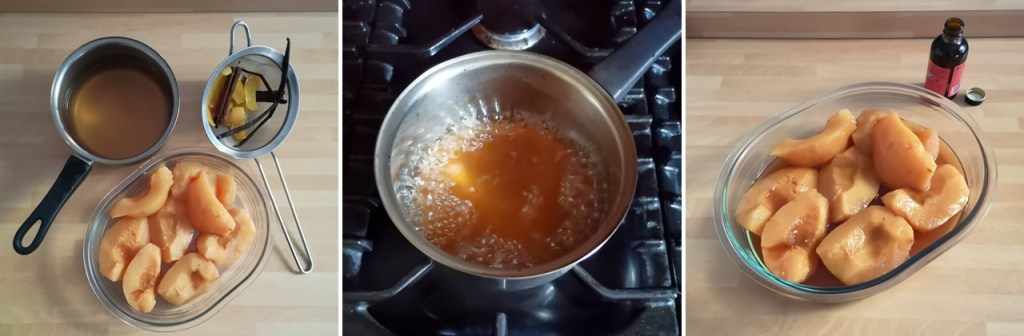
4.Put the sugar in a saucepan with 400ml water. Heat gently to dissolve, then bring to the boil and cook for 5 minutes. Pour over the fruit, place the lid on top and cook on High for 2 hours, turning the fruit halfway through, until tender.

7_steps_to_preparing_quince_for_slow-cooking
Slow-cooker spiced quince preparation. Images: Kathryn Hawkins

5. Turn off the power and leave to cool for 2 hours before draining the fruit and straining the cooking liquid into a saucepan. Put the fruit in a heat proof dish and cover with foil.

6. Add the maple or carob syrup to the cooking juices, bring to the boil and simmer for 7-8 minutes until syrupy. Cool for 10 minutes. Add a few drops of rosewater to taste then pour over the fruit and leave to cool completely.

Making_a_flavoured_syrup_for_slow-cooker_spiced_quince
Making the syrup. Images: Kathryn Hawkins

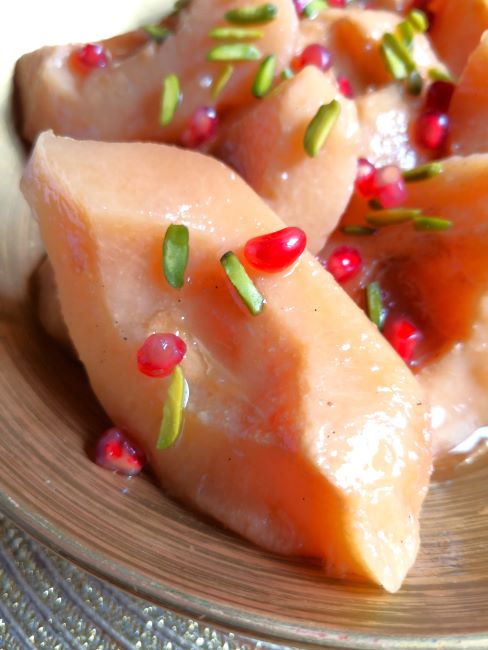
7. Cover and chill until ready to eat. Serve at room temperature for maximum flavour. Sprinkle with pistachios and pomegranate seeds for crunch. The quince freezes well in the syrup for later enjoyment.

Slow-cooker_spiced_quince_close-up
Sweet, spiced deliciousness. Image: Kathryn Hawkins

I hope you enjoy the recipe and I look forward to welcoming you back to my next post in a couple of weeks time. Thanks for stopping by 🙂

October: fruit, frosts and lots of rain

Scottish_garden_cooking_apple_harvest_October_2023
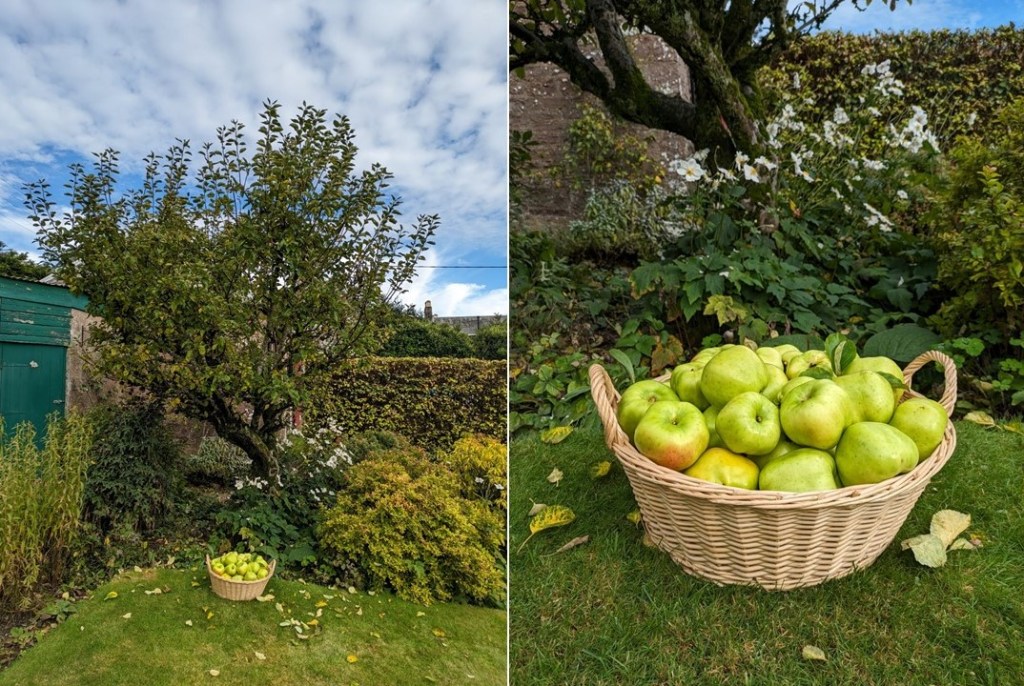
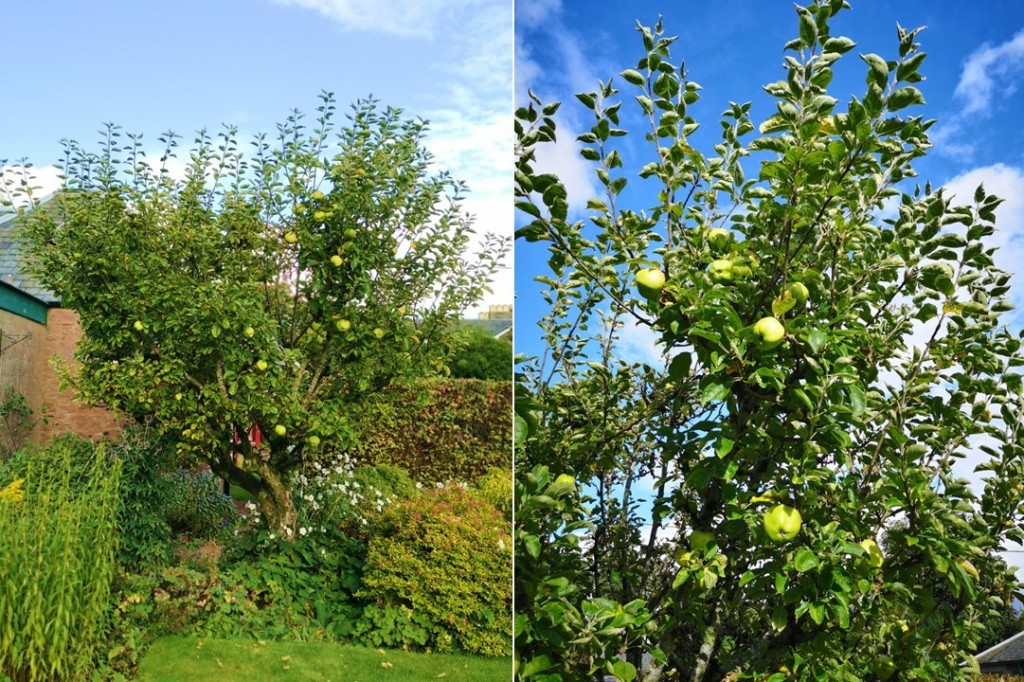
This year’s cooking apple harvest. Images: Kathryn Hawkins

Hello there. It’s been a very varied weather picture here in central Scotland this October. It was mild and kind at the beginning of the month, which presented perfect conditions for bringing in this year’s harvest of apples and pears. Compared to last year, the yield from the old apple tree and 2 small pear trees was small, but there was still enough to enjoy, and now the trees are having a well earned rest.

Scottish_garden_Comice_and_Concorde_pears
Homegrown pears. Image: Kathryn Hawkins
Apple_tree_after_harvest
After the harvest. Image: Kathryn Hawkins

The morning following the fruit picking, the first frost of the season fell, and a few days later, there was another one. A subtle reminder that winter is not too far away.

Scottish_garden_frosty_morning_October_2023
First October frost. Image: Kathryn Hawkins
Frosty_grass_and_garden_foliage
Frosted Autumn plants. Image: Kathryn Hawkins

Having had a late spell of very warm weather last month, the trees held on to their leaves longer than usual. The Autumn colours have been really showing in all their glory since the middle of the month. The Japanese maple in the back garden looks as spectacular as ever this year.

Autumn_foliage_of_a_Japanese_maple
Fiery leaves. Image: Kathryn Hawkins

The second half of the month has seen strong winds, a named storm (Babet) and heavy rain hitting this part of the country. Little damage here thank goodness, but lots of flooding around the area. The rain has washed plenty of leaves to the ground, and there are piles to be swept up all over the garden.

Autumn_shades_on_a_grey_day
Autumn on a grey, wet day. Image: Kathryn Hawkins
A_pile_of_Autumn_leaves
Just leaves. Image: Kathryn Hawkins

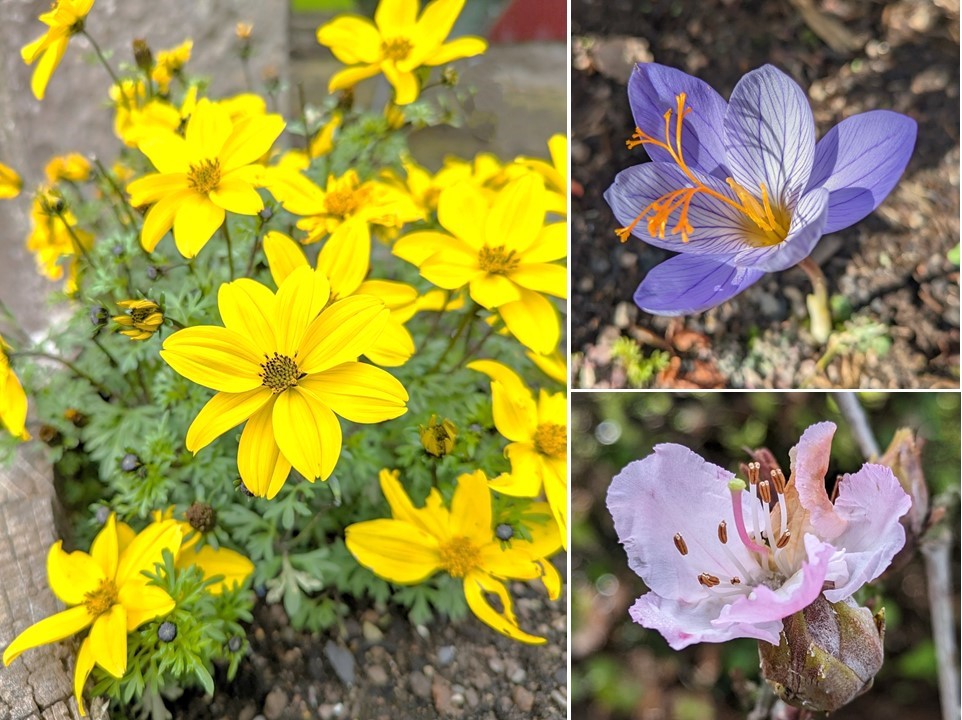
There aren’t so many flowers in the garden at the moment. But these Bidens, usually a summer annual here in Scotland, seeded themselves and only started flowering last month. The Autumn crocus suffered in the frost and then the heavy rain, and the poor pink rhododendron is very confused by the weather. It produced a solitary flower last week which sadly didn’t last more than a couple of days.

Scottish_garden_October_flowers
Bidens, Autumn crocus and solitary rhododendron flower. Images: Kathryn Hawkins

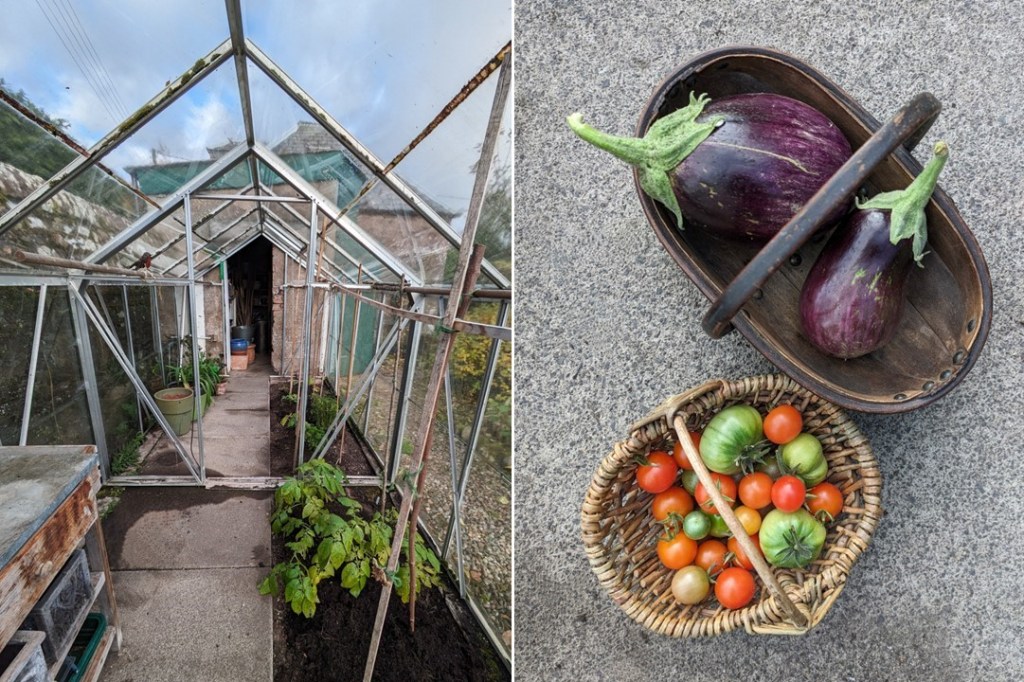
I put the greenhouse to bed this weekend. The tomato plants had just about finished and the last of the aubergines (egg plant) were ready for picking. All that remains are some late season potatoes. I’m not sure how well they are doing but I guess that I will find out in another month or so when I dig them up.

Putting_the_greenhouse_to_bed_end_of_October_2023
End of season in the greenhouse. Images: Kathryn Hawkins

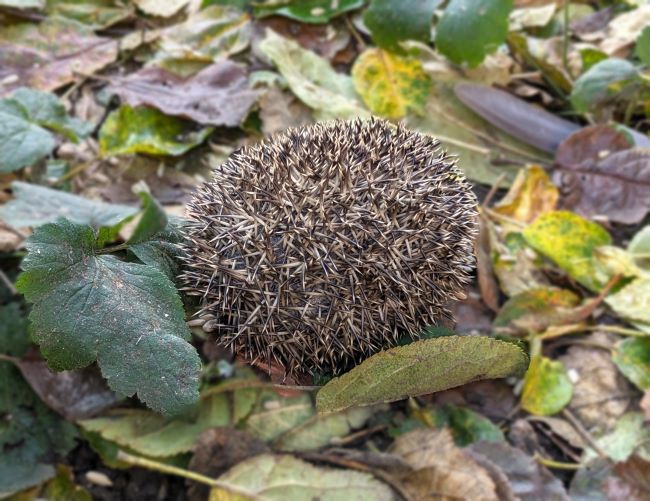
There was a new visitor in the garden this week. A little hedgehog made its way to the apple tree. I think he/she was in search of dropped bird seed from the feeder above. The prickly visitor rolled into a ball as soon as it heard us approaching. There are plenty of leaves around in the garden so hopefully this little fellow will make a comfy bed in one of the hedges for the coming winter.

Hedgehog_in_a_ball_under_an_apple_tree
Garden hedgehog. Image: Kathryn Hawkins

That’s all for this week. Thanks for stopping by. I hope you enjoy the changing season. Until my next post, take care and my best wishes to you 🙂

Fruit and oat crunchies (gluten-free; dairy-free; vegan)

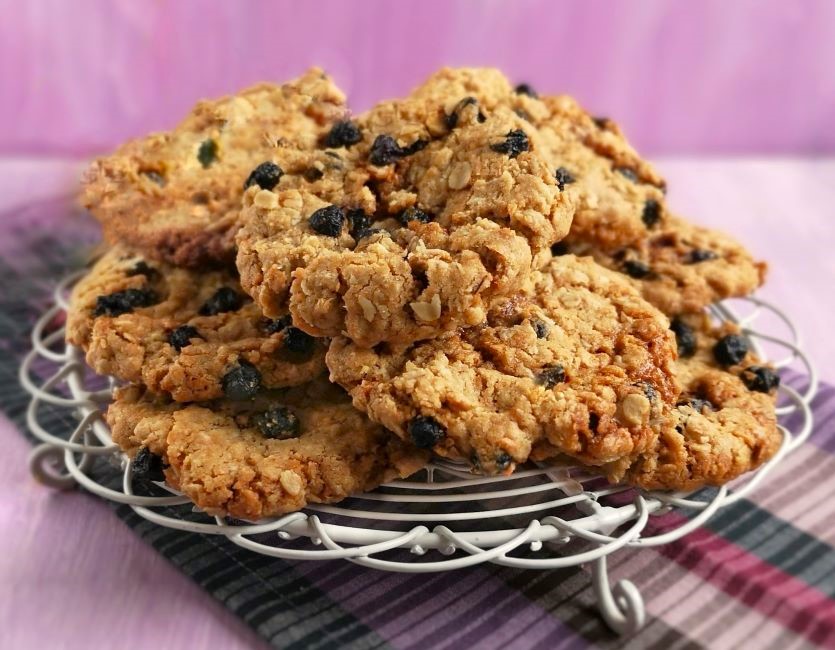
Pile_of_homemade_fruit_and_oat_cookies
Fruit and oat crunchies. Image: Kathryn Hawkins

Hello again. I have something tasty and sweet for you this week. With the weather cooling down here, I have felt more like being in a cosy kitchen rather than the great outdoors. These cookies are an absolute winner if you like a crunchy textured bake. If you can leave them alone long enough, they retain their crispness perfectly when stored in an air-tight container.

Homemade_fruit_and_oat_cookies_on_a_wire_rack
Too tempting to ignore, crunchy homemade cookies. Image: Kathryn Hawkins

I made up the dough using my own blend of gluten-free favourite flours but a readymade combination will work just as well. Whether you add fruit or not is up to you – I have just made a batch without fruit, and added some caramel flavouring instead; there aren’t that many left is all I’ll say! Use small pieces of fruit for best results, like currants or dried berries. If you only have larger dried fruit, like apricots or raisins, chop into small pieces before using. This is a really easy recipe so I hope you might give it a go.
Gluten-free_dairy_free_and_vegan_homemade_fruit_and_oat_cookies
Crunchelicious cookies. Image: Kathryn Hawkins

Makes: 12

Ingredients

  • 105g plain gluten-free flour blend (I used a combination of white rice flour, tapioca flour and cornflour (cornstarch))
  • 90g gluten-free porridge oats
  • 40g desiccated coconut
  • ¾teasp bicarbonate of soda
  • 115g soft light brown sugar
  • 90g plant butter, softened and cut into small pieces
  • 50-75g small dried fruit (depending on how fruity you want them to be)
  • 25g golden syrup (corn syrup)

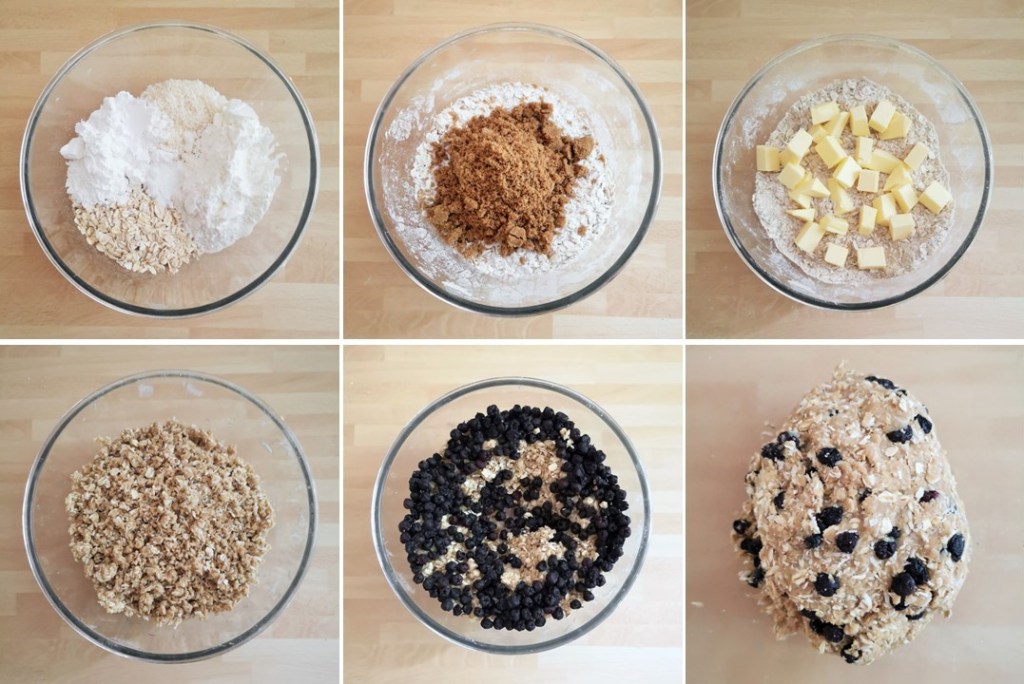
1.Preheat the oven to 190°C, 170°C fan oven, gas 5. Line 2 large baking tray with baking parchment. Put the flour in a bowl and mix in the oats, coconut and bicarbonate of soda. Stir in the sugar.

2. Add the butter and work into the dry ingredients until well blended, the stir in the fruit and bind together with the syrup, bringing the mixture together with your hands to make a firm dough.

Preparation_steps_for_making_gluten-free_and_vegan_cookies
Making cookie dough. Images: Kathryn Hawkins

3. Divide the dough into 12 pieces. Form each into a ball and place on the trays spaced well apart – the mixture does spread during baking.

4. Press each piece of dough gently to make a 6cm round, then bake for about 20 minutes until golden. Leave to cool on the tray for 10 minutes before transferring to a wire rack to cool completely.

Shaping_and_baking_homemade_cookies
Shaping and baking. Images: Kathryn Hawkins
Freshly_baked_homemade_fruit_and_oat_cookies
Freshly baked crunchy cookies. Images: Kathryn Hawkins

I hope you enjoy these cookies as much as I do. Until next time, have a good few days. Best wishes and happy baking 🙂

September retrospective

Scottish_Pink_heather_and_autumn_leaves
Early Autumn vibes. Image: Kathryn Hawkins

Hello again. I hope this posts finds you well. The season has definitely shifted here in central Scotland, and Autumn is upon us once again. It’s been a mixed bag of weather with some unseasonal, very hot and humid days back at the beginning of the month, and now wet, windy and stormy ones to bring the month to a close. On the whole, it has been quite mild. Given this mixed bag of growing conditions, it is a wonder that the plants know what season it is, like these foxgloves still producing flowers since June.

Late_Scottish_pink_foxgloves_September_2023
September foxgloves. Images: Kathryn Hawkins

A couple of weeks ago, I was able to harvest the plums from the small tree in the garden. Like a lot of fruit trees this year, the harvest was good and there were a fair few plums to pick. All now cooked and made into jam 🙂

September_2023_Scottish_garden_Victoria_plum_harvest
This year’s plum harvest. Images: Kathryn Hawkins

The next garden harvest will be from the apple tree. I think we’re looking at a more modest harvest this year compared to last year’s bumper crop.

Apple_tree_in_fruit_September_2023
The old apple tree, September 2023. Images: Kathryn Hawkins

Hydrangeas do quite well in the garden due to the acidic soil. This one was planted back in late spring, and although the blooms naturally fade at this time of year, it still adds some colour and cheer in the flowerbed.

Red_Hydrangea_bush
Fading gracefully, red Hydrangea. Images: Kathryn Hawkins

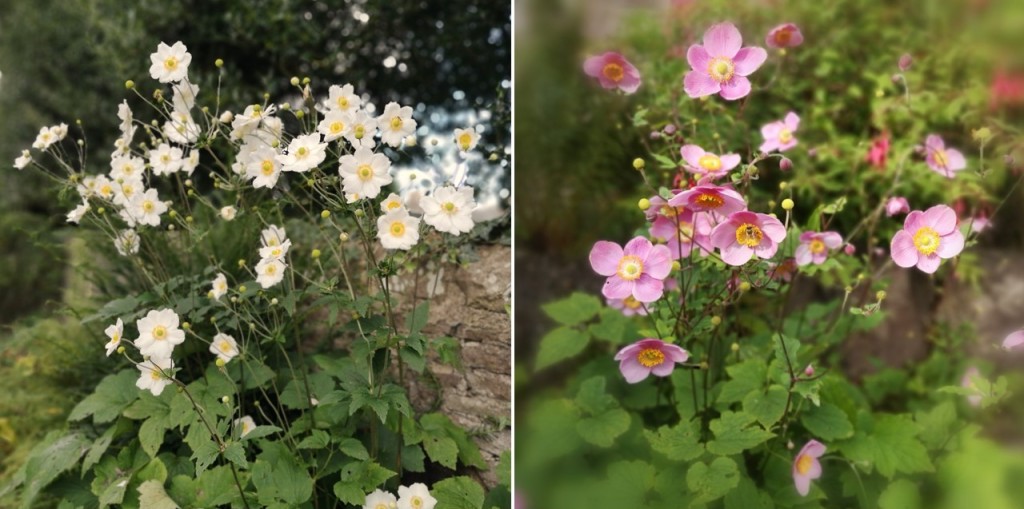
No post from me at this time of year would be complete without a few images of the Japanese anemones. They have done very well this year, surviving the heat and now the wind and rain. As delicate as they look, their hardiness still amazes me.

Scottish_garden_Japanese_anemones_September_2023
Close-up_on_two_pink_Japanese_anemones
Autumn favourites. Japanese anemones. Images: Kathryn Hawkins

My favourite rose bush in the garden didn’t do quite so well earlier in the year, so I was very happy to see new buds forming at the end of last month and some healthy foliage forming. In the past couple of weeks, new heavily scented flowers have opened up along with fresh green leaves.

Old_Scottish_pink_rose_second_flowering_September_2023
Pink rose, second time around. Images: Kathryn Hawkins

After my hedgerow harvest post at the end of last month, I have been on the look out for more wild berries. Whilst the blackberries and sloes have finished now, there are still plenty of elderberries ripening. On a walk last weekend, I picked this container-full. Once the berries were removed from the stems, I had just under 2lb of fruit which are now stashed in the freezer for later use.

Scottish_elderberries_in_the_wild_September_2023
Ripe Scottish elderberries, September 2023. Images: Kathryn Hawkins

That’s me for another week or so. I will be back in the kitchen for my next post. Until then, enjoy the change of season and thanks for stopping by 🙂

Slow-cooker tomato confit (naturally gluten-free; dairy-free; vegan)

Slow-cooker_baby_tomato_confit
Freshly made tomato confit. Image: Kathryn Hawkins

Hello again. I hope you have had a good few days since my last post. After lousy weather here in the UK in August, September started with a mini heatwave. The high temperatures have come to an end now but the extra heat and sunshine certainly helped ripen off the fruit and vegetables. It’s been a bumper year for tomatoes, and I’ve been exploring new ways to serve and preserve them.

Scottish_greenhouse_tomatoes_September_2023
Greenhouse cherry tomatoes. Images: Kathryn Hawkins

My recipe this week is a very simple one. It’s an easy and energy-efficient way to cook small tomatoes. All you need is a slow-cooker and an amount of small tomatoes to fit neatly in a single layer over the base of the cooking dish. You can adapt the quantities you cook to fit the size of your cooker.

Slow-cooker_tomato_confit_ingredients
Confit ingredients. Images: Kathryn Hawkins

I have kept the flavours simple, using fresh herbs from the garden, some garlic and a few coriander seeds. Add chilli for some heat, or experiment with your favourite spices. The confit can be served on its own as a sauce for pasta or blitzed and used as a base sauce for other dishes. If you want to keep it for a few days, place in a sealed container, covering the tomatoes with extra oil as necessary, and store it in the fridge. For longer storage, it freezes fine.

Baby_tomato_confit_served_over_pasta
Tomato confit, fresh basil and black pepper. Images: Kathryn Hawkins

This really is a great way to enjoy the flavour of freshly picked sweet baby tomatoes with the minimum of effort. I hope you enjoy the recipe 🙂

Serves: 4-6

Ingredients

  • 650g whole, same size, small or cherry tomatoes – or a weight that fits neatly in a single layer inside the base of your slow-cooker dish
  • A few sprigs of fresh thyme and oregano
  • 1 bay leaf
  • 1tsp coriander seeds, crushed
  • 3 garlic cloves, peeled
  • 1tsp sea salt
  • Freshly ground black pepper
  • 2tsp caster sugar (optional)
  • 100ml good quality olive oil + extra for storing

1. Remove the stalks from the tomatoes and wash well. Pat dry using kitchen paper and place in a single layer in the slow-cooker dish.

2. Add the remaining ingredients, cover with the lid and set the cooker to Low. Cook for 4hrs or until the tomatoes are soft but still holding shape. Leave to cool completely.

Preparing_baby_tomatoes_for_slow-cooking
Preparing the confit. Images: Kathryn Hawkins

3. For storing, discard the herbs and ladle into a clean, sealable storage container – I used a 750ml Kilner jar. Add more oil as necessary to cover the tomatoes, then seal and store for up to 10 days in the fridge. Alternatively, portion into containers and freeze. The oil can be drained off before serving and re-used to cook with or flavour salad dressings.

Cooked_slow_cooker_tomato_confit
Filling a storage jar with tomato confit. Images: Kathryn Hawkins

That’s me for another week. I have just picked another haul of tomatoes after coming back home after a few days away. I’ll have to get creating again. Until next time, thanks for stopping by 🙂

Wooden_crate_of_homegrown_tomatoes
My back-from-holiday tomato haul. Image: Kathryn Hawkins

My hedgerow harvest and a recipe for Hedgerow preserve (naturally gluten-free; dairy-free; vegan)

Wild_blackberries_sloes_and_elderberries_in_baskets
My hedgerow harvest. Image: Kathryn Hawkins

Hello again. It’s been a busy couple of weeks since my last post. The season is subtly shifting from late summer to early autumn. There is a bit of a nip in the air first thing in the morning and some of the leaves on the trees are beginning to turn. Out and about, the hedges are full of ripening fruit, and I have been out foraging a couple of times this month. Two weeks ago I went on a recce for brambles (blackberries), and was happily surprised to see that so many were ripe and ready. Thank goodness I went prepared with a large container (just in case), and came home with 2.7kg of the glistening berries which I have now frozen 🙂

Scottish_wild_blackberry_bushes
Scottish brambles. Images: Kathryn Hawkins

Whilst on my walk, I had noticed that there were also sloes and elderberries, although not quite ripe. I gave it a week and went back. The birds had eaten a few elderberries, and I think another forager had found the sloes, but I still managed a container-full as well as a few more brambles.

Scottish_wild_blackberries_dewberries_and_sloes_growing_in_the_wild

Ripe_Scottish_elderberries_growing_int_the_wild
Blackberries, dewberries, sloes and elderberries. Images: Kathryn Hawkins

Always wash wild fruit well before using. Brambles and sloes need little preparation, but elderberries can be a little fiddly to remove from their fine stems. I find a fork is quite useful to help prise them away.

Washing_hedgerow_fruits_and_preparing_elderberries
Freshly washed and prepared wild fruit. Images: Kathryn Hawkins

All of these hedgerow fruits will freeze fine in case you are unable to use them immediately. Lay them out on lined trays and freeze until solid, then pack them into bags or containers, seal, label and store until ready to cook.

Freshly_made_Scottish_hedgerow_preserve
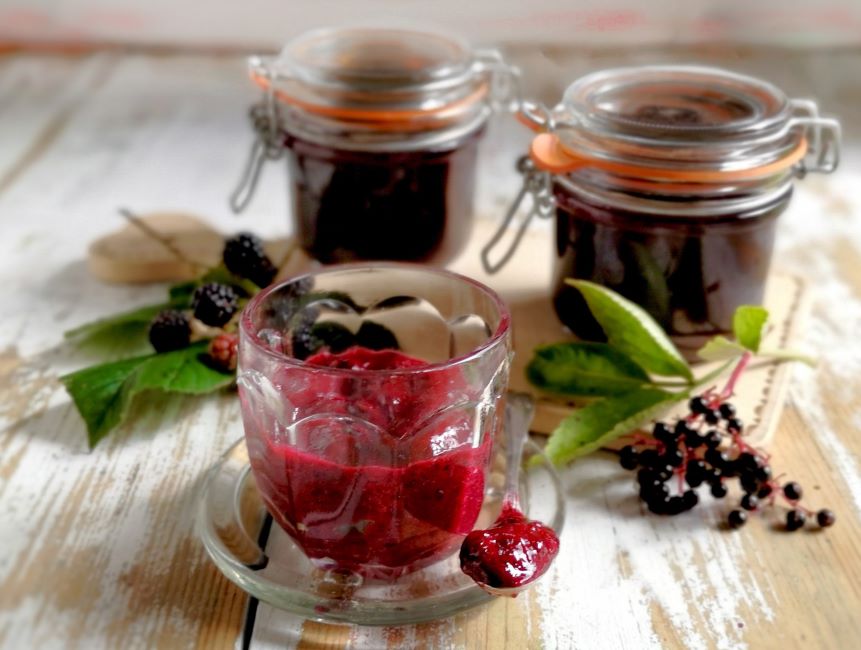
My hedgerow harvest preserve. Image: Kathryn Hawkins

My preserve recipe can be adapted to use any combination and quantity of wild berries you have picked. Sloes have a bitter/sour flavour whilst brambles and elderberries are sweeter and juicier. I ended up with about 700g prepared fruits in total, 200g of which were sloes, and this gave a good balance of sharp and sweet, with a deliciously rich and intense flavour overall.

Freshly_made_hedgerow_preserve
Packed full of flavour and colour. Image: Kathryn Hawkins

The yield of preserve in this recipe is slightly lower than for other jams because I removed the seeds. Brambles do tend to be very seedy, and sloes are impossible to pit before cooking, so sieving (or straining) seemed like the logical thing to do. Alternatively, you could make a jelly by straining the cooked fruit through muslin. This would result in an equally delicious preserve, but with a much smaller yield. I’ll probably make a jelly with some of my freezer brambles later in the year and mix them with some apples from the tree in the garden. Delish.

Makes: approx. 700g

Ingredients

  • 700g prepared hedgerow berries and fruit, washed
  • Approx. 400g granulated sugar
  • 2tbsp lemon juice

1. First cook the sloes. Place in a saucepan with 250ml water. Bring to the boil, cover and simmer for 6-7 minutes until softened.

2. Stir in the berries, bring back to the boil, re-cover and cook gently for 10 minutes until everything is very soft and juicy.

Cooking_hedgerow_fruit_for_jam-making
Cooking the fruit. Images: Kathryn Hawkins

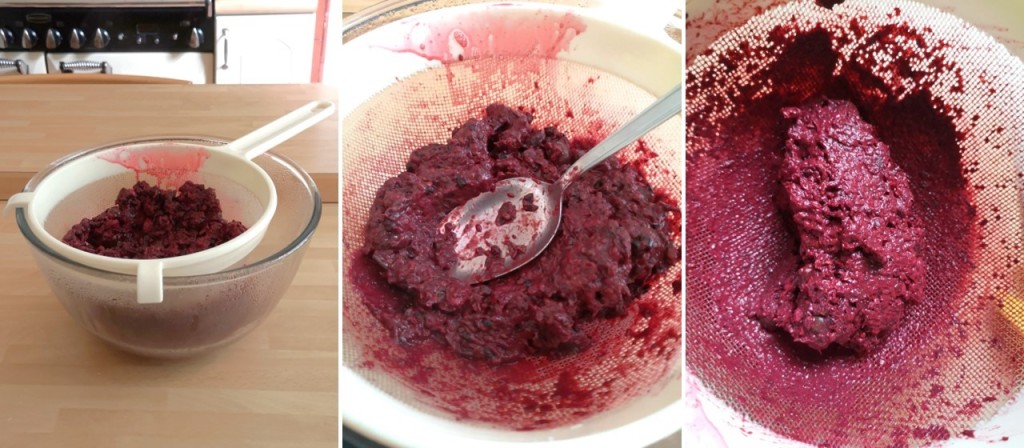
3. Put a large nylon sieve (strainer) over a large bowl or jug and carefully pour in the cooked fruit and juices. Leave to strain for 30 minutes then use the back of a spoon to push and press the pulp against the side of the sieve to squeeze out as much juice as possible. Do this until you end up with a dryish pulpy mass of seeds and fibres in the sieve. Discard.

Sieving_fruit-for_seedless_jam
Getting rid of the seeds. Images: Kathryn Hawkins

4. Measure the juices – I ended up with 500ml. You will need 400g sugar per 500ml juice. Pour into a saucepan and heat gently to warm through, then add the sugar and lemon juice. Stir until dissolved.

Measuring_hedgerow_fruit_pulp_for_jam-making
Cooking the pulp. Images: Kathryn Hawkins

5. Bring to the boil and cook for several minutes until the correct level of set is achieved – between 104°C and 105.5°C on a sugar thermometer. I cooked my preserve to the higher temperature and ended up with a very firm set – almost like a fruit cheese. For something more spreadable, cook to the lower temperature.

6. Spoon the hot mixture into sterilised jars and seal immediately. Leave until cold then label and store in the usual way.

Scottish_hedgerow_preserve_in_small_Kilner_jars
For the storecupboard. Image: Kathryn Hawkins

Because I achieved such a firm set, I melted the leftover preserve with a little more water and when it cooled, it was much more spreadable. It made a delicious topping for toasted crumpets. This preserve also makes an excellent accompaniment to serve with grilled, roasted and barbecued food.

Homemade_hedgerow_preserve_spread_on_a_crumpet
Tangy, tasty and freshly made, hedgerow preserve. Images: Kathryn Hawkins

Until next time, I hope you have a good few days, and I look forward to posting again in a couple of weeks. Thanks for stopping by 🙂

Almond scone round (gluten-free; dairy-free; vegan)

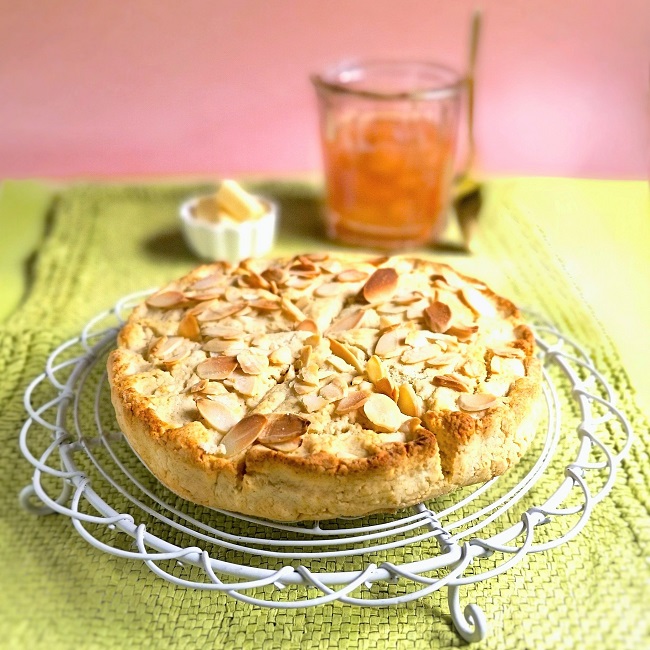
Round_of_gluten-free_dairy-free_vegan_homemade_almond_scone
Freshly baked scone round ready to serve. Image: Kathryn Hawkins

Hello there. I hope the month of August is going well for you. I have a simple recipe for you this week, although it is one that has been challenging me for a while. I do like a nice scone but my attempts to make a gluten-free version of this very familiar and much-loved favourite have been disappointing up until now.

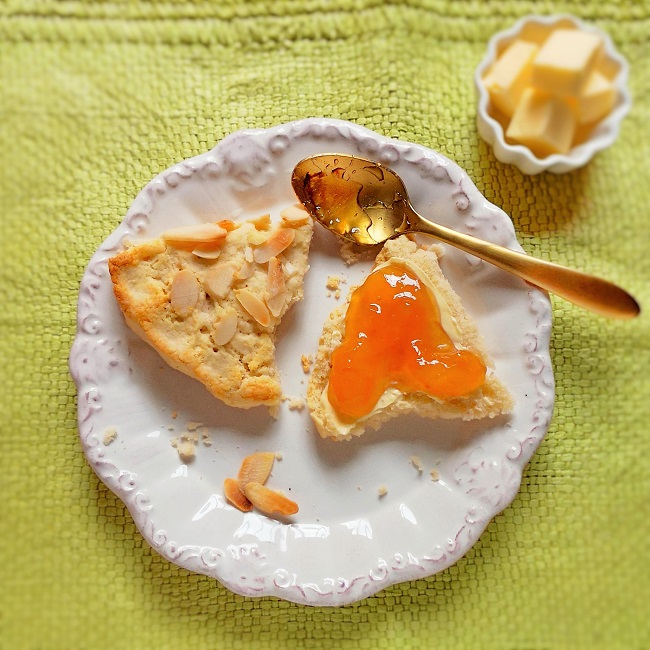
Overhead_jammy_gluten-free_dairy_free_vegan_almod_scone
A simple pleasure: scone, butter and jam. Image: Kathryn Hawkins

The recipe below is my best attempt yet and worth a share I think. Adding ground almonds to the mixture helps make the texture more moist, and adding a pinch of xanthan gum helps bind the crumb together. I think I have added too much XG in the past which has made the scones quite hard and dry. I’m not a huge fan of adding XG to my bakes but without it, the mixture falls apart completely. Here’s the recipe and I hope you enjoy them.

Makes 1 round; serves: 6

Ingredients

  • 150g gluten-free self raising flour
  • 50g ground almonds
  • ¾tsp gluten-free baking powder
  • â…›tsp or a large pinch xanthan gum
  • 50g salted plant-based butter
  • 1tbsp caster sugar
  • A few drops natural almond extract (optional)
  • Approx.75ml plant-based milk
  • 15g flaked almonds

1. Preheat the oven to 220°C, 200°C fan oven, gas 7. Sift the flour into a bowl. Add the ground almonds, baking powder and xanthan gum. Mix well.

2. Rub in the butter until well blended and stir in the sugar. Add a few drops of almond extract, if liked, and gradually mix in between 50 and 60ml milk to make a softish dough.

3. Turn on to a lightly floured work surface and knead lightly until smooth. Roll or press into a 15cm round, neaten the edge and score into 6 equal portions.

6_steps_to_make_gluten-free_dairy_free_almond_scone_round
Making and shaping scone dough. Images: Kathryn Hawkins

4. Transfer to a non-stick baking tray and brush the top lightly with the remaining milk. Scatter with the almonds and bake for 15-20 minutes until risen and lightly golden.

5. Stand for 10 minutes then re-cut the indents and transfer to a wire rack. Cool for about an hour before pulling apart to serve. Best served slightly warm.

Baking_homemade_gluten-free_dairy-free_vegan_almond_scone_round
Glazing and baking. Images: Kathryn Hawkins

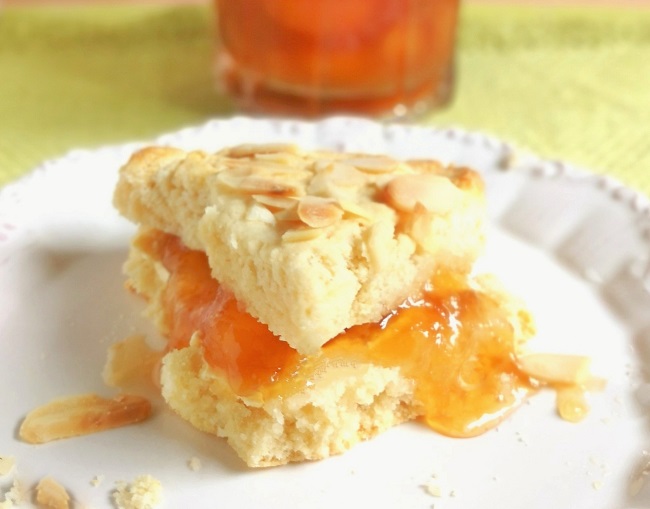
Delicious spread with soft butter and topped with homemade jam. Best eaten on the day of baking but scones freeze well for enjoying later on.

Close-up_on_peach_jam-filled_gluten-free_vegan_almond_scone
Jammy scone. Image: Kathryn Hawkins

Thanks for stopping by and I hope to see you again soon. All the best for now 🙂

A fruitful month

End_of_July_2023_in_a_Scottish_garden
My garden today. Image: Kathryn Hawkins

Hello again. July has been a busy month in the garden and greenhouse. The weather’s been cooler than usual, with a mix of bright days and rain showers, but the plants have really been growing very well and yielding lots of goodies throughout the month.

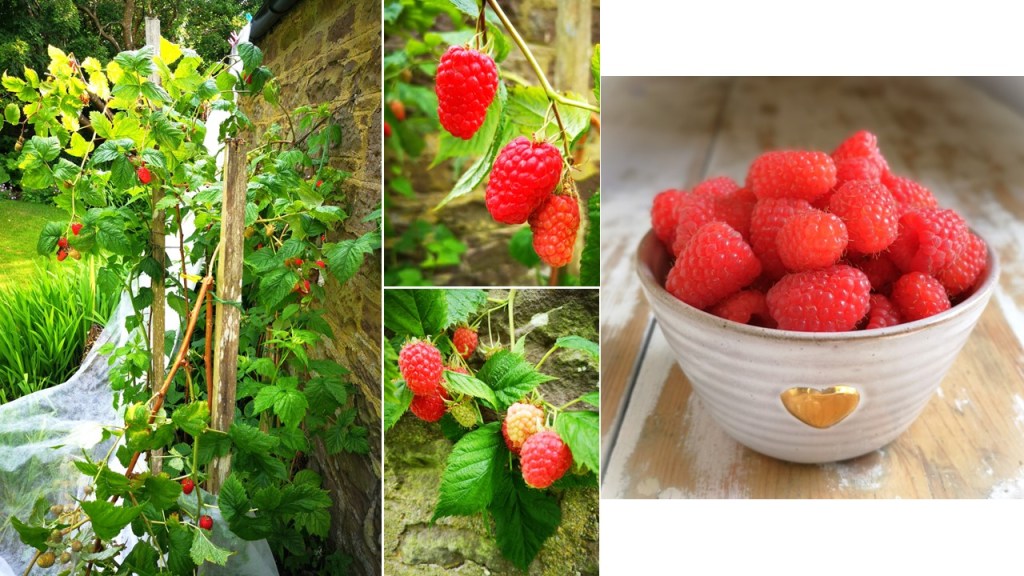
July here in central Scotland is the month for raspberries and cherries. I have been training some new raspberry canes for a couple of years and the rewards are starting to show. Sadly the older canes suffered storm damage earlier in the month, so this may be their last season. Not bad going really, they were planted some 18 years ago! Berries are still ripening on the new canes, so it looks like I’ll be picking for a couple more weeks yet.

Homegrown_Scottish_raspberries_July_2023
Broken canes but still a good harvest. Images: Kathryn Hawkins

The small espalier Morello tree didn’t produce quite as many cherries this year, but I did manage to get the fleece on earlier enough to stop the birds having a lovely feast. I have enough for a pie later in the year, and that’s good enough for me 🙂

July_2023_Homegrown_Scottish_Morello_cherries
2023 Morello harvest. Images: Kathryn Hawkins

In the greenhouse, I’ve been picking mini cucumbers throughout the month. The tomatoes have started to turn colour, and the aubergine (eggplant) plants have a few flowers on them now – I hope they form fruit.

Scottish_greenhouse_produce_July_2023
A plentiful greenhouse. Images: Kathryn Hawkins

The greenhouse yielded a few surprises earlier in the year when small seedlings started appearing in the soil. I realised after a while that they were sunflower seedlings. I think a mouse must have stashed some of the bird seed in the soil and perhaps had forgotten to retrieve it. Anyway, I ended up with several seedlings which I planted outside back in May, and this month they have started flowering. Not the biggest sunflowers you’ll ever see, but a quirky addition to the garden nonetheless.

Dwarf_Scottish_sunflowers
Mini sunflowers. Images: Kathryn Hawkins

None of my garden produce would be possible without the help of the gardener’s best friend, the bees. They have clearly been busy since the spring blossom was out, and now they have all the garden flowers to feast on.

Summer_bees_July_2023
Bees at work in July. Images: Kathryn Hawkins

My last image for this post is another view of the garden. It’s been cool and mostly cloudy this past week, and at times it has felt a little bit autumnal. I think this image captures the mood, especially as the globe thistles (Echinops) are beginning to open up and the later summer flowers are coming into bloom. Until next time, thanks for stopping by and I hope to be posting again soon.

End_of_July_2023_Scottish_garden
End of July flowerbed. Image: Kathryn Hawkins

Chilled rhubarb and custard risotto (gluten-free; dairy-free;vegan)

4_serving_glasses_of_gluten-free_dairy_free_vegan_chilled_rhubarb_and_custard_risotto
Chilled rhubarb and rice risotto decorated with edible flowers.
Image: Kathryn Hawkins

Hello again. The garden fruit and veg supply is beginning to mount up. This week I picked some more rhubarb stems and made them into a compote to eat with a creamy rice dessert. At this time of year, I prefer to serve this combo cold, but in Autumn/Winter, the same rice mix makes a comforting winter pudding to serve with any fresh or cooked fruit you like.

Ingredients_for_making_gluten-free_dairy-free_vegan_rhubarb_and_custard_risotto
Freshly pulled rhubarb and sweet risotto ingredients. Images: Kathryn Hawkins

It’s a simple enough recipe for the rice mixture, but it takes a little bit of time to cook through, so allow plenty of time to make it. It’s well worth the wait 🙂 I flavour my rice with vanilla but cinnamon or ginger would also work. And, of course, if you’re not vegan, the recipe works just as well with dairy products.

A_serving_of_chilled_rhubarb_and_custard_risotto
Creamy, sweet risotto, chilled and ready to serve. Image: Kathryn Hawkins

Serves: 4

Ingredients

  • 275g prepared fresh rhubarb
  • 50g caster sugar
  • 500ml plant-based milk (I use oat milk)
  • 100ml plant-based double cream (for a less rich version, replace the cream with extra milk)
  • 1 vanilla pod, split
  • 15g plant-based butter
  • 150g risotto (arborio) rice
  • 250ml free-from custard

1. Chop the rhubarb into lengths about 4cm long and place in a pan. Add 2tbsp water, sprinkle with 25g sugar and heat until steaming. Cover with a lid and cook gently for 6-8 minutes until tender but still holding shape. Leave to cool.

Cooking_fressh_summer_rhubarb
Cooking the rhubarb. Images: Kathryn Hawkins

2. For the risotto, put the milk and cream in a saucepan with the vanilla pod and heat until very hot. Reduce the heat to low and keep the mixture hot.

3. In another saucepan, melt the butter. Add the rice and mix well until coated in the butter. Add a ladleful of the hot creamy milk and stir until thoroughly absorbed.

4. Keep adding the creamy milk, ladle by ladle, stirring in between, until each batch is absorbed, and the rice is just tender – this may take anywhere between 30 to 50 minutes depending on how quickly the rice absorbs the liquid. Don’t be tempted to raise the heat too much as the liquid may evaporate before being absorbed.

6_steps_to_make_sweet_vanilla_risotto
How to make sweet and creamy vegan risotto. Images: Kathryn Hawkins

5. Once the rice is tender, thick and creamy, transfer to a heatproof bowl and stir in the sugar. Cover with a layer of greaseproof paper to prevent a skin forming and leave to cool completely, then mix in the custard.

6. To assemble, divide the rhubarb between 4 x 225g dessert glasses and spoon the rice mixture on top. Chill until ready to serve.

Finishing_touches_to_rhubarb_and_custard_risotto
Completing the dish. Images: Kathryn Hawkins

Let the desserts stand at room temperature for 20 to 30 minutes before serving to allow the flavours to develop. Decorate with edible flowers if liked.

Overhead_image_chilled_rhubarb_and_custard_risotto_serving
Creamy vanilla rice and fresh rhubarb compote. Image: Kathryn Hawkins

Thanks for stopping by. That’s me for this week. I hope to see you again soon 🙂

A look back at June in the garden

End_of_June_Scottish_garden_flower-bed
Everything in the garden is blooming. Image: Kathryn Hawkins

Hello again. It’s been a very different June this year here in central Scotland. Having had a very warm May with little significant rain, the first 3 weeks of June followed along the same lines. Subsequently, many of the flowers that are usually around for at least a couple of weeks have bloomed early and only lasted a few days in the heat and drought. The weather has broken now, but it has left me wondering what the garden will look like in July and August with so many favourites having bloomed early.

Lilac_Allium_June_2023
Early June Allium. Images: Kathryn Hawkins

Back at the beginning of the month, the Alliums were blooming proudly and looked striking with their tall long stems and intricate star-shaped flower heads. Usually, June is all about Lupins and foxgloves. This year they began flowering in May, and sadly by the middle of the month, they had faded and dried, and the few second flowers also came and went. The foxgloves still have a few flowers at the top of their very long stems, and the bees are still managing to collect pollen from the bell-shaped blooms that remain.

Purple_and_orange_lupins_June_2023
Pink_and_white_lupins_under_a_blue_sky
Purple, orange, pink and white lupins earlier in the month. Images: Kathryn Hawkins
Early_June_foxglove_and_Persicaria_bistorta_with_bees
Flowers and bees in early June. Images: Kathryn Hawkins

I think the biggest mark of difference in the garden this summer, are the geraniums and day lilies. Both usually provide colour into July, but all the geranium petals have fallen, and only a very few day lilies are left to flower.

Midsummer_geraniums_and_day_lilies
Midsummer blue and gold. Images: Kathryn Hawkins

So here we are at the end of the month. There are still a few peonies in bloom providing rich colour and delicious fragrance, and the old rose bush (which hasn’t failed yet) is looking and smelling wonderful at the moment.

Mid_June_deep_pink_Peonies
Mid June Peonies. Images: Kathryn Hawkins
End_of_June_old_rose_bush_in_full_bloom
Bloomin’ marvellous. Images: Kathryn Hawkins

I’ve started harvesting produce from the greenhouse. The baby cucumbers I’m growing were about 3cm long at the beginning of June, and this week, I picked the first couple of fully formed fruit. In the shady parts of the garden, the wild strawberries have done well again this year.

First_baby_cucumber_ripe_and_ready
First pickings. Images: Kathryn Hawkins
End_of_June_wild_strawberry_harvest_2023
June 2023 wild strawberry harvest. Image: Kathryn Hawkins

At ground level, these two Dianthus varieties are my favourite plants in the garden at the moment. If I keep removing the spent heads, I am hoping that new buds will keep forming and that there will be flowers for a couple more weeks yet.

End_of_June_Dianthus_flowers
Lilac and pink Dianthus. Images: Kathryn Hawkins

I’m closing my post with a flower that’s just opened up this week. The first of many (I hope) Japanese Anemones in the garden. This one’s about 2 weeks ahead of schedule. And that’s me, until next time, have a great few days and thanks for stopping by 🙂

Early white Japanese Anemone. Image: Kathryn Hawkins