Moroccan mint tea jellies (gluten-free, dairy-free, vegan)

Jug_of_fresh_mint_and_Moroccan_tea-set
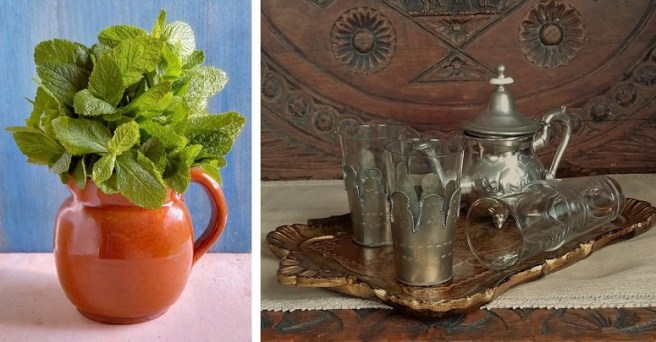
Fresh mint and Moroccan tea-set. Images: Kathryn Hawkins

Mint tea is something I enjoy everyday, usually in the afternoon as an uplifting brew and sometimes, after dinner as a “digestif”. The refreshing taste of mint makes it the perfect herbal choice for this time of year, after over-indulging on rich food, and for anyone looking to make healthier choices for the new year.

I’ve been to Morocco a couple of times and loved the experience. I brought back the tea-set above from my first trip almost 30 years ago. The country’s cuisine is one of my favourites. If you have mint tea made by the locals, it is served piping hot and mouth-tinglingly sweet, which seems utterly contradictory when the air temperature is so warm, but it seems to work and, the restorative powers of a glass or two are amazing.

Moroccan mint tea is made with green or Indian tea and loads of fresh mint. I prefer white tea as I find it has softer tannins. If you don’t want the caffeine hit, you can make the jellies using a couple of peppermint infusion sachets or bags, but do add the fresh mint as well for the extra fresh flavour. I have reduced the sugar to keep it healthy, but you don’t have to add it at all. The recipe can be also be made using traditional gelatine if preferred – 4 leaves would be sufficient.

Makes: 4 small glasses

  • 2 white, green or Indian tea bags
  • A good handful or a small bunch of fresh mint, washed and shaken dry
  • 1 sachet Vege-Gel (I use Dr Oetker)
  • 60ml sugar syrup – see below
  1. Put the tea bags in a heatproof jug with all but 4 sprigs of mint. Add freshly boiled water to the 350ml level on the jug and leave to steep for 5 minutes. Strain the tea into another jug without squeezing the tea bags, and leave to one side. Meanwhile, put a mint sprig into each of 4 x 125ml tea glasses or heatproof dishes.

    Making_mint_tea_jellies
    Mint tea jelly preparation. Images: Kathryn Hawkins
  2. Pour 200ml cold water into a bowl and sprinkle over the Vege-Gel. Stir well until dissolved. Transfer to a small saucepan and heat, stirring, until just boiling. Remove from the heat and stir in the mint tea and sugar syrup.
  3. Leave the tea jelly mixture to cool for 20-30 minutes before pouring into the glasses to cover the mint – this will help stop the mint sprigs discoloring. You need to work with the jelly mix whilst it is still warm – it sets quite quickly as it cools. Leave to cool completely, then chill for at least 1 hour before serving. If you are making a real tea-based jelly, it will turn slightly cloudy no matter what setting agent you use. Herbal tea bags will give a clearer set.
Moroccan_mint_tea_jellies_made_in_tea_glasses
Moroccan mint tea jellies. Image: Kathryn Hawkins
To make your own sugar syrup: put 350g granulated sugar in a saucepan and over pour over 600ml water. Heat, stirring, until the sugar dissolves. Increase the heat and bring to the boil, then simmer without stirring for 10 minutes. Leave to cool. This syrup stores well in a cool place – just pour into a bottle and seal. It is a useful base for adding to ice creams, sorbets, fruit salad syrups and of course, cocktails!

Chocolate, rosemary and orange muffins (gluten-free, dairy-free, vegan)

Gluten-free_vegan_chocolate_rosemary_and_orange_muffins
Chocolate, rosemary and orange muffins. Image: Kathryn Hawkins
On the shortest day of the year, here’s a little something baked to brighten up the barely light hours. I picked rather too much rosemary the other day, and spent a few days pondering on how best to use it up. It doesn’t freeze very well and I’m not a fan of the dried stuff. After admiring the stems as a herbal arrangement in my kitchen for a while, I decided to do some flavour experimentation, and these muffins are the result.

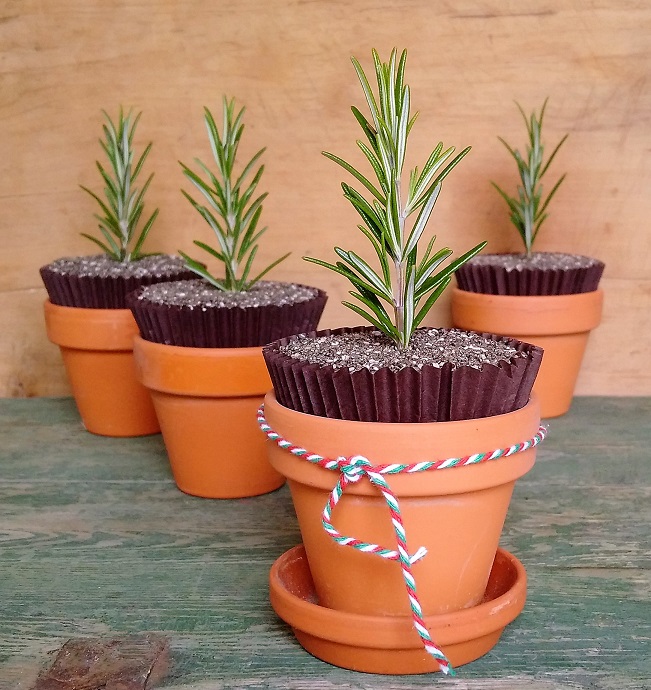
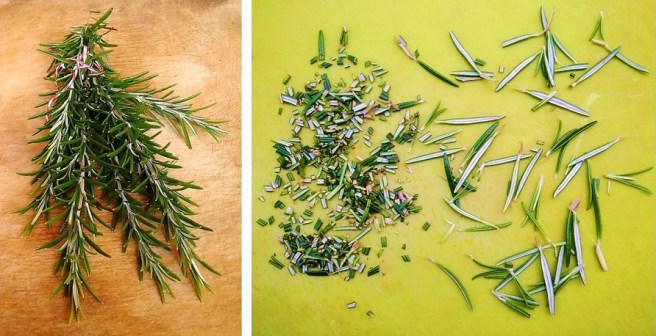
I wasn’t really intending them to be so festive looking, but the sprigs reminded me of tiny pine trees and then my mind started going into creative mode. I hope you enjoy them. The flavour is really rich and perfect for the time of year. You only need to use the leaves for this recipe – the stems are too tough – and try to chop the leaves as small as possible for the best flavour and better eating.

Fresh_rosemary_sprigs_and_leaves
Fresh rosemary. Images: Kathryn Hawkins

Makes: 10

  • 150ml sunflower oil
  • 150g dark brown sugar
  • 150g silken tofu
  • 45g cocoa powder
  • 2 level tsp gluten-free baking powder (such as Dr Oetker)
  • 1 level tbsp ground arrowroot (I often add this to help bind gluten-free cake mixtures together)
  • 100g ground almonds
  • 75g polenta
  • Finely grated rind 1 unwaxed orange
  • 2 level tsp finely chopped rosemary leaves
  • Pinch of salt
  • 125g icing sugar + extra to dust
  • Approx. 40ml freshly squeezed orange juice
  • 10 tsp Chia or poppy seeds
  • 10 small sprigs of fresh rosemary
  1. Preheat the oven to 180°C (160°C fan oven, gas mark 4). Line a muffin tin with 10 paper cases. Put the oil, sugar and tofu in a bowl and whisk together with an electric mixer until well blended and thick.
  2. Sieve 25g cocoa, baking powder and the arrowroot on top. Add the almonds, polenta, orange rind, chopped rosemary and salt. Mix all the ingredients together until thoroughly combined.
  3. Divide the mixture equally between the cases. Smooth the tops and bake for about 35 minutes until just firm to the touch – the cakes may look slightly sunk in the middle. Cool in the tins for 5 minutes then transfer to a wire rack to cool completely.
  4. To decorate, sieve the icing sugar and remaining cocoa powder into a small bowl and mix together with sufficient orange juice to make and smooth, spreadable icing. Spoon sufficient icing on top of each muffin and spread to cover the top completely.
  5. Sprinkle the top of each muffin with 1 tsp seeds. Leave for a few minutes to set before adding the finishing touches.
    Icing_and_topping_muffins_with Chia_seeds
    Decorating the muffins. Image: Kathryn Hawkins
    Just before serving, carefully put the muffins into small flower pots. Push a sprig of rosemary into the top of each and if liked, dust the rosemary lightly with a little icing sugar for a frosted look.

    The muffins freeze well once iced and seeded, and will also keep for 4-5 days in an airtight tin once decorated. Simply decorate with fresh rosemary and icing sugar just before serving.

    Chocolate_and_rosemary_muffin_dusted_with_icing_sugar
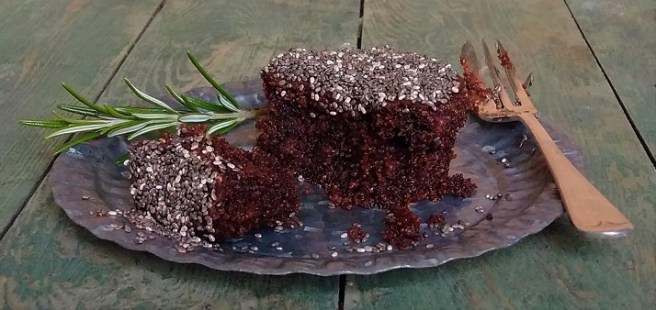
    Frosty-looking chocolate, rosemary and orange muffin. Image: Kathryn Hawkins
    Gluten-free_vegan_baking:_chocolate_and_rosemary_muffin
    Gluten-free and vegan, a deliciously dark and tasty chocolate, rosemary and orange muffin. Image: Kathryn Hawkins

Baked coconut apples (gluten-free, dairy-free, vegan)

Cooking_apple_harvest
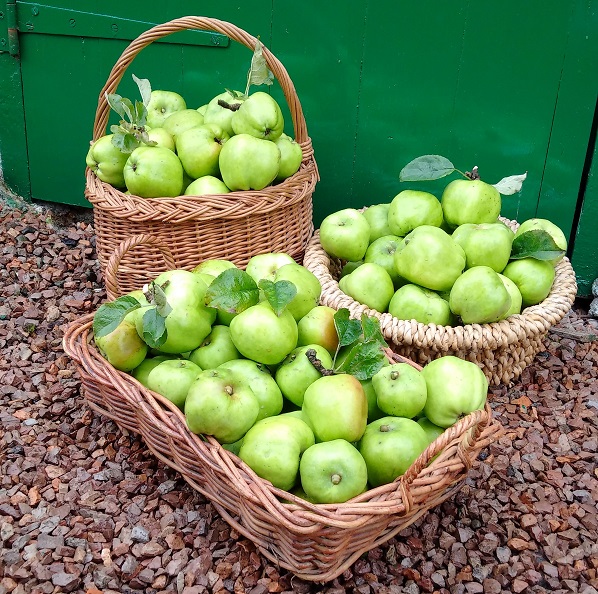
Late September harvest Lord Derby cooking apples. Image: Kathryn Hawkins

It seems like a long time ago since I picked all these apples from the aged tree in my garden. I still have plenty, stored in a fridge in the back kitchen, and every now and then I bake something suitably fruity. My apple store makes the perfect “turn-to” choice when the fruit bowl is running low, and cooked apple is so very comforting when it’s cold outside.

This variety of cooking apple, Lord Derby, is not particularly tart or exceptionally flavoursome but it retains texture when cooked which makes it the perfect choice for baking. I have often eaten the smaller ones like a crisp eating apple and they taste rather like a Granny Smith.

My recipe this week is a very simple dessert which tastes as good warm as it does at room temperature. I often bake a batch to have for breakfast accompanied with coconut milk yogurt. Delish 🙂 Add ground cinnamon or cardamom for a more seasonal flavour. If you don’t like or can’t eat coconut, vegetable margarine (or butter) is fine to use, and replace the coconut flakes with your favourite nuts or seeds, or use dried cranberries for a fruitier alternative.

Makes 6 – 8 servings

  • Juice of 1 lemon
  • 750g cooking apples
  • 75g coconut oil, melted (if you are not dairy-free, unsalted butter works well)
  • 50g Demerara sugar
  • ½ – 1 tsp ground vanilla pod (use a clean, old pepper mill/grinder and put chopped up dry vanilla pods inside – it works so well ground over fruit for baking)
  • A handful of raw coconut flakes
  1. Preheat the oven to 180°C (160°C fan oven, gas mark 4). Line a large shallow baking dish with baking parchment. Pour the lemon juice into a mixing bowl and half fill with cold water.
  2. Peel and core the apples. Cut into thick wedges. Put the prepared apple wedges in the lemony water and mix well – this will help keep the apples from discolouring too much. Drain the apples and blot dry with absorbent kitchen paper.
  3. Arrange the apple wedges on the baking tray and brush all over with the coconut oil. Sprinkle with the sugar and vanilla.
  4. Bake for 20 minutes, turning halfway through. Sprinkle with coconut flakes and continue to bake for a further 20 minutes or until tender and lightly golden. Best served warm with the cooking juices spooned over.
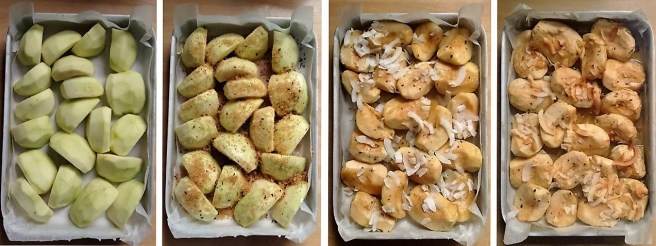
Coconut_baked_apples_step_by_step
Steps to making baked coconut apples. Images: Kathryn Hawkins
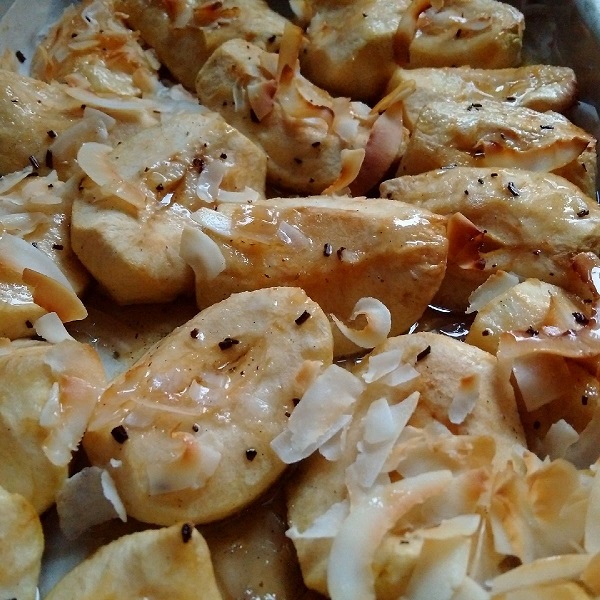
Baked_apple_wedges_with_coconut_and_vanilla
Freshly baked coconut apple wedges with vanilla. Image: Kathryn Hawkins


Festive Floretines (gluten-free, dairy-free, vegan)

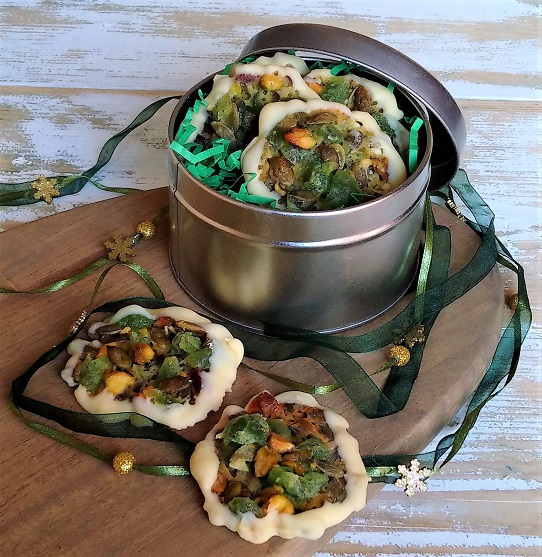
Edible_gift:_gluten-free_and_vegan_Florentines
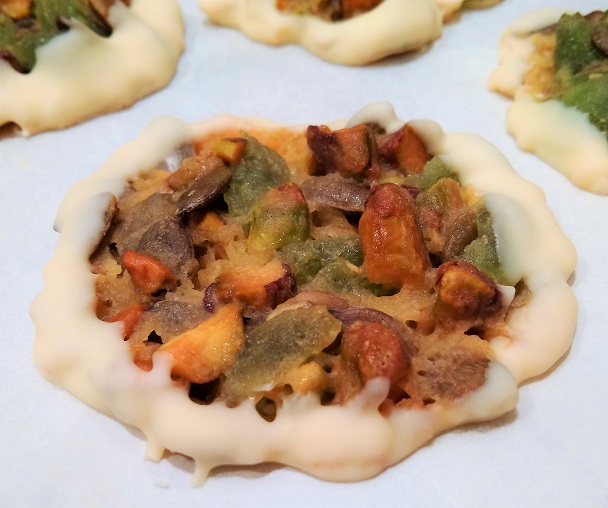
Festive Florentines. Image: Kathryn Hawkins
I’m spoilt for choice at this time of year as to what sweet treats and edible goodies to make, but Florentines have to be up there in my Top 10 of all time favourites. These thin, crisp, Italian, chocolate-spread morsels are jammed packed with fruit and nuts, and they are just as delicious served with a spoonful of your favourite ice cream or sorbet, as they are with a cup of coffee.

I have chosen to use a combination of candied green fruits, seeds and nuts, but you can use any dried or candied fruit, and any unsalted, roasted nuts and seeds – in fact these biscuits are one of the best ways to use up any bits and pieces of dried fruit, nuts and seeds you have leftover. They will also work with all fruit or all nuts and seeds, so you can make up your own combinations to suit your personal preference.

Traditionally, Florentine biscuits are spread with melted dark chocolate on the back, but they are good left as they are. Cover the backs with 90% extra dark chocolate for a less sweet finish, and, if you can bring yourself to give them away, they make a lovely gift.

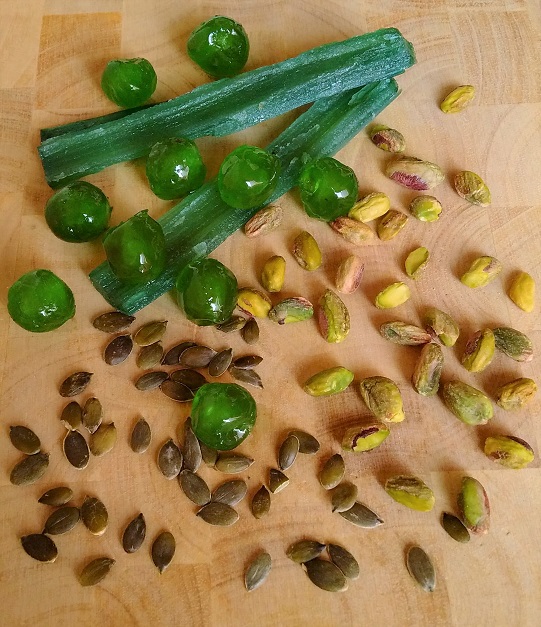
Main_ingredients_for_Florentine_cookies
Angelica, green-coloured cherries, pistachio nuts and pumpkin seeds. Image: Kathryn Hawkins
Makes: 20

  • 75g coconut oil or vegan margarine
  • 75g golden syrup
  • 50g gluten-free plain flour blend (such as Dove’s Farm)
  • 60g pumpkin seeds
  • 60g unsalted shelled pistachio nuts, lightly crushed
  • 100g green glacé cherries, roughly chopped
  • 25g angelica, finely chopped
  • 1 tsp good quality natural almond or vanilla extract (such as Dr Oetker)
  • 200g milk free, vegan white “chocolate”
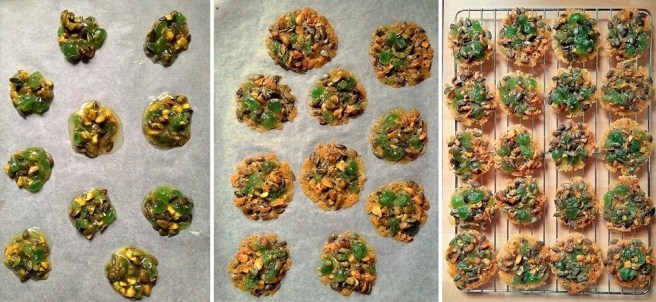
  1. Preheat the oven to 180°C (160°C fan oven, gas mark 4). Line 2 large baking trays with baking parchment. Melt the oil or margarine with the syrup in a saucepan. Remove from the heat and stir in the remaining ingredients except the white “chocolate”.
  2. Drop 20 heaped teaspoonfuls, spaced well apart on to the prepared trays, and flatten each mound slightly. Bake for 10-12 minutes until flattened and lightly golden. Leave to cool for 10 minutes on the trays, then transfer to a wire rack to cool completely.Preparation_of_mixture_for_baking_Florentines
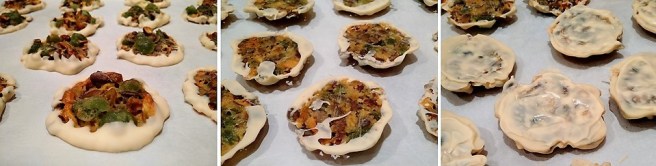
  3. To cover the biscuits with chocolate, put just over half the amount of chocolate in a heatproof bowl and melt over a saucepan of barely simmering water. Line a large board with baking parchment.
  4. Working on one biscuit at a time, carefully dip and roll the edge of the biscuit all the way round in chocolate and place on the lined board. Leave to set.

    Covering_gluten-free_Florentines_with_vegan_white_"chocolate"
    Covering the sides and backs of Florentines in melted white “chocolate”. Images: Kathryn Hawkins
  5. Once all the biscuits are dipped and set, melt the remaining chocolate as above. Turn the biscuits over and spread a little chocolate thinly over the backs. Leave to set. Note: If you can leave them alone, these biscuits will store well in an airtight container for up to 1 week.
Gluten-free,_vegan_Florentine_cookie
Vegan, gluten-free, chocolate-dipped Florentine biscuit. Image: Kathryn Hawkins


Cranberries & Cranberry Jam recipe (gluten-free, dairy-free, vegan)

Cranberry_plant_and_berries
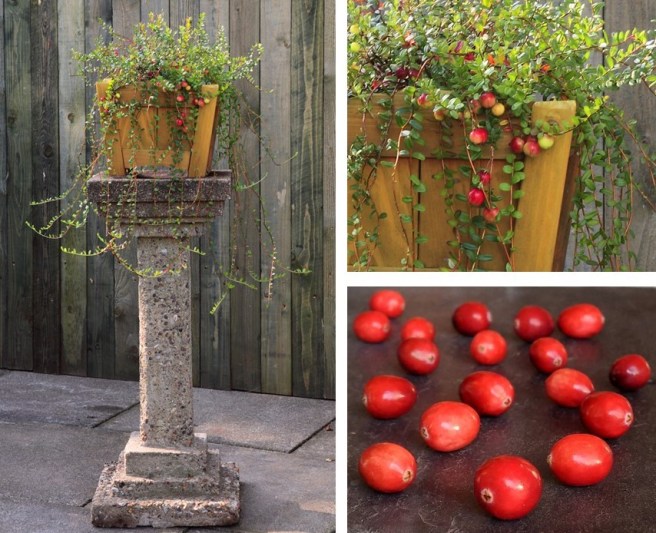
Cranberry plant with fruit. Plant images: Stuart MacGregor. Berry image: Kathryn Hawkins

In my humble opinion, there is no fruit nor vegetable that looks more festive than the cranberry. The fresh berries have just started arriving on the greengrocer’s shelves these past few days. The season for fresh cranberries in the UK is quite short, so I’m stocking up my freezer for a year round supply.

The cranberry plant is low growing and creeping in habit, and likes damp, acidic soil; it is a member of the heather family. A few years ago, I grew my own plant in a deep pot. Once it was established, it made a lovely trailing plant in a hanging basket for a while, until I forgot to water it (!) and sadly, it met a very sorry, shrivelled, end. I hope to try again this spring if I can track down a suitable mature plant.

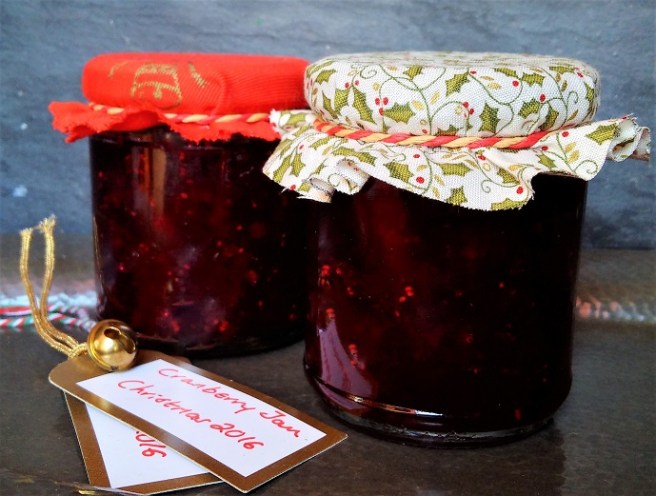
The waxy-looking, scarlet berries are rich in Vitamin C and a staple of the Thanksgiving and Christmas menu. I’ve just made a batch of jam to serve with the Christmas roast; very easy to make and much nicer than anything you can buy in a jar. Add finely grated orange rind for a zesty flavour, and/or a few spoonfuls of Port at the end of cooking for a richer taste. I put the jam into small jars which then makes it ideal for gifting.

Jars_of_homemade_cranberry_jam
Jars of my freshly made cranberry jam. Image: Kathryn Hawkins
Makes: 5 x 200ml jars

  • 500g fresh cranberries – the recipe will also work fine using frozen berries
  • 175ml water
  • 600g granulated sugar
  1. Put the berries and water into a preserving pan or large saucepan. Put a lid over the pan and begin heating – the berries will start “popping” and may jump a bit as they warm up.
  2. Bring the contents of the saucepan to simmering point and cook gently for about 10 minutes until the berries are soft and pulpy.
  3. Stir in the sugar over a low heat until dissolved, then boil rapidly for 5-8 minutes, stirring occasionally, until thick and the liquid has reduced. Cranberries have lots of pectin so this mixture will set readily without having to test that a setting point has been achieved.
  4. Spoon whilst hot into warm sterilised jars and seal immediately. Once cool, label and cover the jar lids if preferred. Store in a dry, cool, dark cupboard; as with most preserves, cranberry jam will keep for several months.

    Cranberry_sauce_serving_suggestion
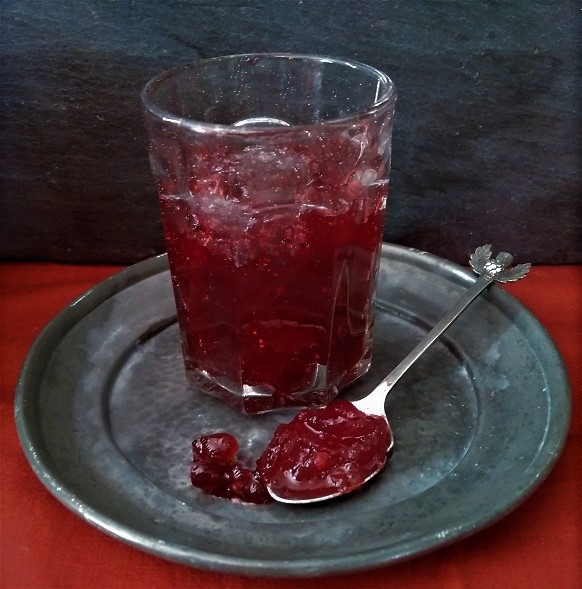
    Homemade cranberry jam. Image: Kathryn Hawkins


Pesto pea pastries (gluten-free)

Gluten-free_pesto_pea_pastries
Freshly baked pesto pea pastries. Image: Kathryn Hawkins
Peas are one of my favourite vegetables. When they’re not in season, I always have a bag in the freezer; they are my “go to” emergency vegetable.

The filling for these pastries is very versatile. You can use it as a dip, spread it thickly on warm toasted bread or, it makes a lovely fresh filling for wraps or sandwiches with some crisp green leaves and cooked chicken. Make your own pesto if you have time, it really does make all the difference.

Makes: 9

  • Gluten-free plain flour, for dusting
  • 400g block ready-made gluten-free puff pastry (such as Silly Yak)
  • 225g cooked peas, mashed with a fork or potato masher
  • 50g fresh pesto sauce (recipe below)
  • 1 medium egg
  • 100ml whole milk or soya milk
  • Salt and freshly ground black pepper
  1. Preheat the oven to 200°C (180°C fan oven, gas mark 6). Line a large baking tray with baking parchment.
  2. Lightly dust the work surface with flour and roll out the pastry to make 30cm square. Cut out 9 x 10cm rounds using a pastry cutter.
  3. Mix the peas and pesto sauce together and pile a spoonful in the centre of each round. Pinch the edges of the pastry round the pea filling to make a tartlet shape. Transfer to the baking tray.
  4. Mix the egg and milk together and season well. Carefully pour a little over the top of the pea mixture. Bake in the oven for about 25 minutes until lightly golden. Best served warm.
How_to_make_pesto_pea_pastries
Assembly of pesto pea pastries. Images: Kathryn Hawkins
To make your own pesto sauce: in a blender or food processor, blitz together 125g pine nuts (kernels), 2 peeled garlic cloves, 60g freshly grated Parmesan cheese , 15g fresh basil leaves, pinch of salt and 90ml good quality olive oil. Unused pesto sauce will keep in the fridge, in a sealed container for up to 1 week. Homemade pesto sauce is also suitable for freezing.

Pesto_pea_pastries_serving_suggestion
Gluten-free pesto pea pastries. Image: Kathryn Hawkins

Vegetable confetti (gluten-free, dairy-free, vegan)

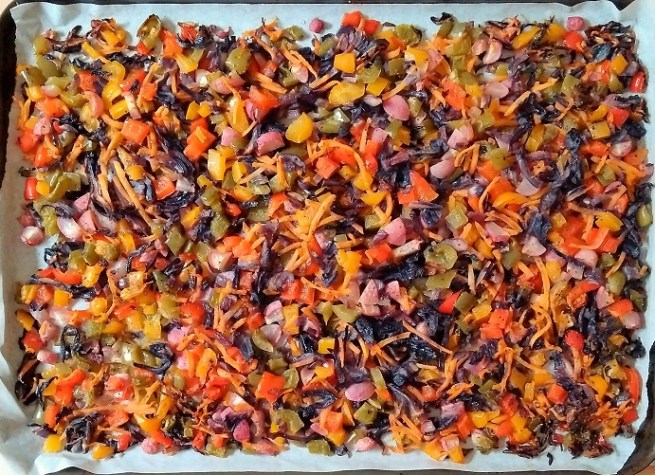
Finely_chopped_roasted_vegetable
Tray of roasted vegetable “confetti”. Image by Kathryn Hawkins

One of the culinary terms that has stuck with me since my cookery classes at school, is the word”confetti”. Whether it is actually a technical term doesn’t really matter; it is one of those quirky, self-explanatory meanings that has lived with me for years. It aptly describes a combination of finely chopped fruit or vegetables, and I think it is very appropriate.

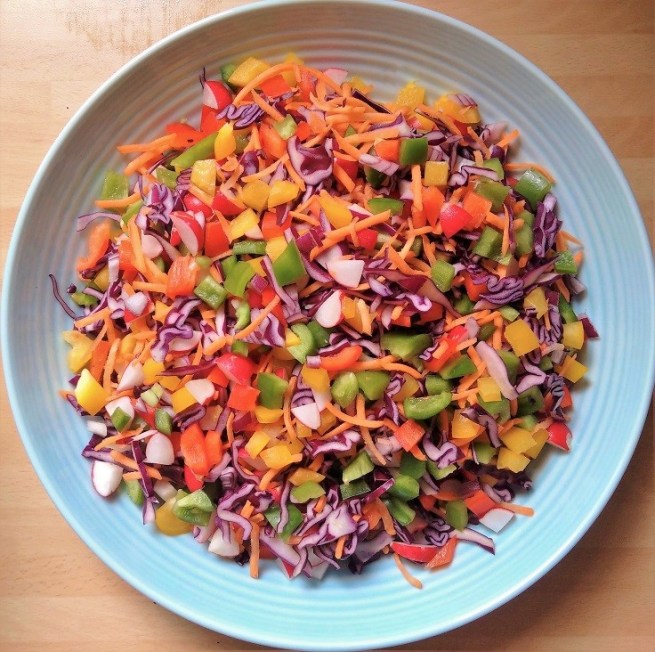
A few weeks ago, I wrote a Summer cookery feature for one of the magazines I freelance for; I included a “confetti” salad of finely chopped vegetables. It looked bright and tasted great; it did take a bit of time chopping everything up small, it looked spectacular.

Salad_of_freshly_chopped_vegetables
Summery salad of “confetti” vegetables. Image by Kathryn Hawkins

I’m less inclined to eat a raw vegetable salad during the colder months of the year, so I have taken the same combination of vegetables and started baking them in the oven. Serve the vegetables as a side dish on their own or mix them into freshly cooked pasta. I like them stirred into freshly cooked basmati rice and served sprinkled with roasted cashew nuts. Here’s the (very easy) recipe:

Makes 8 servings

  • 1 each red, yellow and green (capsicum) peppers
  • 150g radish
  • 225g carrots
  • 150g red cabbage
  • 1 red onion
  • 6 tbsp olive oil
  • 4 garlic cloves, peeled and finely chopped
  • Salt and freshly ground black pepper
  1. Preheat the oven to 180°C (160°C fan oven, gas mark 6). Line a large baking tray with baking parchment. Halve, deseed and finely chop the peppers and put in a large bowl.
  2. Trim and chop the radish. Peel and finely chop the carrots. Shred and chop the cabbage. Mix them all into the peppers.
  3. Peel and finely chop the onion, then toss into the other vegetables along with the olive oil and garlic.
  4. Spread the vegetables evenly over the lined baking tray and season well. Cover with foil and bake for about 45 minutes, turning occasionally, until tender. Drain well and serve.
Rice_with_roast_chopped_vegetables_ and_cashew_nuts
Roast vegetable rice with cashews. Image by Kathryn Hawkins

Coconut granola (gluten-free, dairy-free, vegan)

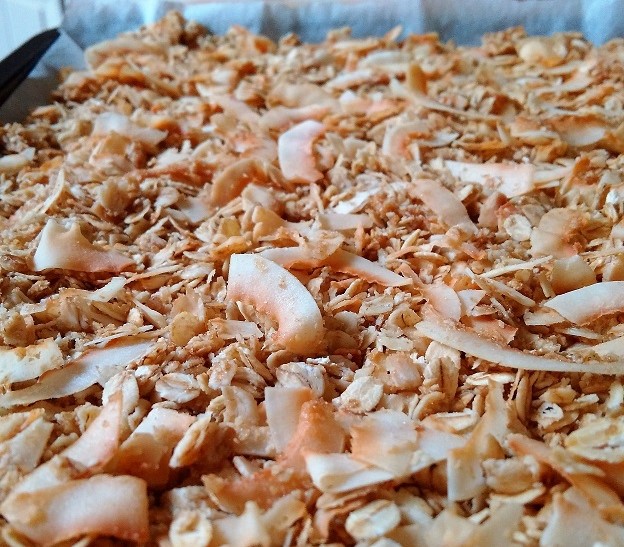
Gluten_free_vegan_coconut_granola
Tray-baked homemade coconut granola. Image by Kathryn Hawkins

Breakfast is the one meal of the day that I am more choosy about than any other. I rarely have the same thing 2 days running, and often can’t face breakfast at all. At present, I am alternating between gluten-free toast, fresh fruit and coconut yogurt, and my own recipe, granola.

I turned to making my own granola after finding most ready-made combinations either too sweet or so hard and dry that they were more tortuous to eat than enjoyable. This granola recipe is easy to make and is much tastier than anything I can buy, plus you can chop and change the flavourings to suit your taste and whatever you have in the cupboard. If you like dried fruit in your granola, it is better to stir it into to the tray of still warm, cooked ingredients once the tray is of the oven – this helps to keep the fruit soft and stops it drying out and hardening in the oven.

Makes 8 servings

  • 175g thick milled or jumbo oats
  • 1/2 tsp salt
  • 50g coconut sugar or light brown sugar
  • 50g flaked coconut
  • 3 tbsp coconut oil or sunflower oil
  • 1 tsp vanilla paste
  1. Preheat the oven to 150°C (130°C fan oven, gas mark 2). Line a large baking tray with baking parchment.
  2. Put the oats, salt and sugar in a large bowl and toss in the coconut, coconut oil and vanilla paste. Mix well until well coated in oil.
  3. Spread the mixture evenly across the tray. Bake for 40 minutes, stirring 3 times during baking, until lightly toasted. Leave to cool on the tray.
  4.  Transfer to a clean storage jar and seal well. Delicious served with coconut rice milk and fresh berry fruits or sliced banana.

If I have them, I often add pecan pieces, flaked almonds or pumpkin seeds for extra crunch.

Breakfast_bowl_of_coconut_granola
A favourite breakfast: homemade coconut granola. Image by Kathryn Hawkins

Pear gingerbread cake (gluten-free, dairy-free, vegan)

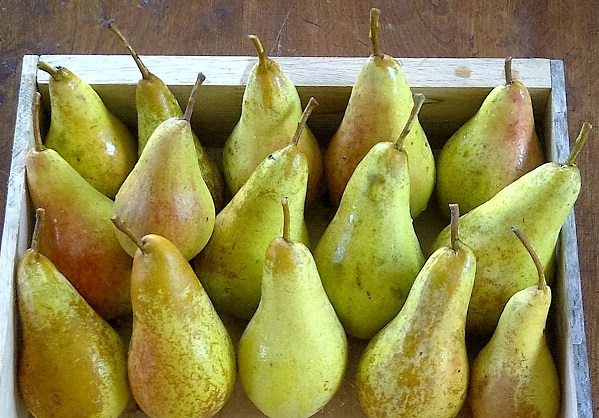
Storing_Concorde_pears
Homegrown Concorde pears. Image by Kathryn Hawkins

The pears I picked a couple of weeks ago are fully ripe now. Most usually, I enjoy them fresh, peeled or unpeeled; occasionally I use a few in cooking. One of my quick “comfort” desserts is to chop pears and mix them with grated marzipan to use as a filling for a gluten-free puff pastry jalousie or plait. Quite delicious.

Today, I’m sharing a recipe for what I call a “proper cake”. In other words, a dense textured cake, neither spongy nor light, but something substantial, and just right for this time of year. Keep it for at least a day after baking to allow the fruit juices to soak into the cake and for the flavours to develop. I use coconut oil and coconut milk a lot in my cookery because I love the flavour; but in this recipe it isn’t noticeable by taste, it simply adds to the richness of the texture. Use another vegetable oil or vegan margarine if you prefer, and a nut, rice or soya milk will work fine as an alternative to coconut milk.

Pears_and_other_ingredients_ready_for_recipe
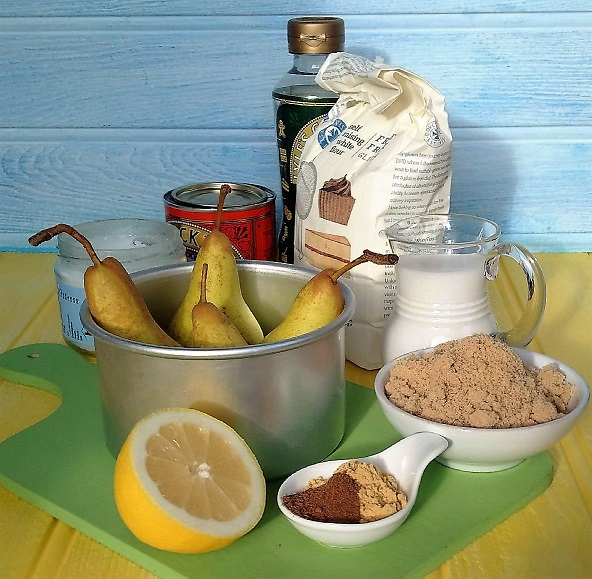
Ingredients for pear gingerbread cake. Image by Kathryn Hawkins

Serves: 6 to 8

  • 75g coconut oil
  • 75g light brown sugar
  • 75g golden syrup
  • 75g treacle
  • 6 tbsp canned coconut milk
  • 150g gluten-free, self raising flour (such as Dove’s Farm)
  • 2 tbsp ground ginger
  • ½ tsp ground allspice
  • 4 small pears
  • Juice ½ lemon
  1. Preheat the oven 170°C (150°C fan oven, gas mark 3). Grease and line a deep, 12cm round cake tine. Put the oil, sugar, syrup and treacle in a saucepan and heat very gently, until melted together. Remove from the heat and stir in the coconut milk. Cool for 10 minutes.
  2. Meanwhile, sift the flour and spices into a bowl and make a well in the centre.
  3. Thinly peel the pears, leaving them whole. Trim away a small slice from the base of each so that they sit upright, and arrange in the cake tin. Brush all over with lemon juice.
  4. Pour the melted ingredients into the spiced flour and mix together to form a thick, smooth batter. Carefully pour into the tin.
  5. Cover the tops of the pears with small pieces of foil to prevent burning. Put the cake tin on a baking tray and bake in the oven for about 1 hour 40 minutes until a skewer inserted into the centre of the cake comes out clean. Discard the foil and leave the cake to cool in the tin completely.

    Pear_gingerbread_cake_in_tin
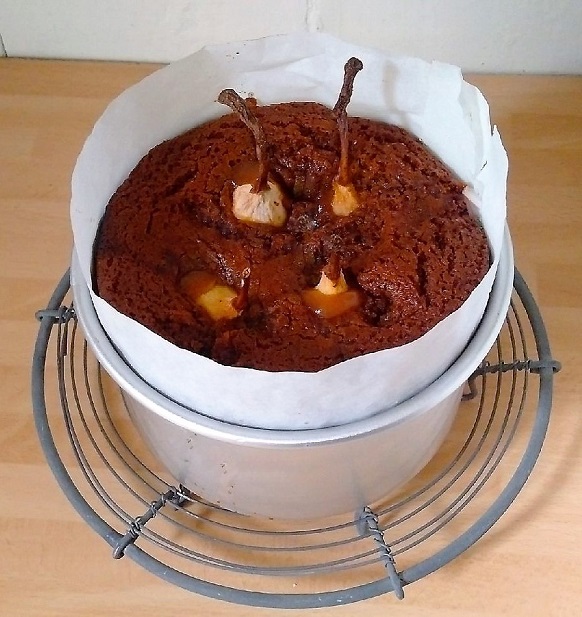
    Just out of the oven, freshly baked pear gingerbread cake. Image by Kathryn Hawkins
  6. Remove from the tin. Wrap in foil and store in a cool place for 24 hours to allow the texture and flavours to develop. Enjoy cold as a cake or, warm slightly and serve as a pudding with dairy free custard.

    Pear_gingerbread_cake_whole_with_slice
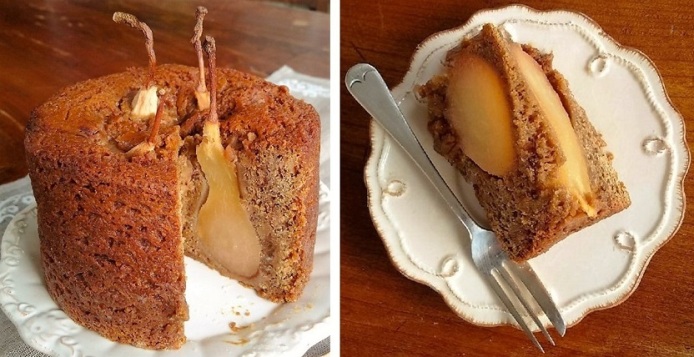
    Pear gingerbread cake. Images by Kathryn Hawkins


Apple crumble cake (gluten-free, dairy-free, vegan)

Old_Scottish_apple_tree
Lord Derby cooking apples. Images by Kathryn Hawkins

A couple of weeks ago, I picked a bumper crop of cooking apples from the old tree in my garden. I have no idea how old the tree is, but it’s gnarly and interesting to look at, and each year produces large, bright green apples with a slightly tart taste. The variety is called Lord Derby. The apples keep their texture when cooked and are perfect for thinly slicing and layering in a deep filled apple pie or peeled and quartered for a tart tatin. Kept in the cool and dark, this variety of apple stores for about 3 months – until about Christmas-time.

This is one of my favourite apple recipes. It keeps well if you can leave it alone, and becomes more cake-like as time goes on. Serve the cake hot or cold, for pudding or with coffee. I guarantee you’ll love it!

Serves: 10-12

  • 225g vegan margarine ( or lightly salted butter if you prefer),  softened
  • 165g + 2 tbsp Demerara sugar
  • 1 tsp natural vanilla extract
  • 350g gluten-free plain flour (such as Dove’s Farm)
  • 10g gluten-free baking powder (such as Dr Oetker)
  • 500g cooking apples
  • Juice 1 small lemon
  • 1 tbsp cornflour
  • 1 tsp ground cinnamon
  • 50g thick milled oats
  • 1 tsp icing sugar
  1. Preheat the oven to 180°C (160°C fan oven, gas mark 4). Grease and line a 5cm deep x 23cm round, cake tin. In a mixing bowl, beat the margarine with 165g sugar and the vanilla, until well blended and creamy.
  2. Sift the flour and baking powder on top and bring together to form a crumbly mixture. Press about two-thirds evenly into the base of the tin to make a smooth, thick base. Prick all over with a fork and bake for 20 minutes until lightly golden and slightly crusty.
  3. Meanwhile, prepare the filling. Put the lemon juice in a bowl. Thinly peel and core the apples, and chop into small pieces. Toss in the lemon juice to help prevent browning. Drain away the excess juice and toss in the cornflour and cinnamon.
  4. Spread the apple evenly over the baked base. Mix the oats into the remaining crumble and spoon on top, making sure all the apple is covered. Sprinkle over the remaining Demerara sugar. Bake in the oven for about 40 minutes until golden brown and firm to the touch.

    Step_by_step_preparation_for_apple_crumble_cake
    Preparation of apple crumble cake. Images: Kathryn Hawkins

If you want to serve the cake as a pudding, leave it to firm up for 15 minutes before removing from the tin; otherwise leave it to cool completely and enjoy cold. Dust lightly with icing sugar just before serving. Enjoy!

Freshly_baked_gluten_free_apple_crumble_cake
Homemade gluten-free apple crumble cake. Images by Kathryn Hawkins