Welcome to my blog all about the things I love to grow and cook. You'll find a collection of seasonal gluten-free, dairy-free and vegan-friendly recipe posts, as well as a round up of my gardening throughout the year. I wish you good reading, happy cooking and perfect planting!
Hello again. Thank you for stopping by. So, here we are at the end of another month. A chance for me to take a look back on what’s been happening out of doors since my last post.
Garden snowdrops, February 2023. Images: Kathryn Hawkins
It’s been a bumper year for snowdrops here in central Scotland. Along the roadside verges, riverbanks and country walkways, the tiny white bulbs are flowering prolifically. And, in my own garden, there are green and white clumps of the delicate little flowers in the beds, borders and paths all over the place.
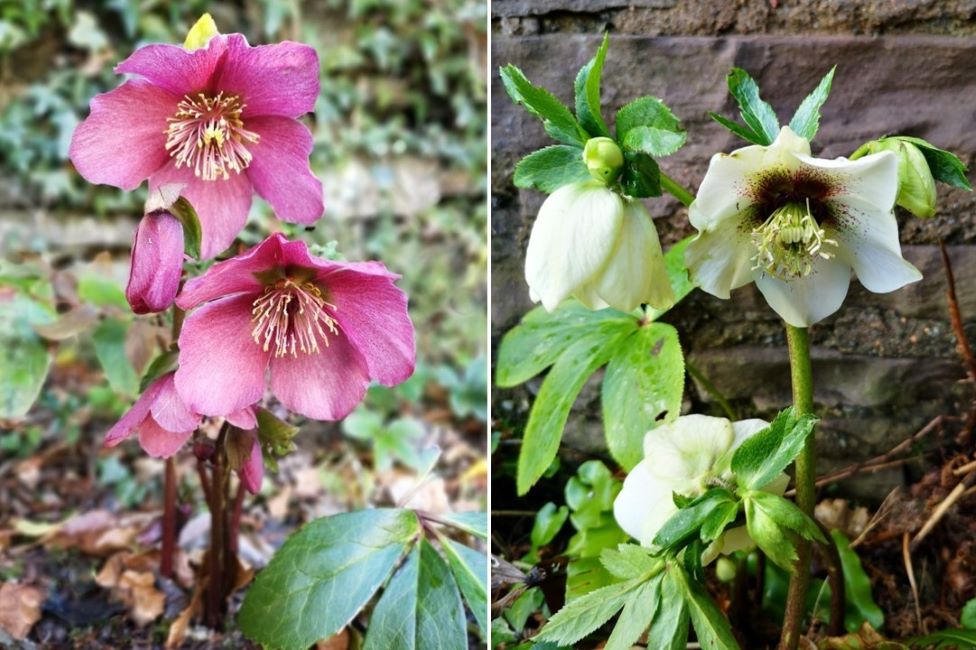
New season Scottish garden Hellebores. Images: Kathryn Hawkins
February crocus and primroses. Images: Kathryn Hawkins
Other spring classics are opening up in the garden as well. In the shady borders, the Hellebores are unfurling, as are the primroses. In the sunshine, the crocus are flowering and giving bold, bright, blasts of colour all over the garden.
Pale pink Rhododendrons, February 2023. Images: Kathryn Hawkins
The delicate pink Rhododendrons are blossoming in the back and front garden. Fingers crossed that the frost keeps at bay.
Early spring heather, February 2023. Images: Kathryn Hawkins
More hardy are the spring heathers. I haven’t seen many bees yet, but there are some tempting blooms out there in wait for our important little pollen collectors.
Garden rhubarb and rabbits. Image: Kathryn Hawkins
Very happy to see the first of the garden produce beginning to grow. Looking forward to my first harvest of fresh pink stems in a few weeks time.
My final image this week is of a glorious winter sunset I captured at the beginning of the month, and it was a real beauty.
Early February sunset. Image: Kathryn Hawkins
That’s me for this month. I will be back with a recipe post very soon. Until then, have a good few days and enjoy the unfurling of spring.
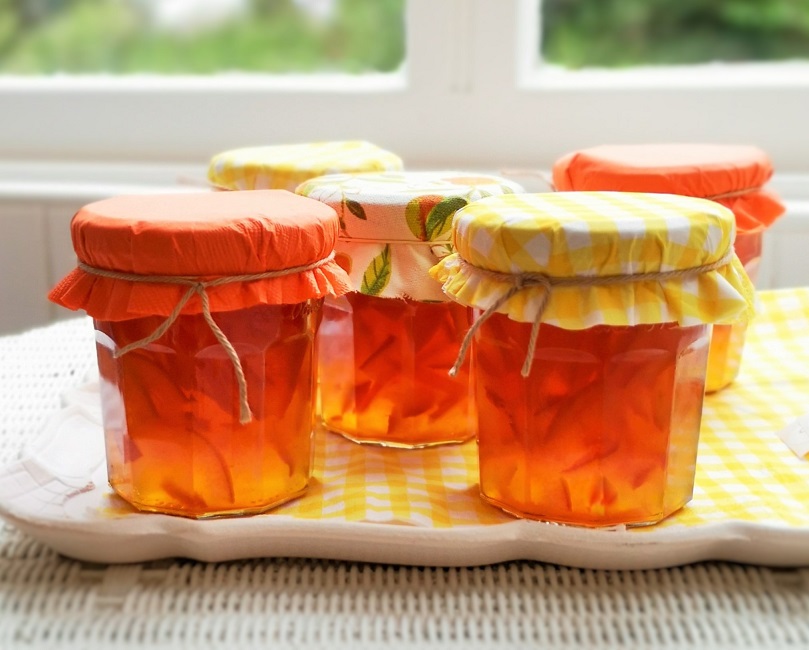
February 2023, marmalade making. Image: Kathryn Hawkins
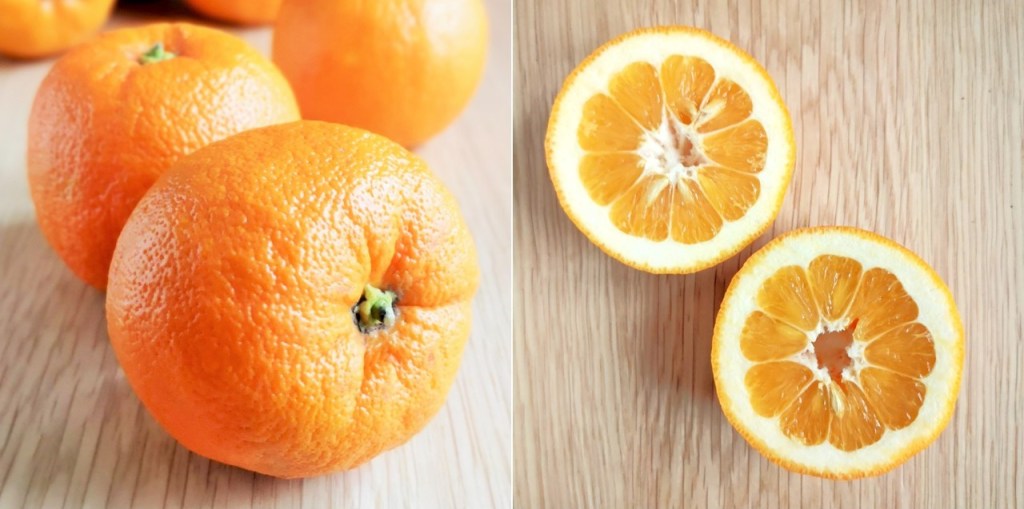
Something bright and cheery to start the new month. It’s that time of year when the air is full of the scents of aromatic citrus and the sweet smell of sugar. Seville oranges are in season and marmalade-making is in full swing.
New season Seville oranges. Images: Kathryn Hawkins
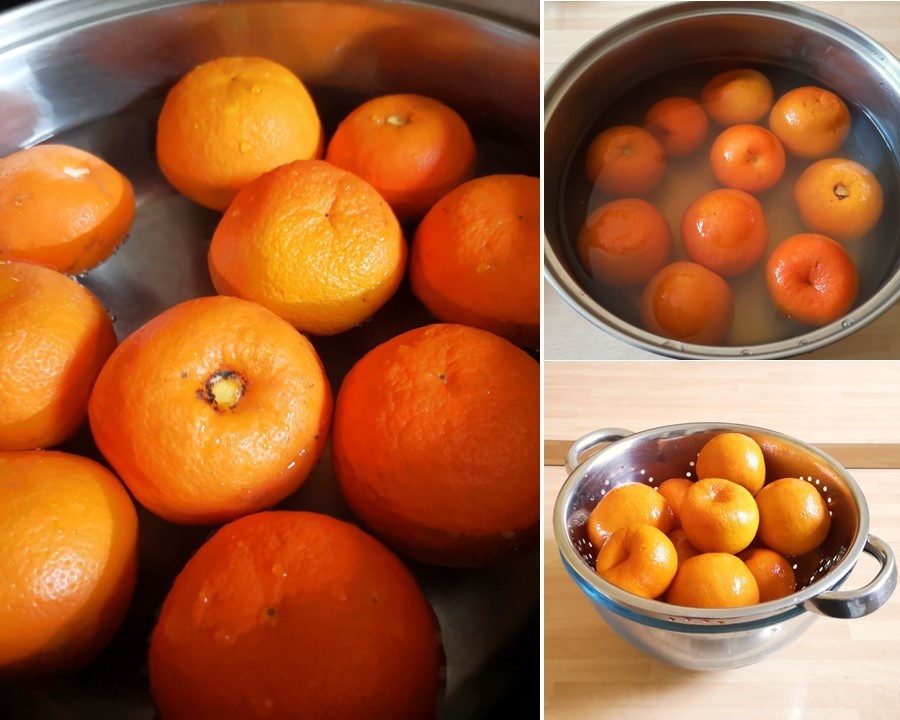
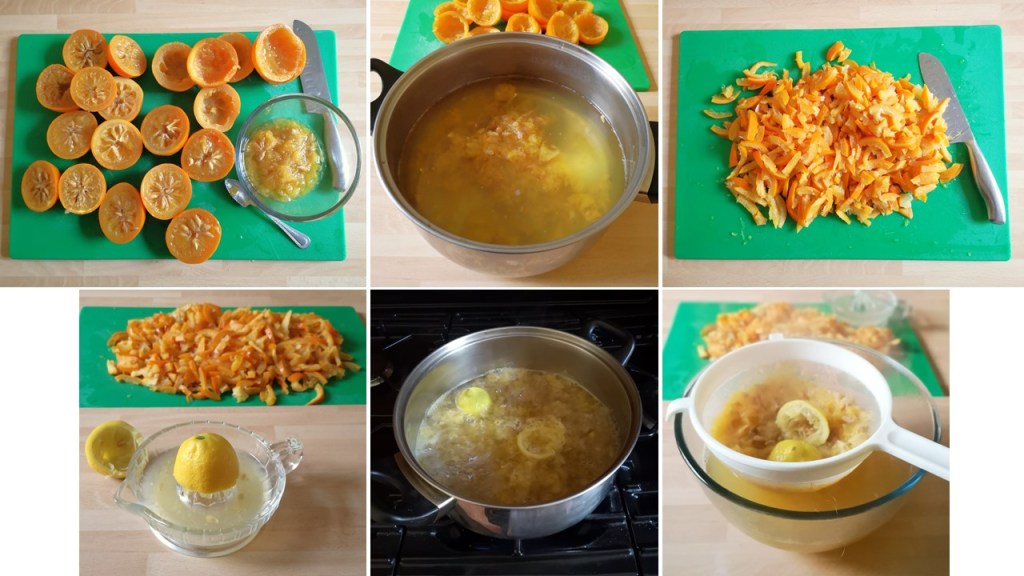
I do enjoy making preserves, but I find the peel-cutting for marmalade a bit of a chore. This time I made marmalade, I cooked the oranges whole, then once the oranges were cooked, I extracted the fruit pulp from the skin and was left with softer peel to slice. I found the cooked orange skin much easier to slice, and the resulting preserve tastes and looks pretty much the same, so I think this recipe will be my go-to marmalade recipe for the future.
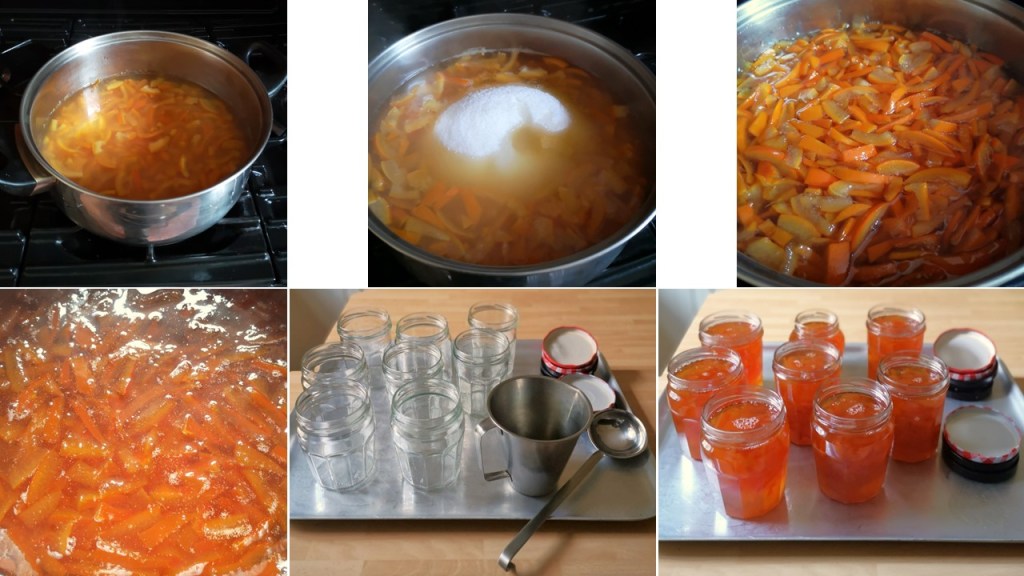
New season marmalade ready to label. Images: Kathryn Hawkins
You may want to cut the quantities down to make a smaller amount – I had a fair few oranges to use up!
Makes: approx. 3kg
Ingredients
1kg Seville oranges, washed and left whole
2.4l water
1 unwaxed lemon + 60ml freshly squeezed lemon juice (the extra juice is optional but I find it helps with the set especially if the oranges have been stored for a while)
1.8kg granulated sugar
1. Put the whole fruit in a large saucepan with the water. Bring to the boil, then simmer gently for about 1½ hours until a skewer can be inserted into the fruit with ease. Drain the fruit using a draining spoon and leave aside until it is cool enough to handle. Keep the cooking water.
2. Cut the fruit in half, then scoop the seeds and pulp into the saucepan with the cooking liquid. Halve the lemon, extract the juice and add to the saucepan along with any seeds and the lemon shells. Bring to the boil and boil steadily for 10 minutes. Strain the liquid, discard the pulp, and return the liquid to the saucepan.
3. Meanwhile, cut up the orange shells into the size of shreds you prefer and put to one side. I kept the sliced peel quite chunky, hence my name for the marmalade.
4. Stir the shredded peel into the cooking liquid. Add the sugar and extra lemon juice if using. Stir over a low heat until the sugar is dissolved. Raise the heat and boil for about 25 minutes until setting point is reached – 105.5°C . Allow to cool a little in the saucepan until the mixture begins to firm slightly, then stir the marmalade to distribute the peel before spooning into clean jars and sealing whilst still hot.
I had a few spoonfuls of marmalade leftover once I had put the rest in jars; the “cook’s privilege” I call it. It made the perfect topping for a very indulgent bowl of porridge the next morning 🙂
Until next time, have a good few days and I look forward to posting again soon.
Chocolate porridge with homemade marmalade. Image: Kathryn Hawkins
It’s that time of year again when the Scottish nation gathers together to celebrate the birth of the poet Robert ‘Rabbie’ Burns. The celebration comes exactly one month after Christmas Day and it is a great way to help beat the January blues.
Over the years on my blog, I have posted several recipes which are traditionally served at this time of the year. Proper comfort food, guaranteed to warm you up on a cold day. This year, my recipe is very simple and combines a traditional Scottish pudding with a favourite sweet chocolate treat.
Last year I posted a recipe for a homemade clootie dumpling which you can find here Clootie dumpling (gluten-free; dairy-free; vegan). My recipe this week uses this traditional Scottish pudding as a base. You can use a light fruit cake mixed with a little oatmeal instead if you prefer.
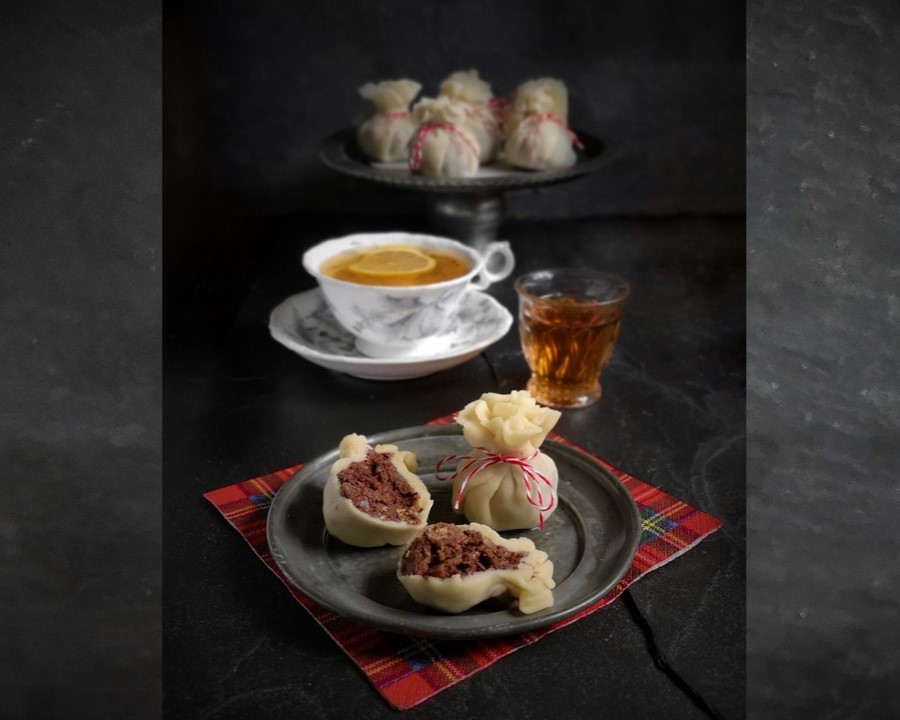
I flavoured my truffles with chopped stem ginger and ginger wine but ground spices and ginger syrup or orange juice will work fine as alternatives. The truffle mixture is simply wrapped in small rounds of marzipan or use a thin layer of ready-to-roll icing if you prefer.
Clootie truffles and ginger wine. Image: Kathryn Hawkins
So here’s the recipe. You can also use the same mix to make small haggis-shaped truffles.
Makes: 8
Ingredients
125g free-from clootie dumpling crumbs (or use 100g free-from light fruit cake crumbs combined with 25g toasted gluten-free oatmeal)
25g stem ginger, finely chopped
100g vegan dark chocolate, melted
2tbsp ginger wine, ginger syrup or orange juice
240g natural marzipan
1. Put the crumbs and ginger in a bowl and bind together with the melted chocolate and wine, syrup or juice. Form into 8 balls and chill for about 1hr until firm.
2. Divide the marzipan into 8 equal pieces and roll out thinly to make rounds large enough to encase each truffle. Scrunch together at the top to give the cloth effect. Tie with twine or ribbon if liked. Keep in a cool place or the fridge until ready to serve.
To make haggis truffles instead, divide into 10 portions and shape into small sausage lengths. You’ll need 300g marzipan to roll out into rounds and wrap around each one. Scrunch the marzipan at each end to give the classic haggis shape.
Same mixture, different shape. Images: Kathryn Hawkins
For easy reference, here are a few links to other recipe posts for traditional Scottish dishes with a free-from twist to serve up on January 25th:
Happy New Year! I hope you have had a good holiday. We find ourselves at the beginning of a brand new year, wondering what 2023 has instore for us all. Let’s hope it’s a good one.
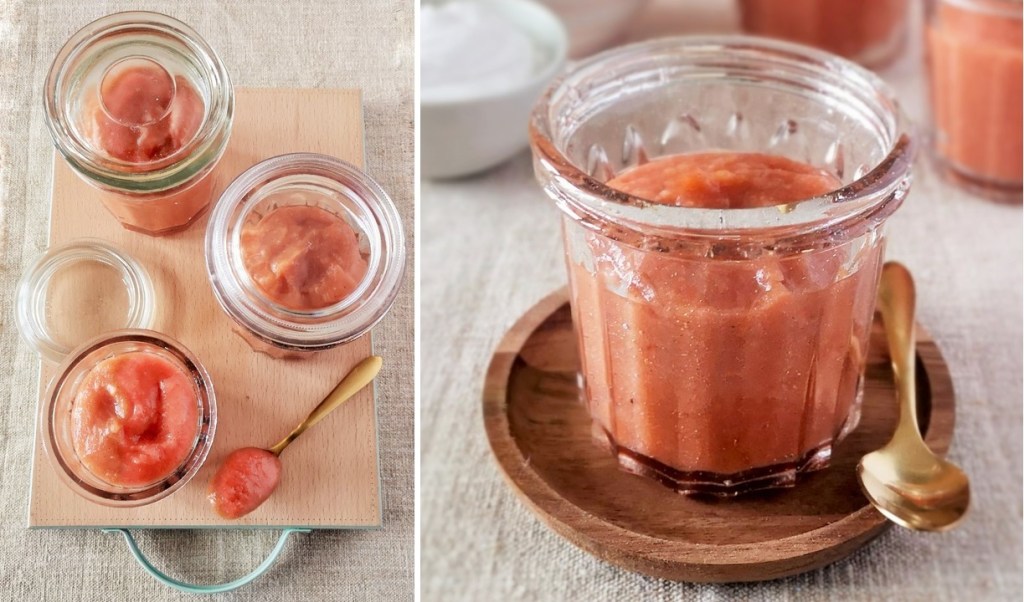
It’s been a chilly, frosty and snowy end of year here in central Scotland. I didn’t venture very far. I have been in the kitchen keeping cosy and have been trying new ways of using up what remains of the stored fruit from last Autumn. This week’s post is the result of one of my experiments, slow-cooked fruit butter. It keeps for about a week in the fridge but can be frozen for use later in the year.
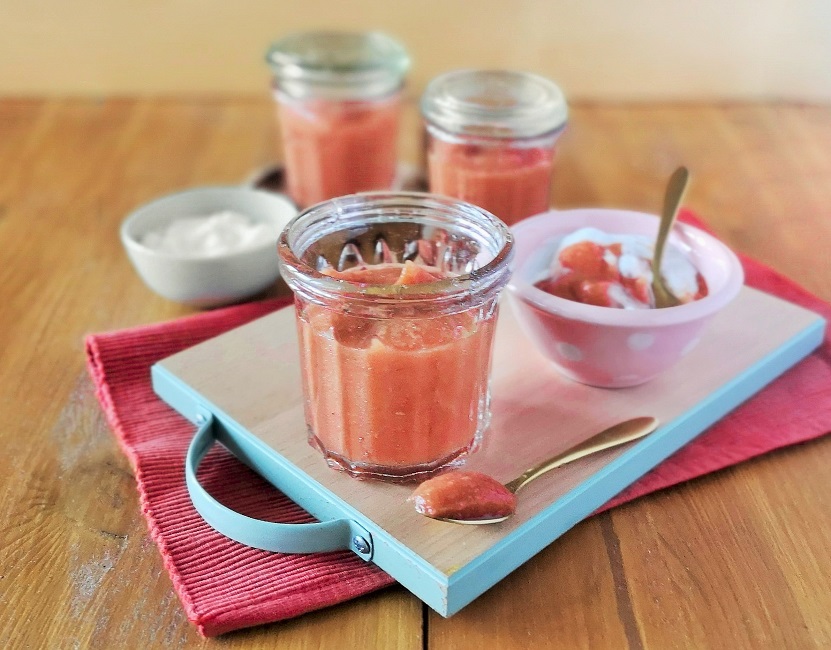
In the jar. Images: Kathryn Hawkins
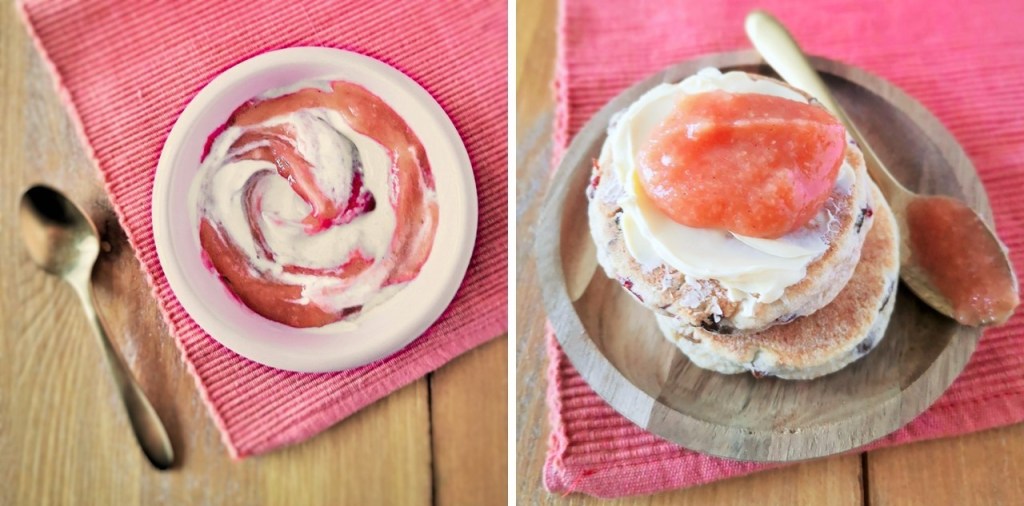
Fruit butter has nothing to do with dairy butter. In fact, it is completely fat free. I guess it gets its name from the fact that it is silky smooth in texture. It tastes delicious and is very easy (and moreish!) to eat. You can use it like jam, spread on toast, or as a filling for pancakes, pastry cases and sponge cakes, or as a dessert with yogurt. It is delicious served with rice pudding, granola, porridge or as a topping for a cheesecake.
Fruit butter with coconut yogurt and on griddle scones. Images: Kathryn Hawkins
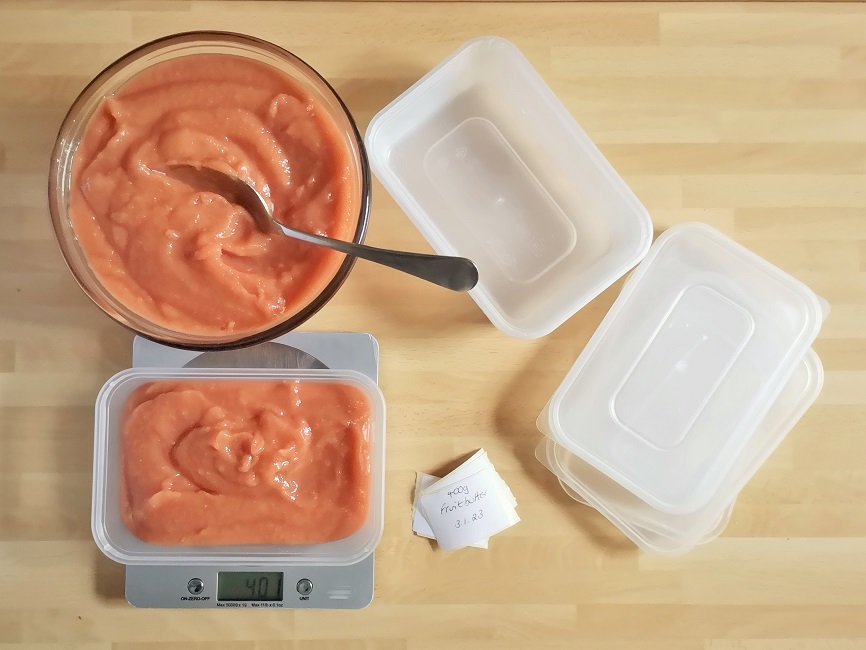
The sugar content is much lower than jam so you do need to keep it in the fridge. It freezes very well with no alteration in texture, colour or flavour. If you portion the butter up in small containers, it will defrost quickly and can be used up in a few days.
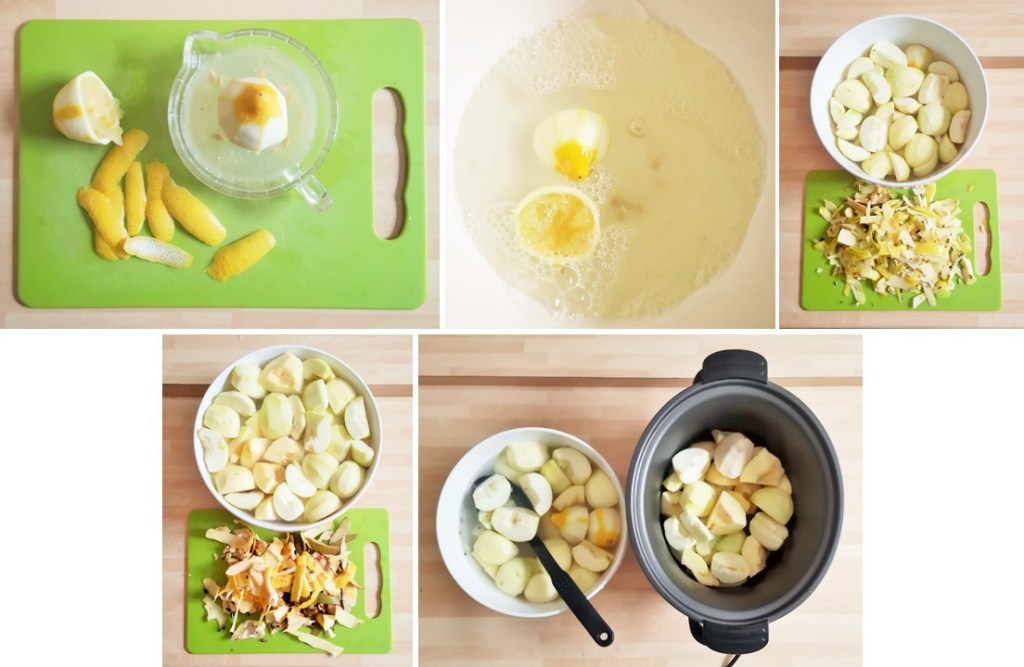
Ripe fruit and flavourings. Images: Kathryn Hawkins
I used a combination of quince, cooking pears and small cooking apples, but you can use the same method for a single fruit butter, although you may need to adjust the sugar content. And when it comes to flavouring, you can use whatever you fancy. For speed, ground spices are the easiest option because it saves time at the end of cooking. You can simply blitz the fruit and store. I prefer whole spices along with lemon rind, and as long as you know how many pieces you have added, then you know how many bits you need to fish out before your start blending. Cinnamon, allspice, cloves, ginger and orange would all work very nicely, it’s just personal preference.
On with the recipe. All the work is in the preparation of the fruit, then it’s a case of letting the slow-cooker do the rest of the work.
Makes:approx. 1.6kg
Ingredients
1 unwaxed lemon
2kg quince, cooking or firm pears, and cooking apples (dessert apples will also work, just adjust the sugar quantity accordingly)
125g caster sugar
1 vanilla pod, split
6 to 8 cadamom pods, split
1. Pare the lemon rind in thick strips using a vegetable peeler, and extract the juice. Put the spent lemon shells in a large bowl, pour over the juice and top up with cold water to half fill the bowl. Keep the pared rind for the slow cooker.
2. Peel and core all the fruit, and cut into pieces – apple and pear will cook more quickly than quince if you are using a combination. Simply cut the quince (or any firmer pieces of fruit) into small pieces for even cooking. As you prepare the fruit, put it in the lemony water to reduce the deterioration of colour.
3. When you have prepared all the fruit, use a draining spoon to ladle it into your slow cooker. There is no need to drain the fruit too much as a little of the lemony water will help create steam as the fruit cooks. Discard the lemon shells.
Preparing fruit for slow cooking. Images: Kathryn Hawkins
4. Add the sugar, pared lemon rind and your other chosen flavourings and mix everything together, then cover with the lid and set the cooker to High for 5 to 6 hours, or Low for 10-12 hours. The exact cooking time will depend on how ripe the fruit is. After a couple of hours, give the fruit a stir then re-cover, and stir again after a further 2 hours. Continue cooking until the fruit is very soft.
Before and after cooking. Images: Kathryn Hawkins
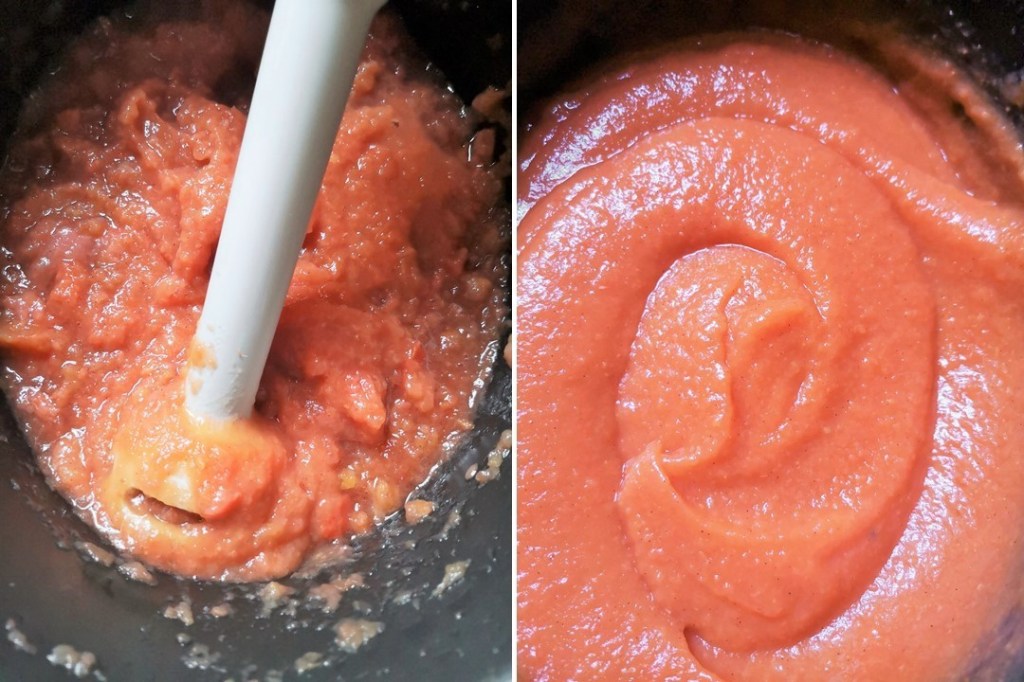
5. Switch off the cooker and leave the fruit, covered with the lid, to go cold. Remove the rind and whole spices if using and either use a stick blender to blitz the fruit or transfer to a standing blender. The fruit butter should be thick and beautifully smooth.
The final step to perfect fruit butter. Images: Kathryn Hawkins
6. Once you have your butter, either spoon it into clean, sealable jars or containers for keeping in the fridge, or pack it into cartons for freezing.
Ready for freezing. Image: Kathryn Hawkins
I hope you have enjoyed my post this week. I will be back with another recipe in a couple of weeks. Until then, take care and keep well. I will see you again soon 🙂
Scottish shortbread for Hogmanay 2022. Image: Kathryn Hawkins
It’s the last day of the year, and a time for reflection as well as looking ahead to whatever the coming year has instore. I am closing my blog for the year with a festive twist on Scotland’s most famous of bakes. No recipe as such this time but here are a couple of links to previous shortbread posts in case you do fancy making some for your own celebrations:
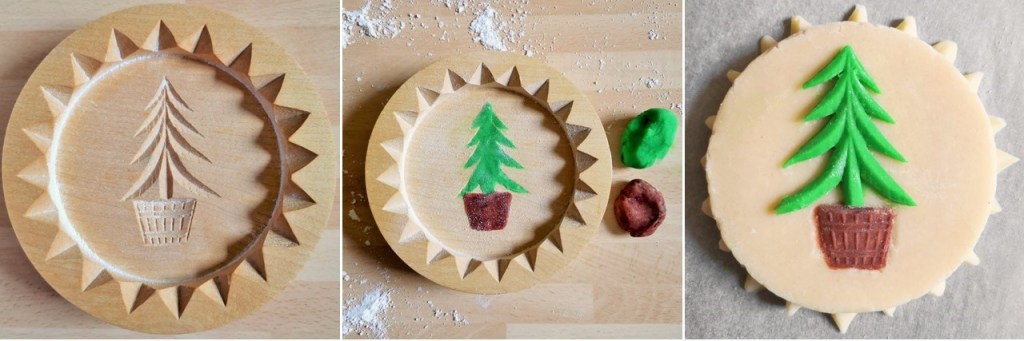
Lining the shortbread mould. Images: Kathryn Hawkins
However you are celebrating the end of this year and the beginning of the next, I send you my best wishes for a happy, healthy and successful year ahead. Thank you for visiting my blog and I hope to see you again in 2023. Happy New Year!
Slow-cooked quince in mulled wine. Image: Kathryn Hawkins
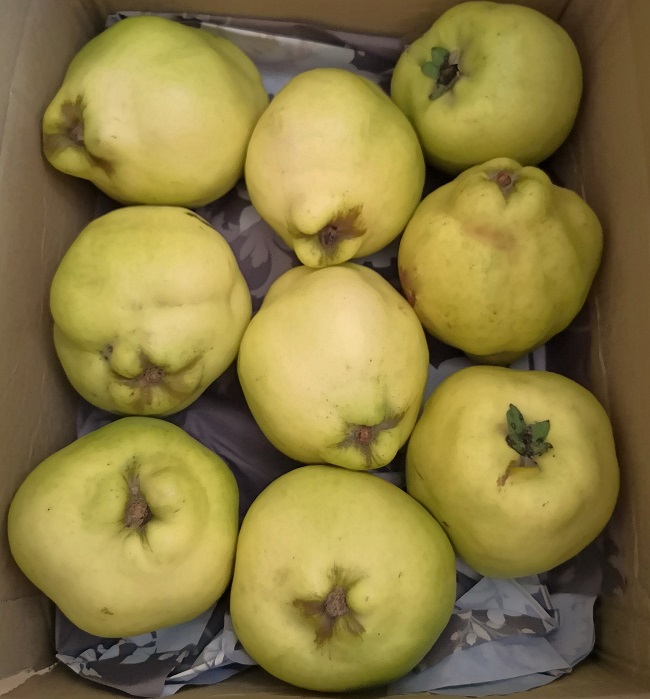
One of the delights of Autumn for me is that it is the season of the quince. In recent years, I haven’t managed to find any but this October I got hold of a box of 9 of the tempting fruit. Like apples and cherries this year, quince trees have also provided a bumper harvest.
Box of quince. Image: Kathryn Hawkins
Back in October the quinces were barely ripe. Very firm, pale yellowy-green in colour with little of their renown aroma. As the weeks passed, the skins turned waxy yellow and the spicy scent increased. Every time I opened the box, I inhaled a waft of their fruity smell. If you haven’t experienced the aroma, it is intensely appley with a hint of sweet aniseed.
Perfectly ripe quince. Images: Kathryn Hawkins
To be honest, I don’t think the flavour of the fruit is that pronounced, more like pear than apple, but the texture makes it very different to other tree fruits. There is a slightly granular, rich texture to the flesh and a much firmer, almost chewy bite. Quince holds up exceptionally well to prolonged cooking, making them a winner for the slow-cooker.
Perfectly cooked quince. Image: Kathryn Hawkins
Raw quince is too hard and dry to enjoy raw; it also discolours very quickly. If you peel and core the fruit and put it in a bowl of lemon juice and water this helps keep the discolouration to a minimum. However, if you want to enjoy the fruit “au natural”, hold back on the lemon and the fruit will take on a rich, rusty red colour as it cooks.
My recipe this week is simple but requires a little bit of preparation to start with. Once it’s all in the slow cooker you can sit back and enjoy the festive fruit and spice smells that are emitted as the quince cooks through. If you can’t get hold of quince, firm pears will work just fine.
Serves: 6
Ingredients
1 unwaxed lemon
1 unwaxed orange
3 large quince (approx. 1.5kg)
500ml fruity red wine
150g caster sugar
1 vanilla pod, split
1 cinnamon stick, broken
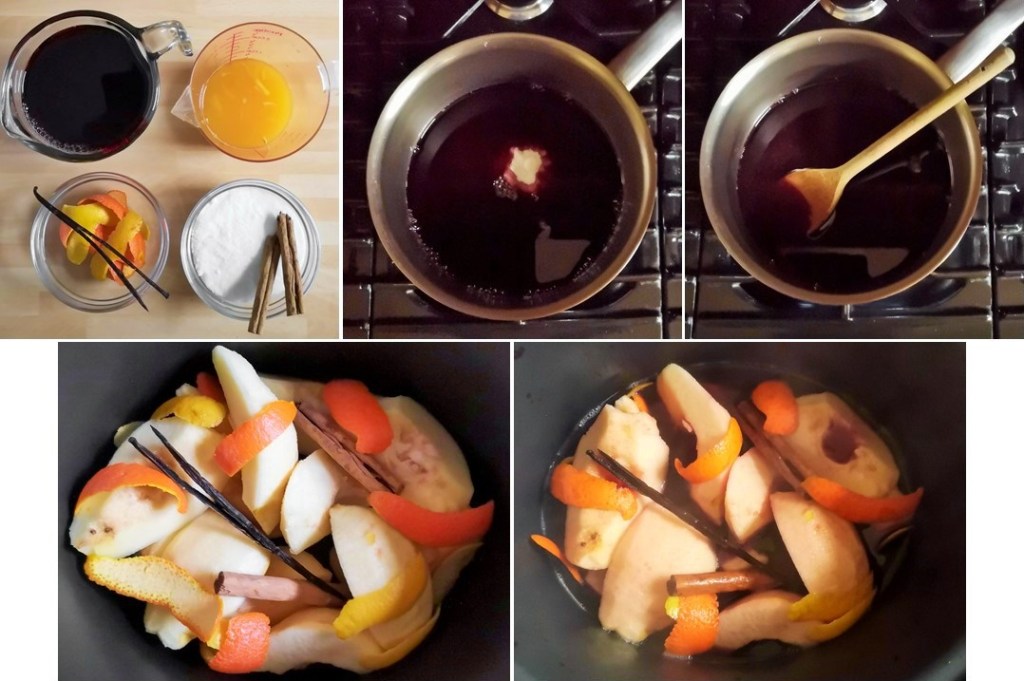
1. Use a vegetable peeler to pare the rind from the lemon and orange. Put 3/4 of the rind to one side for flavouring the wine, and cut the remainder into thin strips for decoration – if you don’t want to do this, you can use all the rind in the mulled wine.
2. Extract the lemon juice and pour into a mixing bowl. Add the empty lemon halves. Fill the bowl with water to to 2/3 full and set aside ready for the quince. Extract the juice from the orange and set aside for the wine.
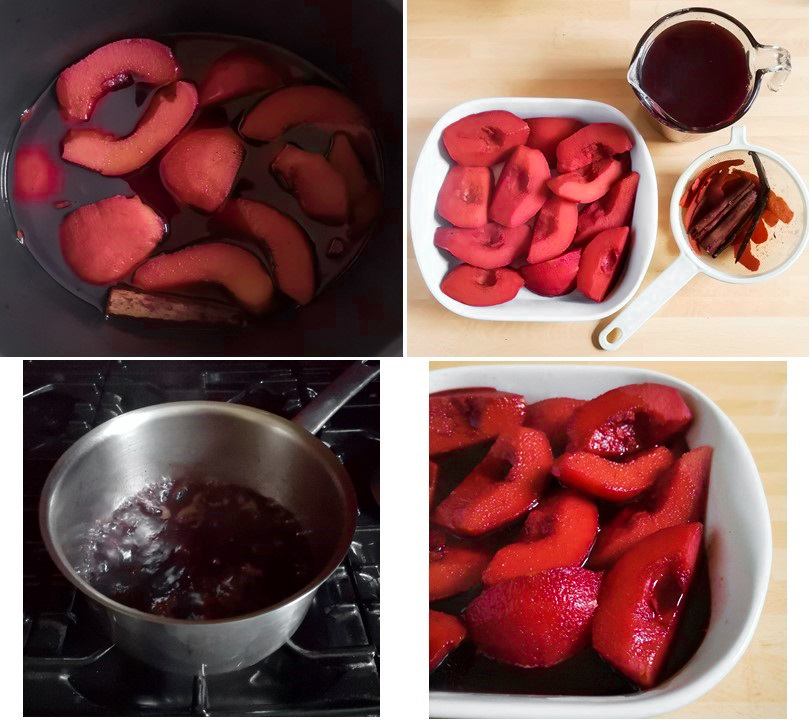
Preparing quince and flavourings. Images: Kathryn Hawkins
3. Peel the quince thinly. Cut into quarters and slice out the core. As soon as you prepare each quarter, push down into the lemony water to help prevent discolouration.
4. Now prepare the mulled wine. Pour the wine and orange juice into a saucepan. Add the sugar and heat gently stirring until the sugar dissolves, then bring to the boil.
Making mulled wine for the slow-cooker. Images: Kathryn Hawkins
5. Drain the quince very well and place in the slow cooker dish. Add the pared rind, vanilla and cinnamon and pour over the hot mulled wine. Cover with the lid, switch the cooker on to High and cook for 3 hours, turning the fruit every hour to ensure even cooking, until the quince is tender.
6. Use a slotted spoon to transfer the quince to a heatproof dish. Cover loosely with foil. Strain the wine into a saucepan, bring to the boil and simmer for 10-12 minutes until reduced by half and slightly syrupy. Pour over the quince, mix gently, and leave to cool completely, then cover and chill until ready to serve.
Reducing mulled wine to syrup. Images: Kathryn Hawkins
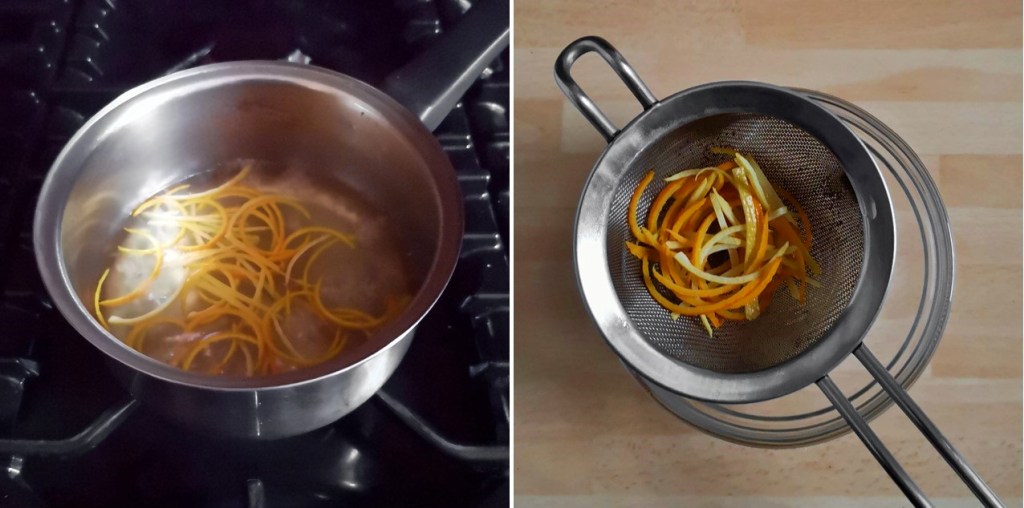
7. While the quince is cooking or cooling, bring a small saucepan of water to the boil and cook the shreds of lemon and orange rind for 2-3 minutes to soften them. Drain well and leave to cool.
Orange and lemon zest decoration. Images: Kathryn Hawkins
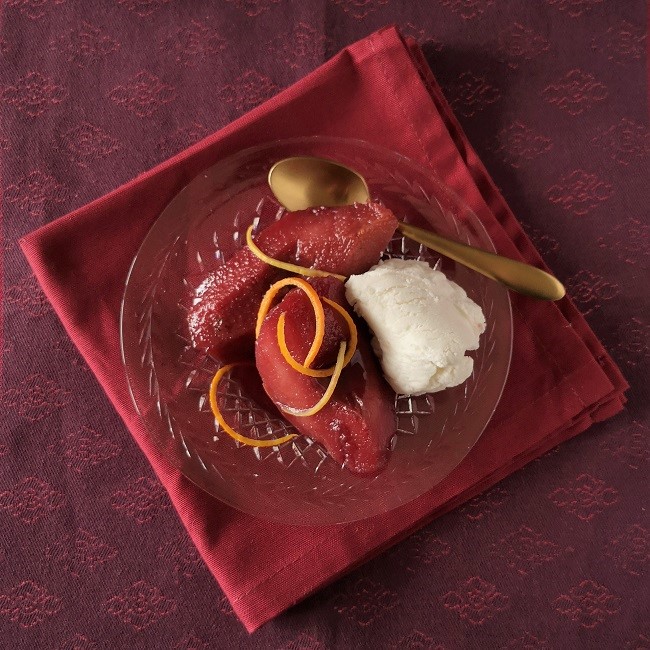
8. To serve, arrange the quince quarters in a serving dish and spoon over a little syrup. Sprinkle with citrus shreds if using and serve the quince with the remaining mulled wine syrup on the side. Delicious accompanied with vegan vanilla ice cream 🙂
Finishing touch, orange and lemon shreds, Image: Kathryn Hawkins
Quince served with vegan vanilla ice cream. Image: Kathryn Hawkins
I hope you have a very happy Christmas and I look forward to posting again for the new year. Seasonal best wishes to you and thank you for your interest in my blog.
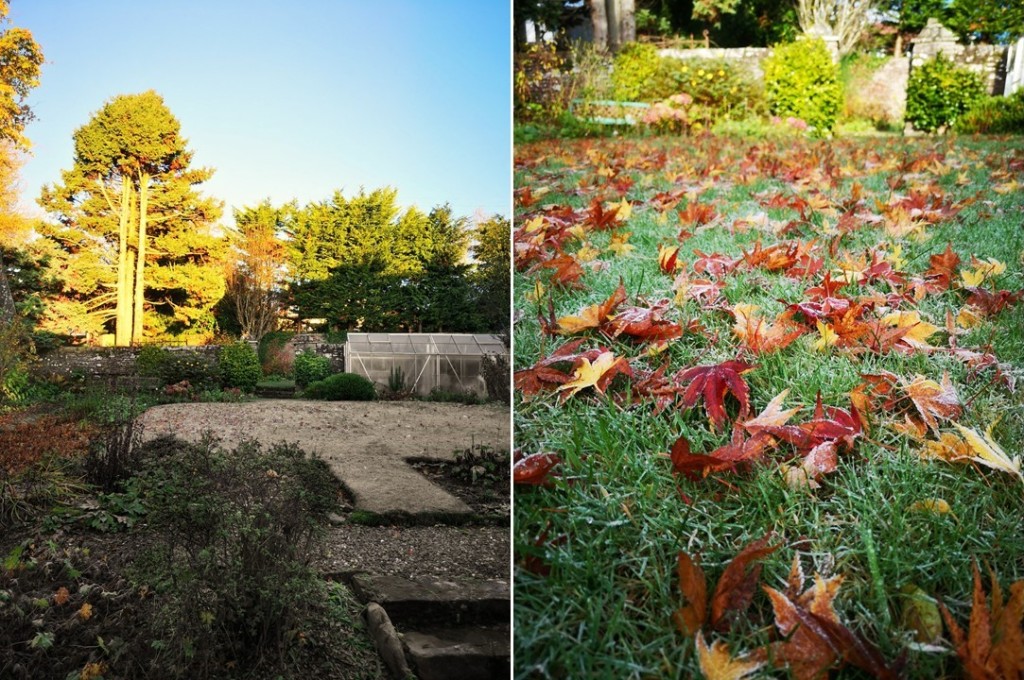
The first ground frost of Autumn 2022. Images: Kathryn Hawkins
As another month draws to a close, it’s been a rather wet and dreary end to the season of Autumn here in central Scotland. Photographically speaking, there have been very few blue-sky days to capture the warm, glowing colours of this time of the year. Nevertheless, I have a few images which I hope convey the natural glory of the month just passing.
Late Autumn, River Earn, Perthshire, Scotland. Images: Kathryn Hawkins
I took these photos a couple of weeks ago whilst out on a walk along the local riverbank. Even though the sky was a dull grey and the waters looked cool and steely, the colours of the leaves still clinging to the trees looked spectacular.
Golden leaf colour. Images: Kathryn Hawkins
Back home in the garden at the same time, the Japanese Maple (Acer) tree was ablaze with glowing yellow leaves. But following a few heavy downpours and some strong winds, the last of the leaves have fallen.
November sun-rise and sun-up. Images: Kathryn Hawkins
Usually, the month of November brings with it glorious sunsets and sunrises, but I have only managed to capture one sunrise, and that was during the last week. You can see the same Maple tree now bereft of leaves in the early morning sunshine.
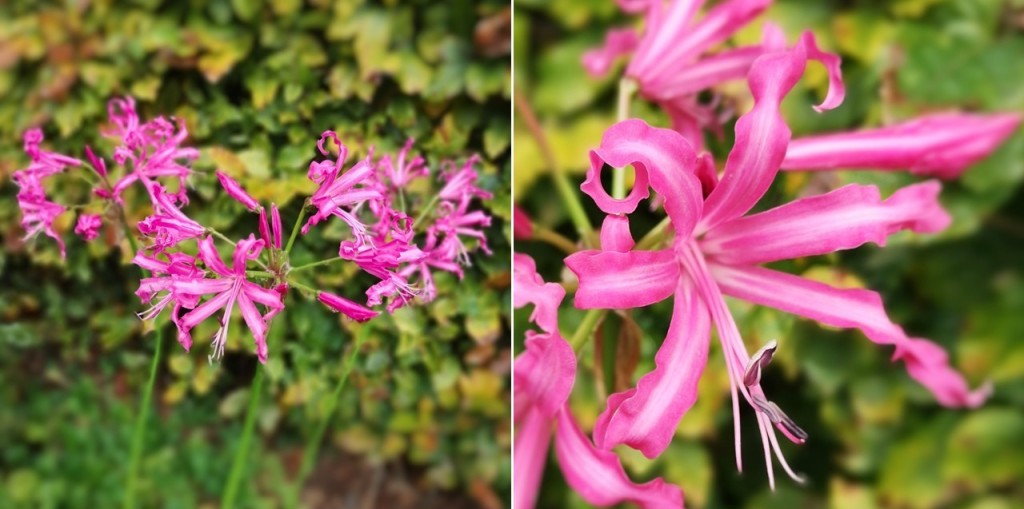
A welcome splash of vibrant pink. Images: Kathryn Hawkins
Throughout the month, these Nerines have been giving a very welcome show of bright pink colour. They look so exotic and fragile but are incredibly hardy. Still going strong is the planter of Bidens and Astors I planted back in June. Such great value. Usually by now the planter is full of bulbs ready for spring but I can’t bring myself to dig these bedding plants up just yet.
Still flowering in the Autumn sunshine. Images: Kathryn Hawkins
And so to a reminder that winter is just around the corner. The holly hedge is abundant with great clusters of berries this year, as is the snowberry bush in the back garden. I hope this isn’t a sign of a particularly cold winter ahead. It’s been a good year for blueberries as well. This late variety is still ripening at a rate of a small handful a week.
Red, white and almost blue, late Autumn berries. Images: Kathryn Hawkins
Thanks for stopping by. Until my next post, take care and keep warm 🙂
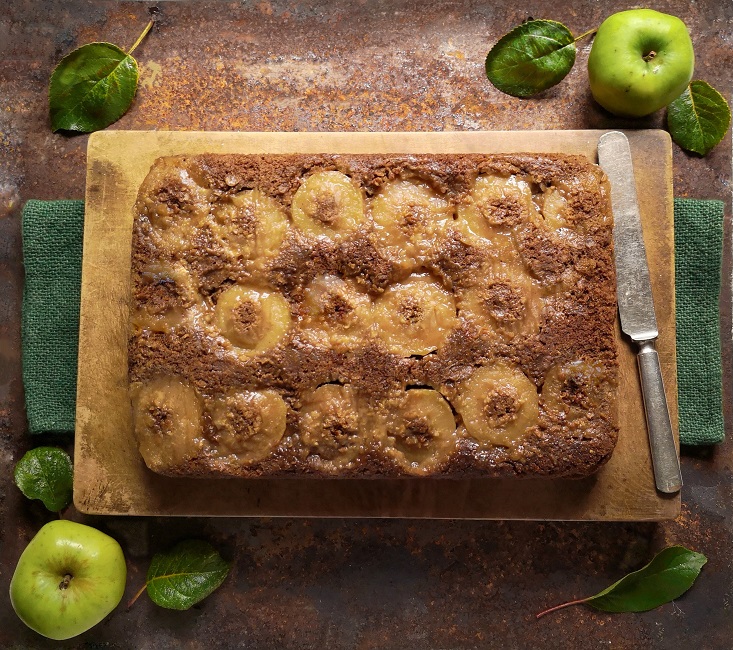
Upside-down ginger apple cake. Image: Kathryn Hawkins
Hello again. We’re well into the season of Autumn now, and it wouldn’t feel complete if I didn’t share an apple recipe with you. It has been a bumper year for apples in the UK. Back at the end of last month, the old apple tree in the garden was groaning with fruit, and on a dry, bright day, it was finally time to relieve the tree of all its fruit.
Lord Derby apple harvest 2022. Images: Kathryn Hawkins
With the very sunny and warm summer we enjoyed here, the apple crop was much sweeter than ever before, so as well as being used in cooking, the apples make good eaters this year. There were far too many for one household to cope with, I am pleased to say that several local families in the town were able to enjoy a bag full this year.
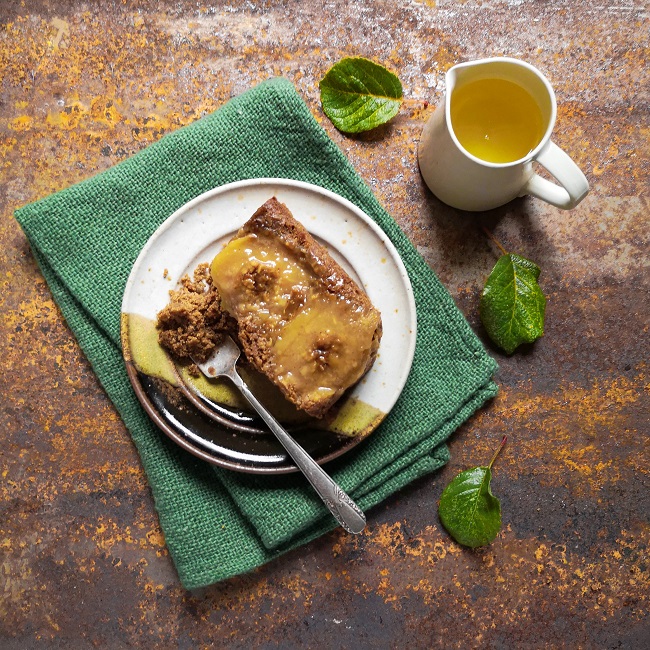
Ginger apple cake with ginger syrup. Images: Kathryn Hawkins
On with the recipe. The main preparation for the recipe is the apples, after that there is only a very simple cake batter to make. I picked out the smaller apples for my tin. If you have larger apples, you may want to slice them into quarters or thick rings rather than simply cutting them in half.
Make the cake the day before you want to serve it because it will benefit from a few hours keeping. The flavour and texture will improve greatly overnight. The recipe makes quite a large cake, but it freezes well so you’ll have plenty for another day. Serve warm as a pudding with custard, or cold as a comforting cake.
Serves: about 10
Ingredients
Finely grated rind and juice 1 lemon
approx. 9 small cooking or eating apples
2tbsp stem ginger syrup (I used the syrup from the jar)
125g plant butter
125g treacle
125g golden or corn syrup
125g light soft brown sugar
250g gluten free plain flour
250g gluten free porridge oats
1tsp bicarbonate of soda
4tsp ground mixed spice
75g chopped stem ginger
175ml oat milk or other plant-based milk
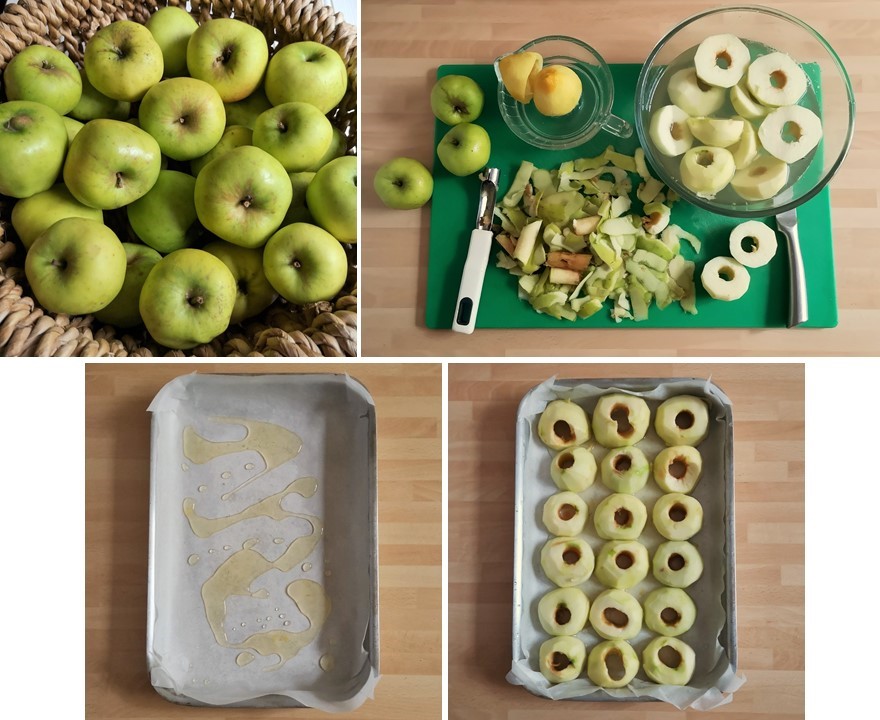
1.Put the lemon rind to one side. Add the juice to a bowl of cold water. Peel and core the apples; cut in half and place in the lemony water to help prevent browning. Leave aside until ready to assemble the cake.
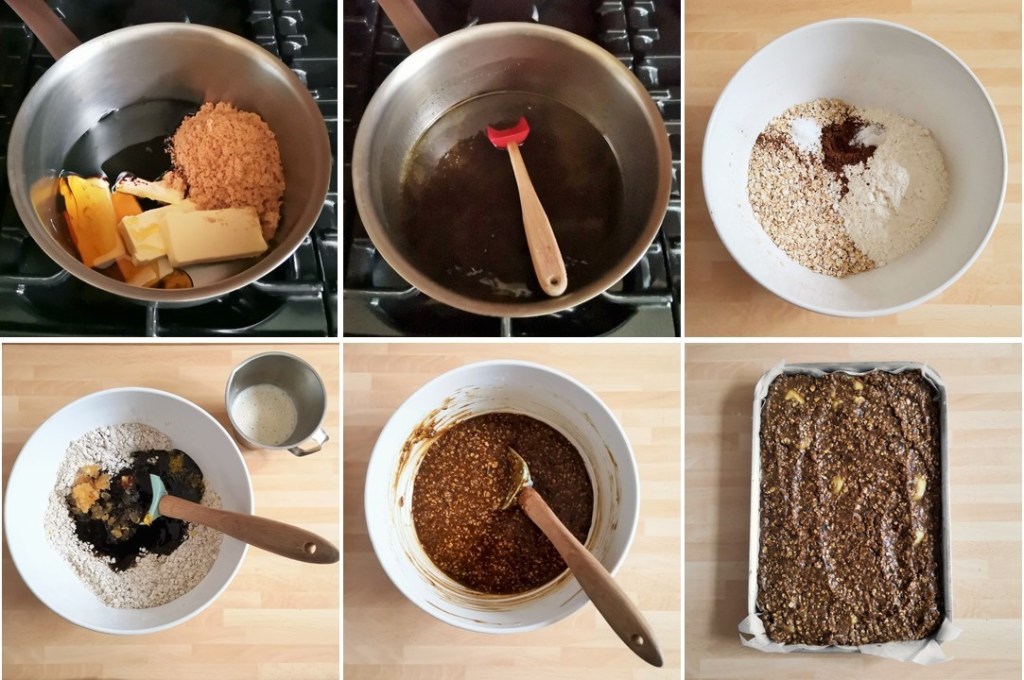
Preparing the apples for cake making. Images: Kathryn Hawkins
2. Put the butter, treacle, golden syrup and sugar in a saucepan, and heat gently to melt. Mix well then leave to cool for 10 minutes.
3. Preheat the oven to 180°C, 160°C fan oven, gas 4. Line a 20 x 30cm tin with baking parchment and drizzle the base with ginger syrup. Drain the apples, pat dry with kitchen paper and arrange over the bottom of the tin – see above.
4. Put the flour, oats, baking soda and spice in a bowl. Mix together and make a well in the centre.
5. Pour in the melted ingredients and add the reserved lemon rind and chopped ginger. Carefully mix everything together along with the milk, then spoon over the apples making sure they are covered.
Making the ginger cake batter. Images: Kathryn Hawkins
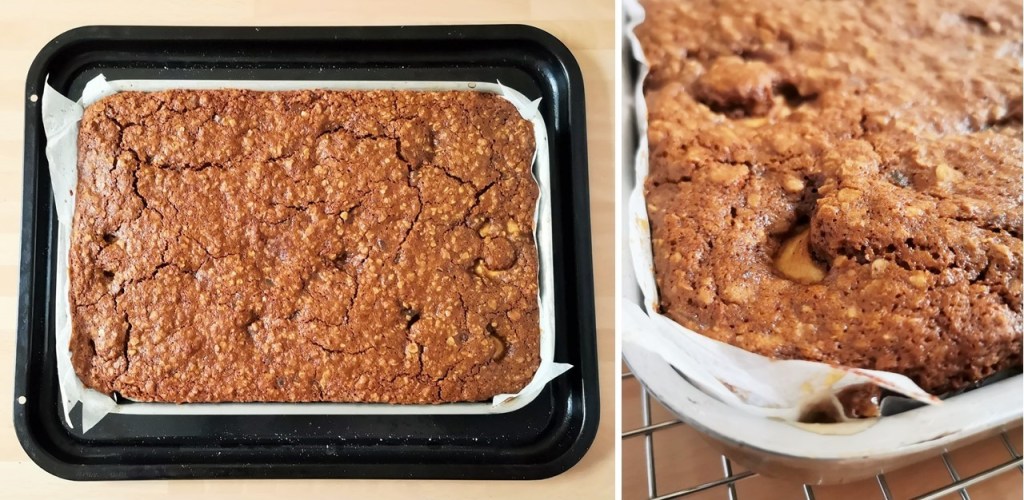
6. Stand the tin on a baking tray and bake for about 50 minutes until firm to the touch. Transfer the tin to a wire rack and leave to cool completely. Turn out on to a large sheet of baking parchment. Wrap carefully and store in an airtight container overnight to allow the flavours to develop.
Just out of the oven. Images: Kathryn Hawkins
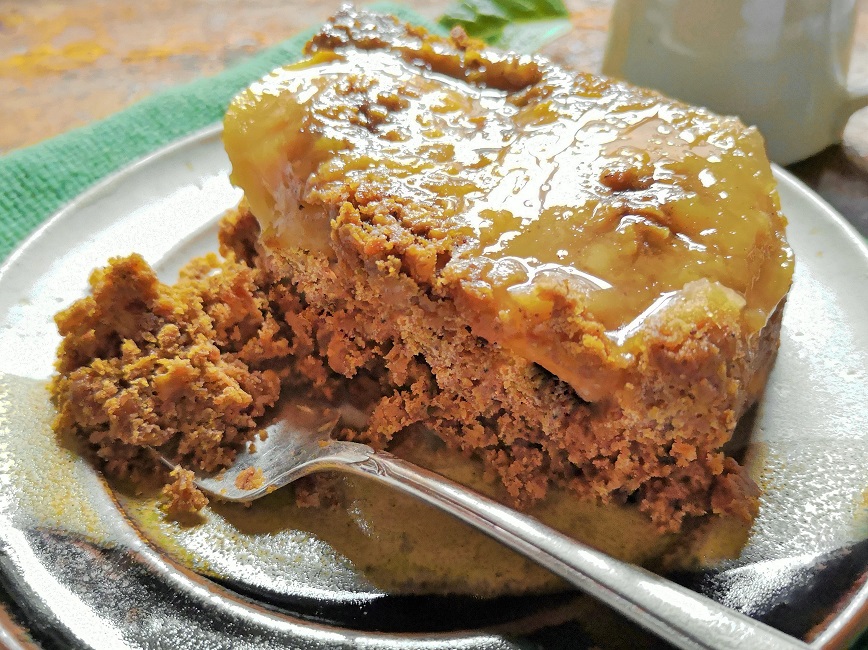
I mixed some of the ginger syrup from the jar of stem ginger with plain carob syrup and drizzled it over the cake to serve.
Up close on ginger apple cake. Image: Kathryn Hawkins
That’s me for another week. Until next time, happy baking 🙂
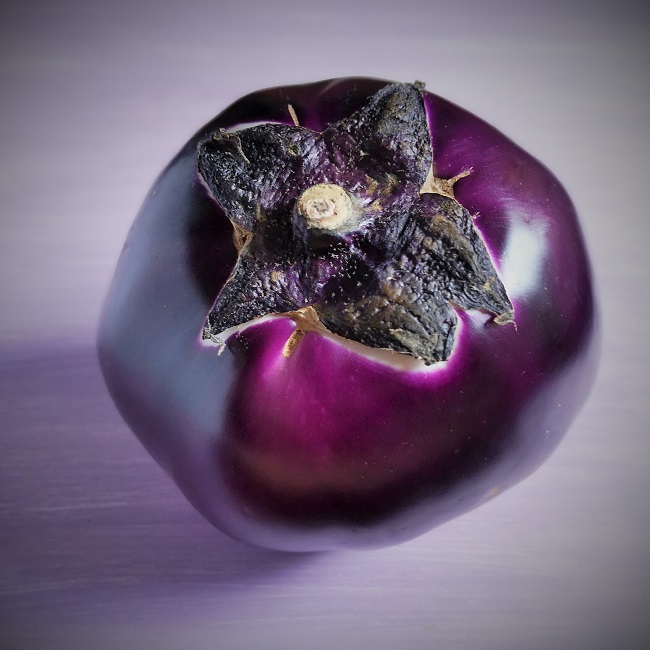
A vision in violet, Italian round aubergine (eggplant). Image: Kathryn Hawkins
My post this week is inspired by this wonderful aubergine (eggplant) I bought recently from an Italian deli. The size of a small football, it weighed in at just over 700g. The variety is Italian round aubergine or Melanzane to give it its authentic Italian name.
Aubergine is one of my favourite vegetables – I love the way it cooks down to a rich, melting tenderness – and my number one recipe for serving it is simply baked in homemade tomato and garlic sauce.
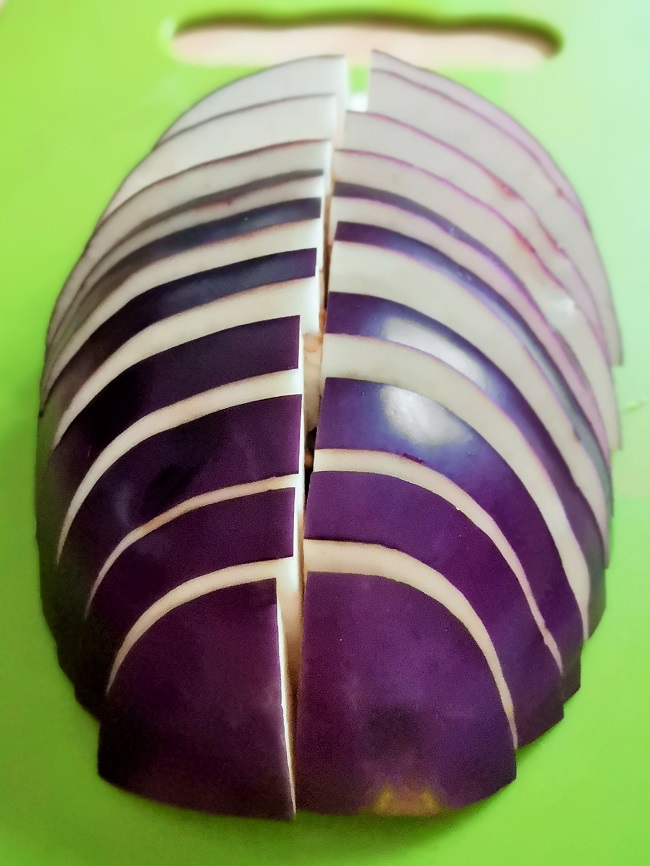
Halved and sliced, Italian round aubergine. Image: Kathryn Hawkins
Round aubergine can be prepared just as you would the standard black variety. I cut it in half and then sliced each half in half again and then into approx. 1cm thick slices. It looks like a giant purple bug don’t you think?
I always salt aubergine as I find it cooks more quickly and also cooks more tenderly. Simply lay the slices in layers in a large colander or strainer, sprinkling with salt as you go, and then leave to stand over a plate or bowl for 30 minutes. After this time, you should see water exuding from the slices. Rinse thoroughly and then pat dry with kitchen paper.
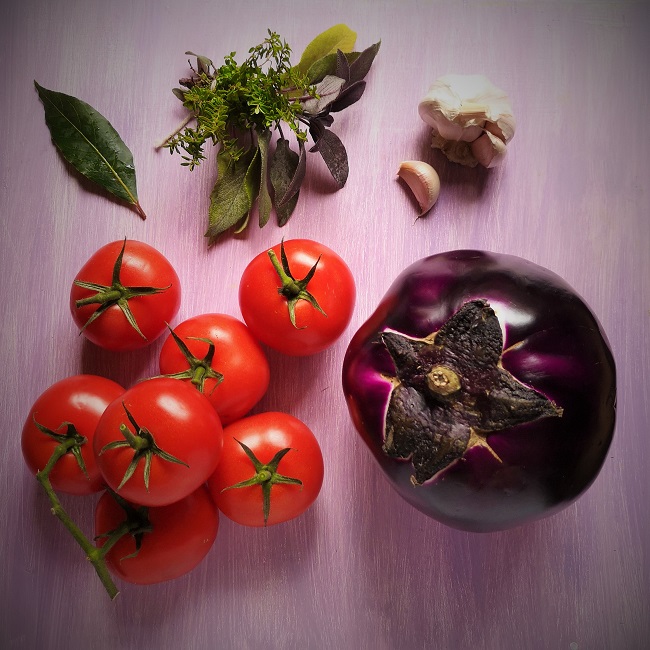
The sauce is made with ripe tomatoes, garlic and a bunch of fresh herbs tied together for flavour. It is seasoned with salt, pepper, and a little sugar and enriched with a dash of olive oil. I have outlined the cooking stages below but for more details, take a look at this previous post for some more illustrations on tomato sauce-making Pesto pancake and tomato layer (gluten-free; dairy-free; vegan)
I topped mine with some grated Parmesan, but a non-dairy alternative works just as well. If you prefer not to use cheese at all, sprinkle the top with gluten-free dried breadcrumbs or polenta, or leave the bake untopped and cover the dish with foil when ready to bake.
Serves: 4
Ingredients
For the sauce:
1.25kg ripe tomatoes, washed and roughly chopped
Large sprig each of fresh thyme and sage
1 bay leaf
2 cloves garlic, peeled
Salt and freshly ground black pepper
1-2tsp caster sugar
2tbsp good quality olive oil
For the aubergine:
750g aubergine, sliced into 1cm thick slices
Salt
Approx. 150ml good quality olive oil
50g freshly grated Parmesan or plant-based alternative, optional – or 3tbsp dry gluten-free breadcrumbs or polenta
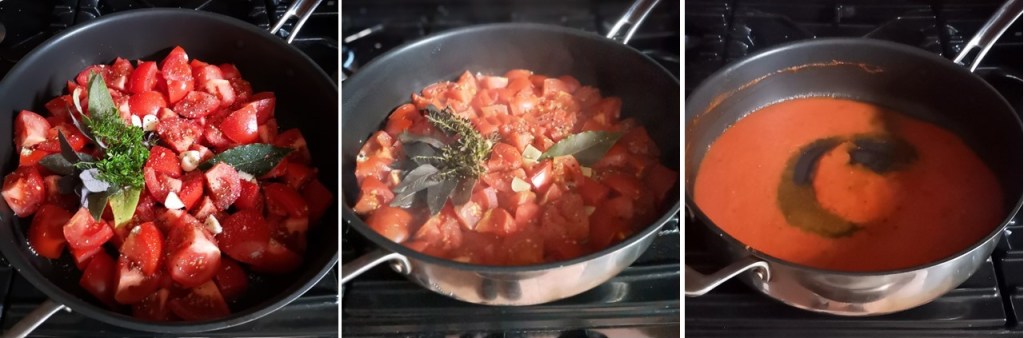
1. Make the sauce first so that it is cold when you assemble the dish. You can make it up a day or two beforehand to save time on the day you want to serve it. Put the tomatoes in a deep frying pan or large saucepan and add the herbs and garlic. Season well. Cover with a lid and cook over a low/medium heat for about 40 minutes until soft and collapsed.
2. Discard the herbs, then push the tomatoes and garlic through a nylon sieve to extract as much tomato pulp as you can. Return the pulp to a clean pan and add sugar to taste; spoon in the oil. Bring to a gentle simmer and cook gently for 30-40 minutes until thickened and reduced – you will need about 450-500ml for this recipe. Leave to cool, then cover and chill until ready to use.
Making tomato, garlic and herb sauce. Images: Kathryn Hawkins
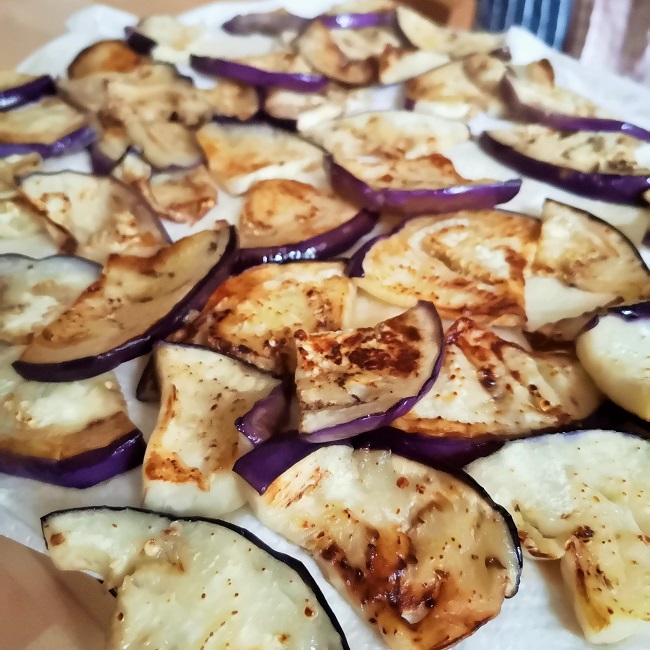
3. For the aubergine, salt them as I described above, then rinse well and pat dry with kitchen paper. Heat 2-3tbsp oil in a large frying pan and fry a few slices at a time for 2-3 minutes on each side, until lightly golden. Drain well on kitchen paper. Repeat using more oil as needed to fry the remaining slices. Leave to cool, then cover and chill until ready to assemble the bake.
Salted and fried aubergine (eggplant) slices. Image: Kathryn Hawkins
4. When ready to cook, preheat the oven to 180°C, 160°C fan oven, gas 4. Spread one third of the sauce over the bottom of a 1.5l baking dish and top with half the aubergine slices. Add half the remaining sauce and top with the remaining aubergine slices.
Layering up the bake. Images: Kathryn Hawkins
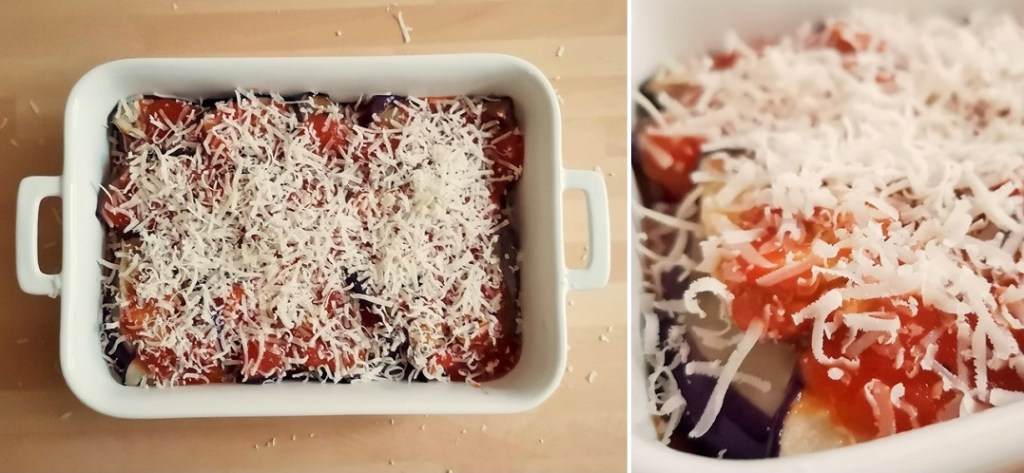
5. Spoon the remaining sauce on top and sprinkle with cheese or crumbs. Stand the dish on a baking tray and bake for about 50 minutes until tender, golden and bubbling.
Sprinkling the bake with dairy or plant-based cheese. Images: Kathryn Hawkins
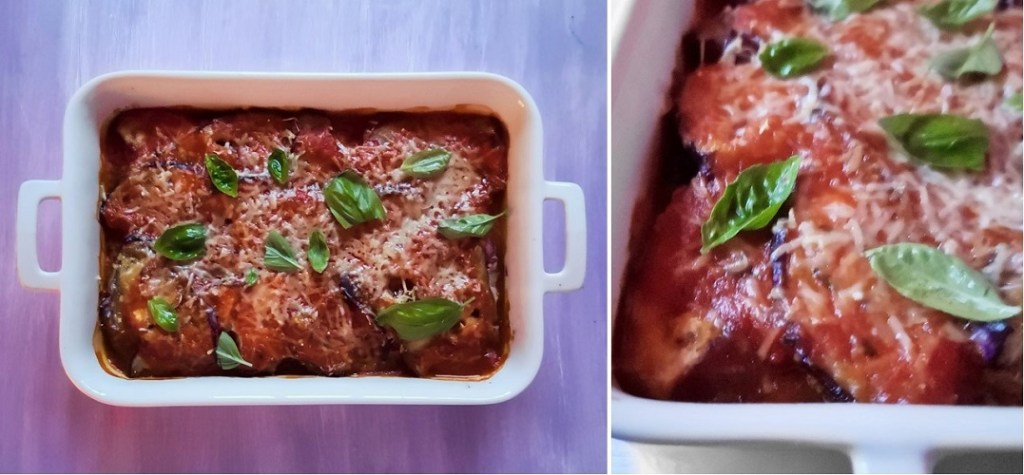
Leave the bake to stand for 10 minutes before serving. I sprinkled the top with the last few leaves of homegrown basil from my greenhouse and accompanied it with a crisp salad and some freshly cooked rice. It was absolutely delicious 🙂
Just out of the oven and sprinkled with fresh basil. Images: Kathryn Hawkins
I hope you have a good few days ahead. We will be into November the next time I post. I know I say this quite a lot but where does the time go? Until then, take care and best wishes to you. Thanks for stopping by 🙂
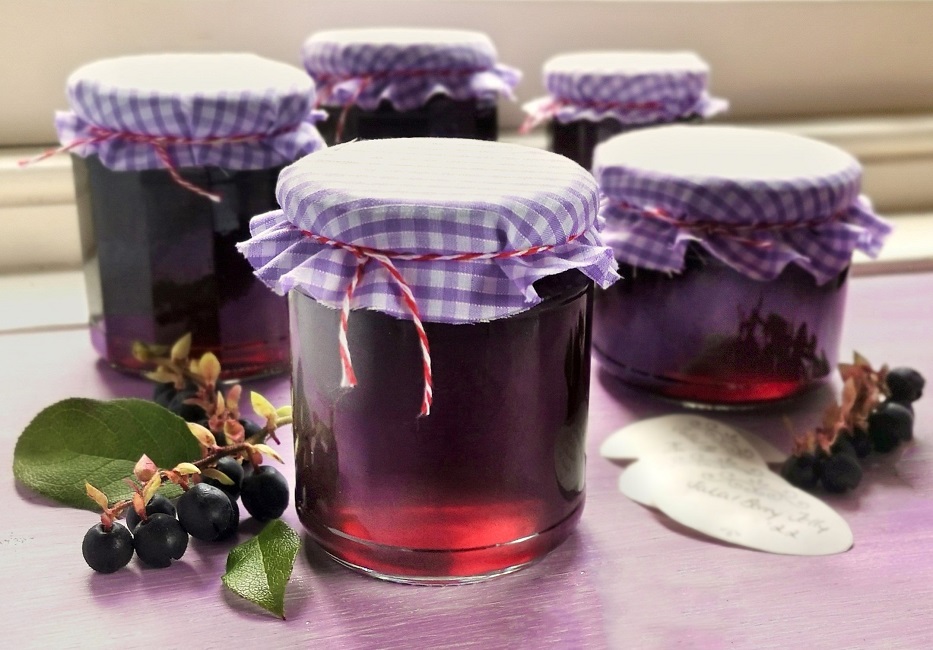
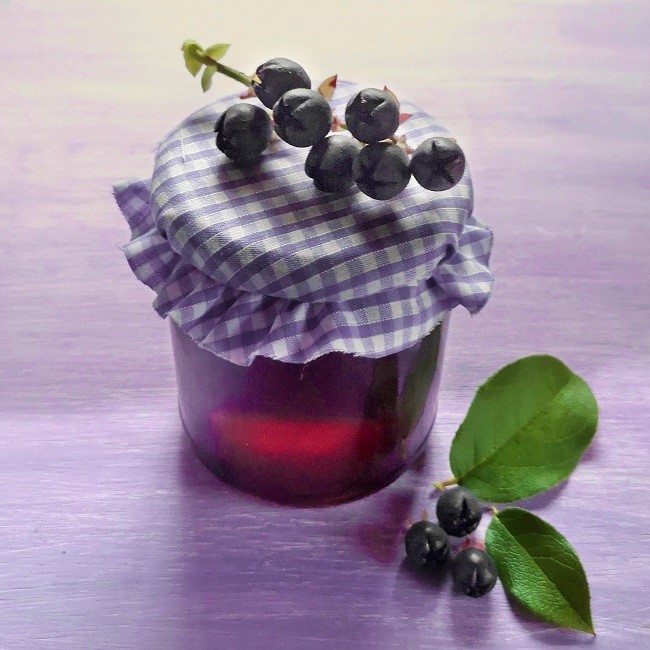
Homemade apple and salal berry jelly. Image: Kathryn Hawkins
Hello there. I hope you are keeping well. It’s that time of year when I get the jam pan out and start making preserves and chutneys for the months ahead.
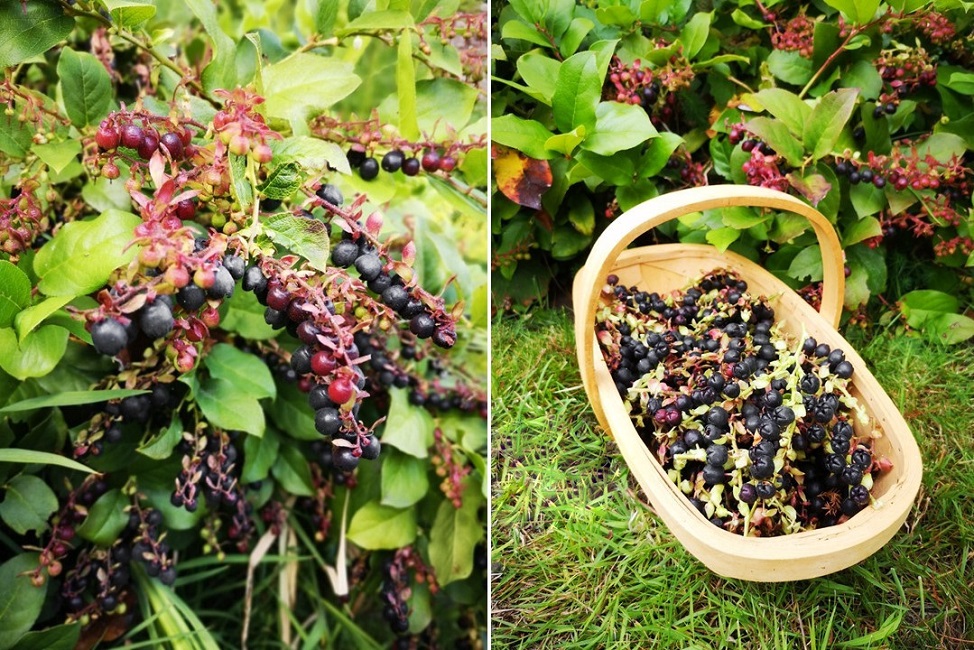
Back in August I harvested a lot of salal berries from the garden. I did compote a few but the rest went in the freezer for making preserves. There are still a few on the bushes now but I am leaving those for the garden birds to enjoy.
August 2022 harvest of Salal berries. Images: Kathryn Hawkins
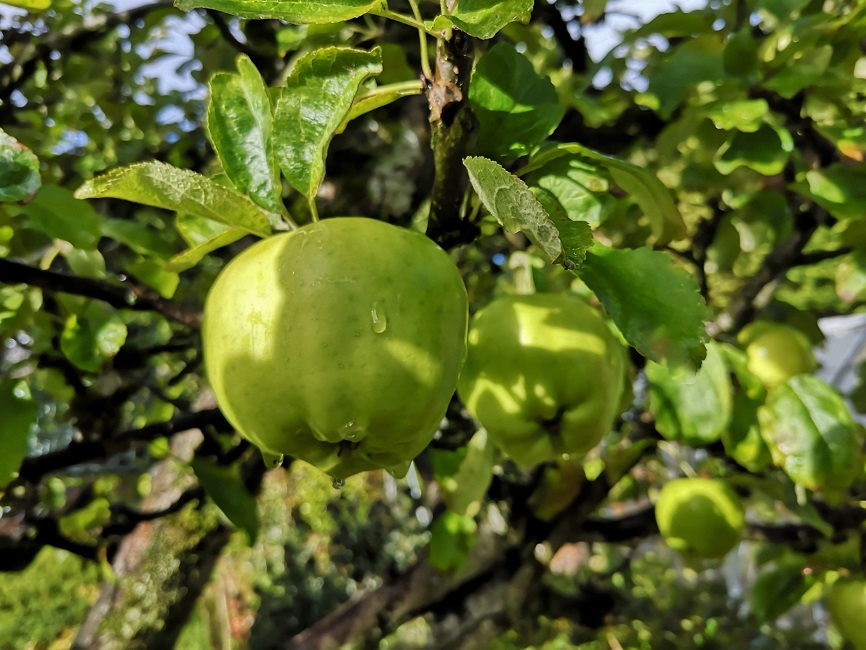
I haven’t picked all the apples yet, but I have been taking one or two as and when I need them for cooking. The old tree in the garden is looking heavy with fruit this year, so I think I will be gathering in the apples very soon.
October 2022, cooking apples ready for picking. Image: Kathryn Hawkins
My recipe is a very simple jelly preserve. If you don’t have salal berries, blueberries or blackberries will work just as well. Salal berries can be quite challenging to pick as they are quite squishy when ripe so I usually pick short branches and then remove the berries when I get back into the kitchen. Have a look at this post from last year for an easy preparation technique Salal berries – jam and muffins (gluten-free; dairy-free; vegan)
Single jar. Image: Kathryn Hawkins
The recipe below makes a small quantity of preserve and as such can be easily doubled or trebled should you have more berries and apples. Making a smaller amount means that you can strain the fruit through a sieve rather than in a jelly bag; it is quicker to strain, and it also cooks down in less time.
Makes: approx. 650g
Ingredients
200g prepared salal berries, washed
400g cooking apples, washed and chopped, but left unpeeled or cored
approx. 450g granulated or preserving sugar
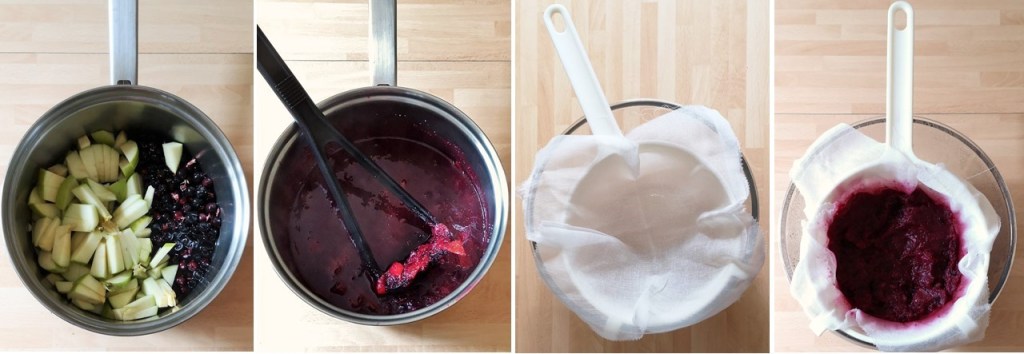
1. Put the fruit in a large saucepan with 350ml water. Bring to the boil, cover and simmer for 10-15 minutes until soft and pulpy. Mash the fruit occasionally to help break it down.
2. Place a large sieve over a jug or bowl and line with clean muslin. Carefully ladle in the pulp and leave to strain for 3-4 hours.
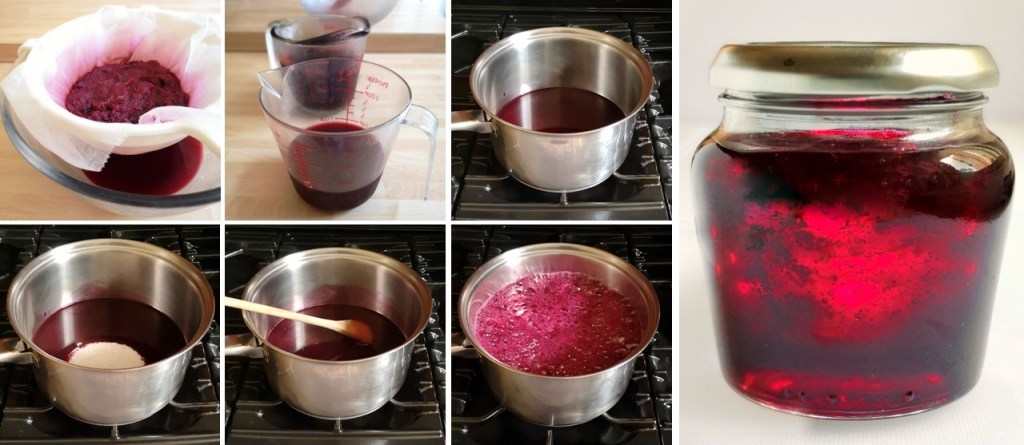
3. Put the pulp back in a saucepan and the harvested juice in the fridge. Re-cook the pulp, this time with 200ml water, for about 5 minutes, and then strain again as above.
Preparing and cooking the fruit for jelly making. Images: Kathryn Hawkins
4. Measure the juice and pour into a large clean saucepan. Add sugar to the ratio of 450g per 600ml juice – I had 575ml juice and added 430g sugar.
5. Heat, stirring, until the sugar is dissolved, then raise the heat and bring to the boil. Cook rapidly until the temperature reaches between 104°C and 105°C – this will probably take around 10 minutes.
Making the jelly. Images: Kathryn Hawkins
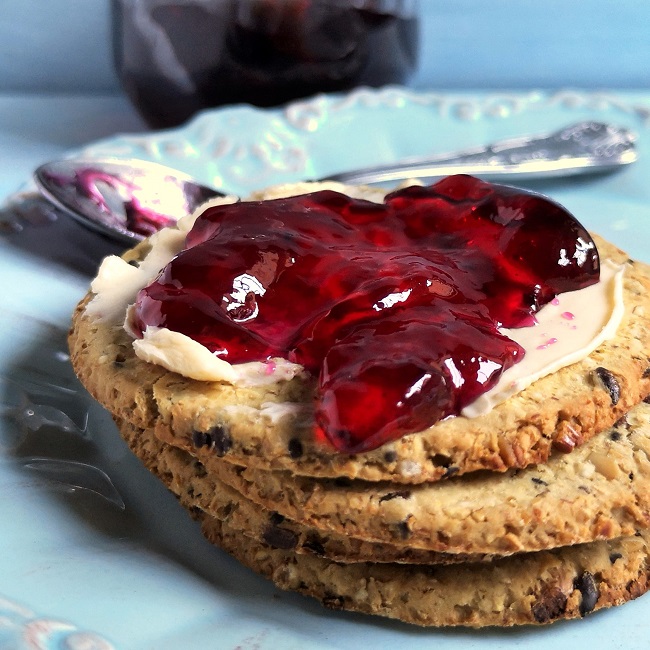
6. Pour into small, clean, sterilised jars and seal immediately. When cold, label and store for 6-12 months, although the jelly is ready to eat immediately. Serve with cold cuts, cheeses or as a sweet spread on toast or crackers.
Apple and salal berry jelly on oatcakes. Image: Kathryn Hawkins
Well that’s the end of my post for this week. I will be back in the kitchen again next time. Until then, I hope you have a good few days ahead 🙂