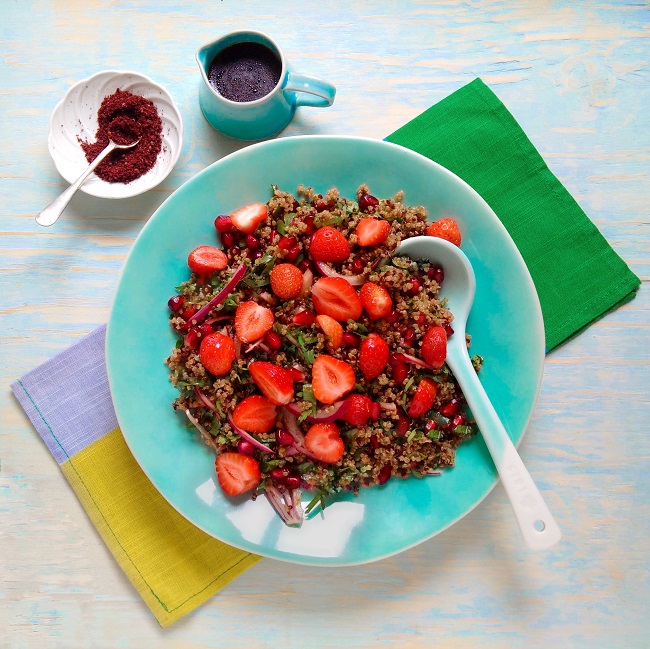
Strawberry, pomegranate and sumac salad (gluten-free; dairy-free; vegan)


Quinoa_with_fresh_strawberries_pomegranate_seeds_and_herbs
Sweet and savoury combination of fruit, grain and herbs. Image: Kathryn Hawkins

I’ve been enjoying home-grown strawberries for a couple of weeks now. They have grown quite small this year, but they are still sweet and tasty. As usual, I never have more than a handful to use at any one time (jam-making is out of the question) and I usually end up eating them on their own. However, following a recent trip to London’s Edgware Road,  where I was able to stock up on a few of my favourite, more exotic, ingredients, I felt inspired to try something different.

Fresh_strawberries_growing_alongside_an_image_of_a_small_basket_of_picked_berries
My micro-harvest of home-grown strawberries. Images: Kathryn Hawkins

Pomegranate molasses make an ideal accompaniment to fresh strawberries. I love the thick texture and semi-sweet flavour. It reminds me of sherbet sweets as it has a light acidic fizz on the tongue. It makes a good ingredient for a salad dressing as it adds fruitiness as well as subtle sweetness and tempers any vinegar you may add. Its thick texture means you can cut down on the amount of oil you use without noticing.

Strawberry_vinegar_olive_oil_pomegranate_molasses_and sumac_powder
Dressing ingredients for my strawberry and pomegranate salad. Image: Kathryn Hawkins

Choose a fruit vinegar or white balsamic to add extra sweetness, and use a mild tasting olive oil or other vegetable oil to help bring out the fruit flavours without dominating the dressing.

One of my other purchases was sumac powder. An astringent, fruity powder made from dried berries. It has a high tannin content and reminds me of rosehips. It is the perfect seasoning for sweet berries. Just sprinkle a little on before serving as you would black pepper. A final note on seasoning, I didn’t add any salt to my salad as I didn’t think it needed any. Everyone’s taste is different, so add a pinch to the dressing or mix some into the quinoa if you prefer a more savoury note.

Fresh_strawberry_and_pomegranate_salad_sprinkled_with_sumac_powder
Strawberry salad sprinkled with sumac powder. Image: Kathryn Hawkins

Serves: 2 as a main course; 4 as a side

Ingredients

  • 250g cooked, cold quinoa
  • 1 small red onion, peeled and thinly sliced
  • Small bunch fresh parsley and coriander, roughly chopped
  • A generous handful of pomegranate seeds

Dressing:

  • 2 tbsp. pomegranate molasses
  • 2 tbsp. fruit vinegar or white balsamic vinegar
  • 2 tbsp. light olive oil

To serve:

  • 150g fresh strawberries, washed and hulled
  • Sumac powder or freshly ground black pepper, to season
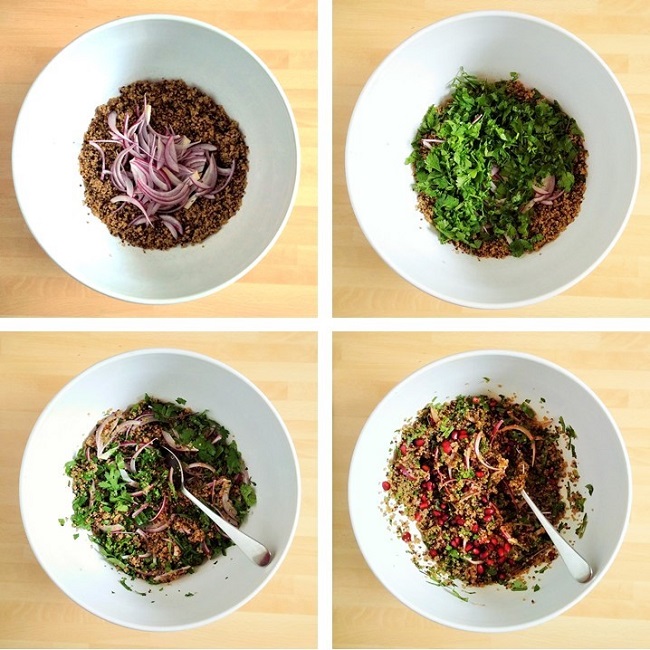
  1. Mix the quinoa, onion, herbs and pomegranate seeds together, then whisk all the dressing ingredients together and toss half into the salad, and pile into a serving dish.
    4_steps_to_salad_making
    Preparing the salad. Images: Kathryn Hawkins
  2. Halve or quarter larger strawberries, leave smaller ones whole, and sprinkle on top of the salad. Season with a little sumac and serve at room temperature for maximum flavour.
    Fully_ripe_home-grown_strawberry
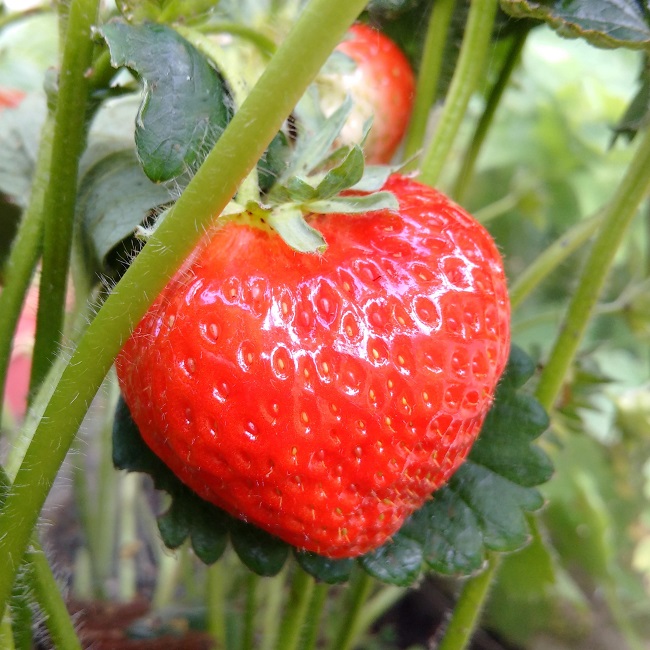
    Perfect little strawberry. Image: Kathryn Hawkins
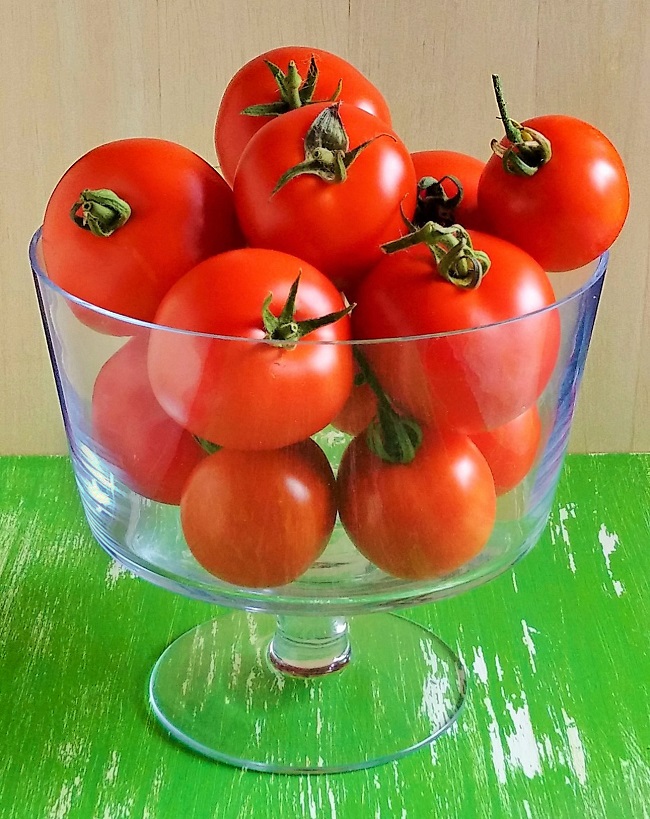
 

Home-grown tomatoes – recipe for fresh tomato sauce, a salsa, plus other serving suggestions (gluten-free, dairy-free, vegan)

Bowl_of_freshly_picked_tomatoes
Freshly picked tomatoes. Image: Kathryn Hawkins

With the fine, warm spring weather we had this year, my tomato plants have done very well. The fruit started to ripen earlier than usual, and I have been picking a steady supply tomatoes since the end of July. By this time of the year, I’m usually left with a greenhouse filled with hard, green fruit, wondering how on earth they are all going to ripen as the days shorten and the weather turns.

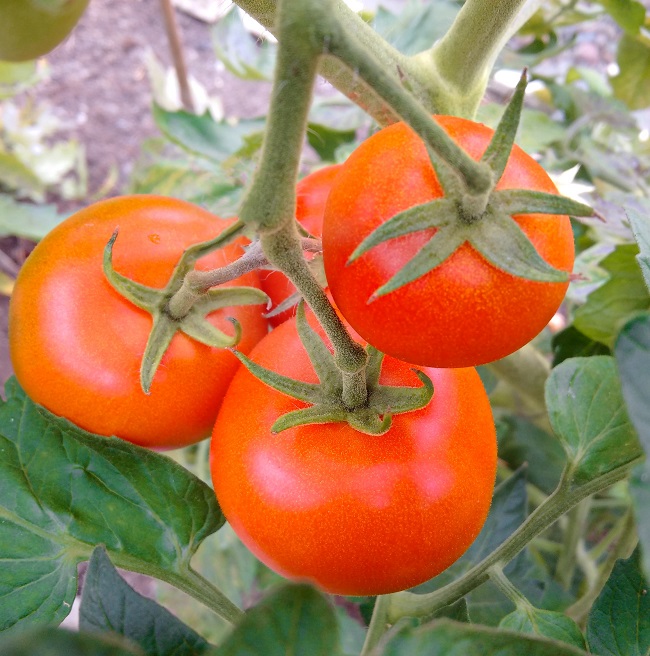
Growing_on_the_vine_home-grown_tomatoes
Ripe and ready to pick. Image: Kathryn Hawkins

Of all the fruit and vegetables you can grow yourself, the tomato has to be in my top 5 as having the most marked difference in flavour compared to most commercially grown varieties, and it is one that I never tire of; I would happily consume a plateful every day if given the opportunity.

To preserve the flavour, avoid putting tomatoes in the fridge as this seems to destroy a lot of the taste – the unique fragrance also seems to disappear. I try to pick only what I need for eating or cooking that day, but if there are a lot that are ripe, I store them in a cool place in the kitchen and use within a couple of days.

Last month I made a batch of my favourite tomato preserve: Smoky Tomato Jam (gluten-free, dairy-free, vegan) and semi-dried a batch which I have preserved in olive oil – Preserving the Summer (Semi-cuit tomatoes – gluten-free, dairy-free, vegan) If preserving isn’t your thing, and you have too many ripe tomatoes to eat, you can freeze them whole in bags for use in sauces and soups later on. Making a batch of tomato sauce is a good way to use them up too, and it also freezes well. Homemade tomato sauce makes a deliciously intense flavoured base for soups and pasta dishes, or as a tasty pouring sauce for meat, fish and vegetables.

Jug_of_homemade_tomato_sauce
Homemade tomato sauce. Image: Kathryn Hawkins

To make about 450ml fresh tomato sauce: simply wash and pat dry 1 kg tomatoes; cut in half and place in a large lidded frying pan or saucepan. Try and keep them in a single layer if possible, for even cooking. Season lightly with salt and pepper and add a bunch of fresh herbs – I use rosemary, thyme, oregano and a bay leaf. Place over a low heat until beginning to steam, then cover with a lid and continue to cook very gently for about 40 minutes to 1 hour, depending on the size of the tomatoes, until soft and collapsed. Cool for 10 minutes, then discard the herbs and push the tomatoes through a nylon sieve to make a pulpy juice.

Before_and_after_cooking_tomatoes_for_sauce
Preparing tomato sauce. Image: Kathryn Hawkins

Pour into a clean saucepan, add 25g butter or vegan margarine, 1 tbsp. good quality olive oil, and 1 tsp caster sugar. Taste and add more seasoning if necessary. Heat gently until the butter or margarine melts, then raise the heat and simmer steadily for about 20 minutes, stirring occasionally, until thickened, but still thin enough to pour. Use as per recipe or allow to cool completely, then cover and store in the fridge for up to 3 days. Freeze in sealable containers for up to 6 months. Note: you can add garlic to the tomatoes before cooking – peeled, whole cloves work fine and will cook into a pulp with the tomatoes. I prefer to keep the sauce plain and add my garlic when I use the sauce in a recipe.

Saucepan_of_tomato_sauce
Homemade tomato sauce, ready to serve. Image: Kathryn Hawkins

Here are a few other ideas for serving up fresh tomatoes:

  • Dress a plate of sliced fresh tomatoes by simply seasoning with a light dusting of white sugar, a little salt, freshly ground pepper and a few toasted and crushed cumin seeds.
  • For a quick “chutney”, gently fry 2 finely sliced red onions with a crushed clove of garlic in olive oil. Add a pinch or 2 of chilli flakes and cook until very soft. Add 225g chopped fresh tomatoes, 2 tbsp. balsamic vinegar and 2 tbsp. caster sugar. Season and cook gently, stirring occasionally, until thick. Leave to cool, then store in the fridge for up to a week. Lovely with barbecued meat, vegetables and as an accompaniment to cheeses.
  • Roughly chop a few ripe tomatoes. Blitz in a blender; push through a nylon sieve into a jug. Season with Tabasco sauce and/or Worcestershire sauce. Put ice in a tumbler, add a slug of vodka and pour over the seasoned juice.
  • Bake halves of tomato, side by side in a shallow dish, in a moderate oven with a topping of fresh breadcrumbs, capers, slivers of garlic and a drizzle of olive oil, until tender. Serve scattered with lots of freshly chopped parsley.
  • Small pieces of sweet tomato make and interesting addition to a citrusy fruit salad. Pour over a plain sugar syrup and scatter with chopped, fresh mint to serve.
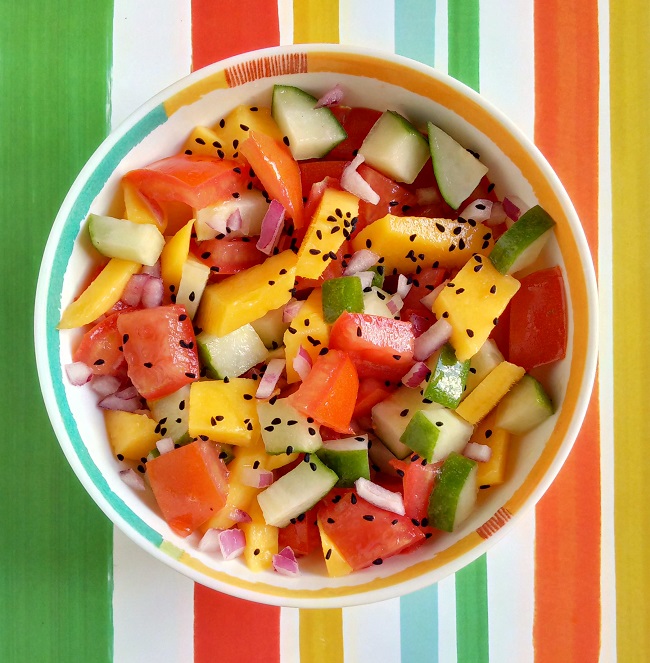
  • For a delicious salsa to go with Indian food: combine chopped tomatoes, cucumber, and fresh mango with a little finely chopped red onion. Sprinkle with black onion seeds and toss in a little white balsamic vinegar. Serve at room temperature for the best flavour.
Bowl_of_fresh_tomato_cucumber_and_mango_salsa
Tomato and mango salsa Image: Kathryn Hawkins


Victoria plums, baked with fresh bay and red wine (gluten-free, dairy-free, vegan)

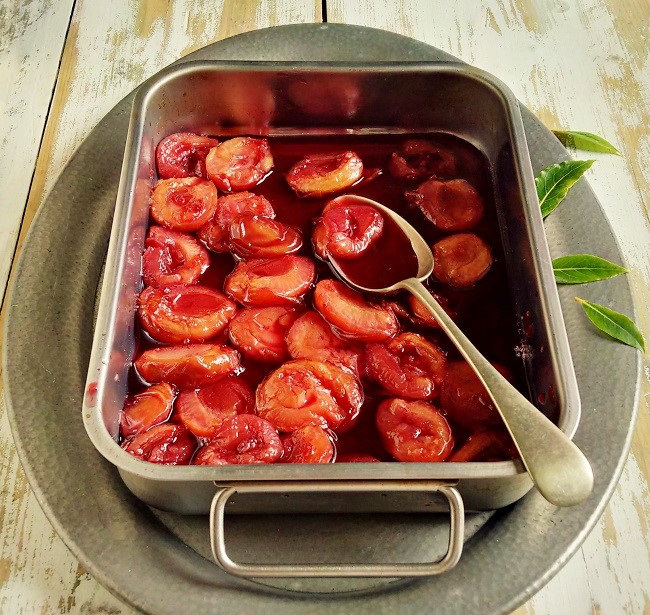
Baked_plums_in_red_wine_flavoured_with_bay_leaves
Freshly baked home-grown Victoria plums in red wine, scented with fresh bay.               Image: Kathryn Hawkins
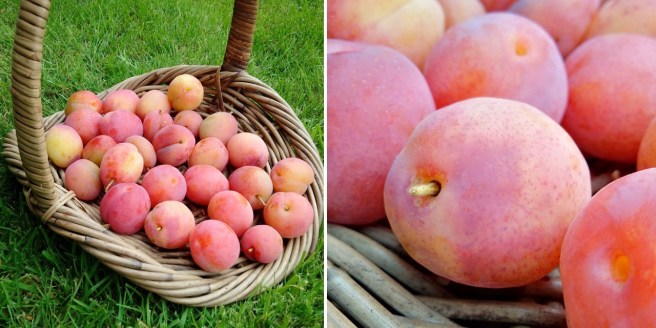
My first harvest of plums in the year marks the end of summer in my mind. There is, of course, something to celebrate in having such lovely fruit to pick, and yet, I feel a bit sad that autumn is approaching. I managed to get a head-start on the wasps this year, picking about 1kg of unblemished fruit. There are plums a plenty yet to ripen,  so I need to work on my timing over the next few days and harvest them before the wee sugar-seeking beasties move in.

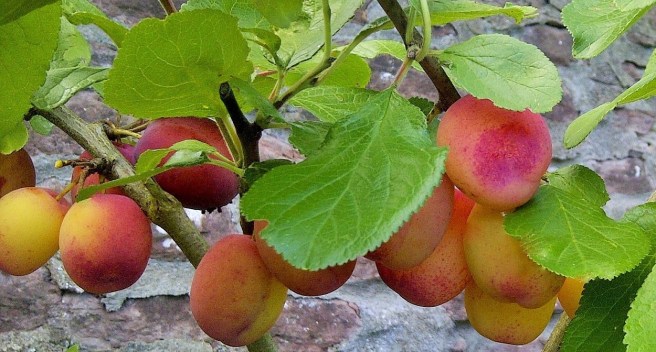
On_the_bough_homegrown_Victoria_plums
Ripe and ready to pick, home-grown Victoria plums. Image: Kathryn Hawkins
Freshly_picked_basket_of_Victoria_plums
My first plum harvest of the year. Images: Kathryn Hawkins

My plum cookery isn’t very adventurous or fancy. I usually make jam or a plum sauce. Sometimes I make a compote. Baking them in wine is another very simple way I enjoy the rich, distinctive flavour of this particular fruit. Fresh bay-scented orchard fruit is something I tasted for the first time in Cyprus. The familiar glossy-leaved herb has become a flavour I use a lot in my kitchen, both in sweet and savoury cooking, and now that I have a bay tree in the garden, I use the herb all the more. Fresh bay gives a refreshing, herbal taste to fruit. You can use dry leaves, but as the flavour is much more intense than the fresh, you may want to experiment by reducing the quantity of leaves by at least half. If you don’t have any wine, or prefer not to use it, cranberry juice makes a good alternative in this recipe. If you don’t have plums, the recipe works equally well with apricots, peaches or nectarines. The baked fruit also freezes well too.

Serves: 6

Ingredients

  • 750g fresh Victoria plums
  • 60g Demerara sugar
  • 4 fresh bay leaves
  • 300ml fruity red wine or unsweetened cranberry juice
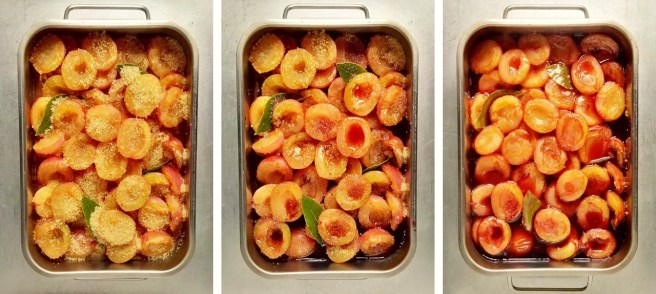
  1. Preheat the oven to 180°C (160°C fan oven, gas 4). Wash and pat dry the plums. Cut in half and remove the stones. Arrange the halves neatly, cut side up, preferably in a single layer, in a baking dish or tin.
  2. Sprinkle with sugar and push in the bay leaves, then pour over the wine or juice. Bake for 30-40 minutes, basting every 10 minutes, until tender.

    Baked_plum_preparation
    Baked plums with bay and red wine preparation. Images: Kathryn Hawkins
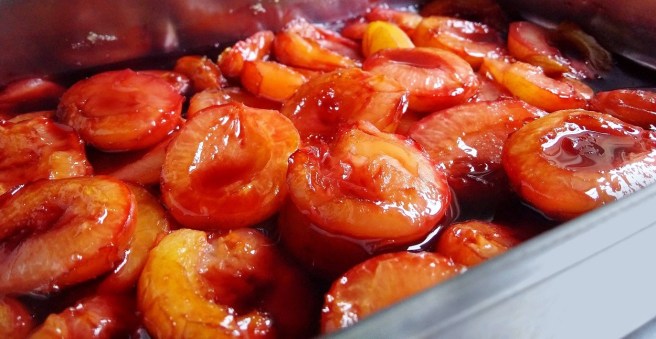
  3. Discard the bay leaves. Carefully strain off the cooking juices into a saucepan . Bring to the boil and boil rapidly for about 5 minutes until reduced and syrupy. Pour over the fruit and leave to cool. Cover and chill for 2 hours before serving. Best served at room temperature for maximum flavour. Delicious accompanied with coconut yogurt or rice pudding.
    Baked_plums_glazed_with_bay_and_red_wine_syrup
    Glazed plums cooling in the tin. Image: Kathryn Hawkins

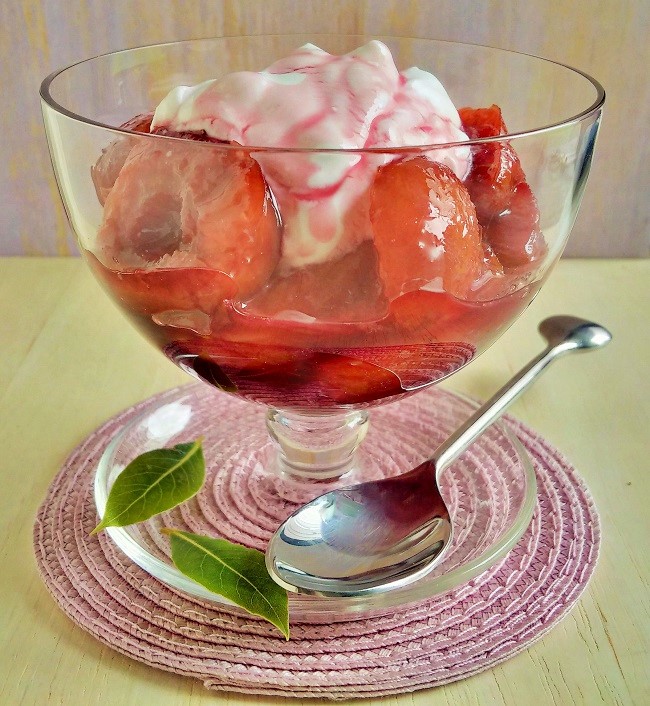
    Serving_of_bay_scented_plums_with_coconut_yogurt
    Baked plums served with coconut yogurt. Image: Kathryn Hawkins
 

Homegrown strawberries – tips and recipe ideas

Growing_and_harvested_homegrown_strawberries
Homegrown Scottish strawberries Images: Kathryn Hawkins

It feels like summer is here now that my strawberries are ripening. The aroma of sweet berries fills the air every time I open the greenhouse door. I have been growing strawberries in my unheated greenhouse for several years. The soil is free draining and the plants have plenty of room to spread.  Apart from an occasional feed, and plenty of water, I leave them alone to get on with the business of berry production.

Strawberries are best eaten fresh. They don’t freeze well as a fruit by themselves, but you can purée them and then serve as a sauce. The fresh purée makes excellent ice cream and sorbet too. I sometimes pop a few in with a fruit compote with other berries, but on the whole, I don’t cook them other than to make jam.

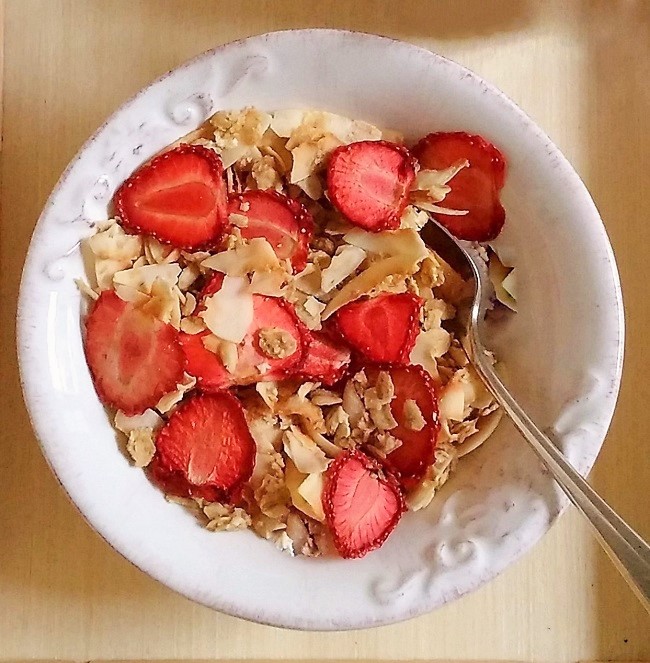
One of the best ways I’ve found to preserve them, is to dry slices in a dehydrator; this way you can enjoy them once the season is over. The perfume of drying strawberries is divine. If you have a dehydrator, slice the berries and brush them with a little lemon juice to help preserve the colour. 500g prepared strawberries, spread over 3 tiers in a dehydrator, will take between 3 ½ to 4 ½ hours at 70°C/158F. This amount yields about 65g. Sealed completely in an air-tight jar, and stored in a dark, dry cupboard, they will keep for several months. The dried slices add a splash of colour and a fragrant, fruity flavour to any bowl of cereal – especially good with Coconut granola (gluten-free, dairy-free, vegan) – and they make a pretty, natural cake decoration too.

Sliced_strawberriesready_for_drying_and_dried_strawberry_slices
Drying fresh strawberry slices. Images: Kathryn Hawkins
Bowl_of_granola_with_dried_strawberry_slices
Granola with home-dried strawberry slices. Image: Kathryn Hawkins

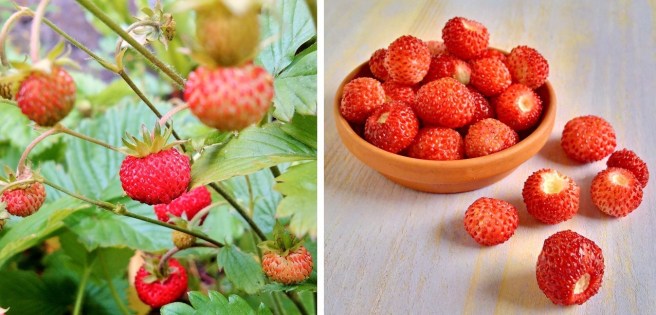
All round the garden borders, the wild strawberries are also beginning to turn colour. Whilst they are much more time-consuming to pick, they have a more perfumed flavour and make a lovely addition to a fruit salad. Leave them to ripen fully for the sweetest flavour, and eat them as soon after picking as possible – they really don’t keep well. I have a battle with the birds every year to get to them before they do! The plants are prolific spreaders, but give good ground cover and make a pretty display when in flower.

Growing_wild_small_alpine_strawberries
Alpine strawberries. Images: Kathryn Hawkins

Strawberry serving suggestions

  • Fresh strawberries go well with smoked salmon, Parma or Serrano ham, and peppery leaves like rocket or watercress. They are also delicious with slices of ripe avocado.
  • Spread almond nut butter over warm toasted bread and top with lightly mashed strawberries and a little sugar for an indulgent toast topper.
  • Add finely chopped tarragon, lavender syrup, rosewater or passion fruit juice to a bowl of strawberries to enhance the floral flavour of the fresh berries.
  • For very sweet strawberries, halve and sprinkle with fruit or balsamic vinegar and freshly ground black pepper. Serve with goat’s cheese as a starter with salad ingredients.

    Fresh_strawberries_with_goat's_cheese_and_salad
    Strawberry and goat’s cheese salad with sweet berry vinegar. Image: Kathryn Hawkins
  • If you have sufficient wild strawberries, fold them into whipped cream with a little dessert wine and strawberry jam for a topping or filling for meringues.
  • For a special fruit salad, mix halved strawberries with chopped mint and sugar, then toss in some lime juice, dry white wine or crème de cassis.
  • Mash strawberries with vanilla sugar and fold into soft cheese to spread over pancakes.
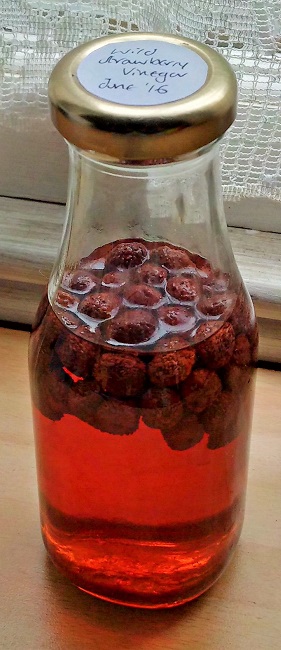
  • Pop a handful of wild strawberries into white balsamic vinegar to make a sweetly scented berry dressing for fruit or leaf salads later on in the year.


Wild_strawberry_vinegar
Last year’s wild strawberry vinegar. Image: Kathryn Hawkins
 

Rhubarb ruminations and recipe ideas

Homegrown_forced_spring_rhubarb
Spring rhubarb. Image: Kathryn Hawkins
At last, my forced rhubarb was ready to pick this week! Now I feel the season of Spring has begun. Long before all other fruits in the garden are even formed,  forced rhubarb gives us a flavour of all the sweet delights yet to come.

To me, rhubarb is associated with fond memories of my childhood. My grandparents used to grow “forests” of the thick, leafy stems in the summer – no summer holiday was complete without one of Grannie’s rhubarb crumbles.

If you fancy having a go at growing your own, now is the best time of year to buy yourself a  rhubarb plant (or “crown”) and get it in the ground ready for next year.

Forced_rhubarb_ready_for_picking
My first rhubarb harvest of 2017. Image: Kathryn Hawkins
Rhubarb grows best in an open site, ideally in the sun, but it will grow anywhere. It likes a good mulching and needs plenty of soil depth as the roots, once established, run deep. Give it a good feed once in a while and it will do well. It is very easy to grow and a single plant will provide a good yield for a small family. Rhubarb is really a vegetable, but most of us regard it as a fruit because we serve it mostly for pudding. Only the stalks are edible – the leaves are high in oxalic acid and are, subsequently, very toxic.

Hold yourself back and avoid picking any stems in the first year of planting a new crown. In the second year, pull a few stems, leaving about half of the plant untouched. Once a plant is established – after 3 years – you can pick as many stems as you want. A rhubarb plant can be “forced” at this age, ready for an early crop in spring. You can buy special rhubarb forcers – very tall, slim, terracotta pots – which go over the crown in late winter. These are very expensive; I use the tallest pot I have and this works fine – as you can see in the image above. Although the pot covering doesn’t produce really long stems, they are good enough for me. I’ve put the pot back over the crown again, ready for the next batch of stems to grow – usually the plant produces four good batches of stems before I leave it to recover and rejuvenate for next year.

I have 3 rhubarb plants in the garden now. Each year, I rotate a plant for forcing, and the other 2 are left for summer eating rhubarb, and for freezing. Here are a few tips and ideas for cooking and serving rhubarb:

  • High in acidity, there are a few flavours that help temper the tartness of rhubarb: ginger, cinnamon, orange rind and juice, coconut, banana, angelica and liquorice.
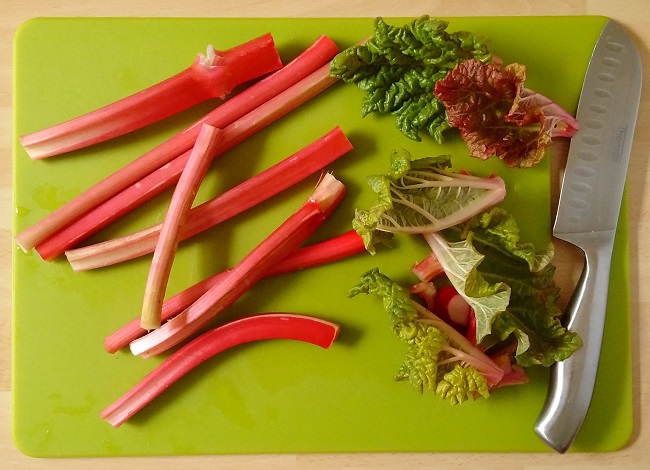
  • Trim the leaves from spring rhubarb and discard, then rinse the stems well and slice off the base. Cut into 3cm pieces for really quick cooking, but leave in longer pieces for gentle poaching and using to top tarts or desserts. Spring rhubarb takes barely 4-5 minutes to cook. I usually place the pieces in a frying pan and sprinkle with sugar and add 1 – 2 tablespoons of water. Once it begins to steam, cover with a lid and cook gently.

    Chopped_fresh_rhubarb
    Preparing spring rhubarb. Image: Kathryn Hawkins
  • For a tangy sweet and sour sauce, cook rhubarb in a little water with sufficient sugar to make it edible, then add a dash of raspberry or balsamic vinegar. Served cold, it goes well with roast duck, smoked mackerel or pan-fried herring.
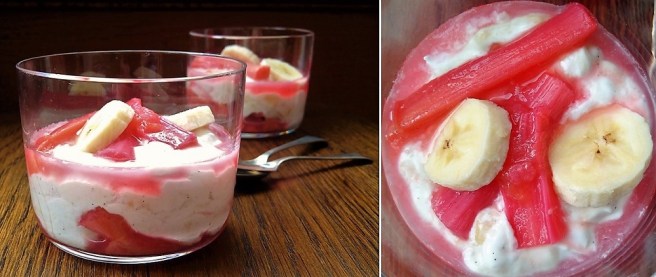
  • A favourite simple dessert of mine is to mix mashed banana, coconut (non-dairy) yogurt and vanilla extract together and layer in glasses with poached, vanilla sugar-sweetened rhubarb. It is absolute deliciousness guaranteed!

    Poached_rhubarb_with_banana_coconut_yogurt_and_vanilla
    Rhubarb, banana and coconut pots. Images: Kathryn Hawkins
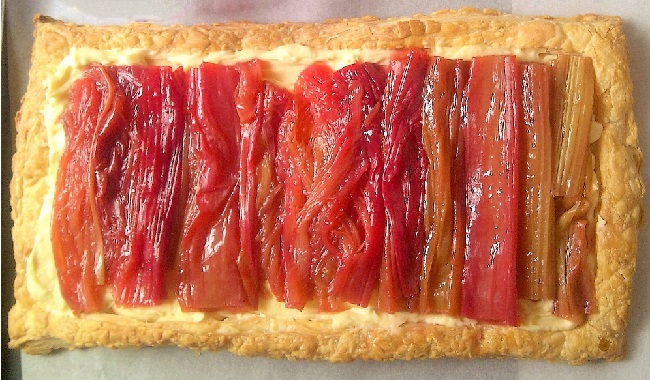
  • For an easy pastry, bake-off a sheet of (gluten-free) puff pastry and allow to cool, then top with thick (dairy-free) custard and lightly poached stems of sweetened rhubarb. Always a winning combination…..rhubarb and custard.
    Rhubarb_and_custard_tart
    Rhubarb and custard tart. Image: Kathryn Hawkins

    I have posted a couple of other rhubarb recipes in my blog over the months, here are the links Rhubarb, raspberry and custard crump (gluten-free, dairy-free, vegan) and Rhubarb and custard ice lollies (gluten-free)

    3_stems_fresh_spring_rhubarb
    Tender pink stems of forced rhubarb. Image: Kathryn Hawkins
Pear perfection

Freshly_picked_homegrown_pears
October pear harvest. Image: Kathryn Hawkins
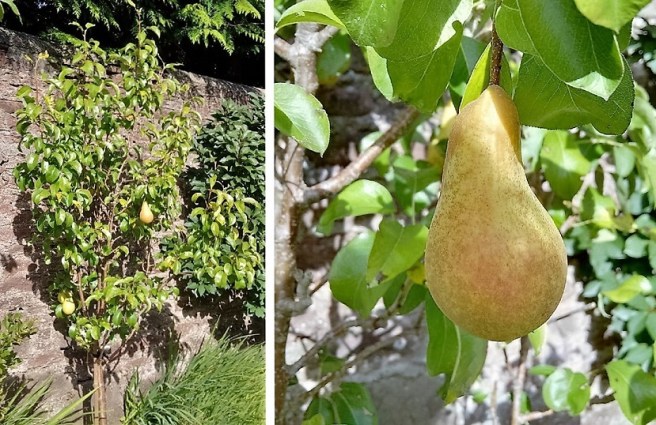
The temperature has been dropping these past few days so I decided it was time to pick the pears before a frost spoils them. It’s been a good year for most of the orchard fruit in my garden, and although I only have 2 small pear trees of differing variety, both produced 7 or 8 fruit each. One tree is a Doyenne de Comice which grows against an old wall, espalier-style, and the other is a Concorde pear, more of an upright tree but still sheltered by a wall.

Most pears ripen off the tree but I find it a challenge knowing exactly when to pick them, some time between the wasps disappearing and the cold weather arriving. If you want to store your harvest, unlike apples, pears don’t require wrapping, just arrange them in a single layer, not touching, on a shelf or tray, in a cool, dry place. You will need to check them frequently, and once the fruit begins to soften at the stalk end, keep them at room temperature for 2 to 3 days to complete ripening.

Espalier_growing_Comice_pear
Comice pear tree growing against a wall. Images: Kathryn Hawkins
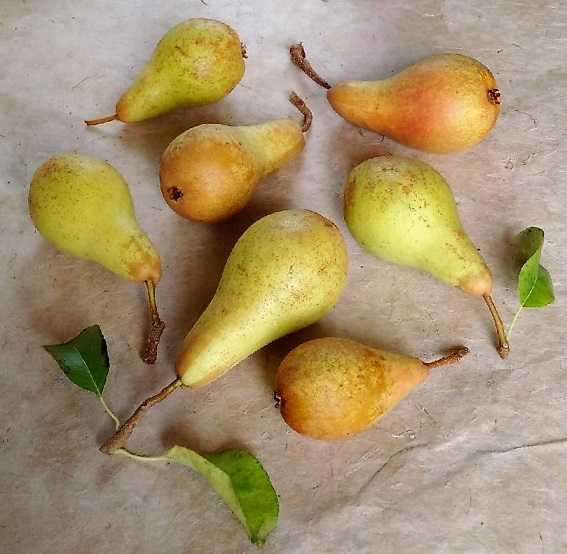
Still_life_homegrown_Comice_pears
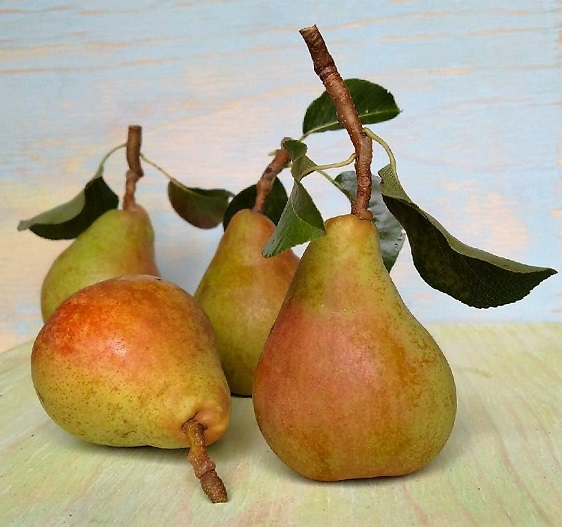
Pear: Doyenne de Comice. Image: Kathryn Hawkins
Pear_tree_Concorde_variety
Small Concorde pear tree. Images: Kathryn Hawkins
Still_life_Concorde_pears
Pear: Concorde. Image: Kathryn Hawkins

5 recipe ideas for pears:

  • Peel and core firm but ripe pears, sprinkle with butter, cinnamon and brown sugar and bake along side a ham or pork joint for the last 30 minutes of cooking; baste occasionally to prevent them drying out.
  • Mash soft, ripe pear flesh into freshly prepared mashed potato along with salty, sharp blue cheese – delicious served with roast chicken or ham.
  • Blend chopped pear with fresh blueberries, unsweetened apple (or pear) juice and plain soy or coconut yogurt for a creamy smoothie.
  • For a decadent sandwich, toast gluten-free bread and fill with freshly sliced pear, a few marshmallows and chocolate chips. Spread butter or margarine on the outside of the toast and press the sandwich into a preheated hot griddle pan for a couple of minutes on each side – or pop in a sandwich toaster if you have one – to heat through and melt the chocolate.
  • Halve a perfectly ripe pear and scoop out the core. Brush with lemon juice and fill the centre with grated marzipan. Flash under a hot grill for a few seconds to melt the marzipan and serve immediately, scattered with toasted almonds and chocolate sauce – my favourite!